


cropper
The Expat Essentials Hub
  • Home
  • Categories
    • Country and Culture Insights
    • Finance, Legal and Taxes
    • Relocation Tips
    • Health Care and Insurance
    • Visa Programs
    • Places to See
    • Thailand Retirement
  • Leaving America
May 15.2026
2 Minutes Read

Discover Why Zanzibar is Becoming the Go-To Destination for Travelers Seeking Connection

Children enjoying a beach in Zanzibar as a destination for travelers.

A Hidden Gem: Why Zanzibar is Gaining Popularity Among Travelers

As a tropical haven steeped in rich culture, Zanzibar has increasingly become a sought-after destination for those seeking more than just fleeting vacations. Balancing breathtaking beaches with enticing local traditions, it invites visitors to establish deeper connections with the land. Its unique charm has turned what was once a mere stopover on a broader safari itinerary into an annual retreat for many, including digital nomads and recently retired professionals.

The Allure of Zanzibar's Natural Beauty

Above all, the stunning landscape of Zanzibar captivates its visitors. The island's beaches, notably in Nungwi and Kendwa, stretch out like painterly canvases of soft white sand and unreachable blue waters that shimmer with every glance. Seasonal changes play a significant role in the island's appeal; the dry season from June to October is perfect for diving, while the rainy season showcases vibrant flora, allowing for quieter, more intimate experiences.

Emphasis on Cultural Immersion

Unlike many destinations where you can easily lose touch with local life, Zanzibar integrates its diverse culture into every interaction. From the bustling markets featuring spices and fresh produce to Stone Town’s winding streets filled with history, visitors have countless opportunities to engage with the island’s traditions. Events such as the Sauti za Busara music festival and the Zanzibar International Film Festival enrich the traveler’s experience and immersion into the local culture, making each visit unforgettable.

Connecting with Nature Through Local Experiences

Zanzibar’s unique rhythm of life encourages visitors to embrace nature both actively and passively. Fishermen setting off on dhows at dawn give a sense of community, while beachside conversations under the palm trees offer moments of tranquility. Whether paddle boarding along the coast or visiting the serene Coral Reefs for diving, visitors bond with nature in a way that rejuvenates the soul.

The Future of Zanzibar: Tourism Development and Sustainability

As more travelers flock to Zanzibar, developments in tourism infrastructure, such as new hotels and eco-friendly resorts, aim to preserve the island's enchanting ecosystem. The upcoming Blue Amber Zanzibar resort—a $1.6 billion investment—will feature luxurious accommodations without overshadowing the island’s identity. This balancing act between tourism and sustainability is crucial as Zanzibar works to maintain its authenticity amidst growing international interest.

Conclusion: A Call to Embrace the Zanzibar Experience

In a world increasingly dictated by speed and efficiency, Zanzibar offers a refreshing escape that invites travelers to slow down and reconnect. It’s easy to understand why this island has captured the hearts of many, becoming a ritual escape for those who wish to return annually. Plan your trip to common a place where you can bask in the vibrant culture while relaxing in paradise.

Country and Culture Insights

17 Views

0 Comments

Write A Comment

*
*
Please complete the captcha to submit your comment.
Related Posts All Posts
11.13.2026

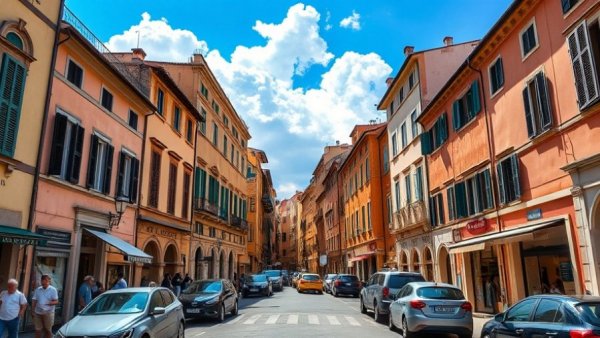
Is Living in Italy Still the Dream Destination for Americans?

Update A Dream Destination or a Cautionary Tale? When it comes to the allure of living in Italy, the images conjured include breathtaking landscapes, exquisite cuisine, and a lifestyle steeped in history and culture. It's no wonder that Italy consistently ranks high on the wish list for many Americans. Recent data shows that on January 1, 2025, 17,650 U.S. citizens resided in Italy, a number that reflects a burgeoning interest and commitment to adopting the Italian way of life. Pros of Calling Italy Home Italy offers many reasons to consider making the move: Exceptional Quality of Life: Life expectancy in Italy hit an impressive average of 83.7 years, underscoring the country’s commitment to health and wellness. Especially attractive for retirees, this statistic affirms that Italians enjoy rewarding and lengthy lives. Retirement Visa Opportunities: The Italian Elective Residence visa is structured for individuals who can support themselves on passive income, such as pensions or investments. With an annual income requirement typically around €31,000 for individuals or €62,000 for couples, this visa provides an appealing route for those wishing to retire in Italy. Attractive Tax Incentives: With a reduced 7% tax rate on foreign pension income for pensioners relocating to select southern towns, Italy becomes a fiscal haven for retirees aiming to stretch their dollars further. Affordable Housing Outside Major Cities: The cost of living varies greatly, with homes outside of cities like Milan or Florence being considerably more affordable. For instance, average resale prices in locations such as Caltanissetta can be as low as €623 per square meter. Remote Work Viability: The introduction of a digital nomad visa in April 2024 allows remote workers to experience Italy, provided they meet certain income thresholds and possess professional credentials. This is increasingly important as people seek flexibility in their work environments. Safety: Italy boasts a relatively high ranking in global peace, offering a sense of security that contrasts sharply with rising crime rates in parts of the U.S. Convenient Travel: Nonstop flights from major U.S. cities have made frequent trips to Italy easier than ever, enhancing the appeal for those who may be heavily invested in both cultures. The Realities of Living in Italy Despite its allure, potential residents must also consider pertinent challenges: Stringent Citizenship Laws: Changes made in March 2025 have tightened rules regarding citizenship by descent. Now, only those who can demonstrate a direct lineage to a grandparent or parent who held Italian citizenship can stake a claim. This shift affects many long-held family hopes of obtaining citizenship. Long Path to Residency: Without an Italian ancestor, gaining citizenship through residency can take a decade, a notable increase from the previously shorter timeline. Slow Bureaucratic Processes: Applying for residency or permits can be a cumbersome process, requiring patience and often necessitating local assistance due to language barriers. Healthcare Affordability: Since 2024, new arrivals are subject to a €2,000 annual fee for public healthcare access, making comprehensive private insurance a common necessity. Job Market Limitations: While retirees and remote workers find favorable conditions, the labor market is often competitive, with low average salaries making job-seeking challenging for many. Language Barrier: Outside urban centers, English proficiency is relatively low, necessitating a degree of fluency in Italian to navigate daily life and official processes. Currency Exchange Concerns: With the strengthening euro, American retirees receiving income in dollars face increasing costs, largely affecting living expenses. Environmental Risks: Italy is prone to seismic activity and extreme heat events, necessitating due diligence when choosing a home to ensure safety against these risks. Navigating Your Move to Italy Italy may suit those with a steady income and a desire for a slower pace of life. However, those reliant on employment, quick residency, or accessible healthcare might find the transition more arduous. Before making a move, it’s essential to research thoroughly and prepare for the associated realities. Understanding both the enchanting aspects of Italian life and the potential hurdles can empower you to make an informed decision about your future in Italy. If you're excited about living abroad and becoming part of the Italian culture, check out our detailed guides on the cost of living in Italy and additional relocation tips to make your transition smoother.

11.12.2026

Navigating Finances as You Adjust to Life in a New Country

Update Understanding the Financial Landscape of Your New Country Moving to a new country can be an exhilarating adventure, offering the promise of fresh experiences and diverse cultures. However, the financial adjustment often proves to be more challenging than anticipated. Many expats arrive with expectations of lower monthly expenses, only to face the reality of higher rent, transportation costs, and grocery bills. It’s essential to grasp what everyday life will actually cost before settling in. Prices can vary dramatically between different neighborhoods, particularly with housing. While a furnished apartment in the city center may catch your eye, you might find more economical options further out. Visit local supermarkets, review transportation costs, and research rental prices widely, steering clear of solely relying on online cost-of-living estimates. Actual expenses often diverge significantly from initial research. Creating a Realistic Budget for Your New Lifestyle Your previous budgeting strategies may not translate seamlessly to your new financial environment. For instance, you may spend less on public transport but find that your healthcare insurance requires a larger chunk of your income. During the initial months in a foreign land, it’s crucial to track your essential expenditures meticulously. This practice will not only inform your entertainment budget but may also spark a reconsideration of your saving habits. To manage costs effectively, focus on small, sustainable lifestyle changes. Cooking at home more frequently or opting for monthly transit passes can help free up funds for unforeseen expenses. Currency Exchange and Banking: Navigating New Terrain Managing finances across borders introduces complexities, particularly regarding currency exchange. If your income is in one currency but expenses in another, fluctuations in exchange rates can significantly impact your purchasing power. Be aware of potential fees for international transfers and ATM withdrawals; these can catch you off guard if you're not informed beforehand. Before relocating, check whether your current bank accounts accommodate international transactions and familiarize yourself with local financial regulations, as countries often require specific identification or residency documentation to open new accounts. Preparing for Initial Move-In Costs The first few months abroad can bring unexpected expenses. Rental deposits, temporary housing arrangements, and the costs for establishing utilities can accumulate rapidly. Additionally, there may be expenses related to residence permits, translated documents, and other administrative necessities, easily overlooked amidst the excitement of your move. Consider creating a separate relocation budget to manage these costs effectively, ensuring that they do not eat into your everyday living funds. Ask landlords or agents about possible upfront payments and whether utilities are rolled into the rent. Understanding Local Financial Systems and Payment Habits Each country has distinct financial practices, including differing norms regarding cash and card usage. While some nations embrace cashless transactions, others still rely heavily on cash for daily purchases. Understanding these local habits can ease transitions and simplify daily transactions. Be particularly aware of residency rules and tax obligations; depending on your employment situation, you might find yourself subject to reporting requirements in both your home country and your new residence. Engaging a financial professional who specializes in international taxation can be invaluable in ensuring compliance without stress. The Importance of an Emergency Fund for Expats Coping with unexpected financial challenges abroad can be daunting. A medical emergency, sudden travel requirement, or housing issue can surface unexpectedly, necessitating quick access to funds. Ensure you have an easily accessible emergency fund, perhaps in an account that supports international transactions. Some expats choose to maintain finances in both their home country and their new one to prepare for unforeseen obligations. As you set up this fund, consider how quickly you can access these resources if emergencies arise. Avoiding Impulsive Spending During Your First Year The allure of a new environment is often overwhelming, prompting a desire to explore local cuisine, visit attractions, and quickly decorate your new living space. While these activities are enticing individually, they can quickly accumulate into substantial expenditures. It’s wise to postpone major purchases until you have settled in and better understood your financial standing. Instead, take the time to explore less expensive options like local markets, home-cooked meals, and public transit to reduce your financial burden. Staying Aligned with Long-Term Financial Goals While an international move can shift your daily priorities, it doesn’t alter long-term financial objectives. Whether saving for retirement, repaying debts, or building emergency savings, consider how these aims mesh with your new lifestyle. As your new situation stabilizes, periodically reviewing your finances will provide clarity on your saving potential while maintaining the lifestyle you envisioned when relocating. Remember, adjusting to a new financial landscape requires patience and adaptability. Finding Financial Stability in Your New Life Understanding and adapting to the financial landscape of your new home is key to a successful transition. This journey requires patience, vigilance in managing expenses, and a willingness to make necessary adjustments. With a realistic budget, an accessible emergency fund, and a grasp of local financial systems, everyday decisions will become more manageable. By prioritizing your financial wellness, you open doors to focus on creating a fulfilling life in your new surroundings rather than constantly worrying about each expenditure.

11.12.2026

Exploring Thailand: The Ideal Place to Live or Retire Abroad

Update Discovering Paradise: Why More People Are Choosing to Live Abroad As wanderlust continues to grip the modern generation, the appeal of relocating to international havens has never been stronger. Among these destinations, Thailand stands out as a beacon of beauty, culture, and opportunity. With its vibrant landscapes and welcoming communities, it’s no wonder that the country is often cited as one of the most beautiful places in the world to live or retire abroad.In 'One of the Most Beautiful Places in the World to Live or Retire Abroad!', the discussion dives into the allure of Thailand, exploring key insights that sparked deeper analysis on our end. Thailand: A Global Choice for Expatriates Thailand’s allure is rooted in its stunning natural scenery, from the crystal-clear waters of its islands to the lush greenery of its national parks. With a low cost of living, robust healthcare system, and a rich cultural heritage, it is attracting a wide array of expatriates—from young digital nomads to retirees seeking a serene lifestyle. The combination of affordability and quality of life makes Thailand an appealing choice for those considering a move abroad. Why Thriving Communities Matter For many, finding a community while living abroad is instrumental to their happiness and integration. In Thailand, busy hubs like Bangkok and Chiang Mai boast active expat communities, offering a sense of belonging. Networking, socializing, and collaborating with like-minded individuals enrich the expatriate experience and help newcomers navigate their new environment. The local Thai people are renowned for their hospitality, making it easier for foreigners to feel at home. Healthcare and Insurance in Thailand: A Major Benefit The reassurance of adequate healthcare plays a significant role in the decision to retire or live abroad. Thailand’s healthcare system is lauded for its quality and affordability. Many hospitals in major cities offer advanced medical services at a fraction of the cost compared to the United States. This factor not only alleviates worries about health issues but also enables individuals to enjoy their new lives without the burden of exorbitant medical costs. Understanding the nuances of health insurance options available to expatriates is essential for anyone considering moving. Visa Programs that Encourage Exploration Navigating the legal landscape is often one of the most daunting aspects of relocating. However, Thailand has made strides to simplify the process for retirees and long-term residents. Various visa options cater to individuals looking to live, work, or retire in Thailand. The Retirement Visa, for example, allows individuals aged 50 and above to stay in the country for extended periods, provided they meet certain financial requirements. This ease of access is attractive for those wanting to immerse themselves in Thai culture for the long term. Considerations for Moving: Practical Insights While the allure of living in Thailand is palpable, potential expatriates should be well-informed about the realities of relocating. From acquiring the necessary paperwork and budgeting for the move to understanding cultural differences, proper preparation can ease the transition. It’s also advisable to learn some basic Thai language skills, which can greatly enhance your interactions and connectivity with the local community. Conclusion: Making the Leap In conclusion, moving abroad, particularly to a paradise like Thailand, can be a life-changing decision for many. As individuals evaluate their lifestyles, Health care needs, and community priorities, the beauty and rich culture of Thailand offer a compelling choice for personal reinvention. If you’re contemplating whether living abroad is the right path for you, consider visiting Thailand to experience its charm first-hand. To begin your journey and uncover the full spectrum of experiences that await in Thailand, start researching all your options today!

The Expat Essentials Hub

The source for expat articles and video related to top countries to consider, visa programs, health care, and relocation tips.

Green Street Consulting LLC

  • Privacy Policy
  • Terms of Use
  • Advertise
  • Contact Us
  • Menu 5
  • Menu 6

864 535 6456

PO Box 936
Greer, South Carolina

ABOUT US

My wife and I created this media site to serve as a valuable resource for expats and those considering an expat lifestyle. We lived in Doha, Qatar, as expats, and now live in Thailand.

© 2026 CompanyName All Rights Reserved. Address . Contact Us . Terms of Service . Privacy Policy

Terms of Service

Privacy Policy

Core Modal Title

Sorry, no results found

You Might Find These Articles Interesting

T
Please Check Your Email
We Will Be Following Up Shortly
*
*
*