 Add Row
  Add
Add 
Did you know? Southeast Asia is home to over 500 unique ethnic groups and boasts 38 remarkable UNESCO World Heritage Sites — making it one of the world’s greatest treasure troves of living heritage! If you crave travel experiences that go beyond sightseeing, get ready to be amazed by how deeply southeast asia cultural experiences can enrich your journey. In this article, we’ll uncover little-known traditions, dazzling festivals, and the secrets for truly authentic encounters with the region’s vibrant cultures.
A Surprising Look at Southeast Asia Cultural Experiences (Startling Facts Revealed)
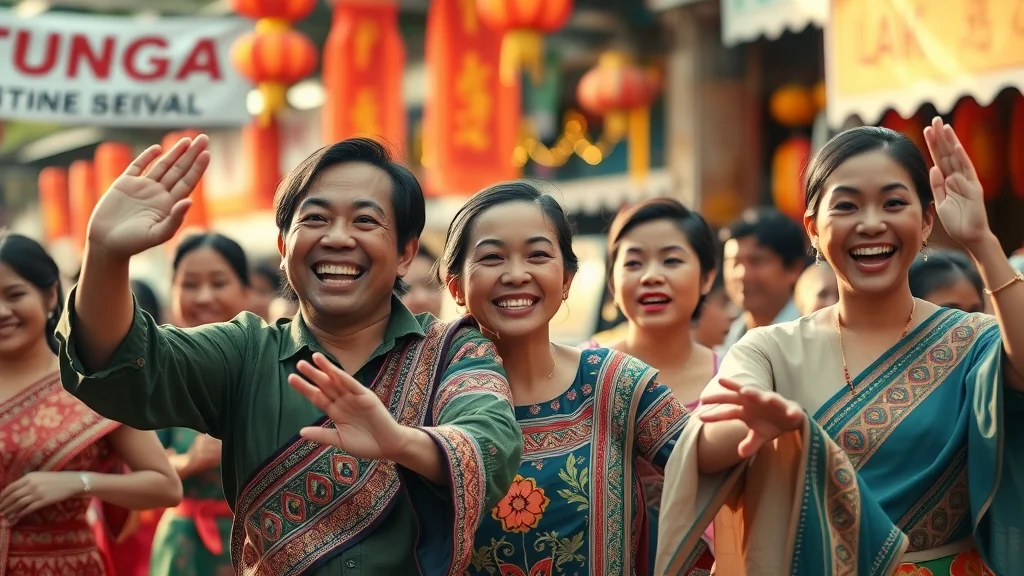
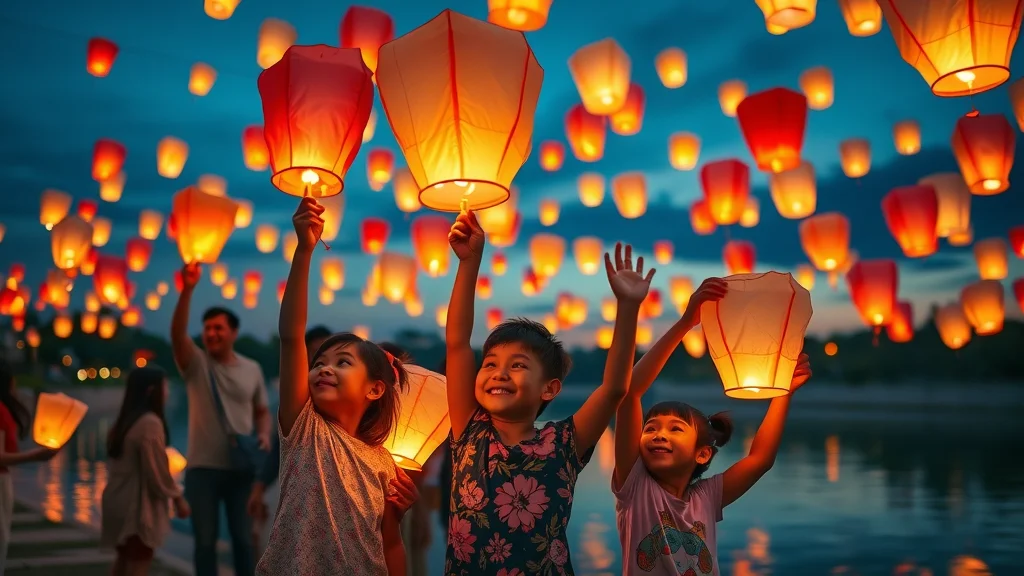
What sets southeast asia cultural experiences apart from anywhere else in the world? Despite rapid modernization, locals across the region still practice time-honored rituals, from ancient temple ceremonies to vibrant street festivals. In fact, Southeast Asia houses a staggering 38 UNESCO World Heritage Sites, each reflecting layers of rich history and diverse cultures. Did you know the Angkor Wat temple complex in Cambodia is the largest religious monument ever built? Or that Vietnam’s Hoi An Ancient Town transforms into a luminous wonderland every lunar month during its Lantern Festival? These rare glimpses into authentic daily life and artistic expression offer a truly immersive experience that even well-trodden destinations in East Asia sometimes can’t match.
From artisan workshops in Bali to midnight candle ceremonies in Luang Prabang, Southeast Asia invites travelers to go beyond sightseeing and partake in customs that have thrived for centuries. As you continue reading, discover which countries lead the pack for cultural tours, where the next unforgettable festival happens, and how to avoid tourist traps while connecting deeply with local life and heritage.
What You'll Learn About Southeast Asia Cultural Experiences
- The diverse southeast asia cultural experiences awaiting travelers
- Key destinations that showcase vibrant heritage and traditions
- How to engage in authentic cultural tours and activities
- Insider tips for a memorable travel experience in Southeast Asia
Understanding Southeast Asia Cultural Experiences
Southeast Asia offers a mosaic of living traditions shaped by centuries of interaction between indigenous cultures, Indian and Chinese influences, and colonial histories. Across the region, daily life still pulses with rituals, music, dance, and handcrafts that have deep spiritual meanings rooted in local culture. Whether you're joining a Buddhist alms-giving ceremony in Laos or watching skilled artisans create intricate batik fabrics in Indonesia, you’ll witness how these practices are woven into the fabric of every community.
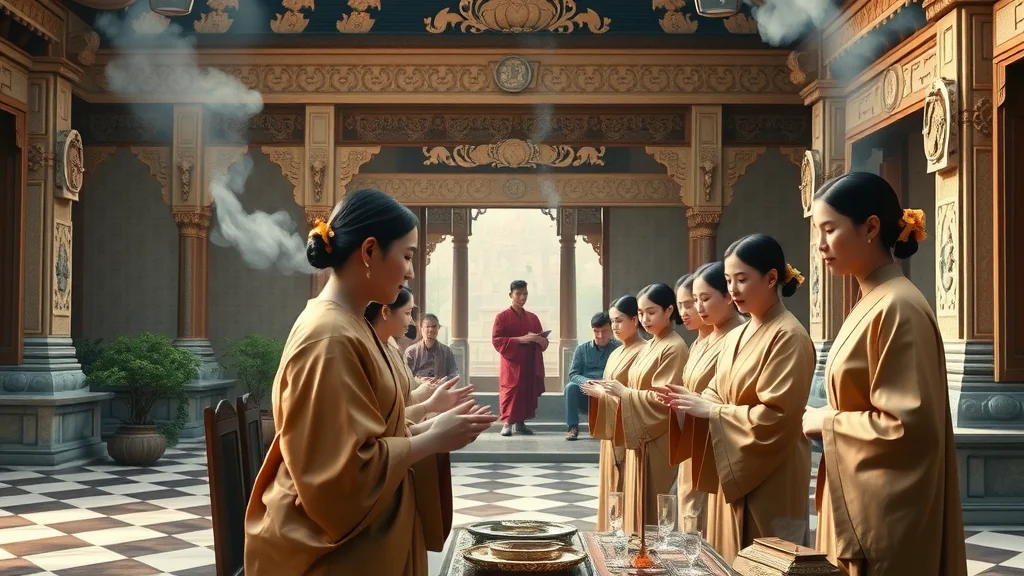
Unlike some regions where cultural experiences are staged for tourists, Southeast Asia prioritizes authenticity. Travelers can easily access meaningful cultural events and activities thanks to cultural tours led by locals. The blend of beliefs, including Buddhism, Islam, and Animism, is reflected in ornate temples, atmospheric mosques, and masked dance dramas. By participating in cultural experiences that connect with local stories and beliefs, you'll develop a new appreciation for humanity’s shared heritage and the profound beauty of Southeast Asia’s cultural diversity.
Top Countries in Southeast Asia for Cultural Experiences
- Vietnam: Lantern Festivals and Traditional Water Puppetry
- Thailand: Songkran and Temple Heritage Sites
- Cambodia: Angkor Wat and Khmer Ceremonies
- Laos: Luang Prabang and Buddhist Alms-Giving
- Indonesia: Bali’s Dance & Culinary Traditions
- Malaysia: Multicultural Festivals and Colonial Heritage
Cultural Tours: Highlights and Highlights Differences from East Asia
Taking a cultural tour in Southeast Asia means getting up close with living history, from bustling local markets brimming with fresh produce to village artisans keeping thousand-year-old traditions alive. Unlike the more formal etiquette found in East Asia, Southeast Asia’s cultural experiences are typically rooted in interactive participation. Travelers often find themselves welcomed into family homes for meals or invited to celebrate local festivals, making for an immersive experience that blends daily life and ceremony seamlessly. This contrasts with East Asia’s more museum-like presentations, where history sometimes feels distant and curated.
Moreover, Southeast Asian countries maintain strong ties to their spiritual heritage. Pilgrimages to sacred temple complexes—such as Cambodia’s Angkor temples or Thailand’s gilded Wats—invite visitors to witness rituals that are an active part of local culture today, not just echoes of the past. These differences offer travelers a distinctive sense of connection with the people and places they visit, ensuring a truly memorable travel experience.
Luang Prabang's Unique Heritage: A World Heritage Site
Luang Prabang in Laos is a shining example of how Southeast Asia protects its cultural legacy. As a UNESCO World Heritage Site, this riverside town blends French colonial facades with more than 30 gilded Buddhist temples. Every morning, hundreds of monks line the streets in a peaceful alms-giving ceremony—a spectacle both spiritual and serene. This unique heritage sets it apart from many sites in East Asia, with a palpable sense of history and daily devotion interwoven alongside the rhythmic flow of the mighty Mekong River. Whether you’re admiring the fusion of French colonial and Lao architecture, or joining a local cooking class, Luang Prabang promises an enriching cultural experience unlike any other.
Must-See UNESCO World Heritage Sites in Southeast Asia
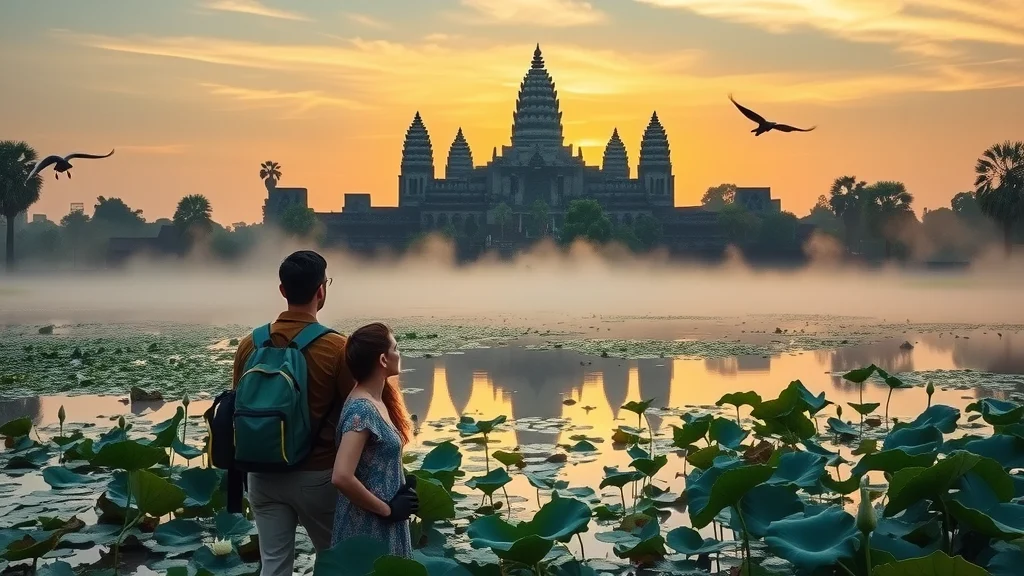
- Angkor Wat, Cambodia
- Luang Prabang, Laos
- Borobudur, Indonesia
- Hoi An Ancient Town, Vietnam
| Site | Country | Cultural Significance | UNESCO Status | Visitor Tips |
|---|---|---|---|---|
| Angkor Wat | Cambodia | Largest religious monument; Khmer Empire heritage | World Heritage Site | Arrive at sunrise for breathtaking views and fewer crowds |
| Luang Prabang | Laos | Fusion of Buddhist temples and French colonial architecture | World Heritage Site | Attend the morning alms-giving and stroll riverside markets |
| Borobudur | Indonesia | Largest Buddhist monument worldwide | World Heritage Site | Join a local guide for sunrise and traditional music events |
| Hoi An Ancient Town | Vietnam | Preserved trading port, vibrant lantern festivals | World Heritage Site | Visit during full moon for lantern-lit streets and local performances |
| Great Wall | China | Emblematic fortification representing Chinese history | World Heritage Site | Wear comfortable shoes and explore quieter sections |
| Kiyomizudera | Japan | Iconic Buddhist temple with panoramic Kyoto views | World Heritage Site | Enjoy cherry blossoms or autumn leaves for incredible scenery |
Immersive Southeast Asia Cultural Experiences: Activities and Workshops
- Traditional Cooking Class in Thailand or Vietnam
- Participating in Local Festivals
- Artisan Craft Making in Bali
- Street Food Tours in Penang or Bangkok
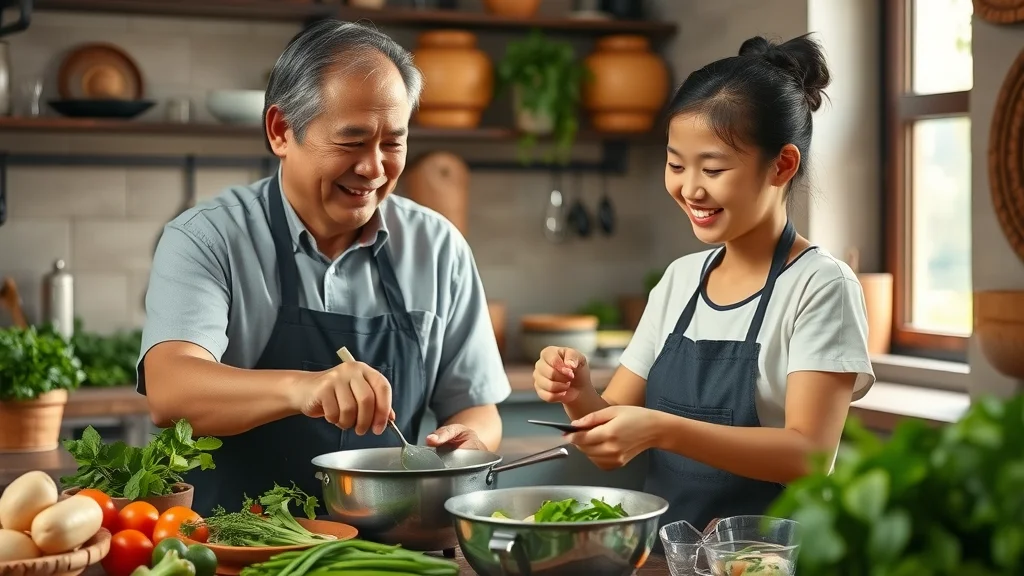
The Role of Cooking Classes in Southeast Asia Cultural Experiences
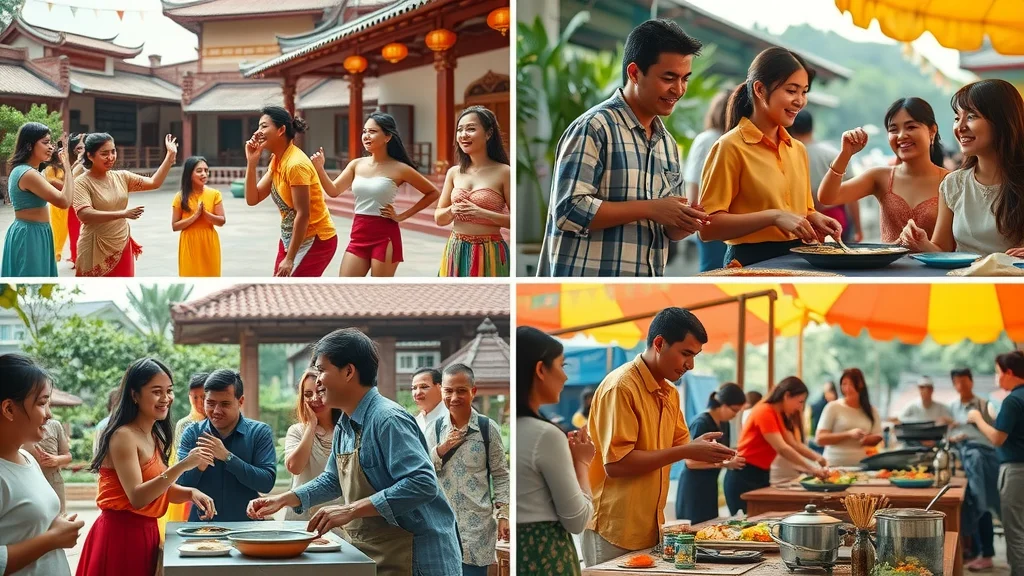
One of the most satisfying ways to connect with local culture is through a hands-on cooking class. These classes plunge you into the world of markets, street food, and traditional instruments, showing how culinary heritage is passed down through generations. You’ll select fresh produce at a bustling local market, grind fragrant spices, and learn why each flavor tells a different story about the local community. Cooking classes in Southeast Asia often double as a cultural tour, including introductions to sacred food rituals and even opportunities to share the results with a host family. Whether in the heart of Hanoi or amidst Bali’s rice fields, these immersive experiences offer an unrivaled window into daily life, the richness of cultural heritage, and what it truly means to eat, cook, and celebrate local traditions together.
Authenticity in Cultural Experiences: Avoiding Tourist Traps
- Seek out smaller villages and local homestays
- Respect cultural etiquette and customs
- Choose genuine cultural tours led by locals
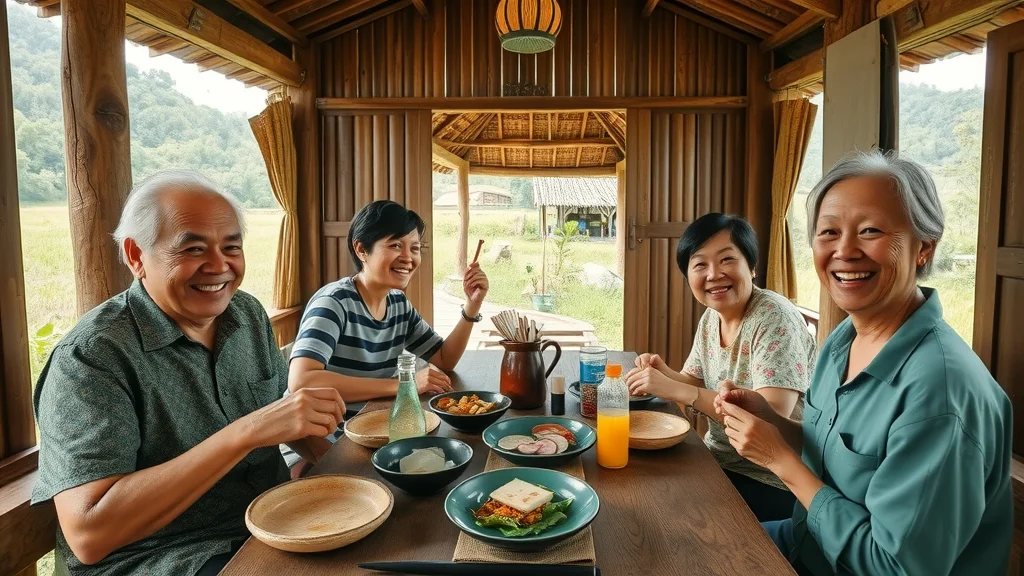
To enjoy truly authentic southeast asia cultural experiences, avoid large-scale staged performances and generic souvenir shops. Instead, focus your travel experience on places where the pace is slower, and life unfolds much as it always has. Opt for a homestay with a welcoming local family in a rural village, where you’ll gain insight into daily routines and customs. Always be mindful of etiquette: greet with a respectful nod, remove shoes before entering homes or temples, and learn a few phrases in the local language. Cultural tours led by knowledgeable locals can open doors to meaningful cultural exchanges, allowing you to participate, observe, and appreciate backgrounds different from your own.
People Also Ask: Your Top Questions About Southeast Asia Cultural Experiences
What are the best countries in Southeast Asia for cultural experiences?
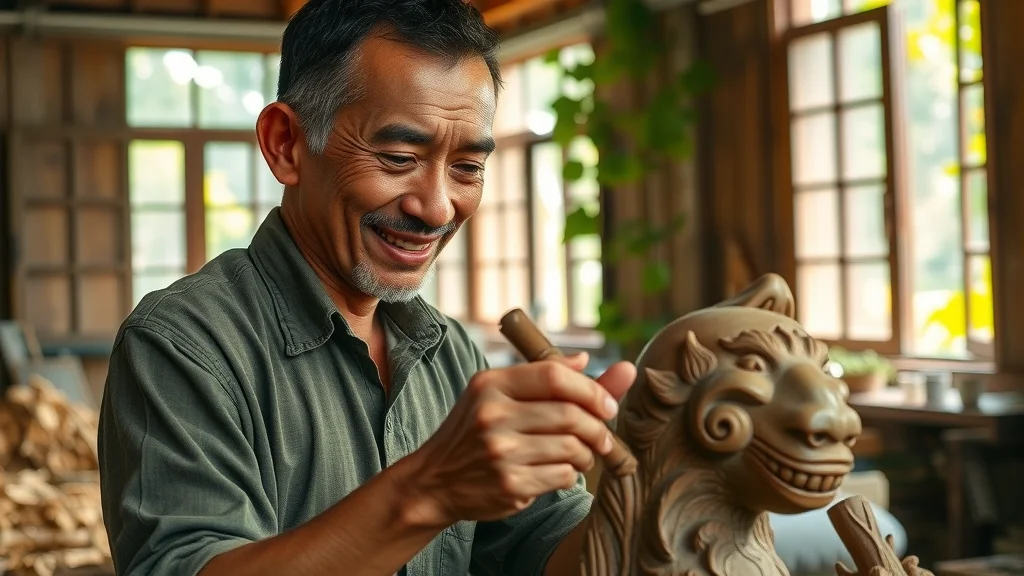
The best countries for southeast asia cultural experiences include Vietnam for its lantern festivals, traditions, and culinary classes; Thailand for its temple heritage sites and lively Songkran festival; Cambodia for iconic places like Angkor Wat and Khmer dance; Indonesia for Bali’s crafts and spiritual artistry; Laos for the rich heritage of Luang Prabang; and Malaysia for its fusion of multicultural festivals and colonial architecture. These destinations stand out for their immersive experience, offering both historical depth and vibrant daily traditions.
How do cultural experiences differ between Southeast Asia and East Asia?
Southeast Asia cultural experiences tend to be more participatory, welcoming travelers to engage in hands-on festivals, cooking classes, and local ceremonies. In contrast, East Asia often emphasizes observational appreciation, with cultural sites and performances presented in a more formal or preserved manner. While both regions boast UNESCO World Heritage Sites and rich history, Southeast Asia’s approach encourages travelers to take part in daily life and rituals — like Balinese offerings or Buddhist alms-giving — creating opportunities for more direct interaction and shared local life.
What are the top festivals and events to experience in Southeast Asia?
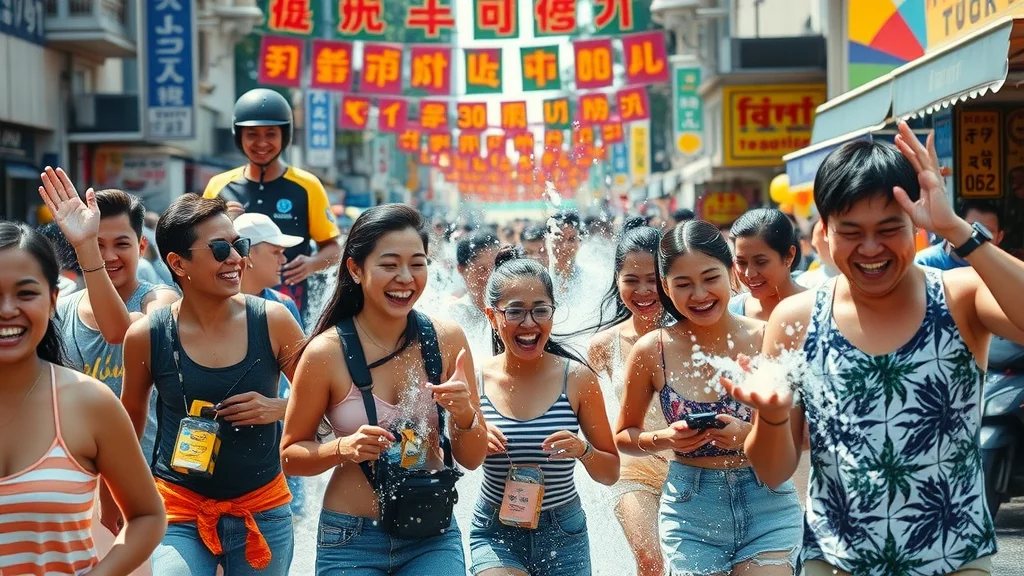
Some must-experience festivals include Thailand’s water-splashing Songkran, Vietnam’s magical Lantern Festival in Hoi An, Cambodia’s extravagant Pchum Ben and Bon Om Touk (Water Festival), Laos’ Boun That Luang, and Bali’s Galungan celebration that brings the entire island to life with vivid decorations and ceremonies. These festivals are perfect opportunities to immerse yourself in traditional attire, sample local delicacies, and celebrate with communities as they honor their history, art form, and spiritual beliefs.
Expert Opinions: Why Southeast Asia Cultural Experiences Matter
"Immersing in southeast asia cultural experiences transforms your understanding of humanity’s shared heritage." – Dr. Anita Lee, Cultural Anthropologist
Frequently Asked Questions About Southeast Asia Cultural Experiences
-
How can travelers ensure respectful participation in local cultural practices?
Research etiquette ahead of time, dress modestly, ask permission before photographing people or ceremonies, and always listen to local advice, especially when taking part in sacred rituals or entering heritage sites. -
Are cultural experiences accessible for families and solo travelers?
Absolutely! Many cultural tours and workshops are family-friendly and designed for all ages, and there are countless opportunities for solo travelers to join group activities, cooking classes, or guided village walks to meet locals and other travelers. -
What’s the best time of year for a southeast asia cultural tour?
The winter dry season (November to February) is ideal for most countries, with comfortable weather and many major festivals, but unique events take place year-round—from springtime Songkran to autumn Lantern Festivals—so plan ahead for specific cultural experiences you want to join.
Key Takeaways: Embracing Southeast Asia Cultural Experiences
- Southeast asia cultural experiences are diverse, authentic, and immersive
- UNESCO World Heritage Sites offer windows into the region’s past
- Cooking classes, festivals, and artisan crafts provide hands-on cultural engagement
Start Your Journey: Share Your Southeast Asia Cultural Experiences
Southeast Asia calls for more than observation—it invites genuine participation and discovery. Whether you’re learning to cook an ancestral dish in Thailand, releasing lanterns over a moonlit river, or sharing laughter with a host family in Laos, every moment is a living celebration of the region’s past and present. Please like, share, and comment on this article with your most inspiring southeast asia cultural experiences—and encourage others to embrace the authentic heartbeat of this remarkable region!


Write A Comment