 Add Row
  Add
Add 
Did you know that Thailand welcomes over 3 million medical tourists each year, making it a world leader in affordable and quality healthcare? If you’re considering moving to the Land of Smiles, understanding expat healthcare Thailand is crucial
Startling Facts about Expat Healthcare Thailand
"Thailand now attracts over 3 million medical tourists annually, making it one of the top global destinations for affordable, high-quality care."
The sheer scale and international recognition of expat healthcare Thailand is impressive. Thailand’s medical sector is not just for holiday check-ups—it’s a robust system combining state-of-the-art private hospitals, reliable public health infrastructure, and an extensive range of insurance plans tailored to non-residents. In 2023, Thailand ranked as one of the most preferred destinations for expatriates seeking surgeries, specialist treatments, and chronic disease management, thanks in part to its network of accredited facilities and multilingual healthcare staff.
Moreover, satisfaction rates among expatriates consistently rival those in Western countries. Value-for-money, shorter waiting times, and a straightforward claims process for expat health insurance make this destination stand out. With a deeper dive, you’ll discover that Thailand’s blend of national health access, private health insurance options, and readily available care systems truly set it apart for global citizens.

What You'll Learn About Expat Healthcare Thailand
- An overview of the expat healthcare system
- How to choose health insurance in Thailand
- Comparison of public hospitals and private healthcare options
- Key steps for accessing expat health insurance plans
- Answers to common expat healthcare questions
Understanding the Expat Healthcare System in Thailand
Thailand operates a multi-tiered care system that’s both accessible and efficient for expats. The nation's healthcare system is divided into public health and private health sectors. While Thai citizens generally receive subsidized care via the Universal Coverage Scheme or social security, expats can also benefit from these services under certain conditions.
Public hospitals are extensive, offering everything from routine check-ups to specialized treatments, but private hospitals cater especially well to foreigners, often boasting international accreditation, English-speaking staff, and luxury-like amenities. Whether you’re working, retired, or exploring Thailand on a long-term visa, the system is structured to ensure you won’t be left without viable healthcare options. Eligibility for national health and insurance in Thailand depends on your visa status, employment, and insurance plan.
How the Thai Healthcare System Serves Expats
- Structure and tiers of the care system
- National health insurance and public healthcare
- Availability for non-citizens and expats
Expats in Thailand can access the nation’s healthcare through the universal coverage scheme (primarily for Thai nationals), employer-backed social security (for working expats), and a variety of private medical insurance options. While some government hospitals may admit non-Thais for subsidized costs, most expats opt for expat health insurance, which opens the door to both public hospitals and the more tailored services of private hospitals.
This dual-track approach allows flexibility and cost control. For many, the ability to switch between public health and private health facilities—depending on needs, emergencies, and preferences—creates a strong safety net. Thailand’s system, though different from Western healthcare structures, prioritizes access, safety, and a wide selection of providers for everyone residing in the kingdom.

Public Hospitals and Public Healthcare Access for Expats
Public hospitals in Thailand form the backbone of the country’s public healthcare system. These government-managed facilities are widely distributed, from city centers to rural provinces, ensuring comprehensive reach for both Thai citizens and non-citizens. Expats can receive a wide variety of services—from minor ailments and vaccinations to advanced surgeries—though it’s essential to note the differences in experience compared to private venues.
Public care is valued for its affordability and is especially useful for employed expats enrolled in social security. However, limitations such as longer waiting times, basic amenities, and less frequent English language support are factors many foreign nationals consider. Understanding both the merits and drawbacks can help expats decide when to leverage public healthcare or seek private care.
Benefits and Limitations of Public Hospitals in Thailand
- Typical services provided at public hospitals
- Costs and wait times
- Eligibility for expats
Most public hospitals deliver comprehensive medical care—emergency services, general consultations, maternity, surgery, and chronic disease management are all available. Standard rates are low, even for foreigners paying out of pocket. Employed expats with social security enjoy further discounts or coverage. Nevertheless, waiting times can be lengthy, especially in urban centers, and appointments are often required for non-urgent cases.
Eligibility depends primarily on your visa type and insurance contributions. Recently, hospitals have made efforts to better serve expats, but advanced services or anything requiring English-language communication could be slower or less consistent than in the private hospital sector. It’s vital for new arrivals to register at a local medical facility and keep documentation handy to streamline access to services.
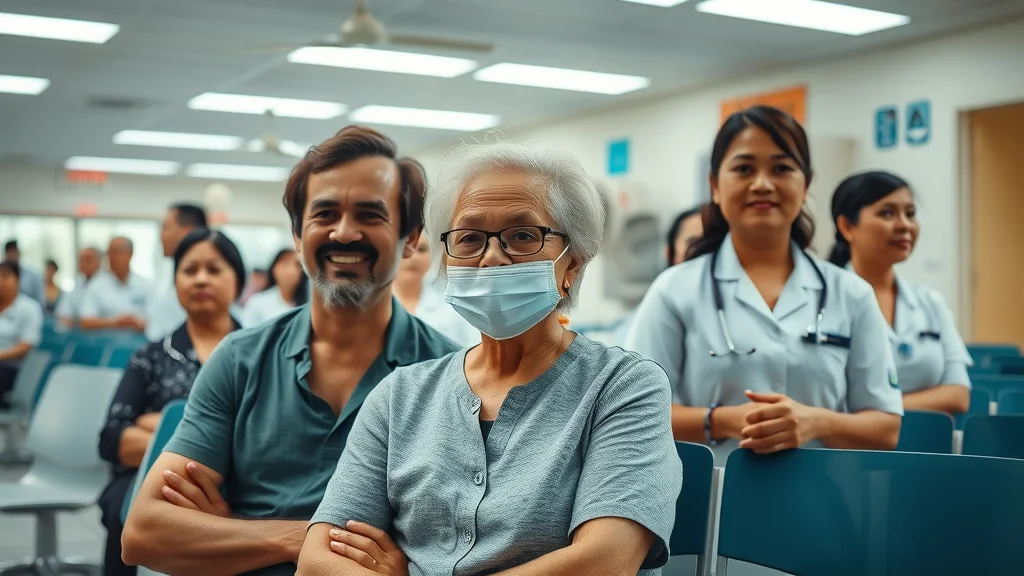
Private Healthcare and Private Hospitals in Expat Healthcare Thailand
Thailand’s private hospitals consistently rank among Asia’s best for expat health. These facilities are characterized by top-tier technology, international accreditations, English-speaking professionals, and a hospitality-driven service culture. For expats, private healthcare is particularly attractive due to short wait times, personalized attention, and direct billing with major insurance plans.
While private healthcare comes with higher price tags, premium insurance can offset much of the cost. Many private hospitals cater primarily to international visitors, with dedicated expat lounges and translation services. As expat health needs grow more sophisticated, private options become a popular first choice, offering peace of mind and convenience in urgent or elective scenarios alike.
Comparing Private vs. Public: What Expats Need to Know
- Private hospital standards
- International patient services
- Cost comparisons and insurance requirements
Private hospitals in Thailand provide rapid, comfortable care—immediate treatment, advanced diagnostic equipment, and highly qualified staff, many of whom trained overseas. The presence of international medical accreditation bolsters confidence among expats. Services such as direct billing to international insurers, interpreters, and patient liaisons help bridge gaps for newcomers.
However, these amenities and expertise come at considerable cost, especially if you lack comprehensive expat health insurance. Consultations and hospital stays in private healthcare settings can be several times pricier than in the public system. Most expats, therefore, prioritize obtaining a private health insurance plan that lists their preferred hospitals in its network, ensuring cash-free access, wide coverage, and smoother claims processing.

Health Insurance and Medical Insurance Options for Expats in Thailand
Securing the right health insurance in Thailand is essential for expats, considering potential out-of-pocket expenses in both private and public hospitals. Thailand offers a spectrum of options: Thai domestic insurance, specialized expat health insurance, and expansive international health insurance plans. The differences in cost, coverage, and ease of claims are crucial when choosing your ideal solution.
Expats are advised not to rely solely on pay-as-you-go for major health needs, as the bills from private hospitals can add up rapidly. Instead, aligning your cover with your healthcare preferences, travel habits, and personal health profile creates the greatest security and cost efficiency. Let’s explore how these insurance plans compare and what to watch out for when selecting a provider in Thailand’s vibrant health insurance market.
Types of Expat Health Insurance and Coverage
- Thai insurance plans vs. international health insurance
- Popular insurance providers in Thailand
- What is covered under typical health insurance plans
Thai insurance plans focus on coverage within Thailand and may restrict networks or exclusions compared to international policies. In contrast, international health insurance plans offer global coverage, flexibility for travel, and higher claim limits—ideal for expats splitting time across multiple countries. Leading providers in Thailand include Bupa, AIA, Allianz, and Luma Health, offering plans tailored to the needs of foreign residents.
Basic plans cover hospitalization, surgery, and some outpatient visits, while comprehensive options may include dental, vision, specialist treatments, and medical evacuation. It’s critical to verify what is included; for example, pre-existing conditions, chronic illnesses, and certain preventative screenings may call for extra riders or higher-tier plans. The right policy ensures you have seamless support, whether at a public hospital or a top-tier medical facility.
Choosing the Best Health Insurance Plans for Your Needs
- Factors affecting premiums and coverage
- Network hospitals and direct billing
- Tips for comparing insurance plans
When choosing a health insurance plan as an expat in Thailand, consider factors such as age, pre-existing medical conditions, desired hospital selection, and whether the insurer has a cashless network for easy billing. The wider the network of hospitals—especially internationally accredited private facilities—the more flexibility and less hassle you’ll face in emergencies or routine care.
Compare not just the premium price but also co-payments, coverage limits, annual claim caps, and exclusions. Read policy documents carefully, and whenever possible, use brokers who specialize in expat health insurance for impartial advice. Online reviews, expat forums, and direct consultations with insurers help you match a plan to your budget and health needs. A proactive approach protects you from the high costs of private healthcare and ensures comprehensive support throughout your stay.

| Provider | Benefits | Coverage | Premium Range (USD/year) | Direct Billing |
|---|---|---|---|---|
| Bupa Thailand | Wide hospital network, English support | Inpatient, Outpatient, Evacuation | $800–$4,000 | Yes |
| AIA | Flexible add-ons, strong outpatient | Hospitalization, Special treatments | $600–$3,500 | Yes |
| Allianz Ayudhya | Global protection, family plans | Comprehensive, Repatriation | $1,000–$5,500 | Yes |
| Luma Health | Designed for expats, easy claims | All major treatments | $900–$4,200 | Yes |
Social Security and National Health Options for Expats
Working expats in Thailand gain additional medical protection via the country’s social security system. By law, those with Thai work permits contribute to the national health scheme, opening up subsidized access to designated hospitals and public health services. This is a cost-effective way to ensure medical security, but only covers care within Thailand and has stipulations based on employment status.
Not all expats qualify; eligibility is tied to formal employment and payroll deductions. Still, for those enrolled, the system reduces out-of-pocket costs for most hospital-based and specialist care. Understanding how to enroll and make the most of your social security coverage is key if you’re employed in Thailand long-term.
Eligibility and Enrollment in Thai Social Security for Expats
- Who can access Thai social security?
- Benefits for employed expats
To access social security, expats must have a legal work permit and be registered with their employer in Thailand. Contributions are mandatory, generally deducted directly from monthly payroll. Once registered, expats select a designated hospital for care—typically a public hospital but occasionally a participating private facility—where costs are heavily subsidized for covered treatments.
Benefits include routine outpatient care, emergency treatment, some specialist services, maternity coverage, and partial prescription costs. Coverage is mostly confined to services rendered within Thailand, so expats traveling abroad will still need supplementary international health insurance. For non-working expats or those on retirement or dependent visas, other insurance plans and private care become more important to fill coverage gaps.

Step-by-Step Guide: Accessing Healthcare as an Expat in Thailand
- Required documentation
- How to find the right hospital or clinic
- Obtaining and using insurance in Thailand
"With the right choices, expats can access world-class healthcare in Thailand for a fraction of the cost back home."
Navigating expat healthcare Thailand is smooth if you’re prepared. Start by gathering essential documents: passport, visa, work permit (if applicable), and a copy of your insurance policy. Next, select a hospital or clinic—most expats prefer facilities listed within their insurer’s network for cashless treatment. Research each hospital’s language abilities, specialties, and online reputation to match your needs.
To use your insurance in Thailand, present your policy and ID at the hospital’s billing or international patient desk. For direct billing plans, the hospital coordinates with your insurer without requiring upfront payment. If your insurance requires reimbursement, save all receipts and medical documents for your claim. Many private hospitals and larger public hospitals are experienced at guiding expats through this process, ensuring you receive prompt and professional care.
Costs and Budgeting: Expat Healthcare Thailand
Budgeting for expat healthcare Thailand is critical to ensure peace of mind and avoid unexpected expenses. Medical costs can vary widely based on choice of hospital, complexity of care, and your insurance status. Public hospitals remain affordable—often costing less than 10% of equivalent care in the US or EU. On the other hand, private healthcare may rival Western prices for electives or major surgeries without insurance.
A comprehensive health insurance plan acts as your first line of defense against large medical bills. For routine GP visits, expect costs as low as $5–$20 in public hospitals and $25–$60 in private settings. Emergency procedures and hospital stays can climb into the four-figure range in private hospitals, making coverage essential. Always factor in potential out-of-pocket fees, deductibles, and exclusions in your budgeting strategy.
Average Medical Costs for Expats
- Typical costs for emergencies and routine care
- Cost differences between public and private treatment
- Importance of insurance in managing medical expenses
A basic consultation at a public hospital may cost as little as 150–300 THB ($5–$10), while the same service in a private hospital can range from 800–2,000 THB ($25–$60). Emergency surgeries or inpatient stays in public hospitals are subsidized, often under $1,000 for major operations, but in private hospitals, these costs can exceed $10,000 for complex cases.
Given the gap, health insurance in Thailand is not just recommended, it’s a necessity for fiscal security. Insurers often negotiate discounts directly with hospitals, and some policies offer cash assistance in emergencies. By understanding the types of costs you may face and planning accordingly, you’ll secure the best health outcomes without breaking the bank.

| Service | Public Hospital | Private Hospital |
|---|---|---|
| GP Consultation | $5–$10 | $25–$60 |
| Specialist Visit | $15–$30 | $70–$200 |
| X-Ray | $10–$20 | $30–$80 |
| Emergency Surgery | $500–$1,000 | $5,000–$15,000 |
| Overnight Stay | $20–$60 | $150–$600 |
Common Expat Health Insurance Claims and Solutions
- Most frequent medical needs and claims
- How the claims process works for expats
- What is not covered by basic expat health insurance
The most common health insurance claims among expats in Thailand relate to outpatient visits, prescription medication, minor injuries, and dental emergencies. Larger claims include surgeries and inpatient hospital stays, mostly in private healthcare settings. Claims are usually filed online or at hospital admin desks; most insurers process straightforward cases within two weeks, but advanced treatments may need more documentation.
Not all treatments are automatically covered. Exclusions often include pre-existing conditions, cosmetic procedures, or elective dental/vision treatments unless a higher tier plan is chosen. Ensure you understand your insurance plan’s terms to avoid difficult surprises—a close relationship with your insurance broker or provider is invaluable in managing your expat health insurance journey.

Public vs. Private Healthcare: Pros and Cons for Expats
- Public Healthcare Pros: Lower cost, large hospital network, accepted by social security
- Public Healthcare Cons: Longer waits, less English spoken, basic amenities
- Private Healthcare Pros: Faster service, advanced facilities, English-speaking staff
- Private Healthcare Cons: Higher costs, may require specific expat health insurance
Navigating International Health Insurance for Expats in Thailand
For globally mobile expats, international health insurance is a comprehensive solution that ensures coverage in Thailand—and wherever else life may take you. These plans offer higher benefit limits, broader coverage (including medical evacuation and repatriation), and access to international healthcare networks—making them ideal for frequent travelers, families, or those seeking seamless care inside and outside Thailand.
It’s important to compare plans, check for direct billing relationships with hospitals in Thailand, and ensure the terms match your multi-country lifestyle. While premiums are usually higher than domestic Thai insurance, the peace of mind and extended safety net are invaluable for many expat families and professionals.
Benefits of International Health Insurance Plans
- Coverage while traveling or returning home
- Global network of providers
- Repatriation and medical evacuation
The major appeal of international health insurance is flexibility. Policies travel with you across borders, cover emergencies during trips home, and facilitate care through a vast global network of medical facilities. Evacuation and repatriation are generally included—crucial benefits if specialized treatment is needed outside Thailand.
Comprehensive plans often feature additional perks like 24/7 multilingual support and mental health resources. Before enrolling, confirm that your insurer’s hospital network matches your destinations and that your policy covers any unique family or travel circumstances.

Specialist Care and Preventative Medicine in Expat Healthcare Thailand
- Accessing specialists in major Thai cities
- Preventative services and health screenings
Major destinations like Bangkok, Chiang Mai, and Phuket have a rich supply of highly trained medical specialists, from cardiologists and orthopedic surgeons to pediatricians and oncologists. Expats with expat health insurance or private health insurance plans can access these experts quickly—usually with minimal wait times, especially in private hospitals. Specialist care quality is often described as on par with that of the US or Europe.
Preventative medicine is a growing focus within Thailand’s health sector. Regular health screenings (e.g., cancer checks, heart health profiles, vaccinations) are encouraged and easily arranged. Many insurance plans now include wellness programs or cover comprehensive annual check-ups, reflecting a national trend toward proactive, lifelong health for locals and expats alike.
Essential Tips for Maintaining Your Health as an Expat in Thailand
- Register with a local clinic or hospital
- Keep medical records up to date
- Stay current on vaccines and health screenings
- Understand emergency protocols
People Also Ask: Expat Healthcare Thailand
How is healthcare in Thailand for expats?
Healthcare in Thailand for expats is top-notch: expats have access to both modern private hospitals, which feature international staff and modern technology, and a comprehensive network of public hospitals. Most expats prefer private facilities for their convenience and English fluency, but public hospitals are reliable and cost-effective. With proper insurance, expats can access a range of services at affordable rates, making the experience positive and hassle-free.
Can Americans get healthcare in Thailand?
Yes, Americans—and nationals of other countries—can receive healthcare in Thailand. Both public and private hospitals provide services to foreign residents and visitors. Health insurance is recommended to ensure coverage and minimize costs, and it is especially important for those planning an extended stay. Americans should also check if pre-existing conditions are covered and if their chosen insurance provider has a direct billing arrangement with preferred hospitals.
Can you live on $3,000 a month in Thailand?
Absolutely! Many expats comfortably live on $3,000 a month in Thailand, with enough to cover rent, food, daily expenses, and healthcare. Public hospitals offer affordable care, while private hospitals are accessible with comprehensive insurance. With smart budgeting and insurance planning, healthcare expenses are manageable and do not compromise a good quality of life.
How does health insurance work in Thailand for foreigners?
Foreigners in Thailand typically purchase either local Thai insurance plans or international health insurance to access care at both public and private hospitals. Insurance works by providing coverage for specified medical costs, with some plans offering direct billing (where the insurer pays the hospital directly) and others requiring the patient to pay upfront with later reimbursement. Always study your policy for coverage limits, exclusions, and any network restrictions.
Frequently Asked Questions About Expat Healthcare Thailand
- Do I need health insurance in Thailand as an expat? Yes, health insurance is highly recommended for access to private care and for safeguarding against unexpected medical expenses.
- How do I find English-speaking doctors? Most private hospitals employ English-speaking doctors and staff; public hospitals may have fewer, so check ahead or request recommendations from expat groups.
- Are prescriptions and medications affordable? Yes, most medications are reasonably priced, and many can be purchased over-the-counter or through hospital pharmacies.
- What should I do in a medical emergency? Go to the nearest hospital—private facilities typically provide English-speaking staff and faster care. Carry your insurance card and emergency contact information.
- Is dental care covered under expat health insurance? It depends on the plan; many comprehensive or higher-tier policies include dental or offer it as an add-on.
Key Takeaways: Expat Healthcare Thailand
- Thailand offers world-class healthcare options for expats, at affordable prices.
- Health insurance is essential for comprehensive and cost-effective medical care.
- Expats benefit from a mix of public and private services, with diverse insurance choices.
- Preparation and research ensure the best expat healthcare thailand experience.
Your Next Steps to Secure Expat Healthcare in Thailand
Ready to start your journey? Research your insurance options, register with a hospital, and stay proactive about your healthcare


Write A Comment