Add Row
Add Element
Add Element
  • Home
  • Categories
    • 50 + & Retiree Travel
    • Travel Resources
    • Retirement Transition & Planning
    • Healthcare & Wellness for Expat Retirees
    • Visa & Legal Requirements for Retirement
    • Cost of Living & Financial Management
    • Hua Hin Living & Community
    • Hua Hin Living & Community
  • All Posts
  • 50 + & Retiree Travel
  • Travel Resources
  • Retirement Transition & Planning
  • Healthcare & Wellness for Expat Retirees
  • Visa & Legal Requirements for Retirement
  • Cost of Living & Financial Management
  • Hua Hin Living & Community
  • Hua Hin Living & Community
January 19.2026
1 Minute Read

Medical Facilities in Thailand for Retirees: Where to Find Top Care

Did you know that over 85,000 retirees now call Thailand home—drawn not just by the tropical lifestyle, but by access to some of the top-ranked medical facilities for retirees in Southeast Asia? In this definitive guide, we’ll reveal key cities, care costs, care levels, insurance tips, and insider advice for securing your health and happiness throughout your golden years in Thailand

Unveiling the Growth of Medical Facilities in Thailand for Retirees

“Over 85,000 retirees now call Thailand home, with the nation’s standards for medical facilities in Thailand for retirees ranking among the top in Southeast Asia.”

Thailand's reputation as a retirement haven continues to soar—due not only to its warm climate and rich culture, but also the surge in world-class medical facilities specifically tailored for retirees. Whether you’re seeking a private hospital in bustling Bangkok, a tranquil care home in Chiang Mai, or a restful nursing home by the beaches of Hua Hin, the range and quality of elderly care and health services is attracting retiring expats and their families from across the globe.

The remarkable growth of medical facilities in Thailand for retirees owes much to an evolving ecosystem: private hospitals with cutting-edge technology, nursing homes with Western-style amenities, assisted living facilities, and holistic care centers all vie for the attention of discerning senior citizens and their loved ones. In this article, we'll break down where you can find the highest quality care, what to expect from costs and processes, and expert advice to ensure a healthy, enjoyable retirement.
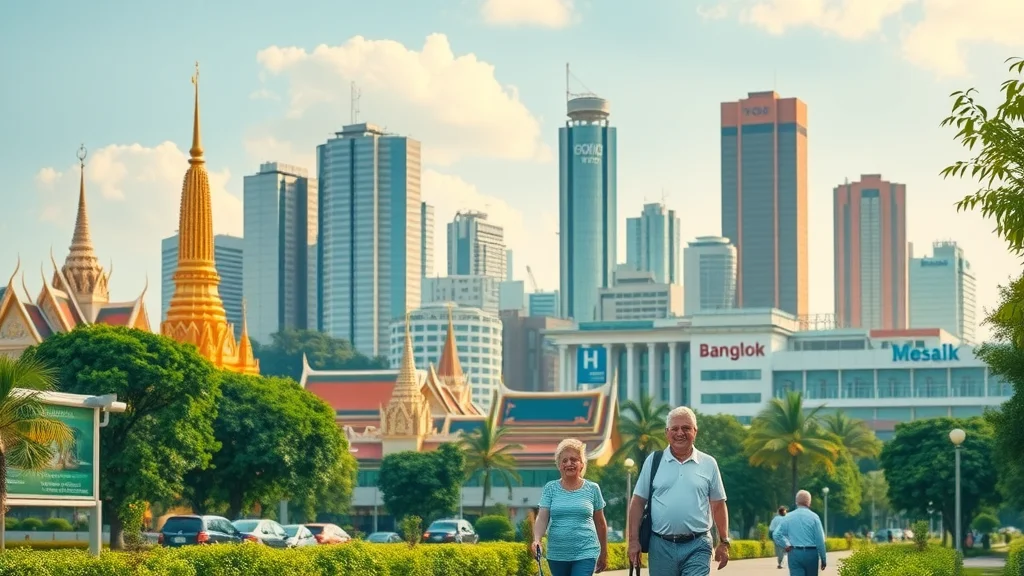
Vibrant cityscape of Bangkok featuring modern hospitals and retirees enjoying the area, showcasing top medical facilities in Thailand for retirees

What You’ll Learn About Medical Facilities in Thailand for Retirees

  • Key cities with outstanding healthcare and nursing homes
  • The costs and options for elderly care homes
  • Requirements for health insurance and retirement visas
  • Comparisons of public versus private hospitals in Thailand
  • Expert tips for choosing the right medical facilities in Thailand for retirees

Why Medical Facilities in Thailand for Retirees Stand Out Globally

The Rising Demand: Retire in Thailand and Senior Living Trends

  • Golden years and the appeal of nursing care in Thailand
  • Senior living for retirees seeking quality of life

For retirees dreaming of their golden years in paradise, Thailand offers not just sandy beaches and friendly faces, but a robust, internationally-accredited medical care system. The country’s senior living options rival those in Western countries, offering personalized nursing care, on-site medical staff, and a range of alternative and holistic treatments. Cities like Chiang Mai, Hua Hin, and Bangkok have become magnets for retirees seeking both peace of mind and affordable, high-standard elderly care.

The trend isn’t just about affordability; it’s about trust, standards, and lifestyle. Thailand is famous for its hospitality, and that extends to its approach to healthcare and retirement communities. With English-speaking staff in most major facilities, Western-educated doctors, and a culture that honors seniors, retirees quickly find comfort. Additionally, retirement visa policies and expanding private insurance options make the entire process more accessible for expats eager to retire in Thailand with confidence.

Serene group of retirees in a lush Thai garden within a modern assisted living facility, showing content residents supported by attentive staff in Thailand’s elderly care setting

Best Cities for Medical Facilities in Thailand for Retirees

Bangkok: The Hub of World-Class Hospitals in Thailand

"Bangkok's international medical facilities and English-speaking staff attract retirees worldwide seeking medical facilities in Thailand for retirees."

At the center of Thailand’s healthcare boom is Bangkok, home to internationally certified private hospitals, renowned for their advanced technology, multilingual staff, and a high standard of nursing care. Facilities like Bumrungrad International, Bangkok Hospital, and Samitivej attract retirees seeking peace of mind, quick treatment, and health assurance in their golden years. Many expat families choose Bangkok for the convenience of major international airports and proximity to embassies, shopping, and thriving expat communities.

For retirees, the city offers a blend of care homes, nursing homes, and assisted living options that cater to a wide range of needs—from independent lifestyles to full-time nursing. The availability of specialized services, including chronic disease management, rehabilitation, and even on-site alternative medicine, ensures every retiree can customize their elderly care journey to their preferences.

Chiang Mai: Tranquil Living and Excellent Elderly Care Options

  • Overview of care home and nursing homes choices
  • Access to assisted living and nursing care services

Chiang Mai has emerged as a favorite among retirees seeking a quieter, more scenic lifestyle coupled with exceptional medical care. The city’s relaxed northern vibe, lower cost of living, and vibrant community atmosphere make it perfect for those looking for personalized attention in their golden years. Nursing homes and assisted living facilities in Chiang Mai are often set amidst nature, providing tranquil spaces that promote wellbeing and peace.

Chiang Mai offers a diverse choice of nursing care—from upscale, Western-managed residences to Thai-style care homes known for their warmth and attentive support. Many facilities also provide tailored physical therapy, dementia care, and 24/7 nursing, making the city a comprehensive destination for retirees seeking all levels of service. English-speaking staff and international medical standards are widely accessible, easing the transition for expat residents and visiting families.

Hua Hin: Resort Towns with Renowned Nursing Homes and Care Homes

  • Availability of specialized elderly care
  • Appeal for retirees seeking peaceful environments

If your golden years vision includes fresh sea air and peaceful mornings, Hua Hin is renowned for its blend of resort ambiance and outstanding elderly care. This beachside town is celebrated by expatriates not just for its scenery, but for facilities offering specialized nursing, rehabilitation, and assisted living services. Hua Hin’s nursing homes attract retirees seeking comfort, community, and access to highly trained healthcare professionals, including English-speaking staff.

The combination of resort-style comfort and comprehensive medical care is particularly appealing to those prioritizing tranquility, social interaction, and immediate access to emergency or ongoing health support. Many care homes and retirement villages here include health-centered amenities such as wellness centers, pools, private gardens, and recreation programs—ensuring that both physical and mental wellbeing are front and center for every retiree.

Tranquil elderly care home in Chiang Mai with content expats and lush gardens, reflecting the excellence in Thai nursing homes and assisted living

Types of Medical Facilities in Thailand for Retirees

Comparison of Hospital, Nursing Home, Assisted Living, and Care Home Options for Retirees
Facility Type Main Features Care Level Typical Cost (USD/month) English-Speaking Staff?
Private Hospital Advanced procedures, Western standards, short wait times Acute/complex medical care 600–1000+ Yes, widely available
Public Hospital Government-subsidized, basic amenities, longer wait General medical services 50–300 Limited in rural regions
Nursing Home 24/7 care, skilled nursing, social events High, medical/ADLs 1200–3000 Yes in top facilities
Assisted Living Personal care, meals, medication help Moderate, non-hospital 800–2200 Yes, especially in expat areas
Care Home Homelike setting, some medical support Basic to moderate 600–1500 Varies

Hospitals in Thailand: Private vs Public Options

When it comes to hospitals in Thailand, retirees can choose from sophisticated private hospitals or more economical public hospitals. Private hospitals in Thailand stand out for their speed, comfort, and medical technology, along with English-speaking staff and international patient liaisons. Public hospitals, though more affordable, serve mainly locals and may have longer wait times, fewer English-speaking personnel, and less comprehensive amenities, especially outside major cities.

For expats and retirees, Thailand offers peace of mind by providing reliable emergency care, top-tier specialists, and even telemedicine options in private medical facilities. While public health hospitals cover basic needs and emergencies at a fraction of the Western cost, many retirees opt for the convenience, privacy, and extra services of private hospitals in Thailand—even using insurance from home countries or local health insurance plans to offset costs.

Nursing Homes and Assisted Living Facilities

  • Specialized elderly care facilities for golden years
  • Differences in care cost and amenities

For those requiring higher levels of ongoing care, nursing homes and assisted living facilities offer round-the-clock medical oversight and personalized support. Nursing homes are suitable for seniors needing skilled nursing and rehabilitation, while assisted living caters to more independent retirees needing help with daily tasks like bathing or meals. The care level and cost will vary based on individual needs: Western-managed or major city options tend to command higher prices, but provide a standard of quality care, staff competency, and comfort that is among the best in Asia.

Many care homes in Thailand also specialize in dementia, Parkinson’s care, and palliative services, using care models that integrate both Western medical protocols and local Thai wellness traditions. Amenities may include social activities, fitness programs, garden spaces, and even transport for medical appointments or social outings. As with hospitals and clinics, retirees will find many facilities with English-speaking nurses and on-site doctors, ensuring comfort and communication throughout the golden years.

Modern private hospital lobby in Thailand with English-speaking staff assisting elderly patients, demonstrating top medical facilities in Thailand for retirees

Cost of Medical Facilities in Thailand for Retirees: What to Expect

Typical Care Cost and Health Insurance Requirements
Service Estimated Monthly Cost (USD) Insurance Needed?
Public Hospital 50–300 Not mandatory, but recommended
Private Hospital 600–1000+ Strongly advised
Assisted Living/Care Home 800–2200 Yes, especially for chronic care
Nursing Home 1200–3000 Yes, always required

Understanding Care Cost and Budgeting for Elderly Care

Thailand is renowned for delivering quality care at significantly lower costs than Western nations. However, the care cost depends on the type of facility, care level, and services required. Public hospitals remain the most affordable choice, while private sector hospitals, international clinics, and premium nursing homes in major cities command higher fees for advanced services and amenities. From daily care homes to comprehensive nursing care in specialized facilities, retirees should budget thoughtfully, considering additional costs for medication, rehabilitation, or long-term assistance.

Beyond elderly care fees, health insurance is an essential planning cornerstone. Retirees seeking peace of mind should look for comprehensive policies that cover hospital admissions, outpatient visits, and, ideally, long-term nursing or assisted living costs. Thailand offers several options for both local and international retirees, but requirements—including for the retirement visa—have changed in recent years. Being informed up front will make for a smoother retirement transition.

Mature couple reviewing medical bills and insurance paperwork in a cozy Thai apartment, exemplifying practical budgeting for care in Thailand

Navigating Health Insurance for Retirees Seeking Long-Term Care

Understanding and securing health insurance is vital for retirees aiming to stay long-term in Thailand, whether in a nursing home, assisted living, or simply enjoying senior living independently. Most private hospitals and elderly care facilities require proof of insurance upon admission, especially for extended stays. If you’re arranging residency via a retirement visa, Thai authorities mandate minimum insurance coverage that includes outpatient and inpatient care.

Insurance options for expats are plentiful, ranging from international providers to Thailand-based companies offering senior-specific plans—some extending coverage for those over 70. Thoroughly comparing policies, ensuring they match the minimum government and facility requirements, and planning for out-of-pocket costs will safeguard both your health and finances into your golden years.

Legal Requirements: Health Insurance and Retirement Visa for Medical Facilities in Thailand for Retirees

Obtaining a Retirement Visa: The Essentials

To legally retire and access medical facilities in Thailand for retirees, a retirement visa (often called the Non-O or Non-OA visa) is crucial. Applicants must be 50 or older and show proof of adequate income or savings—typically, at least 800,000 THB (~$22,000 USD) in a Thai bank or a monthly pension of 65,000 THB (~$1,800 USD).

In addition, retirees must show a valid health insurance policy that meets the latest minimum coverage requirements (including outpatient and inpatient coverage). Maintaining your visa and residency status requires timely renewals and medical check-ins at Thai immigration. A qualified legal advisor or visa consultant can simplify the application process and ensure smooth access to all levels of healthcare.

Minimum Health Insurance Coverage for Retirees

Since October 2019, Thailand officially requires retirement visa holders to carry health insurance for the length of their stay. Minimum coverage: 40,000 THB (~$1,150 USD) for outpatient care and 400,000 THB (~$11,500 USD) for inpatient hospital costs. Thai and international insurers offer plans meeting these regulations—including those tailored for senior expats and those with pre-existing conditions.

While public health insurance is limited for non-Thai citizens, most retirees prefer private insurance to ensure full access to premium facilities, fast treatment, and language support. Always confirm that your healthcare provider and care homes will accept your chosen insurance, and remember to check for age ceilings or exclusions in policy fine print.

Choosing the Right Nursing Home or Care Home in Thailand

  • How to evaluate nursing care and staffing quality
  • Red flags and must-have elderly care services

Selecting a nursing home or care home in Thailand requires careful assessment. Begin by verifying facility licensing, staff-to-patient ratios, and the presence of qualified, English-speaking doctors or nurses. Personal visits are vital: observe cleanliness, communication, and how residents are treated. Always ask about activities, social engagement opportunities, nutrition, and medical emergency processes.

Red flags include high staff turnover, language obstacles, lack of transparency about costs or care services, or poor communication with family members. Top care homes consistently demonstrate empathetic, attentive nursing care alongside active engagement, individual care plans, and clear channels for family involvement.

Friendly staff member and elderly patient sharing a supportive moment in an upscale Thai nursing home, highlighting attentive care services

Unique Features of Medical Facilities in Thailand for Retirees

  • English-speaking staff support
  • Specialization in chronic disease management and rehabilitation
  • Holistic approaches including alternative medicine

Medical facilities in Thailand for retirees stand out globally due to their blend of international medical practices and the renowned Thai hospitality. What sets many facilities apart is not just value for money, but the unique features embedded in the care model: English-speaking staff trained in Western protocols, in-house translators, and cultural adaptation training for smooth communication and comfort.

Many hospitals and care homes extend beyond conventional care, integrating alternative medicine—such as Thai massage, acupuncture, and herbal therapies—into chronic disease management or rehabilitation plans. This holistic approach is embraced by expats who desire comprehensive and personalized care throughout their retirement journey.

Elderly patient receives traditional Thai massage therapy in a clinical setting, reflecting Thailand’s holistic and comfortable approach to retiree care

The Role of Technology in Modern Medical Facilities in Thailand for Retirees

  • Telemedicine in hospitals in Thailand
  • Medical alert systems in care home setups

Thailand’s modern retirement care options are now powered by technology, elevating both safety and convenience. Telemedicine is standard in most leading private hospitals, letting retirees consult international specialists or conduct routine check-ups from the comfort of their care home or residence. Hospitals and assisted living centers employ electronic health records, smart medication reminders, and remote monitoring for chronic disease management.

Top nursing homes and care homes now offer wearable medical alert systems, mobility aids, and high-speed internet for video chats with doctors or loved ones. For tech-savvy retirees, these advancements mean greater autonomy, efficient emergency response, and continued connection with their families abroad.

Confident retiree engages in telemedicine consultation on a tablet in a Thai hospital, symbolizing cutting-edge care for elders

Testimonials: Real Experiences in Nursing Homes and Medical Facilities in Thailand for Retirees

"I found the nursing care here attentive, affordable, and far more personal than my home country—an ideal place to spend my golden years." – John, 76, retired expat in Chiang Mai

Real-life experiences consistently reinforce the reputation of medical facilities in Thailand for retirees. Many expats praise the personalized attention, cost savings, and cultural respect shown by both staff and the community. In cities like Chiang Mai, Hua Hin, and Bangkok, testimonials reveal retirees regaining confidence, independence, and peace of mind, knowing that they are well cared for in their golden years.

Families back home also commend the regular updates, video calls, and open visiting policies, which make long-term overseas care in Thailand a practical and emotionally rewarding option—especially for those previously concerned about distance or language. It's clear that those choosing Thailand for their retirement healthcare rarely look back.

People Also Ask: Medical Facilities in Thailand for Retirees

Can Americans get healthcare in Thailand?

Answer:

Yes, Americans can access medical facilities in Thailand for retirees, both public and private. Many hospitals in Thailand offer international services with English-speaking staff. Private medical facilities often provide faster treatment, while expats and retirees can also utilize public hospitals—though private health insurance is strongly advised.

Where do most Americans retire to in Thailand?

Answer:

Most Americans retire in Thailand to cities like Bangkok, Chiang Mai, Hua Hin, and Pattaya. These locations provide top-tier medical facilities in Thailand for retirees, access to international communities, and a diverse range of nursing homes and care home options.

Can a 70 year old get health insurance in Thailand?

Answer:

Yes, many Thai and international insurers offer coverage for those over 70. When applying for a retirement visa, proof of health insurance is required, especially for access to private hospitals and nursing homes in Thailand.

Can foreigners go to public hospitals in Thailand?

Answer:

Foreigners, including retirees, have access to public hospitals in Thailand. However, there may be longer wait times and Thai language barriers. Many retirees seeking medical facilities in Thailand for retirees prefer private hospitals for convenience and English-speaking staff.

Video Guide: Medical Facilities in Thailand for Retirees (Video 1 of 2)

Video Review: Comparing Top Nursing Homes and Elderly Care Options (Video 2 of 2)

FAQs: Medical Facilities in Thailand for Retirees

  • What is the average monthly cost of a care home in Thailand?
    The monthly cost for a care home ranges from $600 to $1,500 USD depending on the location, amenities, and care level. Premium options or those in major expat centers such as Chiang Mai and Hua Hin may be priced higher but often include Western standards and English-speaking staff.
  • Do medical facilities in Thailand for retirees accept international health insurance?
    Many top hospitals and care homes accept major international health insurance plans. Always confirm with your chosen provider whether your policy is accepted and if there are any direct billing arrangements in place.
  • Are there English-speaking doctors and nurses in Thai hospitals and care homes?
    Yes, most private hospitals, high-standard nursing homes, and care homes in expat-popular cities have English-speaking doctors, nurses, and staff to assist with all aspects of elderly care.
  • Is there a waiting list for top nursing homes in Thailand?
    High-quality nursing homes in major expat centers occasionally have waiting lists, especially for specialized care units. Early planning and contacting facilities directly is advised to secure your preferred residence.

Key Takeaways from Medical Facilities in Thailand for Retirees

  • Comprehensive coverage and quality care available for retirees
  • Significant savings vs many Western countries
  • Proper planning is essential for retirement visa and health insurance
  • Wide range of nursing homes and care home options across multiple cities

Share Your Experience and Join the Conversation

"Please like, share and comment on this article to help others make informed retirement decisions about medical facilities in Thailand for retirees."

Conclusion: Thailand stands as Southeast Asia’s premier destination for retirees seeking affordable, high-quality, and compassionate medical and elderly care. With the right planning, you can enjoy your golden years with the assurance of great healthcare and vibrant community support.


Healthcare & Wellness for Expat Retirees

0 Views

0 Comments

Write A Comment

*
*
Related Posts All Posts
01.19.2026

Healthcare Options for Expats: Discover Your Best Path to Health

Startling Statistic: Did you know that over 10 million people move abroad every year, and more than 60% feel confused and stressed when figuring out how to get healthcare and insurance in their new country? This guide unpacks all healthcare options for expats so you can secure peace of mind and enjoy your time living abroad with confidence Startling Statistics: The Global Reality of Healthcare Options for Expats According to the World Health Organization, over 10 million people relocate internationally each year, but more than 60% report confusion and stress when navigating expat health insurance and local healthcare systems. Why Understanding Healthcare Options for Expats Matters When Living Abroad Moving to a new country brings excitement—and unique healthcare decisions. If you don’t have a solid health plan, a medical emergency can quickly become both costly and stressful. Expats often find themselves navigating between local national healthcare systems and a range of private or international insurance solutions that can impact access to quality healthcare, cost of a hospital stay, and continuity of medical cover. For long-term expat health and well-being, understanding which healthcare options for expats are available is vital. Being informed can mean the difference between receiving prompt medical care in an emergency and struggling to access essential services. As healthcare systems, insurance requirements, and legal frameworks differ by country, making the wrong choice can create complications that affect not only your own health, but your family’s, too. Choosing the right solution helps you focus on adventure, not anxiety, during your time living abroad. What You’ll Learn About Healthcare Options for Expats The key types of healthcare options for expats and their pros/cons How to choose the right health insurance plan The difference between national and international health coverage Tips for securing medical care during a hospital stay or emergency Peace of mind strategies for living abroad Overview: Key Healthcare Options for Expats Worldwide National Healthcare Systems International Health Insurance Plans Expat Health Insurance Policies Travel Insurance with Medical Coverage Private Health Insurance Plans Comparison of Healthcare Options for Expats Option Main Benefit Key Limitation National Health Low cost, easy access Not always available to expats Expat Health Insurance Tailored coverage May be expensive International Health Insurance Global flexibility Policy exclusions Travel Insurance with Medical Emergency focus Short-term only Private Insurance Plan Comprehensive, fast access Most costly National Healthcare Systems and Expat Health Coverage Accessing National Health Insurance as an Expat Many countries offer national health insurance designed to provide residents with reliable medical coverage at little or no cost. However, as an expat, your eligibility often depends on factors such as visa status, length of stay, and employment. While local national healthcare systems can deliver excellent medical services, applying as a foreign resident might mean dealing with significant bureaucracy and, sometimes, language barriers. In many cases, expats must register with local authorities, obtain a residence card, and sometimes contribute to the national health system to access public hospitals and clinics. In popular expat destinations like France, Spain, or Germany, some regions allow foreigners to enroll in the national health system after a certain waiting period. Understanding the entry requirements and timelines is key before relying solely on this option. Limitations of Local National Healthcare for Expats While the quality of care under many national healthcare systems is high, expats can encounter substantial delays. Waiting lists for non-urgent medical care or specialist appointments may be long, especially in countries with government-funded systems. If your residency is not yet formalized or if you are on a short-term visa, access may be limited or unavailable, requiring you to pay for medical services out of pocket. "While national healthcare systems provide excellent medical care in many countries, expats often face paperwork barriers and longer waiting times." – International Insurance Association Understanding Expat Health Insurance and International Health Insurance Plans What Is Expat Health Insurance? Expat health insurance policies are tailored specifically for those living abroad—whether you’re relocating for work, retirement, or an extended adventure. These insurance plans typically offer coverage for local and international medical care, routine checkups, and emergencies. Unlike standard travel insurance, which is short-term and emergency-focused, expat health plans provide longer-term protection and can include benefits like mental health, maternity, or dental services. Choosing a plan involves weighing your specific needs, such as how often you expect to travel between countries, your family status, and any pre-existing medical conditions. With the right expat health policy, you can safeguard your health and finances against unexpected issues during a hospital stay or medical evacuation abroad. International Health Insurance vs. Local Health Insurance for Expats International health insurance offers unmatched flexibility for expats who move frequently or want global medical access. These plans are recognized at private hospitals and clinics in multiple countries, providing peace of mind even if you need serious treatment far from home. In contrast, local insurance plans often only cover you in one country and may not address unique concerns expats face, like medical evacuation, language support, or navigating different healthcare systems. The main decision factors are geographic scope, benefit limits, and the process to claim or find approved hospitals. If your job, lifestyle, or family means crossing borders often, international health insurance delivers the strongest continuity and consistent rules regardless of location, making it ideal for true global citizens. Comparing Health Insurance Plans: Cost, Coverage, and Peace of Mind Features of Expat vs International Health Insurance Feature Expat Health Insurance International Health Insurance Geographic Coverage Country or region specific Global Hospital Stay Limits Sometimes limited Typically comprehensive Medical Evacuation Optional add-on Often included Private Health Insurance Plans for Expats When Should Expats Consider Private Health Insurance? Private health insurance is a strong option if you desire greater control and speed over your medical care, especially in countries where national systems can be slow or restrictive for foreigners. Expats often consider private medical insurance when they want access to a wider network of hospitals, English-speaking doctors, or specialized services not included in government plans. It is also ideal for families with children, expatriates with pre-existing health needs, or anyone who wants to bypass long waiting times. While private insurance plans typically cost more, they deliver enhanced benefits such as private rooms for hospital stays, mental health services, and international options for treatment—an investment in comfort and peace of mind when living abroad. Comparing Medical Insurance and Medical Coverage Options Comparing medical insurance requires looking at not just premium costs, but also deductibles, benefit caps, and exclusions. Some plans include extensive medical coverage for chronic illnesses, while others might exclude certain conditions or medications. Review plan networks to ensure quality medical care is available near your home or workplace in your foreign country. When comparing options, also consider services like direct billing, bilingual customer service, and add-ons such as dental, maternity, or wellness care. Finding the right balance between cost and comprehensive coverage means you’ll have fewer worries if you or family face an unexpected medical event—or just need routine check-ups abroad. Travel Insurance with Medical Coverage: Short-term Health Solutions for Expats Travel Insurance vs. Expat Health Insurance: Which Should You Choose While Living Abroad? Travel insurance with medical coverage is ideal for short-term expats, digital nomads, and frequent travelers. Most travel insurance plans focus on emergencies, providing limited cover for illness or injury during your trip—including doctor visits, hospital stays, and emergency medical evacuation. However, coverage durations usually stop after 30–180 days, making these plans less suitable for long-term residents. In comparison, expat health insurance is designed for ongoing protection while living abroad. These plans have fewer nationality or citizenship restrictions, cover a wider range of routine and chronic care, and simplify claims processing for permanent or semi-permanent residents. Choosing between them depends on how long you’ll stay and your risk tolerance for unexpected medical costs abroad. Medical Evacuation and Emergency Hospital Stays: Are You Covered? Not all policies include medical evacuation or repatriation—the crucial support that brings you to the nearest safe hospital, even across borders, if serious illness or injury strikes. Review each insurance plan’s terms: Some travel or international health insurance plans pay upfront for emergency transits, while others require reimbursement. If you’re based in a region with less developed healthcare infrastructure, these services could be the difference between life and death. Confirm if your health insurance plan also covers emergency hospital stay costs, ambulance fees, and translation support, especially if you don’t speak the local language. Evaluating Healthcare Systems for Expats in Popular Destinations Top Countries with the Best Healthcare for Expats Some countries continuously rank among the best for expat health and overall quality healthcare. Whether through advanced facilities, government support, or access to universal medicine, these nations attract thousands seeking strong medical infrastructure. France, Spain, Germany, Thailand, and Australia are leaders in delivering accessible and reliable medical care for expats. Factors considered in rankings include: scope of coverage for expats, ease of enrolling in public or private plans, language support, and out-of-pocket costs. For instance, France’s “sécurité sociale” covers basic needs for qualified residents, while private “mutuelle” supplements are widely available. Australia and Germany have similar dual-system approaches, creating robust safety nets for expats who register with the local authorities. Countries with Free or Low-Cost National Healthcare Systems France Spain Germany Thailand Australia Choosing the Right Health Insurance Plan as an Expat Key Factors: Cost, Pre-existing Conditions, Hospital Stay, and Medical Coverage Finding your ideal insurance plan starts with your budget, health history, and personal circumstances. Compare premium costs, deductibles, and annual or lifetime limits. Disclosure of pre-existing medical conditions is critical; many insurers impose waiting periods or exclude certain chronic illnesses, so read policy terms closely. Look for coverage of hospital stays, maternity, pediatric services, and mental health—plus the security of knowing emergency medical evacuation is included. If you have dependents, confirm if family medical cover, preventive checkups, and vaccinations are part of the package. Balancing all these needs helps you experience true peace of mind while living abroad. Tips for Comparing Health Insurance Plans for Expats Assess your travel pattern: Frequent border-hopping? Choose global medical cover. Check for direct billing: Avoid paying large sums upfront by picking an insurer with strong local hospital networks. Look for multilingual support: Customer service in your language eases claims and emergencies. Read reviews: Other expats’ experiences with claims and service help you pick reliable plans. Ask about add-ons: Maternity, dental, or mental health might be extra. Decide what matters most to you and your family. Special Health Considerations for Expats: Pre-existing Conditions, Family Coverage, and Maternity Care Ensuring Medical Care and Coverage When Living Abroad with Family Moving as a family involves extra steps for medical care—children’s checkups, vaccinations, and sometimes specialist visits for chronic conditions or allergies. Many health insurance plans offer multi-person or family discounts. Review those to ensure every dependent is covered before you move. Some expat-focused insurance plans let you add family members during policy renewal or after certain life events like birth or marriage, often with relevant documentation. Ensuring continuous, comprehensive cover keeps your loved ones safe wherever work, play, or school lead you across borders. Maternity and Child Health Services under Expat Health Insurance If you’re growing your family while living abroad, check if your employer or personal insurance plan covers maternity costs. Many plans require waiting periods of 10–12 months, so enroll early. Look for coverage of prenatal visits, delivery (including cesarean), newborn care, and postnatal support. Some policies also support child vaccinations and pediatrician visits. For adopted children or stepchildren, ask about documentation and eligibility under your current plan. Knowing your family is protected—no matter the health scenario—delivers invaluable peace of mind for expat parents. Peace of Mind: How the Right Healthcare Options for Expats Enhance Quality of Life Mental Health and Wellbeing for Expats Expat life can pose unique stresses, including cultural adjustment, homesickness, and social isolation. Mental health support is no longer optional—look for health insurance plans that specifically include counseling, psychiatric treatment, or teletherapy. Many international insurers now recognize that true quality health means holistic care, encompassing both mind and body. Accessing mental health care is easier than ever with digital tools and telehealth platforms. Finding an insurer that proactively covers these services, even in multiple languages, provides meaningful support as you navigate new experiences abroad. Remote and Telemedicine Health Support Options Telemedicine—virtual doctor appointments, digital prescriptions, and online health portals—offers flexibility and comfort for expats dealing with minor illnesses, routine questions, or prescription refills. Many modern health plans now include virtual care as a standard benefit, helping you receive advice and treatment without language or location barriers. This option is especially valuable if you’re in a remote area or your healthcare system has long waits for in-person care. Telehealth brings peace of mind, ensuring you have expert support at your fingertips wherever you may be. How Do Expats Get Healthcare? Healthcare Options for Expats: Step-by-Step Access Guide Research destination country’s rules for expat health insurance and access to national health. Evaluate your medical needs, medical history, and family status. Compare insurance plans—prioritize international flexibility, benefit limits, and hospital networks. Enroll in chosen medical insurance or register with the local health system (if eligible). Keep key documents (policy, ID, medical records) secure for emergencies or hospital stay needs. "Getting health insurance as an expat is your most important investment when moving abroad." – Global Expat Health Expert Which Country Has the Best Healthcare for Expats? Healthcare System Rankings for Expats – What the Data Shows International surveys consistently rank France, Spain, Germany, and Australia among the best for expat healthcare—offering affordable or even free care, short wait times, and user-friendly expat healthcare support. Thailand is popular among retirees for quality private care at low cost. Choose based on access, language, quality, and your specific health needs for the best experience living abroad. What Is the Best Health Insurance for Expats? International Health Insurance and Expat Health Insurance: Market Leaders Reviewed The best health insurance depends on personal and family needs, length of stay, and countries visited. Leading international health insurance plans include Cigna Global, Allianz Worldwide Care, Bupa Global, and AXA PPP International. For localized expat health insurance, companies like Aetna International or GeoBlue are respected for service and claims support. Compare providers based on premiums, exclusions, support in multiple languages, direct billing, and customer service. No single plan fits every scenario, but market leaders stand out with strong networks and reliable support worldwide. What Do American Expats Do for Health Insurance? Popular Health Plans and Common Challenges for U.S. Citizens Living Abroad Most American expats cannot use their home country health plans overseas and must purchase medical insurance tailored to the region or an international health insurance policy. U.S. citizens face unique challenges: pre-existing condition clauses, expensive repatriation coverage, and limits on coverage within the United States while traveling. Common solutions include specialized plans from GeoBlue, IMG Global, and Cigna. Many also pair a health plan abroad with short-term travel insurance for U.S. visits. It’s critical to review tax implications and policy restrictions before canceling U.S. coverage or moving permanently. Authentic scene of expats from diverse backgrounds chatting about health insurance and care over coffee—real laughs and real talk about hospital stays, language barriers, and peace of mind while living abroad. Actionable advice and comparison strategies for choosing the best expat health insurance, told through quick interviews, animations, and insurance advisor insights. Frequently Asked Questions About Healthcare Options for Expats Are pre-existing health conditions covered by expat health insurance? Many expat health insurance policies cover pre-existing conditions, but often require a medical history review and may impose waiting periods or premium surcharges. Always check policy terms before enrolling. Can expats use local health services without insurance? In some countries, you can pay out of pocket for medical services. However, costs may be high and access limited, so comprehensive coverage or enrolling in the national health system (if eligible) is recommended for emergencies. What happens during a medical evacuation abroad? If you suffer a severe medical event, your insurer arranges for safe transportation to the nearest advanced medical facility, often including air ambulance and translation support, covered by your evacuation benefit. What are the waiting periods for new policies? Most insurance plans enforce waiting periods (from a few weeks to a year) for certain treatments (e.g., maternity or pre-existing conditions). Check policy details closely to avoid surprises during your hospital stay. Are children and dependents covered? Many expat insurance plans offer family or dependent cover, either bundled or as add-ons. Ask your insurer how and when dependents can be added, especially after birth, adoption, or marriage. Key Takeaways: Choosing the Right Healthcare Options for Expats Investigate both national health and expat health insurance options Compare flexibility and medical coverage in health insurance plans Don’t overlook emergency and evacuation benefits Final Guidance on Healthcare Options for Expats "Comprehensive healthcare is your passport to peace of mind and the freedom to explore the world safely." Share Your Story and Help Others Discover the Best Healthcare Options for Expats Please like, share and comment on this article

01.18.2026

Thailand Health Insurance for Expats: Avoid Costly Mistakes Now

Did you know that over 60% of expats in Thailand have either overpaid or encountered unexpected exclusions in their health insurance policy? Whether you’re planning to settle long-term or just arrived in the Land of Smiles, understanding Thailand health insurance for expats is critical to avoiding unexpected expenses and securing peace of mind Discover the Startling Reality of Thailand Health Insurance for Expats The increasing costs of healthcare in Thailand for expats Common pitfalls and mistakes expats face with health insurance in Thailand "Did you know that over 60% of expats in Thailand have either overpaid or encountered unexpected exclusions in their health insurance policy?" With Thailand’s reputation for world-class private hospitals and comparatively affordable medical care, many expats assume their health needs are covered. However, rising medical expenses across the country and complex insurance policies often catch foreigners off guard. Overlooking exclusions or failing to understand the scope of your health insurance plan can leave you vulnerable to high out-of-pocket costs during emergencies. To help you navigate the Thai healthcare system as a foreigner, it’s crucial to be aware of the key factors influencing your coverage and how to select the right plan. What You’ll Learn About Thailand Health Insurance for Expats How to choose the best health insurance plan in Thailand for expats Key differences between national health and private insurance in thailand Step-by-step on how to avoid the most common insurance mistakes Practical insights on the healthcare system and hospitals in thailand This guide unpacks practical steps for comparing insurance plans, spotting exclusions, and getting the coverage you truly need. You’ll gain actionable tips to sidestep expensive missteps and ensure your health, finances, and peace of mind are fully protected while living in Thailand. Overview of Thailand Health Insurance for Expats Why Health Insurance is Essential for Expats in Thailand As an expat, securing the right thailand health insurance for expats is more than just a recommendation—it’s a necessity for your own well-being and, increasingly, a legal requirement for long-term stays. Many hospitals, especially private hospitals in Thailand, require proof of insurance or advance payment before admission. Even minor emergencies or routine care at a private medical facility can become financially burdensome without an appropriate insurance plan. The potential for costly out-of-pocket expenses, language barriers, or medical misunderstanding make comprehensive coverage absolutely crucial. Moreover, possessing valid health insurance is now a requirement for several visa types, including retirement and certain non-immigrant visas, underscoring its vital role for expat health and legal compliance. Investing in a robust plan is about more than just financial protection. It offers the reassurance that, should you face a health scare or need specialist treatment, you will get the best care without delay. With international health insurance or a well-structured local policy, you gain access to top-tier private hospitals, English-speaking doctors, and streamlined payments—all vital components for peace of mind abroad. Understanding Thailand’s Healthcare System for Expats Thailand’s healthcare system is renowned for its high standard, with modern facilities and skilled professionals in both public and private sectors. While the public health system is affordable and largely accessible to Thai citizens, expats may find limitations, such as long wait times, basic amenities, or language barriers in public hospitals. Private healthcare, on the other hand, offers superior comfort, shorter wait times, and medical staff accustomed to working with foreigners—but at a much higher price point. Most expats find that private health insurance provides the health coverage flexibility and service quality they expect. While government-backed healthcare like the universal coverage scheme is excellent for Thai nationals, expats rely on a mix of private insurance, international policies, and, in limited cases, employer-sponsored health plans to cover health expenses in Thailand. Understanding these differences is crucial to selecting the best plan for your circumstances. Public Health vs Private Health Insurance in Thailand The distinction between public health (national health insurance) and private health insurance is crucial for expats. The public health sector in Thailand, underpinned by the universal coverage scheme, offers subsidized care but is mostly tailored for Thai citizens and registered employees under the social security system. Public hospitals often provide essential services, but with fewer amenities and less English-language support. In contrast, private health insurance enables expats to access modern, well-equipped hospitals with English-speaking doctors, personalized care, and state-of-the-art facilities. Private insurance is highly customizable, catering to a wide range of budgets and health concerns. However, plans can be complex, and policies may contain exclusions or waiting periods, making it imperative to read the fine print or seek expert advice before enrolling. Thailand’s National Health System and What Expats Need to Know Thailand’s national health system, known for its efficiency and affordability, is geared primarily toward Thai nationals, but some expats employed by Thai companies may access public health via the social security system. This coverage generally includes basic outpatient and inpatient services but may not extend to advanced care or larger, private hospital networks. Most non-employed expats are ineligible for the state’s comprehensive health insurance and therefore must secure private or international health insurance in Thailand. For retirees and long-stay residents, proof of private health insurance is often a visa requirement, and relying solely on the public system can result in limited access or hefty medical bills for complex procedures. Understanding the boundaries of the national health insurance system is essential for responsible long-term planning. "Having the right thailand health insurance for expats is a non-negotiable for security and legal compliance." Types of Thailand Health Insurance for Expats International Health Insurance for Expats in Thailand International health insurance plans are designed for globally-mobile individuals. These plans offer coverage both in Thailand and abroad, which is essential for expats who split their time between countries, travel frequently, or may return home for treatment. International providers like Cigna, Allianz, and Bupa offer plans tailored to expats’ needs, including emergency evacuation, worldwide hospitalization, comprehensive outpatient cover, and preventive check-ups. The extensive network of partner hospitals also facilitates direct billing and cashless treatment experiences, increasing convenience. While these benefits come at a premium, international health insurance features broader coverage limits, flexibility in choosing hospitals, and higher annual caps, making them suitable for those seeking top-tier service and true global mobility. Selecting the right international plan demands careful comparison—Factor in your country of residence, travel patterns, and any pre-existing health conditions. National Health Insurance and Social Security Coverage for Expats Some expats employed by Thai companies participate in the national health insurance system via the Social Security Act. With monthly deductions, employees become eligible to receive basic health care in public hospitals, including primary and emergency care, maternity, and some specialist services. This government-backed coverage, while cost-effective, often comes with strict limitations: coverage usually applies only at a designated public hospital, and certain advanced procedures or luxury amenities are not included. Self-employed expats or retirees typically do not qualify for the national health system. For those who do, it’s essential to understand exactly what is—and isn’t—covered under the social security scheme to avoid unexpected bills or denial of care at your preferred medical facility. Expat Health Insurance Plans: Private Providers Private health insurance providers in Thailand cater specifically to the expat and foreign resident community. Local companies like Pacific Cross and Luma, as well as international firms partnered with Thai hospitals, offer plans with a variety of benefits: inpatient and outpatient cover, dental and vision benefits, maternity, and even wellness programs. These plans can be customized to suit your age, health status, and budget. Unlike the government scheme, private insurance plans usually offer a greater selection of hospitals (including premier private hospitals), direct-billing options, and more languages for customer support. When considering these plans, carefully compare premiums, coverage networks, exclusions, and claim processes. Working with an experienced insurance broker can provide clarity and help you avoid costly mistakes. Comparing Health Insurance Plans: Benefits and Limitations When evaluating insurance plans, understanding both the benefits and limitations is key. International and private plans typically offer broader coverage and access to a wider range of hospitals, but at higher premium costs. These plans often include wellness benefits, prescription drugs, maternity, and dental, and sometimes even mental health counseling. However, premium plans may require medical underwriting, have waiting periods, or exclude pre-existing conditions. National health insurance (via social security) is more affordable but restricts access primarily to public hospitals, with limited English-language support and less comprehensive benefits. No matter which category you select, always review exclusions, annual or lifetime caps, and network hospital lists. Comparing coverage features side by side will help you pinpoint a plan that meets your medical needs and financial comfort. Comparison of Health Insurance Types for Expats Insurance Type Eligibility Coverage Scope Hospital Access Typical Premium International Health Insurance All expats Worldwide (including Thailand) All major private hospitals & global network ฿60,000–฿250,000+/year National Health Insurance (Social Security) Employees of Thai companies Basic care, mostly public hospitals Designated public hospital ฿0 (employee deduction) Private Health Insurance (Local Providers) Residents & expats Thailand only Choice of private/public hospitals (network list) ฿20,000–฿100,000+/year How to Choose the Best Health Insurance Plan in Thailand for Expats Key Factors to Consider in a Thailand Health Insurance Policy Choosing the right health insurance plan in Thailand depends on several critical factors: your age, medical history, length of stay, visa requirements, and desired hospital network. Coverage for outpatient treatment, chronic conditions, maternity, emergency evacuation, or direct billing at preferred hospitals are common wish-list items among expats. Pay special attention to exclusions, claim procedures, and waiting periods—these are frequent problem areas for expat health insurance. It’s also wise to consider whether you may need treatment outside of Thailand, making international portability a must-have feature for some. Depending on your long-term strategy (retirement, family, work), tailor your plan so you’re not paying for unnecessary extras or, worse, missing vital coverage. Steps to Evaluate Health Insurance Plans Evaluating insurance plans involves more than comparing premiums. Start by listing your primary healthcare needs and budget, then research provider reputations and claim processes. Compare benefit schedules in detail—look for limits on major surgeries or hospital stays, and ask for examples of recent claim experiences. Use online comparison tools or engage a reputable insurance broker who understands the evolving landscape of health insurance in Thailand for expats. Don’t rush the process. Scrutinize network hospital lists, double-check exclusions, and clarify the extent of cashless benefits (direct billing) for different treatments. Ensure the provider is recognized by top hospitals in Thailand and that English-speaking support is available. If in doubt, consult experienced expats or community forums for recommendations and warnings about specific providers. Top Mistakes Expats Make When Choosing Health Insurance in Thailand Among the most common—and costly—errors are underestimating coverage exclusions, neglecting to clarify pre-existing condition policies, and choosing plans solely based on the lowest premium. Other pitfalls include assuming all hospitals accept your insurer, failing to understand the claim process, or ignoring the impact of age and renewability limits. Relying on word of mouth without research, or misunderstanding visa requirements for private health cover, can put your expat status at risk. Always insist on full documentation in English, request clear explanations for exclusions, and review policy updates annually. Avoid plans with unclear terms or complex jargon. If a deal looks too good to be true, consult fellow expats or a third-party professional. Checklist for Evaluating Health Insurance in Thailand: Does the plan meet Thai visa requirements? Are your preferred hospitals in the network? What are the exclusions and deductibles? Is there direct billing (cashless treatment)? Are claims processed efficiently and in English? How are pre-existing conditions handled? Can you renew the plan annually, regardless of age? "Always check for coverage exclusions and limitations before signing your health insurance plan." Understanding Health Coverage and Exclusions for Expats What Does Expat Health Insurance Usually Cover in Thailand? Most expat health insurance policies in Thailand cover inpatient and outpatient treatment, specialist consultations, surgery, emergency care, and, for international plans, repatriation or evacuation. Comprehensive policies may include dental, maternity, chronic or critical illness care, and even wellness check-ups. Some private health plans offer extras such as mental health support or additional therapies. However, coverage details can vary drastically. Some policies only cover treatment at select hospital networks, while others place annual caps on claims or require co-payment for certain procedures. Always clarify with your provider what’s included before finalizing your choice. Common Exclusions and Limits in Health Insurance Plans Exclusions and claim limits are where many expats are tripped up. Typical exclusions include pre-existing conditions, cosmetic surgery, HIV/AIDS, infertility treatments, and injuries resulting from high-risk activities. Some plans exclude psychiatric care or impose waiting periods for specific illnesses. Age caps, annual limits, and restrictions on expensive treatments also commonly appear in the fine print. These exclusions can lead to significant financial burdens if left unchecked. Ensure you request a full, written list of exclusions (in English), and consider professional advice if your health status is complex or you have specific needs. Typical exclusions found in expat health insurance policies: Pre-existing conditions Dental and vision (unless specifically included) Chronic mental health conditions Pregnancy or maternity cover (unless included) Elective or cosmetic procedures Injuries from hazardous sports/activities War or civil unrest-related injuries "Don’t assume your policy covers everything—understand the fine print on health coverage." Thailand’s Medical System and Hospital Access for Expats Public vs Private Hospitals in Thailand Expats in Thailand have access to both public hospitals, which serve the general Thai population, and private hospitals, renowned for their international standards. Public facilities offer essential treatments at a vastly reduced cost, but expect longer waits, less privacy, and basic amenities. Language barriers are also more prominent in government hospitals. Private hospitals like Bumrungrad, Bangkok Hospital, and Samitivej cater to international patients with personalized care, high-end amenities, and multilingual staff. These facilities come at a premium but deliver peace of mind for urgent or complex health issues, and will often facilitate direct billing with major insurance providers. How Health Insurance Affects Hospital Access for Expats Your health insurance in Thailand directly determines the range and caliber of hospitals and medical facilities available to you. Comprehensive international and private plans allow access to top-tier private hospitals, seamless admission procedures, and efficient billing. Public insurance or social security options, on the other hand, often restrict your choices to a single nominated public hospital, making it less flexible in emergencies. Always verify with your insurer which hospitals are in-network before treatment, as off-network care may not be covered or may require up-front payment and later reimbursement. If you value prompt access, comfort, and English-speaking professionals, invest in a plan with a broad private hospital network. Top Hospitals in Thailand for Expats Many of Thailand’s private medical facilities are world-renowned and recognized by international insurers. Popular hospitals for expats include: Bumrungrad International Hospital (Bangkok) Bangkok Hospital (multiple locations) Samitivej Hospitals (Bangkok) BNH Hospital (Bangkok) Phuket International Hospital (Phuket) Chiang Mai Ram Hospital (Chiang Mai) These hospitals feature English-speaking staff, cutting-edge equipment, international patient departments, and experience with direct billing for global insurers. Prioritize selecting a plan that is accepted by these top-rated facilities for maximum convenience and quality of care. How Much Does Health Insurance Cost for Expats in Thailand? Factors Influencing Premiums for Thailand Health Insurance for Expats The cost of thailand health insurance for expats depends on multiple factors: age, level of coverage, geographic coverage (local vs international), pre-existing conditions, hospital network, and chosen deductibles. Higher-end international plans, offering comprehensive global care cover, generally come with higher premiums. Local private plans focused on treatment within Thailand tend to be more affordable but may have more exclusions or lower annual caps. Be aware that premiums typically rise with age, and certain risk factors (such as chronic illnesses) can lead to exclusions, loading fees, or even denial of coverage. Choosing a higher deductible or limiting your plan’s scope (e.g., inpatient only) helps reduce annual costs. Always balance affordability with sufficient coverage, especially for major illnesses or accidents. Average Cost Ranges: Private, International, and National Health Insurance To give you clarity, here’s what you can expect to pay for the main types of expat health insurance in Thailand: Comparison of Average Annual Premiums for Expat Health Insurance Plans Plan Type Annual Premium (Individual) Annual Premium (Family) Coverage Scope International Health Insurance ฿60,000–฿250,000+ ฿150,000–฿550,000+ Worldwide Private (Local) Health Insurance ฿20,000–฿100,000 ฿60,000–฿220,000 Thailand only National Health (Social Security) Employee payroll deduction (≈฿2,000/year) Not applicable Public hospitals only Money-saving tips for securing affordable health insurance in Thailand: Compare several plans before committing—don’t default to the cheapest! Consider group or family packages for discounts Opt for plans with higher deductibles if you’re healthy Review your plan every year and adjust as your needs change Work with a broker to identify special expat offers or network bonuses How Can an American Get Health Insurance in Thailand? Requirements and Documentation Needed for Health Insurance For Americans (and other foreign nationals), obtaining thailand health insurance for expats typically involves presenting a valid passport, visa, proof of residence in Thailand, and sometimes a medical questionnaire or exam. If you are securing insurance as part of a retirement or long-stay visa application, you may also need to submit proof of your financial status and evidence of a compliant health insurance plan. Most insurance companies in Thailand accommodate foreign applicants, providing bilingual support and policy documents in English. If you have pre-existing conditions or are of advanced age, be prepared for higher premiums or potential coverage restrictions. Process for Applying for Health Insurance in Thailand as an American Start by researching accredited insurance providers—both local and international—who specialize in expat health insurance. Collect quotes, review coverage details, and request sample policies before applying. Most insurers have online portals for easy application, or you can work through a licensed insurance broker for expert advice. Once your documents and medical forms are submitted, approval turnaround is often less than a week. For retirees or those on a long-stay visa, ensure your plan meets immigration requirements (minimum coverage limits and inpatient care). After approval, save all your policy paperwork, insurance card, and contact/support information for emergencies. Resources for American expats seeking health insurance in Thailand: Insurance company websites (Bupa Thailand, Luma, Pacific Cross) U.S. Embassy Thailand’s health insurance resources Licensed expat insurance brokers/agencies Online expat community forums Thailand Healthcare for Expats: What to Expect Quality of Care in the Thai Healthcare System Thailand’s healthcare system, especially in larger cities, meets or exceeds international standards, with many doctors receiving overseas training. Private hospitals offer rapid, high-quality care cover for nearly any medical condition, and Thailand’s status as a medical tourism hub means competition is high, pushing up quality and patient services. In public hospitals, expect efficient yet basic service, longer queues, and limited English. While emergency and essential care is good, you may have to travel to a bigger city or wait longer for specialist appointments. How Does the Healthcare System in Thailand Support Expats? Expats benefit from a wide range of healthcare options in Thailand. Private sector competition ensures investment in modern hospitals and international-standard care. Many facilities have dedicated international patient departments. However, expats must pay for these privileges—hence the critical importance of private or international health insurance in Thailand. While government healthcare is accessible in theory, in practice, most expats rely on private hospitals for both inpatient and outpatient care, and are responsible for ensuring their own coverage through compliant health insurance plans. Pros and cons of using the public health and private health systems as an expat: Public Health System: Low cost, good for emergencies, but long waits, basic amenities, language barriers. Private Health System: High quality, English-speaking staff, comfort, but expensive without insurance. Best International Health Insurance for Expats in Thailand Leading International Health Insurance Providers for Thailand Top choices for expats seeking international health insurance in Thailand include global brands with a presence or direct billing network in the region: Cigna Global, Allianz Worldwide Care, Bupa Global, AXA PPP, and Aetna International. These companies are known for robust networks, customizable plans, high benefit ceilings, and reliable English-language support. Local insurers with strong international ties, such as Luma and Pacific Cross, also provide tailored expat health plans with comprehensive options, wide hospital access, and competitive pricing. Coverage Options and Benefits for Expats International health plans generally offer: Extensive inpatient and outpatient coverage worldwide Coverage for chronic or pre-existing conditions (with specific terms) Direct billing at major hospitals Evacuation, repatriation, and travel assistance Maternity, dental, and wellness riders Multi-language support and claims assistance Always match the plan to your travel habits, health status, and visa requirements, and check for international portability if you may relocate in the future. How to Compare International Health Insurance Plans Start by assessing whether you need global coverage or only Thailand-based protection. Compare the network hospitals, emergency services, outpatient limits, and exclusions side by side. Check policy flexibility for adding family members or additional regions (ASEAN/global add-ons). Look out for customer service reviews, claims efficiency, and any hidden caps or restrictions. Online portals, specialized brokers, and community feedback are invaluable in identifying the real-world pros and cons of each provider. Popular international health insurance options for expats: Cigna Global Bupa International Allianz Care AXA PPP Luma Health Insurance Pacific Cross Mistakes to Avoid with Thailand Health Insurance for Expats Not Reviewing Your Insurance Policy Thoroughly One of the most frequent and expensive mistakes is signing an insurance policy without scrutinizing the exclusions, coverage limits, and claim conditions. Small print can hide waiting periods, annual claim caps, or denial of pre-existing conditions—all of which can result in major out-of-pocket expenses or denied claims. Always ask for a copy of the policy in English, and take time to understand or consult an expert about unclear terms. Regularly revisit your coverage as requirements or health status change, particularly at renewal. Missing Out on Social Security Benefits If employed by a Thai company, don’t neglect your entitlement to the social security healthcare system. Failing to register means losing access to subsidized health care in public hospitals—which, while basic, provides critical peace of mind for emergencies or routine visits. Confirm that your payroll deductions are registered and maintain records of your nominated hospital for social security claims. Underestimating the Importance of International Health Cover Expats with only local plans may overlook the need for international health cover, especially those who travel or may move again. Emergencies or planned treatments outside Thailand are not covered by local-only health insurance in Thailand, so international portability is essential for truly mobile expat lifestyles. Evaluate your lifestyle and travel patterns to make sure your plan is comprehensive enough for your needs—don’t just seek the cheapest offer. Quick reference: Top mistakes to avoid when buying health insurance for expats: Ignoring policy exclusions and annual caps Failing to register for social security (if employed) Buying based only on price, not coverage details Overlooking international privileges when needed Not confirming direct billing/hospital network access Neglecting to update policy as life circumstances change Key Takeaways: Thailand Health Insurance for Expats Thoroughly review and compare thailand health insurance for expats before purchase Private or international insurance is crucial for quality care and legal compliance Check exclusions, hospital access, and coverage limits in detail Be proactive with renewals and policy adjustments Secure comprehensive insurance for peace of mind, not just to meet visa rules Frequently Asked Questions on Thailand Health Insurance for Expats How much does health insurance cost for expats in Thailand? The cost depends on age, coverage level, and provider, but most expats can expect to pay between ฿20,000 and ฿250,000 per year for comprehensive private or international plans. Social Security health deductions (for those employed) are much lower, around ฿2,000–3,000 annually. Can an American get health insurance in Thailand? Yes. Americans can easily apply for health insurance through local or international providers in Thailand. Most companies accept foreign passport holders and provide English-language support for documentation and claims. How is healthcare in Thailand for expats? Healthcare in Thailand is of high quality, especially in private hospitals. Expats enjoy access to modern facilities, English-speaking staff, and efficient service—provided they have suitable health insurance coverage. Public hospitals are accessible but more basic, with longer waits and fewer English-speaking staff. What is the best international health insurance for expats? Top-rated international health insurance providers for expats in Thailand include Cigna Global, Allianz Care, Bupa International, AXA, Luma, and Pacific Cross. The “best” policy will depend on your individual needs, desired benefits, and travel requirements. Conclusion: Ensuring Peace of Mind with the Right Thailand Health Insurance for Expats "The right expat health insurance offers genuine peace of mind—don’t settle for less." Choose wisely, review carefully, and prioritize coverage to safeguard your well-being and financial security as an expat in Thailand. Share Your Experience or Ask Us: Thailand Health Insurance for Expats Please like, share and comment on this article

01.18.2026

Retiring in Thailand Medical Services: How to Get Quality Care Fast

Did you know? Over 150,000 foreigners currently enjoy their retirement years in Thailand, drawn not just by the warm climate, but by its world-class, affordable medical services designed for retirees Unlocking the Facts: Retiring in Thailand Medical Services Retiring in Thailand offers more than tropical relaxation; it unlocks access to modern, internationally accredited medical services designed for today’s retirees. Whether you’re concerned about accessing quality care or want a smooth experience from health checks to treatment, Thailand’s hospitals and clinics stand out as some of Asia’s best—often at a fraction of the cost found in Western countries. From bustling cities like Bangkok and Chiang Mai to idyllic beach towns, you’ll find no shortage of English-speaking doctors, modern facilities, and support services tailored to retirees. The foundation of this system is a clear, step-by-step process: retirees secure comprehensive medical insurance, navigate the straightforward retirement visa process, and access healthcare networks. With a combination of public health options and globally respected private hospitals, retirees in Thailand benefit from both affordability and top-notch medical expertise. Retiring in Thailand medical services is about convenience, peace of mind, and a thriving expat community—all key to a fulfilling retirement abroad. Startling Trends in Retiring in Thailand Medical Services Recent years show a remarkable rise in the number of retirees in Thailand, with international arrivals seeking out the country’s robust healthcare system for its value and standards. The proportion of retirees utilizing private hospitals has jumped, accounting for nearly two-thirds of foreign retiree patients. Moreover, international accreditation for Thai hospitals has surged, cementing the country’s reputation for medical excellence. Demand for healthcare cover, from medical insurance to tailored health checks, is higher than ever, reflecting the growing awareness among retirees about the availability and necessity of quality health insurance plans. This upward trend ensures most retirees get prompt, high-caliber care—making Thailand a leading destination for later-life living. "Over 150,000 foreigners currently enjoy their retirement years in Thailand, attracted by the affordable medical services and high standard of care." – International Living What You'll Learn About Retiring in Thailand Medical Services Comprehensive overview of medical services in Thailand for retirees Step-by-step process for accessing quality care quickly Key requirements for medical insurance and health insurance Relevant retirement visa procedures and documents The most recommended hospitals in Thailand for retirees Medical Insurance: The Foundation for Retiring in Thailand Medical Services Why Medical Insurance Is Essential for Retiring in Thailand Securing medical insurance is the single most critical step when considering retiring in Thailand. Not only does insurance offer peace of mind in case of emergencies or chronic health issues, but it’s now a requirement for the retirement visa process. With private health costs still far below those of Western countries, even comprehensive international coverage can be affordable. Without adequate health insurance, retirees would have to pay out-of-pocket for every doctor’s visit, prescription, or procedure—a risk that’s unnecessary given the variety of options available. A robust insurance plan assures you swift admission to top hospitals, access to specialized care, and coverage for unforeseen situations, making your experience stress-free. From minor ailments to complex surgeries, Thailand’s private and public hospitals accept both international and local health insurance policies. This means you can seamlessly transition from your home country’s system to a quality care structure designed to welcome new residents. Many expats report that having the right medical insurance has ensured they receive the timely, attentive health service they need—without worrying about finances or eligibility for treatment. Ultimately, a good insurance plan is about guaranteeing your well-being while enjoying life in Thailand. Options for Medical Insurance: Local vs. International Health Insurance When securing medical coverage, retirees face two primary choices: enrolling in a local Thai plan or selecting an international health insurance provider. Local options often provide excellent value, covering routine checkups, hospital stays, and emergencies, but may have lower annual caps and fewer options for international travel coverage. International plans offer broader coverage, allowing retirees to seek treatment worldwide and often including direct billing for major hospitals in Thailand and abroad. The right choice depends on your desired level of flexibility, monthly premiums, and whether you plan extended trips outside Thailand. Importantly, for the retirement visa, there is a minimum health cover amount required—currently 400,000 THB for inpatient care and 40,000 THB for outpatient (as of 2023). Make sure any plan you select meets this visa requirement. Coverage differences: local vs. international plans Cost comparisons Health cover you must have for a retirement visa Navigating Health Insurance When Retiring in Thailand Private Health vs Public Health Insurance in Thailand Thailand provides two main pathways for medical care: the private health sector and the robust public health network. Public health insurance and services, delivered via government hospitals, are renowned for their affordability but may involve longer wait times and language barriers for foreign retirees. Some public hospitals have English-speaking staff, but overall, the private hospital network is more attuned to international residents’ needs, offering expedited appointments, personalized service, and international accreditations. While public health coverage often relies on contributions to the local social security system (which most non-working retirees won’t have), private health insurance becomes essential for foreigners. Private hospitals in Thailand, such as Bumrungrad or Bangkok Hospital, offer comprehensive plans—including dental, vision, and physical therapy—crafted for retirees and long-stay expats. If your priority is speed, choice of doctor, and amenities such as private rooms, you’ll likely find a private health plan offers the most peace of mind. Can a 70 Year Old Get Health Insurance in Thailand? Many retirees wonder if age is a barrier to obtaining suitable health insurance. Fortunately, a range of health insurance and medical insurance providers in Thailand offer policies for those aged 70, 75, and sometimes up to 80 or 85, especially with international insurers. While premiums are higher and pre-existing conditions may be excluded, many insurance companies have designed plans specifically for older expats seeking a long stay in Thailand. Some local insurers cap new policies at age 70–75, but annual renewals are often guaranteed beyond this age if you already have a plan in place. Always review eligibility rules carefully and plan ahead to secure lifetime coverage. Comparison Table: Health Insurance Plans for Retirees Plan Type Coverage Area Annual Premium (Age 65-75) Age Eligibility Visa Requirement Cover Thai Local Plan Thailand Only $700–1,800 To 75 years (often renewable) Yes International Plan Global (Inc. Thailand) $2,000–6,000+ To 80+ years Yes Regional SE Asia Plan Thailand/ASEAN $1,000–2,500 Usually to 74 years Yes Is Medicare Accepted in Thailand? One of the most common questions from American retirees is whether they can use Medicare in Thailand. Unfortunately, Medicare is not accepted by hospitals in Thailand. U.S. government health benefits typically do not extend coverage for medical services overseas, so retirees must arrange for independent health insurance. Some private plans may offer reimbursement for emergency treatment abroad, but Medicare cannot be used for direct settlement or routine care in Thailand. For peace of mind, all retirees should plan for private or international health insurance as part of their retirement strategy. Retirement Visa: A Key Step for Retiring in Thailand Medical Services Retirement Visa Requirements and the Role of Medical Services Securing a retirement visa—commonly known as the Non-Immigrant O or OA Visa—is fundamental for those planning to retire in Thailand and access superior medical care. The Thai government requires that visa applicants meet age, financial, and health requirements, ensuring retirees are prepared for a long, healthy stay in Thailand. Official paperwork is required—such as valid passports, proof of financial means (or pension income), background checks, and of course, proof of health insurance that covers the mandated minimum (400,000 THB inpatient, 40,000 THB outpatient cover). Necessary paperwork for retirement visas Health checks and insurance proof for visa approval Long-term vs. term resident options Most retirement visas are issued for one year, renewable annually, but there are also options for term resident renewals and new initiatives allowing multi-year stays. Some retirees seek the "Long Stay" visa, while others explore options for "Elite" visas or converted tourist visas. The health check is usually a simple process, covering basic labs and communicable diseases, but private hospitals can often complete this with minimal wait times. Plan for up-to-date vaccinations and comprehensive documents to make your visa approval fast and stress-free. Accessing Quality Hospitals in Thailand for Retirees Top Hospitals in Thailand for Retiring in Thailand Medical Services Bangkok Hospital Bumrungrad International Hospital Chiang Mai Ram Thailand’s top hospitals are internationally renowned for their high-tech equipment, expert staff, and patient-centered approach. Facilities such as Bumrungrad International Hospital and Bangkok Hospital offer multilingual services, VIP wings, and specialized clinics for seniors—including cardiology, orthopedics, and geriatric care. Chiang Mai Ram Hospital serves a growing expat and retiree community in the north, known for attentive care and Western standards. These hospitals in Thailand are often accredited by the Joint Commission International (JCI), assuring retirees of global best practices and stringent safety protocols. If you’re retiring in Thailand, choosing one of these top hospitals can enhance your healthcare journey, ensuring you receive prompt, world-class treatment at predictable prices. How to Choose a Hospital in Thailand: Factors for Retiring in Thailand Medical Services International accreditations English-speaking staff Specialized care for retirees Picking a hospital in Thailand involves more than location; savvy retirees consider accreditations, availability of English-speaking staff, and specialized retirement care. International accreditations (like JCI) signal world-class standards. Many hospitals cater specifically to retirees with onsite interpreters, geriatric programs, and health screening packages focused on preventative care. Look for those with expat liaisons, who can guide you through everything from appointments to insurance claims, and read online reviews or seek recommendations from local expat groups to ensure you choose a hospital that fits your expectations for comfort and competence. Ultimately, this proactive approach ensures a seamless and satisfying experience when accessing medical care. Step-by-Step Guide: Getting Fast Quality Care While Retiring in Thailand Registering with a Hospital for Retiring in Thailand Medical Services Registering with a hospital in Thailand is usually straightforward—often completed within 30 minutes—including the collection of basic documents, insurance details, and a quick health profile. Many of the top hospitals offer an international desk or concierge to help retirees navigate registration, create patient files, and schedule health screenings. Having your passport, valid visa, insurance policy, and local contact information at hand streamlines the process. New patients are frequently assigned a liaison officer, ensuring clear communication regardless of Thai language skills. For the best experience, it’s advisable to select a hospital near your residence and pre-register online if possible. Continuous engagement with your chosen facility ensures quick appointments and continuity of care—hallmarks of retiring in Thailand medical services. Making Appointments & Emergency Services Online appointment systems Medical concierge for retirees Emergency hotlines and services Thailand’s healthcare facilities increasingly offer user-friendly online appointment systems—sometimes via apps, live chat, or dedicated websites—allowing retirees to select preferred dates, doctors, and services, all from the comfort of home. Many hospitals also provide a medical concierge or international desk to assist with scheduling, translation, and insurance paperwork. For urgent needs, each major hospital has an emergency hotline, and Thailand’s public emergency service (dial 1669) is free, ensuring you’re never left without support in critical moments. These systems mean retirees experience expedited access to care, backed by the reassurance of swift and reliable service—day or night. "With streamlined hospital registration and multilingual staff, retirees access care faster than ever in Thailand." – Healthcare Asia Magazine Cost of Living and Healthcare: What to Expect When Retiring in Thailand Healthcare Costs for Retiring in Thailand Medical Services One of the strongest appeals of retiring in Thailand is the low cost of living, especially when it comes to medical services. Routine checkups may cost $20–$35, specialist visits $45–$70, and many complex surgeries are 60–80% cheaper than in Western countries. Top-tier hospitals in Bangkok and other cities are priced higher than local clinics but still represent a fraction of U.S. or UK prices. Many retirees become self-insured for minor issues, paying out-of-pocket due to the affordability, while relying on their health insurance for major hospitalizations or surgeries. With predictable health insurance premiums and lower medication costs, most expats find budgeting for healthcare very manageable. Comparison Table: Cost of Common Procedures (Thailand vs. Western Countries) Healthcare Procedure Cost Comparison Procedure Thailand Avg. Cost US Avg. Cost UK Avg. Cost General Checkup $30 $120 £70 (Private) Knee Replacement $12,000 $45,000 £13,000 (Private) Cataract Surgery (One Eye) $2,200 $3,500 £2,000 (Private) Cardiac Bypass $18,000 $100,000 £23,000 (Private) MRI Scan $300 $2,600 £450 Budgeting Tips for Retirees in Thailand Out-of-pocket expectations Health insurance premiums Unexpected costs and planning To avoid budget surprises, retirees should estimate monthly out-of-pocket medical expenses, factoring in routine visits, medication, and any expected therapies. Budget separately for annual health insurance premiums and remember that not all services (e.g., dental, vision, physical therapy) may be covered by basic plans. Always maintain a savings buffer for emergencies or procedures not covered by your plan. Retirees are advised to compare several insurance providers, read the fine print for exclusions or age limits, and stay up-to-date with changes in visa and health cover regulations. Forward planning ensures you sustain the excellent lifestyle and medical care Thailand offers its residents. Living Well: Additional Support Services for Retiring in Thailand Expat Communities: Support for Retiring in Thailand Medical Services Support extends beyond hospitals—Thailand’s established expat communities are a vital asset for retirees. From organized social clubs to online forums, these hubs offer guidance on everything from the best healthcare providers to practical tips on daily living. Expat groups in Bangkok, Chiang Mai, and coastal towns provide regular social events, volunteer opportunities, and health talks, making it easier for new retirees to integrate and access support. Many groups run English-speaking hotlines, offer translation assistance, and can recommend reliable service providers—from home caregivers to legal advisors. Leveraging these networks gives retirees the local insights needed for a comfortable, informed life in Thailand. Rehabilitation, Home Care, and Specialized Senior Services Physical therapy clinics Senior housing and home caregivers Volunteer groups and English-speaking networks Many hospitals and private clinics offer specialized rehabilitation and physical therapy programs, crucial for seniors recovering from surgery or injury. Senior housing options in Thailand range from serviced apartments with on-call nurses to luxury retirement communities. Home caregivers—sometimes arranged through expat networks—enhance quality of life, ensuring daily needs and medication regimes are met. Volunteer organizations run visiting services, regular social visits, and transportation for those with limited mobility. The result: a holistic, integrative healthcare environment, offering retirees not only longevity, but a vibrant, connected lifestyle. People Also Ask: Retiring in Thailand Medical Services Can an American get healthcare in Thailand? Yes, Americans—and retirees from most countries—can access healthcare in Thailand. Private and public hospitals welcome international patients, but it’s essential to have valid health insurance or plan to pay out-of-pocket for services. Thailand’s medical care meets global standards, and retirees benefit from English-speaking staff in major hospitals, ensuring smooth communication and high-quality care throughout their stay. Do I need health insurance to retire in Thailand? Yes. Health insurance is a mandatory requirement for the retirement visa, and it’s strongly recommended for all retirees due to potential medical emergencies. The Thai government requires documented proof of adequate coverage for both inpatient and outpatient care to protect expats from unexpected healthcare costs. The right insurance plan also facilitates faster admission and better access to private hospitals. Is Medicare accepted in Thailand? No, Medicare is not accepted at hospitals in Thailand. Retirees from the US must arrange alternative health coverage, such as an international or Thai health insurance policy, to cover medical costs while living in Thailand. Always check your insurance plan’s terms and choose one that meets both healthcare needs and visa requirements. Can a 70 year old get health insurance in Thailand? Yes, 70-year-olds and those even older can generally find health insurance plans in Thailand. Age eligibility varies by provider; some extend new policies up to age 75 or higher, though premiums increase with age. For continuous peace of mind, purchase insurance before reaching the maximum age, and prioritize plans that guarantee renewability for life. Frequently Asked Questions about Retiring in Thailand Medical Services Is it safe for retirees in Thailand regarding healthcare? Absolutely. Thailand offers some of Southeast Asia’s safest, most reliable healthcare systems, with modern hospitals and access to both emergency and long-term care. Can you use international health insurance in Thailand? Yes, most international health insurance plans are accepted by major hospitals in Thailand, especially in cities popular with expats and retirees. What support is available for retirees with chronic conditions? Many Thai hospitals offer dedicated chronic disease clinics, rehabilitation, and home care services. Expat networks can also assist with navigating long-term treatment options. Key Takeaways: Retiring in Thailand Medical Services Thailand offers high-quality, affordable medical services for retirees Medical insurance and retirement visa documents are essential prerequisites Wide availability of hospitals with international standards There are health insurance options for seniors up to 75 and beyond Wrap-Up: Secure Your Future with Retiring in Thailand Medical Services Retiring in Thailand medical services means enjoying peace of mind, robust health coverage, and world-class hospital access—so you can focus on living well. Please like, share and comment on this article to support your fellow expat community!

Terms of Service

Privacy Policy

Core Modal Title

Sorry, no results found

You Might Find These Articles Interesting

T
Please Check Your Email
We Will Be Following Up Shortly
*
*
*