 Add Row
  Add
Add 
Ever wondered why some travelers return from Southeast Asia with unforgettable stories, while others regret missed opportunities and avoidable mishaps? If you’re gearing up for a trip to Southeast Asia, your preparation will determine whether you make lasting memories—or face frustrating pitfalls. Dive into this comprehensive guide to learn how to sidestep common blunders and plan your journey with confidence and flair.
Are You Making These Southeast Asia Travel Planning Mistakes?
When it comes to southeast asia travel planning, many people dive in headfirst, enticed by bucket-list destinations like Ha Long Bay, the vibrant night markets of Chiang Mai, and the bustling streets of Ho Chi Minh City. But mistakes made early in your travel planning can lead to overpacked bags, missed festivals, blown budgets, or even the wrong time of year—and a ruined dream trip. In this article, we'll explore the most frequent errors travelers make when planning their trip to southeast asia, from neglecting seasonality to overlooking essential health precautions and failing to respect local customs. With insights on where to go, when to visit, what to pack, budgeting and safety, this guide will put your adventure on the right track.
Why Southeast Asia Travel Planning is Essential for a Successful Trip
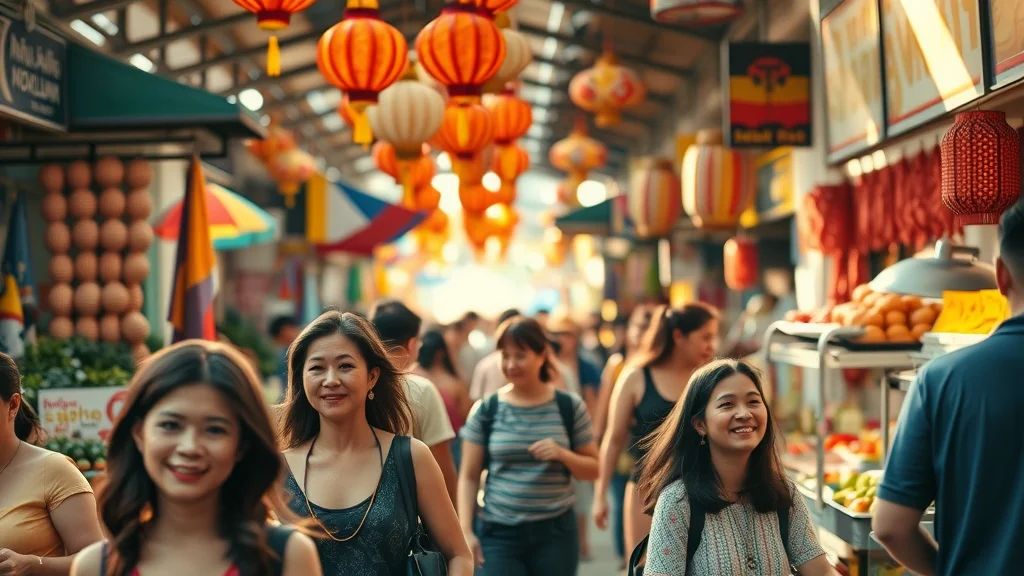
Planning isn’t just about booking your flight and finding a hotel in Luang Prabang. It’s about optimizing every aspect of your journey, from ensuring your visit to Angkor Wat lines up with the best weather, to budgeting smartly, or making the most of culinary delights in local markets. Thoughtful southeast asia travel planning will help you navigate language barriers, avoid travel scams, and select the right transportation—whether that’s a scenic train ride across northern Thailand or a budget-friendly night bus through southern Vietnam. By anticipating challenges and researching local practices, you’ll unlock a deeper and more enjoyable travel experience, while minimizing logistics headaches and costly surprises.
-
What You'll Learn in Southeast Asia Travel Planning
- Key destinations and best times to visit
- How to avoid common packing and budgeting mistakes
- Insider tips for transport, accommodation, and staying healthy
- Cultural insights: etiquette, language basics, and authentic experiences
- Top tools and apps for smarter travel
- Environmental and ethical guidelines for responsible adventure
Understanding the Basics of Southeast Asia Travel Planning
South East Asia: Overview of Popular Destinations
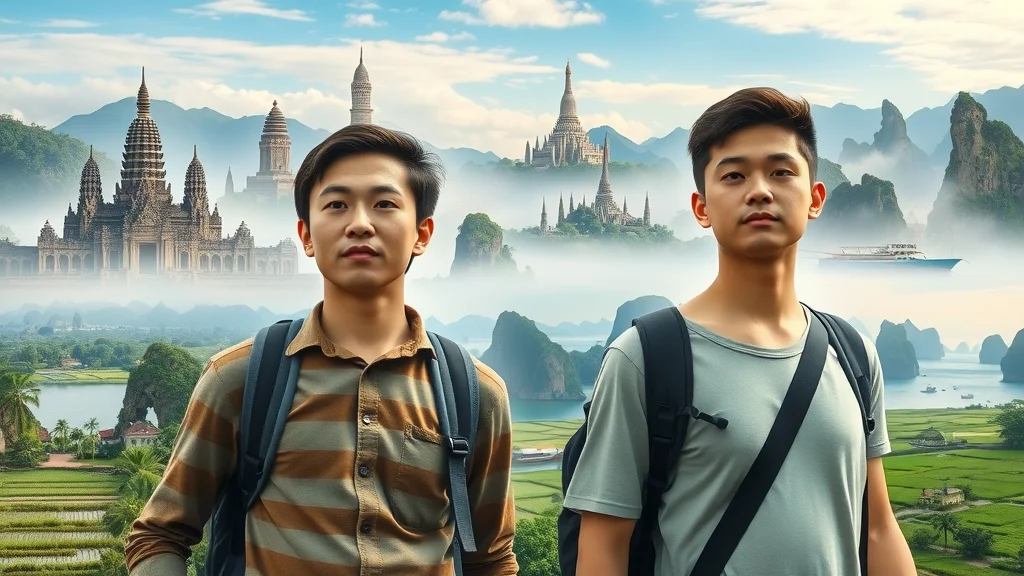
Southeast Asia is a mosaic of vibrant cultures, spectacular landscapes, and world-renowned heritage. Whether you’re drawn to the limestone karsts of Ha Long Bay, the golden temples in Chiang Mai, the lively city life in Ho Chi Minh City, or tranquil riverside towns like Luang Prabang, there’s something for every traveler. Recent years have seen a surge in interest for less-touristy areas and new national park discoveries—making planning even more important to maximize your trip. Each destination offers its own flavor, from the adventure-packed islands off southern Thailand to the street food scene in bustling capitals. Deciding which spots to include in your trip to southeast asia should be the heart of your planning process.
-
Must-Visit Cities:
- Chiang Mai, Thailand
- Ho Chi Minh City, Vietnam
- Luang Prabang, Laos
- Ha Long Bay, Vietnam
The Importance of Timing Your Trip to Southeast Asia
Seasonality is a game-changer in southeast asia travel planning. The tropical climate means the region is subject to rainy and dry seasons, which vary greatly from one country—or even city—to the next. For instance, Thailand’s festivals like the Full Moon Party or Songkran water festival are best experienced during the dry, festive months, while visiting Angkor Wat in Cambodia is most enjoyable when temperatures are milder and crowds thinner. Ignoring these factors can lead to washed-out hiking trails, canceled island hop tours, or missed cultural experiences. By aligning your travels with local seasons, you ensure your adventure, from southern Thailand’s beaches to the northern hills around Chiang Mai, lives up to its full potential.
Common Southeast Asia Travel Planning Pitfalls
Over-Packing for Your Trip to Southeast Asia
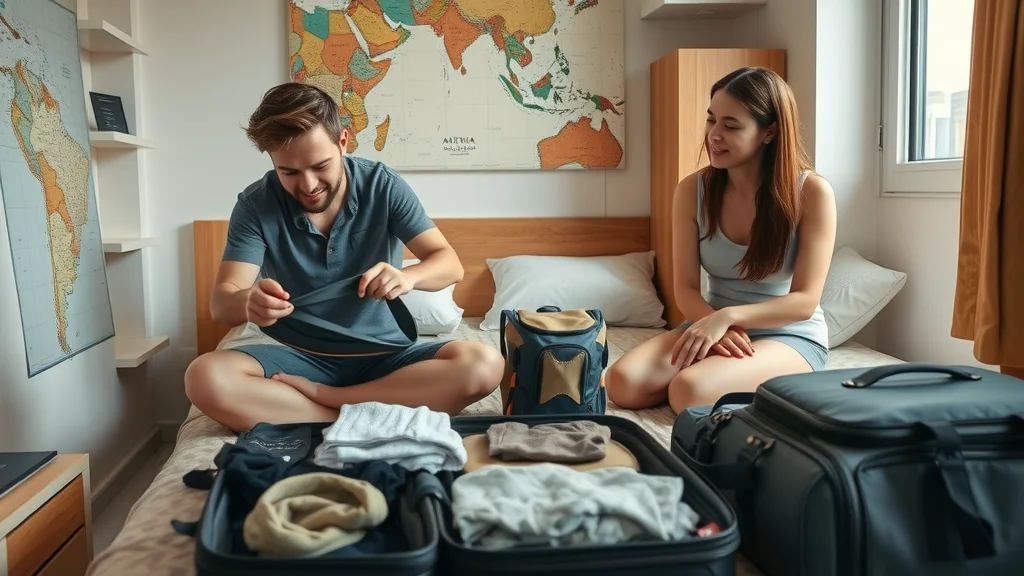
One of the biggest mistakes—for both new and seasoned travelers—is over-packing for a trip to southeast asia. The region’s climate is notoriously humid, meaning lightweight clothing is a must. Cumbersome baggage can slow you down, especially when hopping from city to city or using local transport like tuk-tuks and ferries. Instead, pack versatile clothing suited for temple visits (where modesty is required), night market strolls, national park hikes, and sweltering street food walks. Not only will this free up space for souvenirs and essentials picked up en route, but packing light also saves you airline baggage fees and stress during border crossings.
-
Packing Only What’s Essential for Southeast Asia
- Moisture-wicking shirts and pants
- Lightweight rain jacket or poncho
- Good walking shoes or sandals
- Travel-sized toiletries (easy to restock locally)
- Adapters for region-specific plugs
- Small first-aid kit
Ignoring Seasonality in Southeast Asia
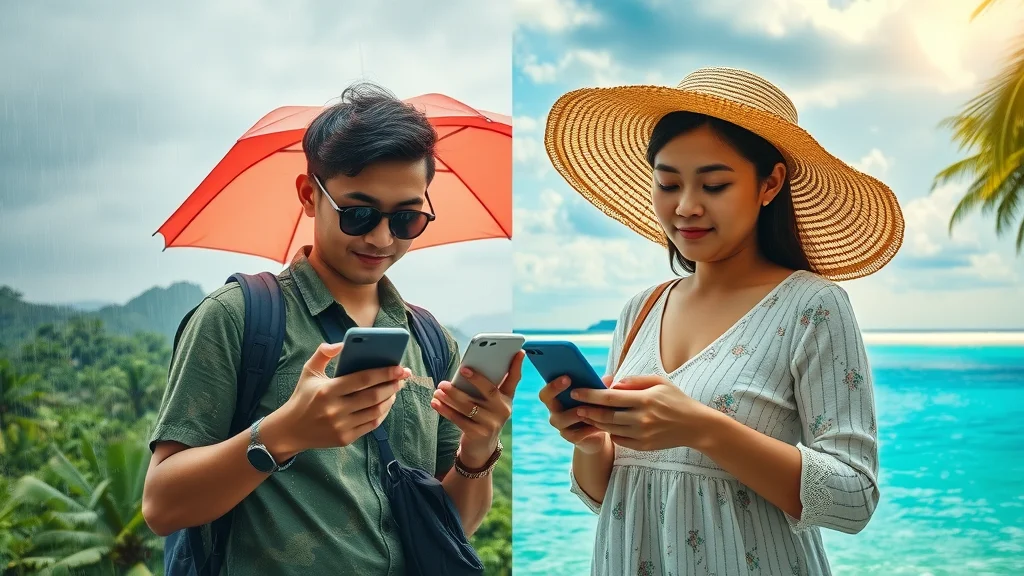
Underestimating the influence of regional weather patterns is one of the costliest oversights in southeast asia travel planning. Monsoon rains can wash out certain destinations—think trekking in northern Thailand or boat tours around Ha Long Bay. Conversely, arriving during high tourist seasons often means inflated accommodation rates and crowded hotspots, from Chiang Mai to ho chi minh city. Savvy travelers consult multiple sources, cross-reference major festivals and holidays, and map out dry vs. wet seasons before locking in their trip plans. Strategic timing lets you experience local culture at its peak and keeps you out of unpredictable, weather-induced travel disruptions.
Neglecting Local Customs and Etiquette
From temple etiquette to street food protocol, understanding local customs in southeast Asia can shape your trip for the better. Removing your shoes before entering a wat temple in Laos or Thailand, dressing respectfully, and observing modest behavior in conservative places are simple gestures that garner respect from locals. Equally, learning about food etiquette—such as not pointing your feet towards religious icons or the proper way to pay for street food—can make interactions smoother in both touristy areas and hidden gems. Don’t be the traveler whose ignorance causes offense when a little research could have made all the difference.
- Street Food Etiquette and Cultural Do’s and Don’ts:
- Always wash hands before and after eating street food
- Use your right hand when handing money or receiving change
- Respect local dress codes, especially in temples and rural communities
- Learn how to say “Thank you” and basic pleasantries in the local language
Budgeting Mistakes in Southeast Asia Travel Planning
Underestimating Costs in East Asia versus South East Asia
It’s a common misconception that every trip to southeast asia is dirt cheap. While cities like Ho Chi Minh City and Chiang Mai offer fantastic value, costs can escalate quickly in more developed neighboring regions. For example, a day in Hong Kong or Tokyo in East Asia can cost three to four times as much as a budget day in Hanoi or Luang Prabang. Planning your route with an eye on local prices—factoring in fluctuations for high season, popular festivals, or exclusive experiences like a cooking class—helps keep your travel finances on track for the couple of weeks or months you plan to explore.
| Destination | Backpacker ($) | Mid-range ($) | Luxury ($) |
|---|---|---|---|
| Ho Chi Minh City | 25 | 60 | 130 |
| Chiang Mai | 20 | 50 | 120 |
| Ha Long Bay | 30 | 80 | 175 |
| Luang Prabang | 22 | 55 | 110 |
| Tokyo (East Asia) | 50 | 130 | 300 |
| Hong Kong (East Asia) | 60 | 150 | 350 |
Unexpected Travel Fees and Hidden Costs
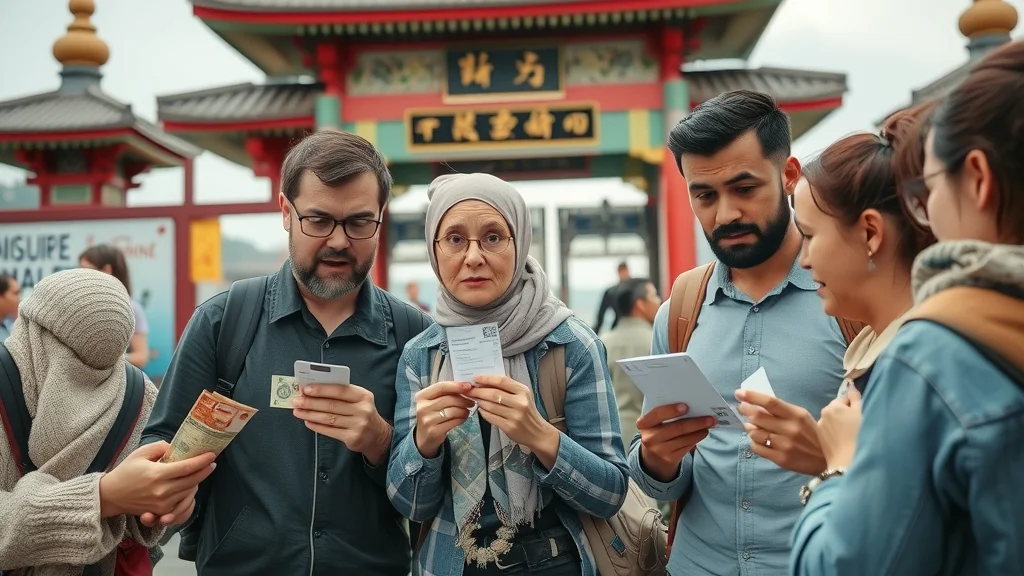
Southeast asia travel planning also means bracing for hidden fees that can add up quickly. From international border visas and tourist taxes to boat transfer tickets and fees for museum and wat temple entries, travelers are often surprised by additional expenses not listed in their original itinerary. Don’t forget about withdrawals at ATMs in remote islands or extra charges for last-minute transportation changes. By keeping a buffer in your travel budget and researching these costs in advance, you’ll avoid unwanted surprises that can eat into your experience funds. Setting aside a small emergency stash for the unexpected is a hallmark of a seasoned adventurer.
- Common Hidden Expenses:
- Cross-border visas
- Entry fees for temples and historic attractions
- Ferry or boat terminal surcharges
- Local transportation supplements (late-night taxi/Grab fees)
- ATM and bank transfer fees
Transport and Logistics: Navigating Southeast Asia
Choosing the Right Transport: Trains, Buses, Flights, and Boats
Transportation in southeast asia ranges from the iconic overnight trains in Thailand to quick budget flights, scenic boat rides in southern Laos, or cross-country buses connecting major cities like Ho Chi Minh and Chiang Mai. The right choice can save you both time and money—while also adding character to your journey. Buses are ideal for budget travelers, while regional flights offer comfort and speed for those on a tight schedule. Meanwhile, boats add a layer of adventure, especially when island hopping off the coasts of Thailand or Vietnam. By comparing routes, ticket platforms, and reliability, you pave the way for smooth, stress-free connections from city to city.
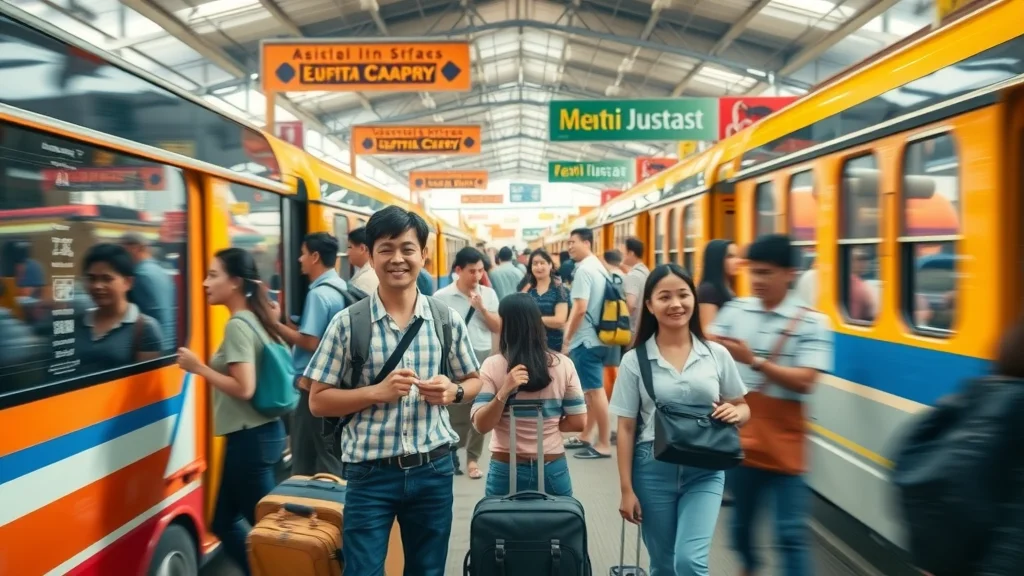
Overlooking Connectivity Between Countries in South East Asia
Crossing borders in southeast asia is both an adventure and a logistical challenge. Each country—whether it’s Laos, Vietnam, Thailand or Cambodia—has its own visa policies, customs rules, and entry requirements. Failing to research these in advance can turn a smooth trip to southeast asia into a bureaucratic nightmare, especially if you arrive without correct paperwork. Booking open-jaw flights, understanding ferry and train border crossings (such as from Ho Chi Minh City to Phnom Penh via the Mekong), and allowing for travel buffer days ensures you won’t miss onward connections or treasured experiences like a slowboat ride between Thailand and Laos.
Mistakes with Local Transportation: Tuk-tuks, Motorbikes, and Ride-Sharing
Within cities, local transportation options like tuk-tuks, motorbike rentals, and ride-hailing apps such as Grab or Gojek make exploring easy—if you know how to navigate them wisely. Not negotiating a price in advance or lacking awareness of common taxi scams can leave you out of pocket or stranded. It’s also crucial to check insurance coverage with motorbike rentals and always wear a helmet when riding. By knowing the red flags and local norms for getting around bustling capitals and smaller towns alike, you’ll avoid mishaps and fully enjoy each new stop on your trip to southeast asia.
Accommodation Errors in Southeast Asia Travel Planning
Booking at the Last Minute or Without Flexibility
Last-minute bookings might work in low season or less-touristy areas, but always having a few flexible options is a golden rule of southeast asia travel planning. In peak times, cities like Chiang Mai or ho chi minh city can fill up days in advance, especially near festival dates. Conversely, being locked into non-refundable hotels can force you to miss out on unique local charm—like riverside bungalows or family-run hostels—should your plans change. Opt for accommodation with flexible cancellation, research reviews, and always book your first night in a new city before arriving, then assess the vibe and location before committing long-term.

Failing to Research Locations: Proximity to Attractions and Safety
Too often, travelers grab a great accommodation deal without checking distance to must-see landmarks—or the safety of neighborhood streets after dark. Proximity to top sites such as Angkor Wat, Ha Long Bay wharfs, or night market hubs in Chiang Mai will save money on taxis and hours in transit. Safety considerations are equally important: stick to reputable neighborhoods, particularly in major cities, and read recent traveler reviews about lighting, transport links, and general atmosphere. In southeast asia, balancing central location with comfort and value is the surest way to thoroughly enjoy your stay.
"The charm of southeast asia is best experienced when you're flexible but informed about your accommodations – plan wisely to balance adventure with comfort."
Overlooking Health and Safety Precautions in Southeast Asia Travel Planning
Skipping Travel Insurance for Southeast Asia
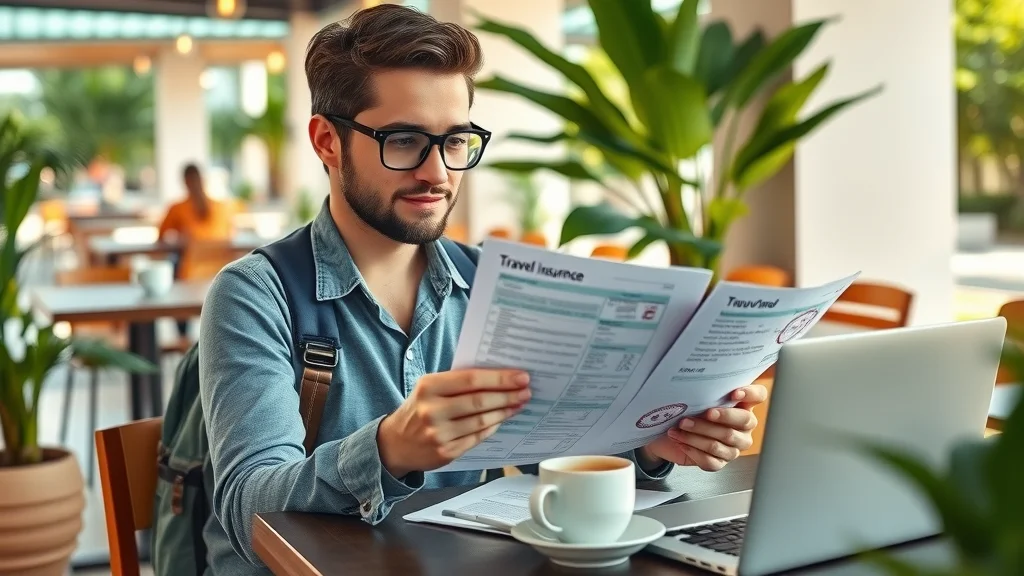
Travel insurance is your safety net in southeast asia travel planning, covering medical emergencies, theft, and trip interruptions. Don’t make the mistake of assuming health care costs are universally low or that your credit card insurance covers everything. Hospitals in major hubs like ho chi minh city are well-equipped, but treatment can be expensive for uninsured travelers. Always compare reputable insurance providers, check for activities like motorbike riding or trekking coverage, and carry digital and paper copies of your policy. Investing here means peace of mind and financial security, so you can focus on making the most of every temple visit, street food adventure, and national park hike.
Forgetting Vaccinations and Health Essentials
Don’t skip recommended vaccinations and basic travel health preparations. Some destinations in southeast asia—especially rural areas and certain national parks—may require shots for hepatitis, typhoid, or Japanese encephalitis. Packing a comprehensive travel kit (with mosquito repellent, hand sanitizer, basic medications, and sunscreen) is non-negotiable, as is knowing the local healthcare options. Check advice from travel clinics and government health websites, and keep electronic records of your vaccination history on your phone or in the cloud. A bit of prevention saves both time and stress, especially if you plan to visit remote or island destinations on your trip to southeast Asia.
Ignoring Food Safety: Navigating Street Food with Confidence
The vibrant street food stalls in Bangkok, Hanoi, and Penang are iconic for a reason—but not every vendor is created equal. Pay attention to hygiene, always eat where there’s a crowd (a sign of freshness and turnover), and observe cooking practices. If you have food allergies or dietary restrictions, learn the local phrases necessary to communicate these effectively. Nothing derails travel plans faster than a bout of traveler’s tummy or a preventable reaction. Your southeast asia travel planning should include research on what and where to eat, so you can savor authentic flavors safely and confidently.
Cultural Richness: Making the Most of Your Trip to Southeast Asia
Learning Local Languages: Basic Phrases for Travelers
While English is spoken in many tourist areas, learning basic local phrases opens doors and deepens connections. Simple greetings, “thank you,” and phrases like “How much?” can go a long way—from the markets of Luang Prabang to food stalls in night markets across the region. Practice politeness, and you’ll notice friendlier service, better prices, and more genuine smiles. Apps and phrasebooks can be a valuable addition to your language toolkit.
Joining Authentic Experiences: Cooking Classes, Festivals, and Walking Tours
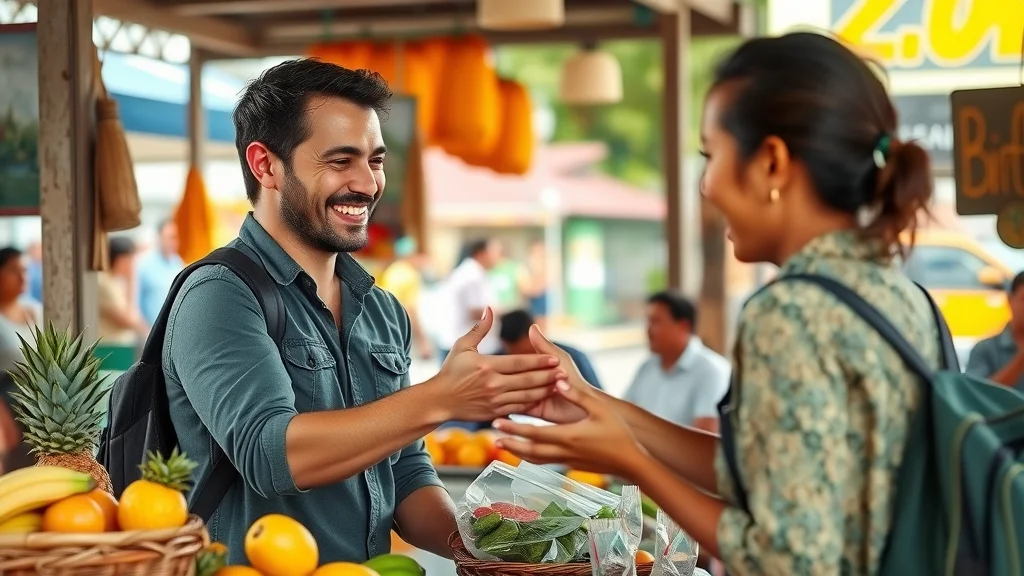
Step outside the tourist bubble by diving into local experiences. Joining a cooking class, participating in a water festival, or selecting a guided walking tour in historic districts brings you closer to the heart of southeast asia. Ho chi minh city’s bustling streets, Chiang Mai’s lantern festivals, and hands-on market tours in Bangkok offer immersive opportunities to meet locals and learn by doing—enriching your trip beyond sightseeing. Book ahead for festivals or seasonal events to avoid disappointment, and don’t be afraid to interact with resident experts along your journey.
Respecting Traditions: Temples, Attire, and Social Norms
Respect for local traditions is non-negotiable. Southeast asia’s Buddhist and Hindu temples, sacred festivals, and everyday rituals carry deep cultural meaning. Dress modestly (covering shoulders and knees), refrain from loud conversation in wat temple grounds, and always ask before photographing locals or religious ceremonies. Observing these customs boosts your travel experience and strengthens the reputation of visitors for those who follow in your footsteps.
Tech and Connectivity for Southeast Asia Travel Planning
Staying Connected: SIM Cards, eSIMs, and Internet Cafes
Staying online is key for modern travel, whether for essential navigation, trip booking, or keeping in touch with loved ones. Southeast asia offers affordable tourist SIM cards and quick eSIM options at airports, convenience stores, and phone shops. For longer trips, consider dual-SIM phones or portable hotspots. Even remote towns and small islands often have internet cafés and solid 4G coverage—keeping your travel plans, maps, and bookings accessible at all times.
Must-Have Apps for Navigating South East Asia
Turn your smartphone into your ultimate travel assistant by pre-downloading must-have apps before departing. From real-time navigation to language translation, app-based ride-hailing, and local food delivery, technology makes every aspect of southeast asia travel planning smoother and more enjoyable. Always update and test apps before your departure—especially those requiring local SIM card activation.
- Essential Apps:
- Google Maps (for navigation)
- Grab or Gojek (for ride-hailing and delivery)
- Google Translate (for quick communication)
- Eatigo or HappyCow (for food deals and dietary needs)
- Rome2Rio or 12Go Asia (for transport booking)
- WhatsApp (for local and international messaging)
Food Experiences: Avoiding Culinary Mistakes in Southeast Asia
Top Street Food Destinations: Bangkok, Hanoi, and Penang
Bangkok’s night markets, Hanoi’s old quarter, and Penang’s hawker stalls are world-renowned for their incredible food scenes. Try Pad Thai from bustling roadside stalls, savor Banh Mi in back alleys, and discover Malaysia’s diverse street food melting pot. Authentic flavors await, but ensure you go where locals eat, as fresh ingredients and high turnover equal safer meals—and tastier dishes.
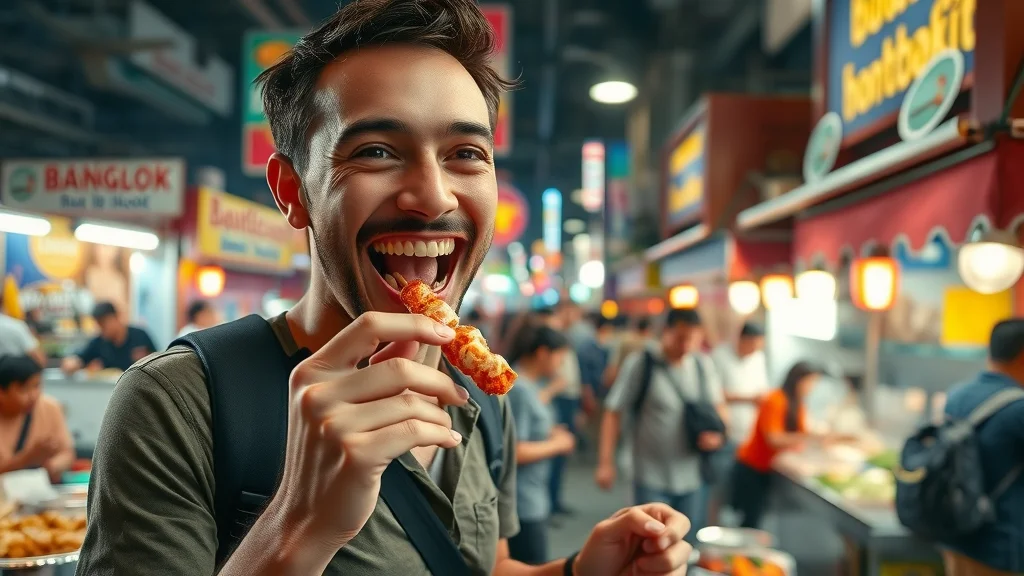
Understanding Food Allergies and Dietary Restrictions
Southeast asian cuisine relies on sauces, peanuts, shellfish, and herbs that can be hidden allergens for many travelers. Always ask about ingredients and, if you’re severely allergic, carry a translation card explaining your restrictions. Use food apps or seek out restaurants known for accommodating special diets. The diversity of dishes across ho chi minh, Chiang Mai, and Penang means there’s always something safe and delicious to try without risk to your health.
- Common Southeast Asian Ingredients to Watch For:
- Fish sauce, oyster sauce (used in many dishes)
- Crushed peanuts (topping for salads and noodles)
- Shellfish and shrimp paste
- Egg, soy, and wheat (in broths and sauces)
- Chili and spice blends
"Sampling street food is a highlight in southeast asia, but knowing what to eat keeps your experience positive and your stomach happy."
Environmental and Ethical Considerations in Southeast Asia Travel Planning
Sustainable Tourism Tips for Southeast Asia
Responsible travel is crucial amidst the growing popularity of southeast asia. Reduce your ecological footprint by avoiding single-use plastics (carry a reusable water bottle), supporting community-run guesthouses and eco-tours, and choosing slow travel whenever possible. Stay on designated trails in national parks, respect local wildlife, and seek out businesses with proven sustainability commitments. Your mindful choices help preserve the region’s natural and cultural wealth for the next generation of explorers.

Wildlife Protection: Avoiding Exploitative Experiences
Some tourist activities, such as elephant riding or selfie opportunities with captive animals, often cause lasting harm rather than benefit to southeast asia’s wildlife. Prioritize sanctuaries with clear ethical standards, avoid venues that promote animal performances or photo props, and research the impact of your choices before booking that trip to southeast asia. Instead, celebrate biodiversity through respectful observation in national parks or certified conservation tours.
- Responsible Tourist Behaviors in South East Asia:
- Say “no” to wildlife selfies or shows with captive animals
- Avoid buying souvenirs made from endangered species
- Always pack out trash, especially from natural sites
- Support businesses that train and hire local staff fairly
People Also Ask: Southeast Asia Travel Planning
What is the best time for Southeast Asia travel planning?
The best time for southeast asia travel planning is typically between November and March, when most countries enjoy dry, cooler weather and popular festivals. However, seasonality can vary between regions—northern Thailand and Vietnam have cooler winters, while island hopping off southern Thailand is best in January to April. Always research destination-specific climates for the best experience.
How do I avoid scams during my trip to southeast asia?
To avoid scams, stick with reputable transport providers and accommodation platforms, agree on tuk-tuk or taxi fares in advance, use ride-hailing apps when possible, and keep valuables secure. In touristy areas, be wary of unsolicited tour offers and always double-check entry fees at temples or attractions. Awareness is your best defense against common scams.
Can I travel solo in south east asia safely?
Yes, southeast asia is a favorite region for solo travelers, thanks to welcoming locals and well-trodden backpacker routes. Stick to main tourist corridors for extra safety, connect with other travelers at hostels and group tours, and follow standard safety practices such as securing valuables and avoiding isolated areas late at night. Trust your instincts and don’t hesitate to ask for help if needed.
Is southeast asia travel planning effective for family trips?
Absolutely! Southeast asia offers a range of family-friendly accommodations, activities, and food options. Careful planning can ensure safe, age-appropriate adventures—think night markets, national park excursions, and child-friendly cooking classes. Research ahead, book flexible accommodation, and always factor in extra time for transitions with kids.
Key Takeaways from Southeast Asia Travel Planning
Main Points to Remember Before Your Trip to Southeast Asia
- Research destinations, seasons, and local events before booking
- Pack light and smart—essentials first, souvenirs later
- Prioritize travel insurance and health safety measures
- Respect local customs, from temple attire to street food etiquette
- Use technology for seamless navigation and communication
- Be mindful and eco-conscious in all aspects of your journey
-
Checklist: Do’s and Don’ts for South East Asia Travelers
- Do: Plan in advance, check visa rules, budget realistically
- Don’t: Assume all regions are the same—research each place
- Do: Eat local, join tours, try new transport modes
- Don’t: Overpack or ignore health and cultural protocols
- Do: Leave only footprints, support local communities
Wrapping Up Your Southeast Asia Travel Planning Journey
Final Reflections on South East Asia Travel Mistakes
Learning from the missteps of others is your ticket to a richer, smoother travel adventure. Approach southeast asia travel planning with curiosity, flexibility, and respect for local life, and you’ll return home with stories—not just souvenirs.
Plan Your Trip to Southeast Asia with Confidence
Your journey is an opportunity—to learn, connect, and discover. Use this guide as a blueprint for seamless, memorable southeast asia travel planning, and embark on the adventure of a lifetime.
"Meticulous southeast asia travel planning means fewer worries and richer memories. Absorb, adapt, and enjoy your journey!"
Please like, share and comment on this article
Video Guide: Southeast Asia Travel Planning Essentials
Watch: How to Prepare for Your Trip to Southeast Asia
Video Walkthrough: Packing Tips and Safety Advice for South East Asia
Watch: Insider Tips from Experienced Southeast Asia Travelers
FAQs: Southeast Asia Travel Planning
What is the best time for Southeast Asia travel planning?
The best time for southeast asia travel planning generally falls between November and March for most countries. This period features dry weather and vibrant festivals, making it ideal for both city tours and islands. Always double-check the climate patterns for your chosen route.
How do I avoid scams during my trip to southeast asia?
Book tours and accommodations through reputable providers, always confirm prices up front, avoid unsolicited offers in crowded touristy areas, and use trusted transportation apps in urban zones. Being cautious and prepared is key to a safe experience in southeast asia.
Can I travel solo in south east asia safely?
Southeast asia is one of the most solo-friendly destinations in the world. Hostels, group tours, and popular routes like those connecting Ho Chi Minh City, Chiang Mai, and island destinations foster easy connections and safety in numbers. Stick to well-traveled areas and stay connected with family or friends.
Is southeast asia travel planning effective for family trips?
Yes! With careful planning, families can enjoy safe and exciting travel—access to child-friendly food, welcoming accommodation, and a focus on cultural attractions makes southeast Asia perfect for multi-generational adventures.


Write A Comment