 Add Row
  Add
Add 
Have you ever wondered what makes Thailand food and cuisine so enchanting and unforgettable around the globe? Whether it’s the zing of lime in tom yum soup or the decadent sweetness of sticky rice with mango, this guide invites you to unlock a magical world of taste that captivates food lovers everywhere. In this comprehensive exploration, you'll discover how Thai food lives at the heart of cultural traditions, culinary innovation, and global trends. Read on to experience the ultimate flavors, secrets, and inspirations behind Thailand’s iconic dishes!

Unlocking the Secrets of Thailand Food and Cuisine: Why Is it So Magical?
Thailand food and cuisine holds a unique position in the world of gastronomy. With its intricate balance of flavors, aromatic spices, and brilliant colors, Thai cuisine doesn’t just satisfy hunger; it excites the senses. What makes Thai food so magical is the harmony and contrast in every bite: sweet, sour, spicy, salty, and occasionally bitter. Each dish is crafted with purpose, reflecting centuries of evolution, cultural exchange, and creative flair. Whether you are indulging in the bold chillies of green curry or the herbal complexity of northern Thai specialties, every meal is a celebration of freshness and flavor balance.
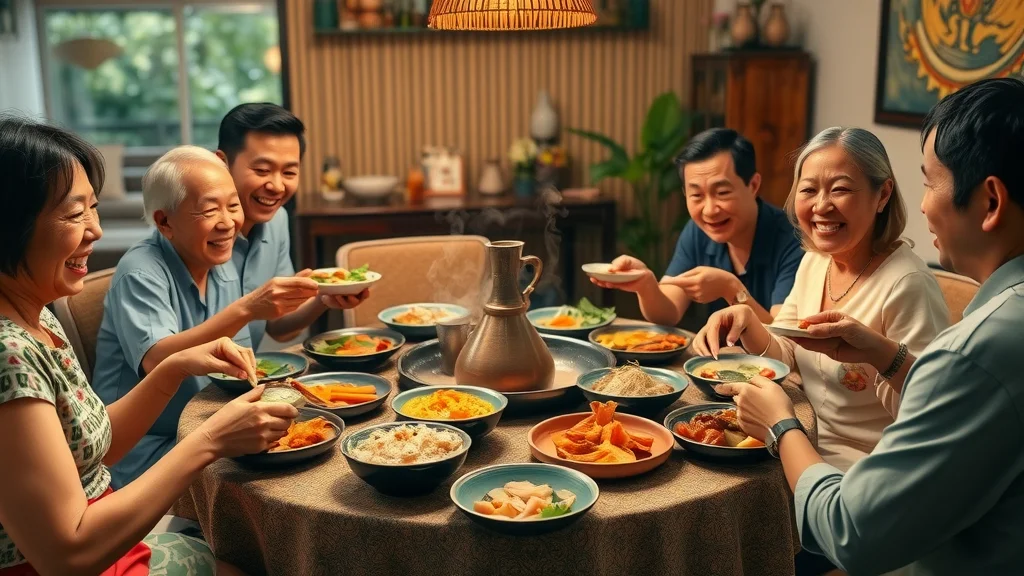
Moreover, Thailand’s rich culinary tradition is interwoven with social rituals and familial bonds. From humble street food vendors offering pad thai to lavish banquets featuring regional delicacies, food brings people together across regions and backgrounds. The truly magical element lies not just in the taste, but in the experience—an invitation to connect, explore, and indulge right at your table or on the vibrant streets of Bangkok. Thai dishes like tom yum, fried rice, or papaya salad are more than meals; they are rituals of joy, history, and community.
- The historical evolution of Thai cuisine and its global impact
- Key ingredients in Thailand food and cuisine
- Popular Thai dishes you must try
- Regional differences in Thai food and cuisine
- Tips for enjoying authentic Thai cuisine anywhere
- Frequently asked questions about Thailand food and cuisine
A Brief History: Roots and Rise of Thai Cuisine
"Thai cuisine weaves together centuries-old traditions, foreign influences, and bold innovation to create every meal."
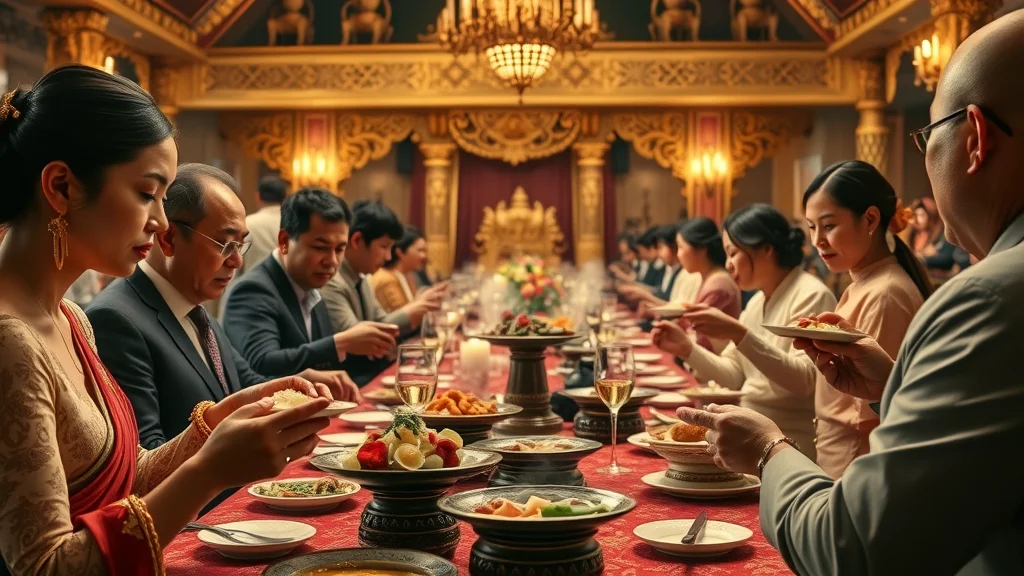
Historical Influences on Thailand Food and Cuisine
Thai cuisine didn’t arise in isolation. The flavors and ingredients recognizable in Thailand food and cuisine today are the result of centuries of exchange with neighboring cultures and ancient trade routes. Early influences from China brought rice noodles and soy sauce, while India contributed spices and the vibrant concept of curry paste. Persian and Arab traders introduced aromatic herbs and methods for making stews, while later Portuguese influence ushered in the use of chilies, which are now indispensable in classics like green curry.
Throughout history, Thailand’s royal courts played a vital role in refining and elevating local dishes, seeking complexity in flavors and delicate presentation. The accessibility of the Gulf of Thailand led to an abundance of seafood, while the inland valleys provided lush, fertile ground for rice and fresh vegetables. Each wave of influence was embraced, adapted, and creatively transformed, leaving a culinary legacy that is rooted in tradition and open to invention. This fascinating tapestry of traditions is why the phrase “Thai dish” now carries so many layers of meaning.
The Cultural Diversity Shaping Thai Dishes Today
Thai cuisine is far from monolithic. The geographical and cultural diversity of the country ensures a broad spectrum of culinary styles. Northern Thai food, with influences from Burma and Laos, is known for its herbal, earthy dishes like khao soi and mild heat. In contrast, southern Thai cuisine leans heavily on coconut milk and fresh seafood, a reflection of Malaysia’s proximity and rich coastal resources. Central Thailand blends influences from across the nation, giving birth to iconic staples like pad thai and tom yum.
Urban centers such as Bangkok evolved into melting pots, uniting street vendors, royal chefs, and immigrant cooks—all contributing to the mosaic of flavors and textures that define modern Thai food. Wherever you go, the cuisine tells a story of migration, innovation, and festive abundance. The sharing of meals, creative adaptation to local ingredients, and a celebration of bold, harmonious flavors connect past and present, tradition and trend.
| Period | Influences | Culinary Impact |
|---|---|---|
| Early Kingdoms (Sukhothai, Ayutthaya) | Chinese, Indian | Introduction of rice noodles, spices, stir-frying |
| Late Ayutthaya / Early Rattanakosin | Persian, Portuguese | Chilies, sweets, and new preservation methods |
| Modern (20th Century to Present) | Western, Regional Asian, Global | Fusion dishes, street food boom, global Thai restaurants |
Core Elements of Thailand Food and Cuisine: Ingredients and Flavors
What Makes Thai Cuisine Unique?
At the core of Thailand food and cuisine lies a pursuit of balance. Every dish strives to harmonize sweet, sour, spicy, salty, and even bitter notes. This intricate balance is achieved with a distinctive set of ingredients: fish sauce and soy sauce for saltiness, lime juice and green papaya for sourness, palm sugar for sweetness, and fresh chili for heat. Coconut milk tempers the fire of chilies and lends creamy body to beloved Thai curries.
Signature Thai dishes such as green curry and tom yum are celebrated for this medley of contrasts. Equally important is the careful layering of aromatic herbs—lemongrass, Thai basil, coriander, and kaffir lime leaves—that fill kitchens with irresistible fragrance. The use of both fresh and fermented components, such as shrimp paste and chili sauce, creates a complexity unlike any other world cuisine. This dedication to flavor balance and freshness is what defines genuine Thai cooking.
- Balance of sweet, sour, salty, spicy, and bitter flavors
- Signature use of coconut milk, curry paste, shrimp paste, and chili sauce
- Key herbs and spices in Thai cooking including lemongrass, kaffir lime, Thai basil
Essential Ingredients in Thailand Food and Cuisine
- Rice and Rice Noodle Varieties: The backbone of most meals, from fragrant jasmine rice to bouncy rice noodles for dishes like pad thai and pad see ew.
- Fresh Herbs: Lemongrass, Thai basil, coriander, and kaffir lime leaves build layers of aroma and brightness.
- Sauces: Soy sauce, fish sauce, and chili sauce infuse dishes with umami and heat.
- Popular Vegetables: Green papaya, Thai eggplant, and long beans add crunch and nutritional value to salads and stir-fries.
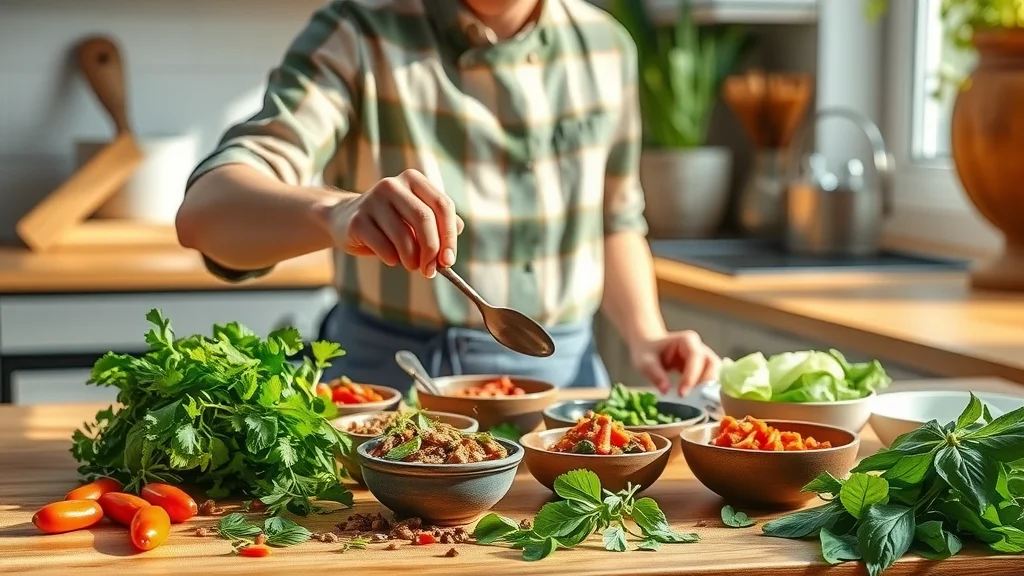
"A medley of fresh and fermented ingredients creates the iconic flavors of Thailand food and cuisine."
Exploring Popular Thai Food: Must-Try Thai Dishes
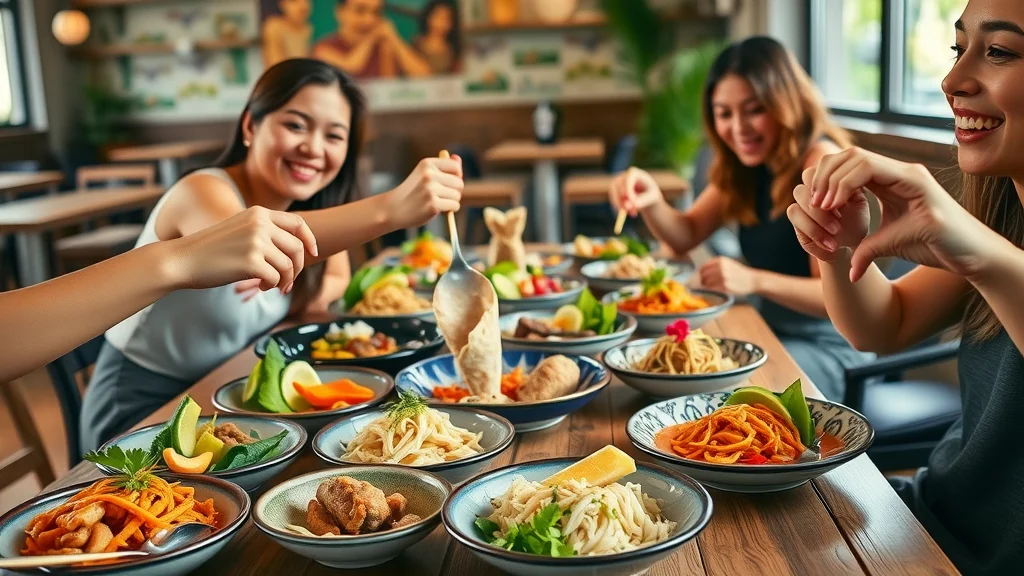
Signature Thai Dishes and Their Origins
Thailand food and cuisine is renowned for its dazzling array of dishes, each with a backstory and regional flair. Pad Thai, a stir-fried rice noodle dish, was popularized during WWII as a symbol of national identity and resourcefulness. Tom yum soup, brimming with lemongrass and kaffir lime, is rooted in central Thailand but now beloved worldwide for its vivid sour and spicy punch. Another essential is green curry, unified by coconut milk and freshly made curry paste, reflecting a blend of Indian and local Thai influences.
Many popular Thai dishes came from humble beginnings, often adapted and elevated by royal kitchens or made iconic by the thriving street food scene. Whether it’s the rich, coconut-infused khao soi of the north or the zesty papaya salad (som tam) of the northeast, these flavors invite you to savor Thailand’s culinary evolution, one dish at a time.
| Dish | Region | Main Ingredients |
|---|---|---|
| Pad Thai | Central Thailand | Rice noodles, eggs, tofu, fish sauce, shrimp, peanuts, lime |
| Tom Yum Soup | Central Thailand | Lemongrass, kaffir lime leaves, chili, shrimp, fish sauce |
| Green Curry | Central/Southern Thailand | Coconut milk, green chili, chicken, Thai basil, eggplant |
| Khao Soi | Northern Thailand | Egg noodles, coconut milk, chicken/beef, curry paste |
| Papaya Salad (Som Tam) | Northeast Thailand (Isan) | Green papaya, chili, fish sauce, tomatoes, lime |
| Sticky Rice with Mango | Central/Northern Thailand | Sticky rice, coconut milk, mango, sugar |
The Role of Street Food in Thailand Food and Cuisine
Street food is the heartbeat of Thailand food and cuisine. Across bustling cities and rural towns, vibrant night markets and roadside stalls serve beloved classics to locals and tourists alike. Authentic Thai street food is defined by its immediacy, bold flavors, and diversity—from sizzling fried noodles like pad thai to the tangy crunch of papaya salad. These dishes are more than sustenance—they are living history, community, and everyday delight.
Among the array of popular offerings, you’ll find steaming bowls of tom yum, hand-tossed rice noodle stir-fries, crispy fried rice, and regional snacks such as khao soi. The culinary creativity and accessibility of Thai street food have made it a global phenomenon, available from Bangkok to New York, and beloved far beyond their origins.
- What defines authentic street food in Thailand? – Fresh, made-to-order, bold flavors, and local ingredients.
- Popular Thai street foods: Fried noodle, pad thai, green papaya salad.
The Top Thai Dishes to Experience:
- Tom Yum Soup – The Quintessential Spicy-Sour Broth
- Pad Thai – Sweet, Sour, and Savory Stir-Fried Rice Noodles
- Green Curry – Herb-Infused Coconut Milk Delight
- Khao Soi – Signature Northern Thai Noodle Dish
- Sticky Rice with Mango – Beloved Thai Dessert
- Papaya Salad – Zesty Street Food Favorite
Regional Variations in Thailand Food and Cuisine
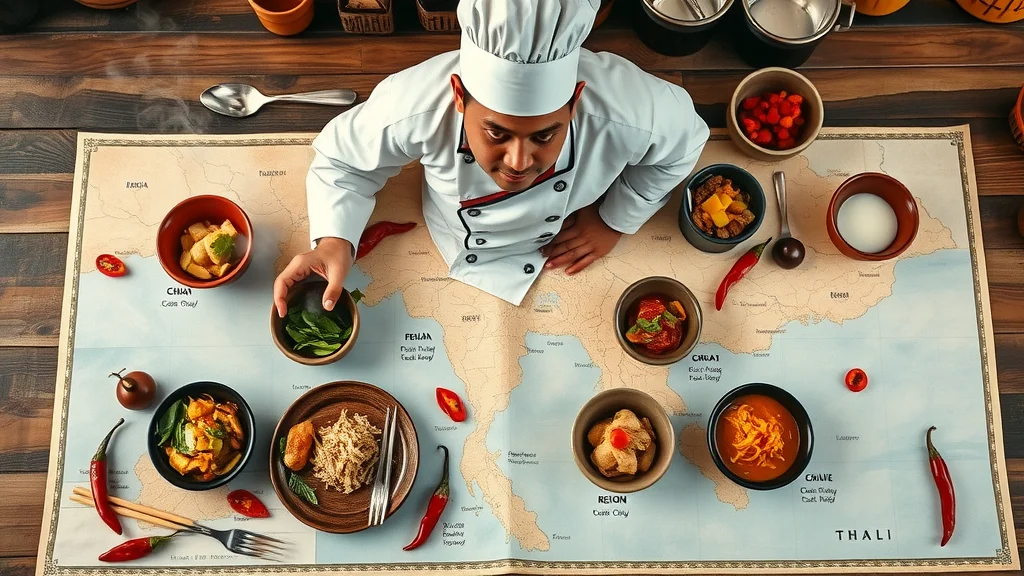
Northern Thai Cuisine: Bold, Herbal, and Earthy
Northern Thai food, shaped by mountain terrain and cooler climate, is celebrated for its complex aromatic herbs and subtle chili heat. Local specialties such as khao soi—a decadent egg noodle coconut curry soup—feature rich, warming curry pastes and fermented accents. Unlike central and coastal regions, northern cuisine frequently utilizes sticky rice over jasmine rice, often served with herbal relishes or spicy dips and grilled meats.
Recipes in this region utilize mild sweet and salty flavors balanced by herbal bitterness, with less reliance on coconut milk and more on fresh roots and wild vegetables. The interplay of fresh and fermented, earthy and aromatic, makes these dishes a treat for adventurous palettes seeking authenticity in Thai cooking.
Southern Thai Cuisine: Spicy, Coconut-Rich, and Distinct
Southern Thai cuisine is famously fiery, owed to a bounty of fresh chilies and spices as well as the area’s close connection with Malaysia and the Indian Ocean. Green curry here reaches new levels of heat and fragrance, and seafood takes center stage. Dishes like yellow curry crab and spicy fish soups abound, with coconut milk soothing the intensity of chilies in both curries and desserts.
This region also makes frequent use of shrimp paste, adding depth and savoriness to sauce bases, dips, and stir-fries. Southern Thai food is a bold showcase of the interplay between sea, spice, and coconut, a must-try for lovers of robust, layered heat.
Eastern and Central Thai Food: Eclectic and Urban
Central Thailand, including Bangkok, is a culinary crossroads, famous for harmonious flavor balance and iconic dishes adopted across the world. Think of pad thai, tom yum, and fried rice, all of which have been perfected and popularized here. Eastern Thailand is known for sour flavors and fresh fruits, while Bangkok, as an urban center, fuses influences from every region alongside international elements.
Expect a mix of stir-fried rice noodle dishes, hearty soups, and vibrant salads, surrounded by an ever-growing street food culture. The range and diversity ensure that everyone—from spice seekers to comfort-food lovers—can find their ideal Thai dish here.
| Region | Signature Dish | Distinctive Flavors |
|---|---|---|
| Northern Thailand | Khao Soi | Herbal, earthy, mild chili, coconut-based |
| Southern Thailand | Yellow Curry Crab | Spicy, coconut-rich, seafood-forward |
| Eastern Thailand | Green Papaya Salad | Zesty, sour, spicy, fresh herbs |
| Central Thailand | Pad Thai | Sweet, tangy, umami, peanuts, rice noodles |
Cooking Thai Food at Home: Essentials for Authentic Thai Cuisine
Key Equipment and Ingredients for Thai Cooking
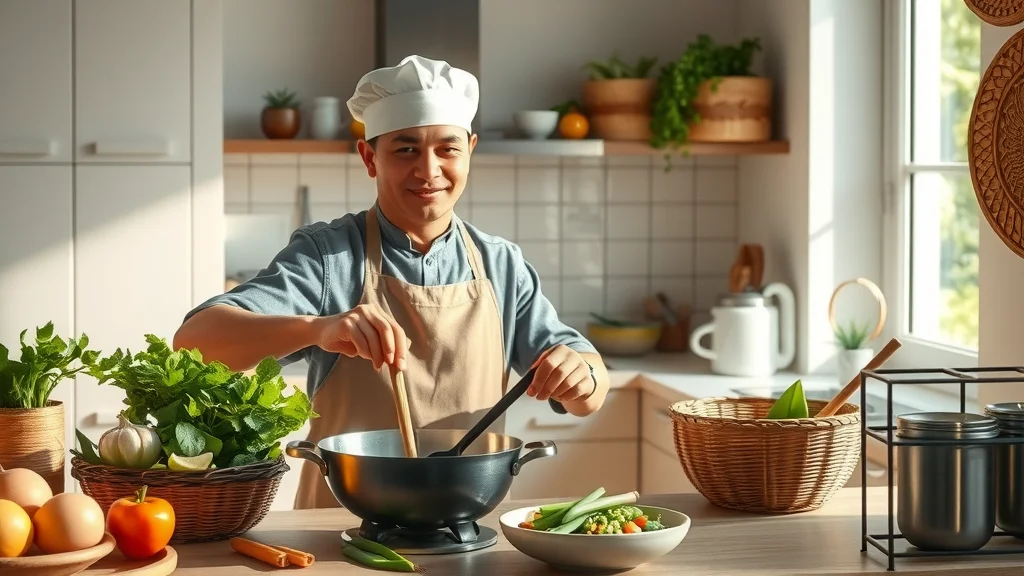
Bringing authentic Thailand food and cuisine into your kitchen starts with the right tools and the freshest ingredients. Essential equipment includes a sturdy wok for stir-fries, a mortar and pestle for crushing herbs and spices, and bamboo steaming baskets for perfect sticky rice. Stock your pantry with basics like fish sauce, soy sauce, coconut milk, curry paste, and chili sauce—these foundation flavors will enable you to recreate a full spectrum of Thai dishes.
A successful foray into Thai cooking also means embracing the art of shopping for fresh ingredients. Seek out lemongrass, Thai basil, coriander, kaffir lime leaves, and a bounty of crunchy vegetables such as green papaya and eggplant. Don’t forget pantry essentials such as rice noodles and shrimp paste, which add that unmistakable aroma and flavor signature to many recipes.
How to Recreate Thai Dishes from Scratch
Start by assembling a base of quality ingredients—fresh herbs, coconut milk, curry paste, and traditional seasonings. Use your mortar and pestle to prepare curry pastes by grinding shallots, garlic, chili, lemongrass, and shrimp paste. Cooking authentic pad thai or tom yum soup requires following the order in which flavors are built: first boiling herbs and broth, then layering in fish sauce, lime juice, and your protein.
A typical Thai meal features a variety of textures and temperatures, so it’s common to serve a selection of hot, cold, spicy, and mild dishes together. Stay patient as you perfect your techniques, from wok-tossed fried rice to delicately blended soups. The reward is a feast that transports you straight to the markets and home kitchens of Bangkok and Chiang Mai!
- Shopping list: coconut milk, curry paste, rice noodles, shrimp paste, green papaya, chili sauce, fish sauce, fresh herbs
Common Mistakes to Avoid When Cooking Thailand Food and Cuisine
Missteps often come down to ingredient choices and cooking techniques. Using dried rather than fresh herbs, overcooking rice noodles, adding coconut milk too early, or skipping the delicate balance of sweet, sour, spicy, and salty can all lead to bland or unbalanced results. Don’t substitute essential ingredients like fish sauce or tamarind paste unless absolutely necessary; they’re key to the flavor profile of true Thai cuisine.
Being mindful of the sequence in which flavors are introduced is crucial. For instance, adding lime juice to a hot dish too early can make it bitter, while neglecting a proper stir-fried texture for fried rice can lead to a sticky, clumpy mess. Cook with patience, taste as you go, and pay attention to the interplay of aromas and colors. The magic lies in practice—and in savoring your results!
Thailand Food and Cuisine in Modern Times: Global Influence and Trends
How Thai Cuisine Conquered the World
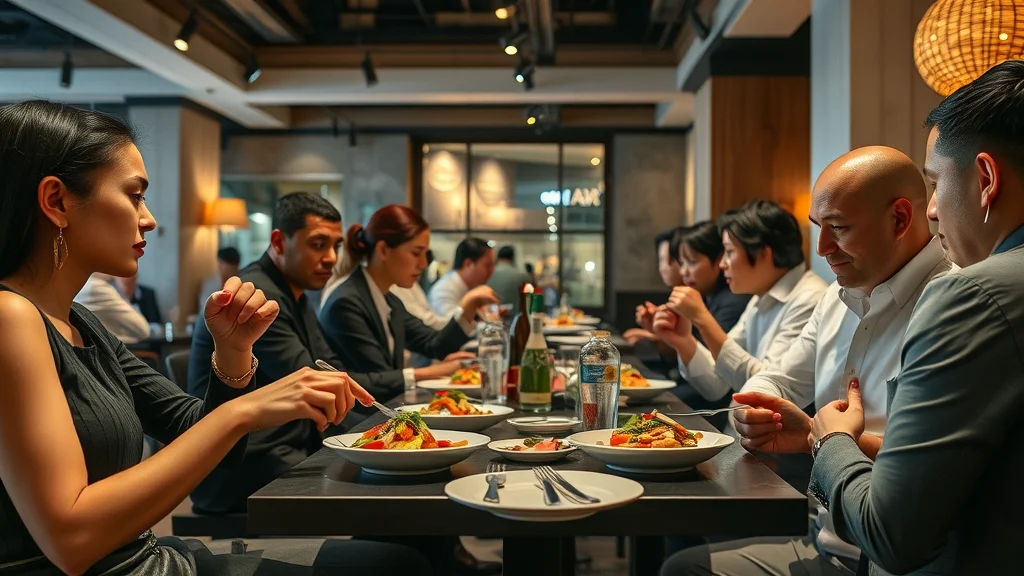
Thai food’s unforgettable flavor profiles have turned it into a global culinary sensation. Fueled by the proliferation of Thai restaurants internationally, classic dishes like pad thai and tom yum now feature in food courts and street markets worldwide. Enthusiasts are drawn to the thrilling contrast of flavors, visual appeal, and the interactive nature of meals designed for sharing.
This global popularity is sustained by Thailand’s embrace of tourism and cultural diplomacy. Government initiatives, such as “Thai Select,” have promoted culinary exports and authenticity in Thai restaurants abroad. Fusion creations—whether it’s Thai tacos, green curry pizza, or vegan versions of traditional recipes—extend the reach of Thailand food and cuisine to new audiences, keeping old favorites fresh and exciting.
Modern Twists and Fusion in Thailand Food and Cuisine
The evolution of Thai cuisine hasn’t stopped at tradition. Contemporary chefs experiment with fusion and innovation, blending Thai flavors with global techniques and ingredients. In Bangkok and beyond, you’ll find khao soi ramen, tom yum burgers, and plant-based green curry. Yet, even with these inventive twists, the core principles—balance of flavor, freshness of ingredients, and visual appeal—remain at the heart of every Thai dish.
"Thai food’s irresistible flavor profiles make it a global culinary phenomenon, inspiring chefs worldwide."
Healthy Aspects of Thailand Food and Cuisine
Nutritional Benefits of Popular Thai Dishes
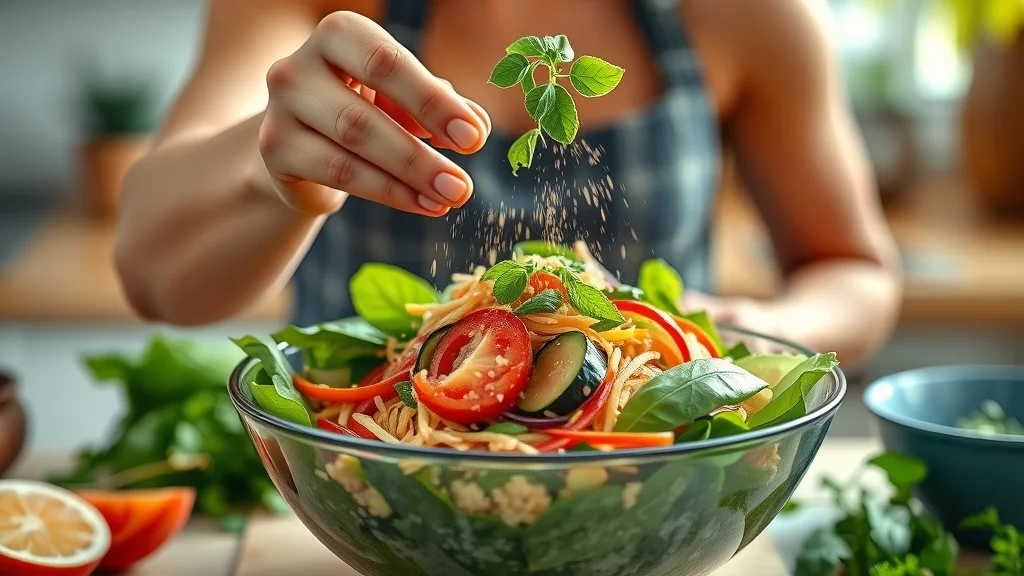
Thailand food and cuisine can be a powerhouse of nutrition when built on an abundance of fresh herbs, vegetables, lean proteins, and beneficial spices. Thai salads, like green papaya salad, burst with vitamins, while soups like tom yum offer probiotics and immune-boosting herbs. The traditional use of coconut milk provides healthy fats, and much of the cuisine is naturally gluten-free due to the reliance on rice noodles and sticky rice.
Spices and herbs, including turmeric, ginger, and coriander, not only enhance flavor but contribute anti-inflammatory and antimicrobial benefits. Balance is also nutritional—frequent meals include a harmony of protein, complex carbs, and healthy fats. With moderate use of oil and sugar, and the encouragement to eat communally, traditional Thai meals promote mindful, shared, and fresh eating.
- Use of fresh vegetables and herbs
- Balance of protein, carbs, and healthy fats
- Spices and herbs with medicinal value
Tips for Making Thai Cuisine Healthier at Home
To optimize the healthy aspects of Thai cuisine at home, focus on steaming or grilling instead of deep-frying and use coconut milk sparingly. Add more vegetables to stir-fries and soups and cut down on sugar and sodium by adjusting dipping sauces. Consider brown rice as an alternative to white, and experiment with tofu or lean meats for protein. Above all, enjoy the communal experience—delighting in a spread of colorful, varied dishes shared with family and friends is as nourishing for the soul as it is for the body.
Must-See: Thai Street Food Tour - Experience Thailand Food and Cuisine LivePeople Also Ask: Thailand Food and Cuisine
What is the famous food of Thailand?
Discover why Pad Thai, Tom Yum, and Green Curry are celebrated icons of Thai cuisine.
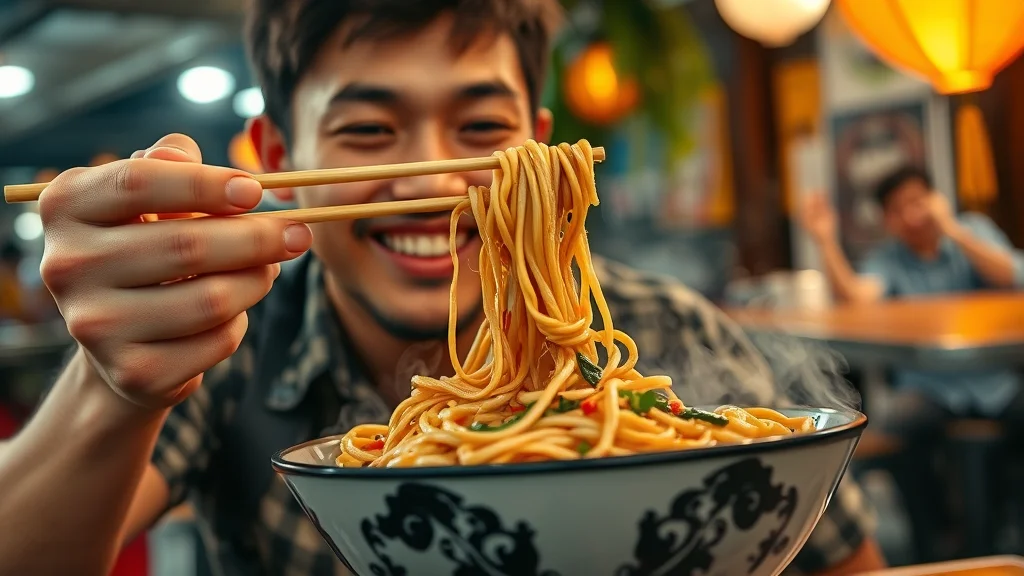
Pad Thai stands as a global ambassador for Thailand food and cuisine. This stir-fried rice noodle dish with egg, peanuts, and tamarind sauce captures the balance of flavors Thai food is known for. Two other icons—tom yum (a spicy-sour soup loaded with shrimp and herbs) and green curry (creamy, fragrant, and spicy with coconut milk)—embody the complex, layered flavors and bright presentations that have made Thai cuisine a worldwide favorite.
What is the #1 selling food in Thailand?
Learn about popular Thai fried rice and Pad Thai as leading favorites in Thailand food and cuisine.
The top-selling foods in Thailand are Pad Thai and fried rice (khao pad). Both dishes are ubiquitous in restaurants and street markets, catering to locals and tourists alike. Pad Thai’s nuanced flavor and approachable ingredients make it universally appealing, while fried rice is customizable and comforting. Their widespread availability and addictive taste make them staples in everyday Thai dining.
What kind of cuisine is Thai food?
Understand the defining characteristics—freshness, flavor balance, and vibrant presentation—of authentic Thai cuisine.
Thai food is a Southeast Asian cuisine defined by a mastery of flavor balance—especially the harmony of sweet, sour, salty, and spicy elements. It emphasizes freshness, with liberal use of herbs, spices, and aromatic vegetables, and is known for the colorful, artistic arrangement of food. Signature sauces like fish sauce and soy sauce add umami, and coconut milk is central to curries and desserts.
What is the food culture in Thailand?
Explore the social significance, communal meals, and festive rituals that surround Thai dishes in everyday Thai life.
In Thailand, food is at the heart of social interactions and cultural celebrations. Meals are typically communal, featuring shared plates so everyone can savor a variety of dishes. Festivals and daily life are marked by food rituals; offerings, prayers, and gratitude are common before eating. Street markets, family gatherings, and temple fairs celebrate the abundance and diversity of Thai cuisine, making it more than just sustenance—it’s an expression of togetherness and joy.
Frequently Asked Questions about Thailand Food and Cuisine
-
Are Thai dishes typically very spicy?
While many Thai dishes have a reputation for heat, you’ll find a spectrum ranging from mild to fiery. Dishes like pad see ew or stir-fried vegetables are usually milder, while tom yum, green curry, and papaya salad can be adjusted for spice to suit your taste. -
Is sticky rice only served as a dessert in Thailand food and cuisine?
No, sticky rice plays a starring role both as a staple with savory northern and northeastern dishes (like khao soi or grilled meats) and in desserts such as sticky rice with mango. Its versatility is a hallmark of Thai cooking. -
How do regional flavors differ in Thai cuisine?
Northern Thai food is herbal and mild; southern Thai food is spicy and coconut-rich, while central and eastern regions focus on flavor harmony and fresh fruits. Each area uses its unique ingredients, reflecting local geography. -
What distinguishes rice noodles from fried noodles in Thai cooking?
Rice noodles are made from rice flour and water and often stir-fried as in pad thai or pad see ew. Fried noodles, like those in khao soi or crispy versions in stir-fries, may be made from egg or wheat flour and are deep-fried or pan-crisped for texture.
Key Takeaways: What Makes Thailand Food and Cuisine Unforgettable
- Bold flavor combinations and vibrant freshness set Thai dishes apart.
- Thai cuisine reflects a mosaic of history, culture, and creativity.
- With a few essential ingredients, you can recreate authentic Thailand food and cuisine at home.
Join the Conversation About Thailand Food and Cuisine
"Share your experiences, questions, and favorite dishes—Thailand food and cuisine is best enjoyed together."
Please like, share and comment on this article.
Conclusion: Whether you’re discovering Thailand food and cuisine for the first time or rekindling a love for these bold flavors, there’s magic waiting in every bite and every shared meal. Dive in, experiment, and savor the unforgettable tastes of Thailand!


Write A Comment