 Add Row
  Add
Add 
Did you know that over 75,000 expatriates currently enjoy their retirement in Thailand, citing ease of visa options and high quality of life as top reasons for staying? Thailand’s warmth, modern comforts, and affordable living make it a top destination for retirees worldwide—yet, understanding the thailand retirement visa requirements is essential before you embark on your golden years abroad
Unlocking Your Golden Years: A Surprising Look at Thailand Retirement Visa Requirements

- The complete list of Thailand retirement visa requirements
- Step-by-step overview of the Thailand retirement visa application process
- Essential financial, health, and legal prerequisites for a visa in Thailand
- Key considerations about living and retiring in Thailand
"Did you know that over 75,000 expatriates currently enjoy their retirement in Thailand, citing ease of visa options and high quality of life as top reasons for staying?" – International Living Magazine
Thailand has become an international hot spot for retirees, thanks to attractive visa options, low cost of living, and a vibrant social scene. To help you navigate the path, this article demystifies the thailand retirement visa requirements, ensuring you’re ready to take the leap. Whether you’re eyeing a beachside condo in Hua Hin, a city apartment in bustling Bangkok, or a quiet Northern escape, knowing what to expect means fewer surprises along the way. Let’s break down all you need to enter this next chapter with confidence.
Understanding the Thailand Retirement Visa: An Introduction
What is a Thailand Retirement Visa?
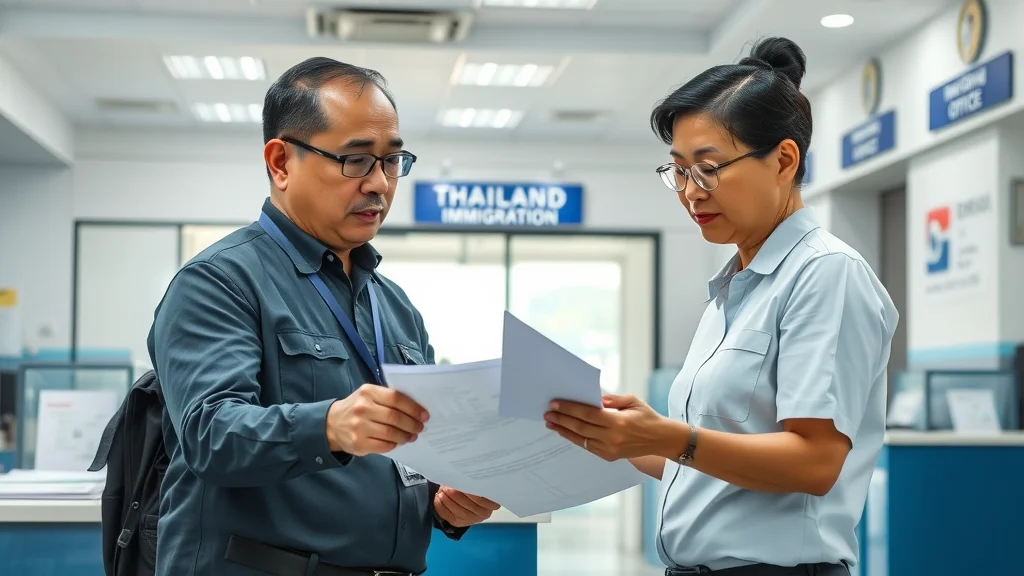
A Thailand retirement visa—commonly known as the “Non-Immigrant O-A” or “O-X” visa—allows foreigners over a certain age to reside in Thailand on a long-term basis. This special visa in Thailand is designed for retirees, granting them legal residency and multiple re-entries without needing to leave the country frequently. Options such as the LTR visa (Long-Term Resident) and the private-sector “Elite Visa” further expand the menu of visa options suited for retirees chasing comfort, security, and adventure during their golden years. Ultimately, this visa provides the freedom to enjoy the best of living in Thailand while ensuring compliance with Thai laws and residency requirements.
Why Retire in Thailand? Benefits & Lifestyle Considerations
Retiring in Thailand is about more than warm weather—it’s about maximizing your quality of life and making the most of your money. Thailand’s affordable healthcare, modern infrastructure, and thriving expat communities create a welcoming environment for retirees. International standard hospitals and a large selection of real estate options further add to the country’s attractiveness. Whether you’re dreaming of daily markets, untouched beaches, or scenic mountain towns, Thailand retirement offers something for every lifestyle.
It’s no wonder retirees describe Thailand as a top choice for retirees—local cuisine, friendly locals, and an international social scene all help create an active, rewarding retirement. However, enjoying these comforts starts with understanding the essential visa requirements and keeping up-to-date with legal changes for long-term residency in Thailand.
Types of Retirement Visas in Thailand: LTR Visa, Elite Visa, and More
Thailand offers several visa options for retirees:
- O-A Retirement Visa: For foreigners aged 50 or older, valid for one year and renewable annually; issued in your home country.
- O-X Retirement Visa: A ten-year, multi-entry visa (with renewal every 5 years), available for select nationalities.
- LTR Visa: The Long-Term Resident visa provides a 10-year residency path for financially qualified foreigners, with easier requirements for high-net-worth individuals and retirees.
- Thailand Elite Visa: A membership-based VIP visa with options ranging from 5 to 20 years, offering expedited immigration, airport services, and other premium privileges.
Key Thailand Retirement Visa Requirements: The Core Criteria
Age and Eligibility for Retirement Visa in Thailand
The basic thailand retirement visa requirements stipulate that applicants must be at least 50 years old at the time of application—this applies to the Non-Immigrant O-A, O-X, and the new LTR retirement visa options. Age is non-negotiable, and your passport must be valid for at least 18 months. Applicants must also demonstrate good health and possess a clean criminal record in both their home country and Thailand.
- Minimum age requirements
- Health requirements
- Clean criminal record
- Valid passport
Most retirement visas in Thailand are single-entry on approval but allow for re-entry permits if you plan to travel. If you’re bringing loved ones, additional criteria and documentation will apply.
Financial Requirement for Thailand Retirement Visa
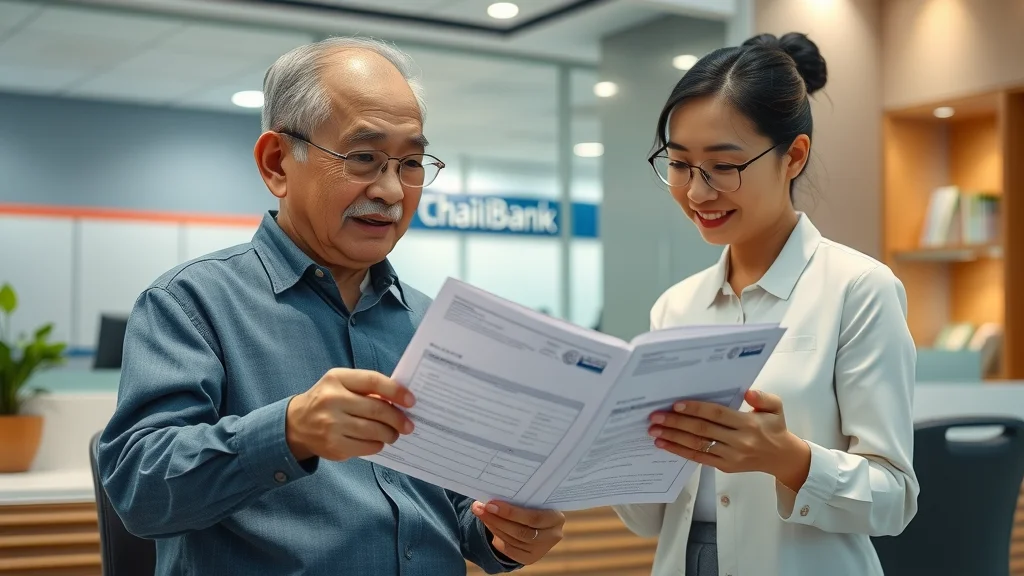
The financial requirement is the cornerstone of the thailand retirement visa requirements. You must prove your ability to support yourself without working:
- Maintain a Thai bank account with a minimum of 800,000 THB (about $24,000 USD) at least two months before your application and three months after approval.
- Alternatively, show a monthly income or pension of at least 65,000 THB (around $2,000 USD), verified by official statements and an embassy letter.
- Combination: In some cases, a mix of savings and consistent income is accepted for your thai retirement visa.
| Visa Type | Required Savings | Required Monthly Income | Applicable Nationalities |
|---|---|---|---|
| O-A Retirement Visa | 800,000 THB in Thai bank | 65,000 THB from pension | All nationalities |
| O-X Retirement Visa | 3,000,000 THB in Thai bank | No monthly requirement | 14 eligible countries |
| LTR Retirement Visa | Varies (often similar or lower, with specific investment/insurance requirements) | Varied (often around 80,000 THB) | Most nationalities |
| Elite Visa | Membership fee only (starts at 600,000 THB) | No proof required | All nationalities |
Health Insurance Obligations for Thailand Retirement Visa Holders

Health insurance is mandatory for nearly all retirement visa holders. The Thai government requires each applicant to demonstrate insurance cover of at least 40,000 THB (outpatient) and 400,000 THB (inpatient) annually. Insurance must be from a provider recognized by the Thai Ministry of Public Health or international equivalent, and a valid policy is necessary not just to obtain but also to renew your visa.
Lack of adequate health insurance can result in a denied application or non-renewal of your visa in Thailand. Keep your insurance documents, payment receipts, and coverage proof updated and ready for each renewal. For O-X visa holders, higher health and financial requirements may apply. Healthcare standards in Thailand are high, and the requirement is intended to protect both retirees and the country’s medical system from unforeseen costs.
Required Documentation for Your Thailand Retirement Visa Application
Presenting complete, accurate paperwork is critical. You’ll need to assemble the following required documents:
- Passport & passport photos: Valid for 18 months (O-X visa) or 6 months (O-A visa) plus recent color photographs.
- Proof of funds: Thai bank account statements, pension slips, and supporting embassy letters.
- Proof of health insurance (Thai or approved international policy).
- Police clearance certificate showing good conduct, obtained from your home country and sometimes from Thai authorities.
- Medical certificate issued within 3 months before application, stating you are free from contagious diseases.
Step-by-Step Thailand Retirement Visa Application Process
- Gather required documentation
- Submit application at a Thai embassy/consulate or immigration office
- Open a Thai bank account
- Meet Thai health insurance requirements
- Attend interview (if required)
- Receive and validate your retirement visa

Successfully navigating the Thailand retirement visa application process requires careful attention to detail. Begin by assembling all required documents as outlined above. Submit them to your local Thai embassy, consulate, or directly at the immigration office in Thailand. If you’re starting your journey from abroad, the application must be complete before traveling. A critical early step involves opening a thai bank account to deposit the required funds, as this will be closely scrutinized during both your initial application and subsequent renewals.
After submitting your paperwork, you may be called for an interview, either at an embassy or at a Thai immigration office. Consular staff will review your documentation for accuracy and completeness, focusing on the financial requirement and health insurance validity. Following approval, your retirement visa is affixed to your passport, and you’re free to officially retire in Thailand.
Where and How to Apply for a Thailand Retirement Visa
The location and method of your application depend on the visa type and your current residency status. Most retirees initiate the process at a Thai embassy or consulate in their home country. However, some nationalities and visa classes (such as the O-A and O-X visas) permit conversion from a tourist visa within Thailand via the immigration office. It is strongly recommended to start abroad, as immigration policies and supporting document requirements are stricter once you’re already in the country. If necessary, agencies and authorized representatives (with power of attorney) can offer tailored assistance, for an additional fee.
Ultimately, early consultation with a Thai immigration expert or reputable visa agent can help clarify the best submission route for your unique situation, significantly reducing delays and stress.
Processing Time and Fees for the Thailand Visa Application
The time required to process a Thailand retirement visa varies between 1 and 4 weeks, depending on the applicant’s nationality, type of visa, and where the application is lodged. Visa fees also differ but are typically between 2,000 and 10,000 THB for government charges. Agency assistance and professional translation may add 15,000–40,000 THB. Make sure to account for medical, police, and translation fees in your overall budget.
| Visa Type | Application Fee | Average Processing Time | Initial Validity | Renewal Frequency |
|---|---|---|---|---|
| Non-Immigrant O-A | 2,000 THB | 2–4 weeks | 1 year | Annual |
| Non-Immigrant O-X | 10,000 THB | 3–4 weeks | 5 years | Every 5 years |
| LTR Retirement Visa | 50,000 THB | 1–2 months | 10 years | None within validity |
| Elite Visa | 600,000+ THB (membership) | 2–8 weeks | 5–20 years | None within validity |
Financial Management: Proving Income and Opening a Thai Bank Account
Meeting the Financial Requirement: Pension vs Savings for Retirement Visa

Proving you meet the financial requirement of your chosen retirement visa hinges on two main strategies: demonstrating a substantial pension or showing sufficient savings. Applicants most commonly choose to:
- Provide consistent evidence of a qualifying monthly income (from pension, Social Security, or recognized investment returns), documented with embassy-certified bank or pension statements.
- Show the required lump sum in a Thai bank account, well in advance of the application.
Note that pension documentation must be in English or Thai and clearly state payment and frequency. Combining income and savings is allowed if you don’t meet either threshold independently, which adds flexibility for retirees managing multiple sources. Coordination with your home country’s embassy is recommended to verify documents for your thai retirement visa.
How to Set Up a Thai Bank Account for Your Visa in Thailand
Setting up a Thai bank account is a crucial prerequisite. Most major Thai banks have branches in all cities and resort destinations. Requirements include presenting your valid passport, proof of a long-stay visa or visa application (sometimes a letter from immigration or your embassy), and an initial deposit. Some banks may request a local address, so securing temporary accommodation beforehand is wise.
Once open, ensure funds for your retirement visa are transferred well before applying, as consular authorities check the account’s transaction history. For added security and smooth renewals, consider establishing online banking and direct deposit for pensions. Timely preparation prevents delays and increases your credibility as a compliant visa holder.
Maintaining the Required Minimum Balance for Thailand Retirement Visa Renewal
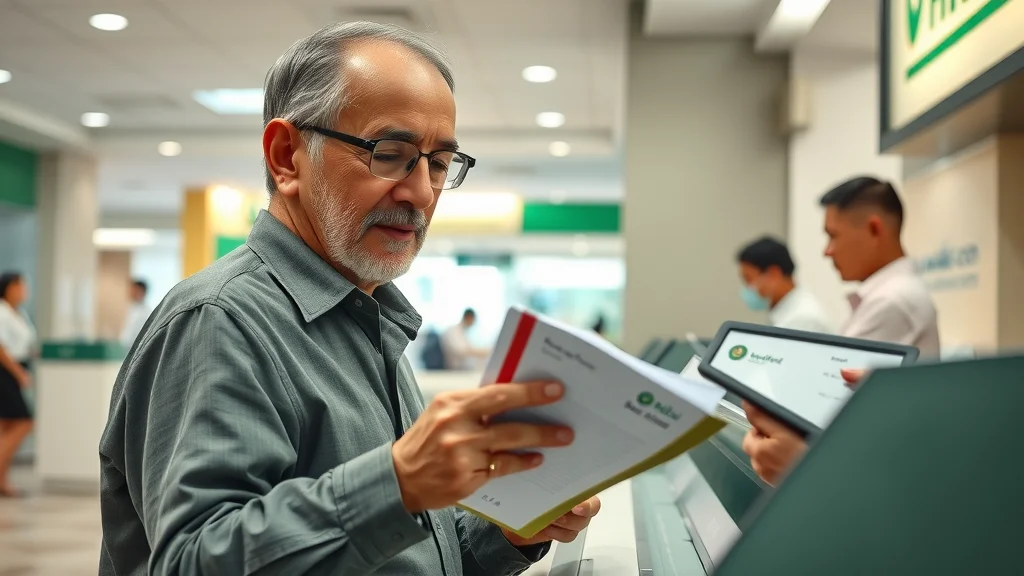
Bank account balances for retirement visa must consistently meet minimum requirements—not just at application but through renewal. Thai immigration typically checks that the 800,000 THB remains untouched for 2 months before and 3 months after the visa is issued. After this period, the balance may be reduced for daily living, but should not fall below 400,000 THB until the next renewal. Non-compliance can result in visa cancellation and possible blacklisting.
Keep meticulous records, bank statements, and consult with your bank advisor to avoid accidental dips below the threshold. Setting alerts or automatic deposits reduces the risk of oversight, allowing you to settle into your retirement in Thailand with peace of mind.
Living in Thailand on a Retirement Visa: What to Expect
Accommodation and Real Estate Options for Retiring in Thailand

Thailand offers a diverse array of real estate options for retirees, from seafront condos on Phuket’s idyllic beaches to modern serviced apartments in Bangkok’s city center, or tranquil villas in Chiang Mai. Foreigners can own condominiums outright (subject to foreign quota) or lease land and houses on long-term contracts. Renting offers flexibility, while buying a condo provides lasting stability for those planning to stay in Thailand for several years. Most international retirees praise the high quality and affordability of housing compared to Western countries.
Doing due diligence and working with registered agents ensures a smooth transaction and protects your investment. Remember, local property laws are complex, so seek advice before placing a deposit. For newcomers, short-term rentals are recommended during your first months after landing on your thailand retirement visa.
Healthcare in Thailand: What Retirement Visa Holders Need to Know
Thailand boasts a world-class healthcare system, with JCI-accredited hospitals in all major cities and resort areas. Holders of a retirement visa must secure private health insurance with sufficient coverage. While the public system offers affordable treatment, it is generally limited to Thai citizens—expats rely on private hospitals and clinics for fast and English-speaking service. Medical costs, even for private care, are significantly lower than in many Western countries, meaning you can afford quality while budgeting for routine care and emergencies.
Carrying a copy of your insurance card and knowing your nearest hospitals ensures responsive care in the unlikely event of illness, adding peace of mind to your retirement in Thailand.
Cost of Living: Managing Your Finances While Retiring in Thailand
Cost of living in Thailand varies by region and lifestyle—Bangkok and island resorts trend higher, while Chiang Mai and smaller towns offer significant savings. Even in major cities, it’s possible to live comfortably on a modest budget. Considerations include rent, utilities, food, transport, healthcare, and leisure. Tracking spending helps ensure your finances remain above the financial requirement for annual visa renewals.
| Expense Category | Bangkok (USD) | Chiang Mai (USD) | Coastal Cities (USD) |
|---|---|---|---|
| Rent (1-bed apartment) | $400–800 | $250–550 | $350–700 |
| Utilities & Internet | $60–100 | $50–85 | $60–100 |
| Food & Groceries | $200–400 | $180–350 | $220–400 |
| Healthcare/Insurance | $75–200 | $75–180 | $75–200 |
| Leisure/Transport | $60–150 | $40–120 | $50–130 |
| Total | $795–1,650 | $595–1,285 | $755–1,530 |
Community and Support: Expat Life in Thailand

Thailand is famed for its thriving expat communities, particularly in Chiang Mai, Hua Hin, Pattaya, and Phuket. These hubs host regular social gatherings, language courses, and support networks that help new arrivals adjust to living in Thailand. Many retirees join clubs, volunteer groups, and fitness classes, making it easy to form lasting friendships and integrate with locals. English-speaking legal, financial, and medical professionals are readily available—especially in expat-heavy neighborhoods.
Being proactive and joining forums or Facebook groups before moving smooths your arrival, ensures you’re quickly informed about changes to visa requirements, and makes daily life more enjoyable.
Thailand Retirement Visa Renewals & Long-term Residency Options
Renewing Your Thailand Retirement Visa: Process & Requirements
The retirement visa is usually valid for one year (O-A) or five years (O-X), renewable as long as you continuously meet the thailand retirement visa requirements. To renew, provide updated proof of funds, valid health insurance, current address, and a clean police record. Most renewals are processed at a local Thai immigration office.
Regular consultation with a visa agent or lawyer reduces errors and ensures timely renewal. Missing the renewal deadline can jeopardize your stay and future eligibility for residency in Thailand.
From Retirement Visa to Permanent Residency in Thailand: Is It Possible?
Securing a retirement visa is a popular first step toward long-term residency in Thailand, but not a guarantee of permanence. After three to five years of uninterrupted stays, some foreigners become eligible for a Permanent Residency Permit, which is subject to stringent quotas, interviews, and additional requirements. An alternative path is the 10-year LTR visa or the Elite Visa program, both designed to streamline long-term options for committed retirees.
- Long-Term Resident Visa (LTR Visa): Up to 10 years, easier for high-income retirees.
- Thailand Elite Visa: 5–20 years, access through paid membership.
Consequences of Non-Compliance with Thailand Retirement Visa Requirements
Failing to comply with the strict visa requirements—such as dropping below the financial threshold, missing health insurance renewals, or late 90-day reporting—may result in visa revocation, fines, or blacklisting. Ensure continuous monitoring and document organization throughout your stay. Professional help can catch potential issues before they threaten your retirement security.
Special Considerations: Frequently Overlooked Retirement Visa Requirements
Reporting Requirements: 90-Day Reporting for Visa Holders
Every visa holder must report their address to immigration every 90 days, either in person, by mail, or online. Missing this step may incur fines or affect visa status. Most expats set reminders or use local agents to assist with reporting, ensuring ongoing compliance.
Family Members and Dependents: Bringing Loved Ones on a Thailand Visa

Many retirees wish to have spouses or dependents join them. For this, your family members can apply for Non-Immigrant O visas as dependents, presenting marriage or birth certificates and meeting basic health and background checks. Spouses and children under 20 often qualify for dependent status, though they cannot work unless they secure a separate work permit.
Advance planning, with translated documents and apostille certifications ready, speeds up the family visa application process and helps relatives settle in smoothly.
Tips for Smooth Thailand Retirement Visa Approval
- Start preparing all documentation—especially financial proof—well in advance.
- Consult official Thai consulate websites and recent government notices.
- Keep health insurance active and updated with each renewal.
- Maintain a Thai bank account with regular, visible transactions to avoid red flags.
- If possible, use the services of a reputable visa agent or immigration lawyer.
- Be honest and transparent during all application interviews.
"A well-prepared application is the key to a stress-free transition into your golden years in Thailand." – Bangkok Visa Consultant
People Also Ask: Thailand Retirement Visa Requirements
What are the requirements for a US citizen to retire in Thailand?
Answer: US citizens need to meet all standard Thailand retirement visa requirements, including minimum age, financial thresholds (800,000 THB in a Thai bank or proof of monthly income), health insurance, and clean criminal record. They must apply at a Thai consulate or through an agent and demonstrate the intent to stay long-term.
How much money do you need in the bank for a retirement visa in Thailand?
Answer: The current Thailand retirement visa requirement is a minimum of 800,000 THB (about $24,000 USD) in a Thai bank account for at least 2 months prior to the application or a monthly income of at least 65,000 THB. Some combinations of savings and recurring income are also accepted.
Can a US citizen live permanently in Thailand?
Answer: While the Thailand retirement visa can be renewed annually, it does not automatically lead to permanent residency. US citizens can apply for permanent residency after meeting certain criteria, but it is a separate and more rigorous process.
How much does a retirement visa agent charge in Thailand?
Answer: Fees for a retirement visa agent in Thailand typically range from 15,000 to 40,000 THB, depending on the level of service, complexity of the case, and whether translations, notary, and consular services are necessary.
Common FAQs: Thailand Retirement Visa Requirements and Beyond
What is the difference between the LTR Visa and the standard Thailand retirement visa?
The LTR Visa targets long-term residents with higher financial means and offers a 10-year validity period, allowing more streamlined renewals and family inclusion. Standard retirement visas (O-A, O-X) are for typical retirees, requiring annual or 5-year renewal, and stricter financial prerequisites.
Can you work while holding a Thailand retirement visa?
No, retirement visa holders are not permitted to work or volunteer in Thailand without a work permit. If you wish to work, you must apply for a separate visa category and obtain the required permit.
How often do you need to renew a Thailand retirement visa?
Most retirement visas require annual renewal, except for the O-X five-year visa and the LTR or Elite Visa, which extend validity to 10–20 years.
Do retirement visa holders have access to public healthcare in Thailand?
No, public healthcare in Thailand is mainly limited to citizens. Retirement visa holders must have private health insurance for their stay, but can access world-class private medical care in English at reasonable rates.
What happens if I fail to meet the financial requirements during renewal?
Failure to maintain the required financial balance or monthly income can result in visa denial, cancellation, or even deportation. Plan your finances carefully and check requirements every year prior to renewal.
A concise explainer featuring a seasoned Thai immigration consultant offering tips for a successful retirement visa application, set in a professional office with Thai decor and visual cutaways to real forms and steps. Friendly and trustworthy advice is shared for retirees looking to start their new life in Thailand.
Key Takeaways on Thailand Retirement Visa Requirements
- The importance of understanding all Thailand retirement visa requirements before applying
- Financial and health insurance requirements are crucial for approval and renewal
- Thailand offers a rewarding lifestyle for retirees, but careful preparation is essential
- Professional help can ease the process but comes with additional costs
Ready to Start Your Retirement Journey?
Please like, share and comment on this article
Thorough preparation and understanding of Thailand retirement visa requirements will pave the way for a seamless and rewarding retirement in Thailand. Your golden years await—plan smart and enjoy every moment!



Write A Comment