

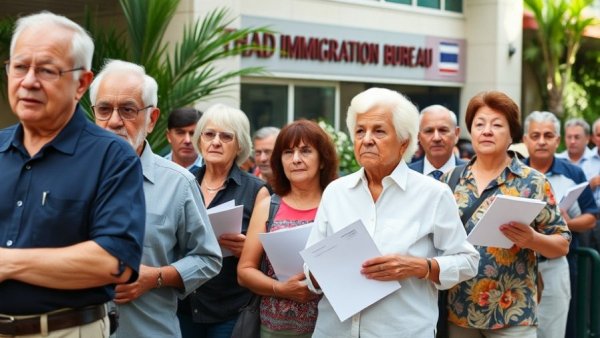
Why Retiring in Thailand is an Attractive Option
For many American retirees, Thailand is emerging as a prime candidate for their golden years. With its vibrant culture, stunning landscapes, and favorable cost of living, it’s easy to see why the Land of Smiles is a popular choice. However, before packing your bags and saying goodbye to life in the U.S., there are some essential things to understand about immigration laws and lifestyle adjustments that could make or break your relocation experience.
In the video 'Thai Immigration: 5 Things Every Retiree in Thailand Needs to Know,' the discussion dives into vital information for retirees, exploring key insights that sparked deeper analysis on our end.
Navigating Thailand’s Immigration Requirements
One of the most critical areas to focus on for anyone considering retirement in Thailand is understanding its immigration and visa requirements. Unlike many countries with a straightforward visa process, Thailand has specific guidelines in place, especially for retirees. You’ll need to apply for a Retirement Visa, formally known as the O-A visa, which is designated for individuals 50 years and older. However, expect to provide proof of income or a bank deposit to ensure you can support yourself during your stay. Knowing these requirements is crucial to avoid any nasty surprises upon arrival.
Healthcare Accessibility and Insurance Considerations
Another important aspect to consider is healthcare. Thailand offers a robust medical system with reputable hospitals and clinics, particularly in major cities like Bangkok and Chiang Mai. However, as American retirees, you should be prepared to navigate Thailand’s healthcare landscape effectively. Having international health insurance that covers expat medical needs is key. You might think you're covered with a Medicare plan, but it generally won’t cover services abroad, so it's vital to do thorough research before making the switch.
The Cost of Living: Budgeting Your New Life in Thailand
The cost of living in Thailand can be significantly lower than in the U.S. Rent, groceries, and everyday expenses often come with a smaller price tag, allowing retirees to stretch their savings further. Still, it’s essential to create a comprehensive budget that considers lifestyle choices, housing options, and potential healthcare costs. Knowing your expected monthly expenses will help you transition into your new life with confidence.
Embracing Thailand’s Rich Culture
Culture shock can be a real challenge for retirees moving to Thailand. Understanding local customs, social etiquette, and language can make a difference in how you connect with both locals and your fellow expats. Try learning basic Thai phrases to enhance your interactions and experience, which can be profoundly rewarding. Engaging in local traditions, festivals, and culinary adventures further enriches your retirement experience, blending discovery with joy.
Maintaining Connections Back Home
While diving into this new life, it’s essential to stay connected to family and friends back in the U.S. Social media, video calls, and even good old-fashioned emails can bridge the gap between worlds. Plus, sharing your experiences can be rewarding and could encourage loved ones to visit, enabling them to witness the new adventures you're embarking on.
In the analysis of Thai immigration from the video titled “Thai Immigration: 5 Things Every Retiree in Thailand Needs to Know,” we find that understanding the ins and outs of transitioning to life in Thailand is crucial for a smooth relocation process. As you weigh your options, the insights from this video can facilitate better decision-making and enhance your adjustment period in this exciting new environment.
Willing to rethink your retirement lifestyle? Explore the prospects of relocating to Thailand and embrace the experience of living within a rich culture and community. Each new adventure awaits!




Write A Comment