Add Row
Add Element
cropper
update
The Expat Essentials Hub
update
Add Element
  • Home
  • Categories
    • Country and Culture Insights
    • Finance, Legal and Taxes
    • Relocation Tips
    • Health Care and Insurance
    • Visa Programs
    • Places to See
  • Leaving America
May 01.2025
3 Minutes Read

Why New Zealand is Becoming a Magnet for Digital Nomads in 2025

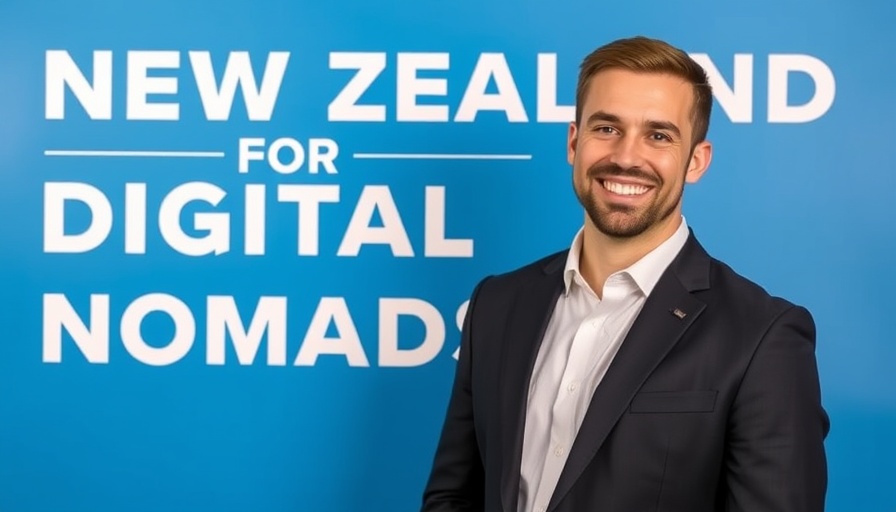
New Zealand Digital Nomad Visa theme with confident man.

Unlocking New Opportunities for Digital Nomads in New Zealand

As the globe embraces the trend of remote work, New Zealand is stepping forward to welcome digital nomads with open arms. Effective from January 27, 2025, visitors to New Zealand can legally work while enjoying the breathtaking landscapes and dynamic culture the country has to offer. This significant policy change reflects the government’s recognition of the growing digital nomad lifestyle, providing new avenues for professionals from various fields—all while generating benefits for the local economy.

A New Approach: Not Just a Visa but a Change in Policy

Although it might be referred to as a digital nomad visa, technically, it's more of a policy adjustment to existing visitor visas. Under the new guidelines, travelers from over 40 countries, including the US, UK, and much of Europe, can engage in work legitimately, provided they maintain their employment with overseas companies. This means that if you're working remotely for a company back home and visiting New Zealand, you can continue your work without the hassle of applying for a work visa, thus simplifying the transition significantly.

Why New Zealand? A Hub for Digital Nomads

New Zealand combines natural beauty with a vibrant cultural scene, making it an appealing destination for digital nomads. For professionals and entrepreneurs, the country offers a refreshing change of scenery—ideal for creativity and productivity. From the majestic peaks of the Southern Alps to the stunning beaches of the North Island, the environment itself serves as an inspiring workplace. Additionally, New Zealand is known for its friendly locals and community-oriented culture which fosters connections among travelers and locals alike.

The Regulatory Framework: Expert Insights

While the new policy has exciting implications, it does come with certain caveats. David Andrews, an immigration advisor, points out key limitations: applicants cannot engage with New Zealand employers or start a business while on this status. This policy aims not only to boost tourism but also to protect local job markets. Therefore, potential digital nomads should pay close attention to compliance to avoid complications.

Understanding Local Workspaces: The Co-working Conundrum

A common question among digital nomads pertains to where they can work. The allowance for coworking spaces has been a hot topic of discussion. Using a coworking space does not negate the rules as long as individuals are not considered employees of a New Zealand client or company. This opens doors for a flexible work environment while enjoying engagement with other creatives and professionals in collaborative spaces.

Future Insights: The Growing Digital Employer Market

With an increasing number of companies embracing remote work, the digital job market continues to expand globally. The demand for talent that can work from anywhere positions New Zealand as a favorable destination for many looking to escape traditional office settings. As the local talent landscape evolves, digital nomads may find more opportunities emerging within industries such as tech, marketing, and consulting.

Take the Leap: What This Means for You

This policy shift is great news not just for nomadic professionals but also for anyone looking to explore New Zealand's rich culture while continuing their career. If you're considering making the leap to work remotely in New Zealand, start preparing now by ensuring you understand both the opportunities and limitations this change brings. Reach out to immigration experts for personalized advice and gather insights on making the most of your time in New Zealand.

While this program may not officially classify as a digital nomad visa, it certainly embodies the spirit of what it means to be a modern worker. If you’re ready for a fresh perspective, consider what New Zealand has to offer and how you can contribute to its culture while continuing to thrive professionally.

Relocation Tips

5 Views

0 Comments

Write A Comment

*
*
Related Posts All Posts
12.13.2025

Don’t Let Politicians Control Your Money: Take Charge Today

Update Understanding the Political Influence on Personal Finances In a world where financial autonomy is often hampered by governmental policies, it is essential to grasp how political decisions impact your financial landscape. Politicians wield considerable power to shape fiscal policies that directly affect your retirement savings, investments, and overall financial well-being, especially for retirees and those transitioning into new life stages.In 'Stop Letting Politicians Control Your Money,' the video presents a critical look at how governmental actions influence individual financial well-being—an issue that prompts deeper exploration here. The Consequences of Political Control Over Money Economies thrive on individual choice and market dynamics, yet when politicians intervene, it can lead to mismatches in supply and demand, inflated prices, and restrictive regulations. Many retirees today find themselves grappling with the ramifications of such control, as their hard-earned savings are subject to taxes, fees, and bureaucratic obstacles that can erode purchasing power. The ongoing debate about governmental intervention in financial markets poses a critical question: are the potential benefits outweighing the losses sustained by the average citizen? Empower Yourself: Financial Tools and Resources for Independence If you're part of the demographic grappling with these issues – retirees, baby boomers – it's time to explore tools that can help you reclaim your financial narrative. Investment in online platforms offering retirement accounts with reduced fees, real estate, and other assets can serve as an antidote to overbearing political influence. Digital nomads, particularly those whose work can be done remotely, might consider leveraging offshore banking for potential tax benefits. Understand your options and make decisions that can shield you from the ups and downs of political whims. Future Predictions: The Rise of Financial Sovereignty Your ability to control your finances may very well depend on the trends society embraces in the coming years. As awareness of political interference grows, movements advocating for fiscal independence are expected to gain momentum. Whether through decentralized finance (DeFi), which allows peer-to-peer finance without intermediaries, or new legislation that supports personal investment autonomy, a shift is approaching. This will empower individuals, particularly those nearing retirement or living off fixed incomes, to make choices that align with their financial health. You Have a Voice: Demand Accountability From Politicians As benefactors of the policies set forth by politicians, it is our duty to hold them accountable. Engaging in discussions about fiscal policies that truly benefit us is essential. Attend town halls, communicate with representatives, and advocate for transparency. Remember, as a voter, you possess the power to influence decisions that shape your financial future. Creating a Secure Financial Future To navigate the complex financial waters shaped by political influence, start by setting clear financial goals. Is your priority wealth accumulation for retirement? Or perhaps sustaining your lifestyle as you travel the world? By understanding the potential risks linked to political control over your finances, you can develop a diversified portfolio that minimizes dependence on governmental financial systems. This robust approach not only secures your immediate financial future but also instills confidence in future generations. Understanding how politicians control money and its implications is crucial for retirees and digital nomads alike. As you enhance your financial literacy and connectivity with fellow citizens advocating for personal financial rights, you position yourself as a proactive participant in shaping your economic destiny.

12.11.2025

Open a Bank Account in Cambodia: A Simple $50 Solution for Expats

Update Start Your Banking Journey in Cambodia with Just $50 For many retirees and digital nomads seeking new experiences, opening a bank account abroad can seem like a daunting task. However, the allure of banking in Cambodia lies in its accessibility, offering opportunities for both financial growth and personal exploration. With a minimum opening balance often as low as $50, Cambodia presents an inviting option for those looking to expand their financial horizons.In 'Open a Bank Account in Cambodia For as Little as $50', the discussion dives into the simplicity and accessibility of banking in Cambodia, exploring key insights that sparked deeper analysis on our end. Understanding the Cambodian Banking Landscape Keen travelers and expats will find that Cambodia's banking system is experiencing a renaissance. As more foreigners flock to its shores, the banks have adapted to accommodate this influx. Local banks provide a range of services including online banking, currency exchange, and even investment options—making them suitable for individuals from diverse backgrounds. While the banking sector remains relatively young compared to Western standards, it is growing rapidly. Institutions like the ACLEDA Bank and Canadia Bank offer services tailored to both residents and expatriates, demonstrating the country’s commitment to foreign investment and economic development. Why Choose to Open a Bank Account in Cambodia? Reasons for opening an account in Cambodia vary widely, from practical needs to financial strategies. For retirees and baby boomers, having a local bank account simplifies financial transactions whether relocating or spending extended holidays. Having a place to store funds also enhances personal safety, mitigating the need to carry large sums of cash. Moreover, digital nomads can benefit tremendously. In a time when remote work is on the rise, having a local account may streamline international transactions and facilitate smoother financial management. This is essential for those who work freelance or run businesses while navigating multiple currencies. What You Need to Know: The Account Opening Process Opening a bank account in Cambodia is straightforward. Generally, you will need to provide: A valid passport and visa, or residency documentation Proof of address, such as a rental agreement or utility bill A minimum deposit, which can be as low as $50 depending on the bank Once you have these documents, the process is typically quick, allowing you to access your funds almost immediately. This is especially appealing for retirees eager to settle swiftly into their new lives in Cambodia. Exploring Financial Advantages: Currency and Stability Your financial decision should also take into account Cambodia's currency—the Cambodian Riel (KHR)—and its ongoing dollarization. Many transactions are conducted in US dollars, which can mitigate currency fluctuation risks. This dual-currency system makes managing your finances more accessible, particularly for expatriates coming from the US. Moreover, Cambodia boasts a relatively stable economy and a growing middle class. Investing your money in local banking could yield increased opportunities for financial growth as the market develops. Beyond Banking: Embracing Cultural Experiences For many retirees, moving to Cambodia is not merely about finances—it's about embracing a vibrant culture and lifestyle. The rich history, stunning landscapes, and friendly locals create a unique experience that extends far beyond just banking. Engaging with the community through local markets and events can further enrich the transition. Additionally, healthcare in Cambodia is also becoming increasingly reliable, borrowing aspects from international standards while remaining affordable. For retirees concerned about medical care, understanding the nuances of local insurance options often leads to informed decisions. Prepare for the Journey: Essential Tips for Expats As you prepare to open an account and settle down in Cambodia, consider these practical tips: Research local banks and read reviews from expats. Familiarize yourself with the local laws regarding banking to avoid any surprises. Networking with fellow expatriates can provide insights and tips that will ease your transition. The right preparation will foster not only financial success but a fulfilling lifestyle in your new home. As you navigate the prospect of opening a bank account in Cambodia, remember it’s about more than just finances—it's about starting a new chapter, creating opportunities for personal growth, and enjoying the warm embrace of a country rich in culture and possibilities.

12.11.2025

Unlocking the Secrets of Mortgages in Spain for Foreign Buyers

Update Understanding the Spanish Mortgage Market for Foreign Buyers Navigating the mortgage landscape in Spain can feel like a daunting challenge, especially for foreigners who are unfamiliar with the financial environment and legal stipulations unique to this country. However, as a goal for many Baby Boomers, digital nomads, and retirees, understanding this process can unlock opportunities for owning a home abroad, whether it's a vacation property or a permanent residence. Can Foreigners Secure a Mortgage in Spain? Yes, securing a mortgage in Spain is feasible for non-residents and expats, although it comes with caveats. Banks in Spain often approve loans for individuals from various countries, including the UK, USA, Canada, Australia, and many European nations. However, it's essential to note that foreigners are typically offered less favorable terms compared to Spanish citizens. This generally translates to stricter affordability assessments, a requirement for more detailed documentation, and a reduced loan-to-value ratio. While Spanish residents can secure up to 80% of the property value, non-residents usually see that number drop to between 60% and 70%. This can necessitate a significant upfront deposit — planning is key. Eligibility and Requirements for Foreign Buyers In order to qualify for a mortgage, foreign applicants must demonstrate stability in their employment, provide proof of income, and showcase a sound credit history in their home country. Many banks require translated or apostilled documents, ensuring that foreign income and employment eligibility are verifiable. For those looking to invest, it is vital to prepare for additional costs that may amount to up to 13% of the property's purchase price for taxes, fees, and closing costs. Challenges and Opportunities in Acquiring Spanish Mortgages While the process may include hurdles—such as additional paperwork and translating documents—many foreign buyers find the process manageable, particularly with expert guidance. The administrative challenges often eclipse financial barriers; maintaining a clear financial record can ease the path ahead. With good planning and organization, foreigners can successfully navigate the mortgage application process, making Spain a viable option for real estate investment. Specific Experiences for UK and US Citizens Both UK and American expats find themselves in favorable positions when it comes to mortgages in Spain, despite slightly different processes due to their unique financial compliance mandates. Following Brexit, UK citizens may face more stringent documentation requirements, but Spanish banks still prioritize lending to this large demographic. American citizens, on the other hand, must consider additional US regulations, such as compliance with the Foreign Account Tax Compliance Act (FATCA). Both groups can successfully secure mortgages if they meet the financial and documentation requirements set forth by Spanish lenders. Making Informed Decisions on Spanish Properties With the right understanding and preparation, accountability can open many doors to owning property in Spain. Foreign buyers must remain vigilant about market conditions, legal complexities, and financial responsibilities. By preparing meticulously, they can assess properties with confidence and fully embrace the opportunities awaiting them in the Spanish real estate market. As you consider your options and embark on this significant investment journey, professional mortgage guidance will prove invaluable. Organizations such as Pellicer & Heredia can provide personalized advice to facilitate smooth transactions, ensuring that the dreams of owning a piece of Spain become a reality.

Terms of Service

Privacy Policy

Core Modal Title

Sorry, no results found

You Might Find These Articles Interesting

T
Please Check Your Email
We Will Be Following Up Shortly
*
*
*