


cropper
The Expat Essentials Hub
  • Home
  • Categories
    • Country and Culture Insights
    • Finance, Legal and Taxes
    • Relocation Tips
    • Health Care and Insurance
    • Visa Programs
    • Places to See
    • Thailand Retirement
  • Leaving America
February 14.2026
3 Minutes Read

Is Hong Kong the Place for Expats in 2026? Essential Insights Revealed

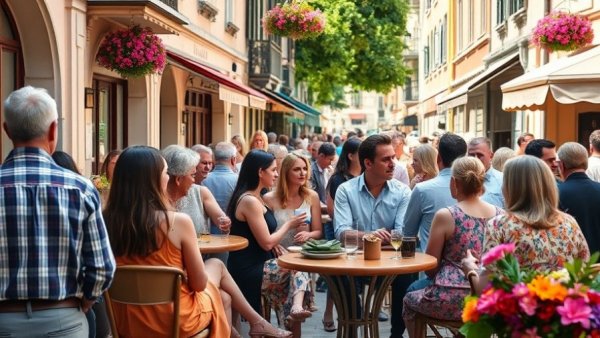
Man indoors discussing if Hong Kong is the place to move to in 2026.

The Enigmatic Allure of Hong Kong for Retirees and Digital Nomads

As we contemplate future relocations, the vibrant city of Hong Kong often stands out as a beacon for retirees, baby boomers, and digital nomads alike. Offering a unique blend of Eastern and Western cultures along with a thriving financial hub, it beckons those aged between 45 and 65, promising both adventure and comfort in retirement.

The video 'Is Hong Kong The Place to Move to in 2026? (The Honest Truth)' presents an intriguing perspective on relocating to Hong Kong, sparking essential conversations and analysis about its real value to retirees and digital nomads.

Is Hong Kong the Ideal Destination for Expats?

While the idea of moving to Hong Kong holds an undeniable allure, it is important to analyze the nuances associated with such a significant life choice. The city’s robust infrastructure, incredible dining options, and proximity to travel opportunities make it a dream for many. Yet, the increasing cost of living and political unrest might raise concerns for potential newcomers.

Cost of Living: A Double-Edged Sword

Cost is often the first deterrent for those considering a move. Hong Kong is known for its sky-high real estate prices, one of the most expensive in the world. Retirees must carefully assess their budget before making the leap. For digital nomads or retirees expecting a moderate lifestyle, it’s crucial to balance the allure of the city with its significant financial demands.

Visa Programs: Pathways to Relocation

Gaining legal residency through the various visa programs offered by Hong Kong can be daunting. However, understanding available options such as the Quality Migrant Admission Scheme or the Employment Visa can help streamline the process. Being well-informed about these programs is essential for those seeking to secure their spot in this bustling metropolis.

Cultural Insights: Embracing the Local Life

Hong Kong's rich cultural tapestry provides a myriad of opportunities for exploration. From vibrant festivals to authentic cuisine, immersing oneself in the local culture can enhance the moving experience. It’s essential to engage with local communities to make the transition smoother, as building relationships can prove invaluable for future expatriates.

The Bigger Picture: Future Insights and Opportunities

As the world continues to evolve, predictions surrounding global trends and relocation opportunities arise. With its strategic location in Asia, Hong Kong is poised for significant developments that could favor retirees planning for a long-term stay. Being educated on these future trends can provide expats with strategic advantages as they plan their next chapter.

Health Care and Insurance: A Crucial Consideration

Health care quality is a significant factor influencing relocation decisions. Hong Kong boasts a high-quality healthcare system; however, expats need to secure appropriate health insurance to avoid unforeseen costs. Careful planning ensures retirees can enjoy the impressive medical facilities without undue financial stress.

Building a New Life: Actionable Insights for Potential Relocators

Before taking the plunge to move, those considering relocation to Hong Kong should engage in practical research. Exploring online forums, connecting with local expatriate communities, and even visiting the city beforehand can provide rich insights. Creating connections before the move is invaluable in laying down the groundwork for successful relocation.

Ultimately, moving to Hong Kong is an adventure filled with possibilities and challenges. As a retiree, digital nomad, or baby boomer, understanding the complexities and opportunities of life in this city can turn a dream into reality.

In summary, the prospect of relocating to Hong Kong is as exciting as it is complicated. The balance between its rich culture and financial realities demands thorough reflection for those hoping to make this city their new home.

Country and Culture Insights

16 Views

0 Comments

Write A Comment

*
*
Please complete the captcha to submit your comment.
Related Posts All Posts
11.12.2026

Navigating Finances as You Adjust to Life in a New Country

Update Understanding the Financial Landscape of Your New Country Moving to a new country can be an exhilarating adventure, offering the promise of fresh experiences and diverse cultures. However, the financial adjustment often proves to be more challenging than anticipated. Many expats arrive with expectations of lower monthly expenses, only to face the reality of higher rent, transportation costs, and grocery bills. It’s essential to grasp what everyday life will actually cost before settling in. Prices can vary dramatically between different neighborhoods, particularly with housing. While a furnished apartment in the city center may catch your eye, you might find more economical options further out. Visit local supermarkets, review transportation costs, and research rental prices widely, steering clear of solely relying on online cost-of-living estimates. Actual expenses often diverge significantly from initial research. Creating a Realistic Budget for Your New Lifestyle Your previous budgeting strategies may not translate seamlessly to your new financial environment. For instance, you may spend less on public transport but find that your healthcare insurance requires a larger chunk of your income. During the initial months in a foreign land, it’s crucial to track your essential expenditures meticulously. This practice will not only inform your entertainment budget but may also spark a reconsideration of your saving habits. To manage costs effectively, focus on small, sustainable lifestyle changes. Cooking at home more frequently or opting for monthly transit passes can help free up funds for unforeseen expenses. Currency Exchange and Banking: Navigating New Terrain Managing finances across borders introduces complexities, particularly regarding currency exchange. If your income is in one currency but expenses in another, fluctuations in exchange rates can significantly impact your purchasing power. Be aware of potential fees for international transfers and ATM withdrawals; these can catch you off guard if you're not informed beforehand. Before relocating, check whether your current bank accounts accommodate international transactions and familiarize yourself with local financial regulations, as countries often require specific identification or residency documentation to open new accounts. Preparing for Initial Move-In Costs The first few months abroad can bring unexpected expenses. Rental deposits, temporary housing arrangements, and the costs for establishing utilities can accumulate rapidly. Additionally, there may be expenses related to residence permits, translated documents, and other administrative necessities, easily overlooked amidst the excitement of your move. Consider creating a separate relocation budget to manage these costs effectively, ensuring that they do not eat into your everyday living funds. Ask landlords or agents about possible upfront payments and whether utilities are rolled into the rent. Understanding Local Financial Systems and Payment Habits Each country has distinct financial practices, including differing norms regarding cash and card usage. While some nations embrace cashless transactions, others still rely heavily on cash for daily purchases. Understanding these local habits can ease transitions and simplify daily transactions. Be particularly aware of residency rules and tax obligations; depending on your employment situation, you might find yourself subject to reporting requirements in both your home country and your new residence. Engaging a financial professional who specializes in international taxation can be invaluable in ensuring compliance without stress. The Importance of an Emergency Fund for Expats Coping with unexpected financial challenges abroad can be daunting. A medical emergency, sudden travel requirement, or housing issue can surface unexpectedly, necessitating quick access to funds. Ensure you have an easily accessible emergency fund, perhaps in an account that supports international transactions. Some expats choose to maintain finances in both their home country and their new one to prepare for unforeseen obligations. As you set up this fund, consider how quickly you can access these resources if emergencies arise. Avoiding Impulsive Spending During Your First Year The allure of a new environment is often overwhelming, prompting a desire to explore local cuisine, visit attractions, and quickly decorate your new living space. While these activities are enticing individually, they can quickly accumulate into substantial expenditures. It’s wise to postpone major purchases until you have settled in and better understood your financial standing. Instead, take the time to explore less expensive options like local markets, home-cooked meals, and public transit to reduce your financial burden. Staying Aligned with Long-Term Financial Goals While an international move can shift your daily priorities, it doesn’t alter long-term financial objectives. Whether saving for retirement, repaying debts, or building emergency savings, consider how these aims mesh with your new lifestyle. As your new situation stabilizes, periodically reviewing your finances will provide clarity on your saving potential while maintaining the lifestyle you envisioned when relocating. Remember, adjusting to a new financial landscape requires patience and adaptability. Finding Financial Stability in Your New Life Understanding and adapting to the financial landscape of your new home is key to a successful transition. This journey requires patience, vigilance in managing expenses, and a willingness to make necessary adjustments. With a realistic budget, an accessible emergency fund, and a grasp of local financial systems, everyday decisions will become more manageable. By prioritizing your financial wellness, you open doors to focus on creating a fulfilling life in your new surroundings rather than constantly worrying about each expenditure.

11.11.2026

Unlock the Secrets of Making Friends Abroad as an Adult

Update The Journey of Building Friendships While AbroadFor anyone who has moved abroad, there's a universal experience that often goes unspoken. After the excitement of arrival and settling in subsides, a daunting realization often dawns: you have no one to call on a quiet evening. It's a feeling that can creep in slowly, and yet it’s a chapter that many expats face. The manuals and online blogs may guide you on how to secure housing and navigate bureaucracy, but they seldom cover the art of transforming a new place into home through meaningful connections.Why Adult Friendships Are DifferentBuilding friendships as an adult can feel like an uphill battle. Reflecting on our younger years, friendships often formed effortlessly due to shared environments and spontaneous, unstructured time. The convenience of having friends nearby is replaced by the complexities of adult life, particularly when you find yourself in a new country. This experience can amplify what is already a challenge: the friendships we once took for granted seem like a distant memory. The reality is that the absence of shared history, cultural understanding, and the ability to communicate fluently can make forming connections feel like an insurmountable hurdle.Redefining Loneliness: A Step Towards ConnectionUnderstanding this loneliness is essential. It's not a sign of failure; rather, it marks the beginning of a journey that, while slow, can lead to meaningful relationships. The narrative often told is one of instant community; however, the truth lies in the patient, deliberate cultivation of relationships. A coffee with a neighbor or joining a weekly class can gradually shift your experience from solitude to belonging. Thus, letting go of expectations of immediate connection can free you to take the practical steps needed to build a social life.Strategies for Cultivating FriendshipsThe key to establishing friendships abroad often lies in intent. Approach building a social life as if it's a project that requires active engagement and effort. Frequenting spaces where you expect to meet the same people can significantly increase your chances of forming lasting bonds. Regular activities—be it a language exchange, a sports team, or a hobby group—create opportunities for repeated, unplanned interactions, a vital ingredient for friendship development.Shared Interests: The Shortcut to ConnectionFinding a common passion before even stepping into a new scenario can drastically ease the process of forging friendships. By engaging in activities related to interests you already hold dear, you remove the uncertainty from starting conversations. The beauty of shared hobbies is that they provide an immediate common ground, ensuring that your first interactions are meaningful and fulfilling.Leveraging Technology for ConnectionIn today's digital age, technological tools can enhance your journey of making connections. Utilizing community apps, networking platforms, and local online groups designed for newcomers can streamline the process of filling your calendar with social opportunities. Other recent arrivals share your experience and struggles, and you may find them just as eager to build friendships as you are.Confronting Challenges and Embracing PossibilitiesEmbarking on a new life in an unfamiliar place comes with its unique challenges, from language barriers to cultural nuances. However, facing these challenges head-on often leads to personal growth and enriched experiences. Each encounter has the potential to teach valuable lessons, whether in social customs or simply in the beauty of diversity itself.Taking Action: Your Journey AwaitsThis article serves as an invitation to reflect on your own experiences with loneliness and connection. Recognize that building friendships doesn’t happen overnight, and that’s okay. Approach your new surroundings with an open heart, recognizing each small step as part of a larger journey. Reach out, join local gatherings, and leverage technology to bridge the gap you feel. Your story is just beginning, and with it comes the promise of connections waiting to be made.

11.10.2026

Is Off-Season Croatia Worth It? Discover Cost, Crowds, and Culture

Update Off-Season Croatia: A Hidden Gem Or Just A Quiet Destination? Traveling to Croatia during the off-season can often be a mixed bag of experiences, particularly for professional travelers, entrepreneurs, and digital nomads seeking a balance between adventure and peace. In off-peak months like November through March, many wonder: Is it really worth it? Let's dive into the costs, crowds, and everyday life in Croatia during these quieter times. Cost Savings: The Financial Benefits of Visiting Off-Season One of the most compelling reasons to visit Croatia off-season is the significant savings on travel expenses. Accommodations in popular cities like Dubrovnik and Split can drop by as much as 50% during these months. Additionally, flights tend to be less expensive, allowing you to allocate your budget to experiences rather than just logistics. Many local restaurants offer off-season deals, allowing for affordable and delicious meals amidst coastal views. Crowds: Enjoying The Attractions Without The Rush For those looking to explore without the hustle and bustle, off-season travel presents a unique opportunity. Major attractions such as the Plitvice Lakes National Park or the ancient walls of Dubrovnik can be less crowded, making for a more enjoyable and immersive experience. There’s something peaceful about strolls through picturesque streets without the distraction of tourist throngs. The Beauty of Everyday Life in Croatia Another aspect often overlooked is the chance to experience real Croatian culture. Off-season months push many tourists away and instead allow for deeper interactions with locals. From sharing a coffee in a small, tucked-away café to engaging in local traditions during festivals and holidays, you’ll likely find a sense of community that isn’t as accessible during peak times. Consider visiting local markets where you can purchase fresh produce, handmade gifts, and absorb the authentic culture of the towns. Weather Considerations: Embracing The Elements One important factor to consider when traveling off-season is the weather. While the summer months provide sunny skies ideal for beach days, winter in Croatia can be surprisingly mild, especially along the coast. If you're open to cooler temperatures, this might be the perfect time to explore the country’s beauty without the sweltering heat. Packing layers can help you enjoy hikes, cycling, and exploring charming villages even with cooler temperatures. Future Trends: Remote Work and Travel Opportunities As the trend of remote work continues to grow, more professionals are taking advantage of the flexibility to work from abroad. Croatia's off-season presents an attractive option for those looking to branch out while still meeting work obligations. Facilities like co-working spaces are adapting to cater to this demographic, offering networking opportunities alongside the chance to explore a vibrant culture. Practical Tips: Making The Most of Your Off-Season Trip 1. **Plan Ahead**: While fewer crowds allow for spontaneity, it's wise to research ahead for specific local experiences. 2. **Stay Flexible**: Weather can be unpredictable. Have alternative plans, especially for outdoor activities. 3. **Engage Locally**: Make connections with residents who can provide insights into local gems not found in guidebooks. It's a great way to immerse yourself in true Croatian culture. Conclusion: Is Off-Season Croatia Worth It? In conclusion, off-season travel to Croatia is certainly worth considering, especially for those looking for cost savings, less crowded experiences, and more authentic cultural interactions. While it might not be the sunniest time of year, the peaceful beauty and financial advantages can make for unforgettable journeys. So, why not take the plunge and experience Croatia in its quieter, yet equally compelling, off-season charm? As you consider your next travel destination, think about exploring the allure of off-season Croatia. Whether you’re a digital nomad, a retiree seeking new adventures, or just someone looking to escape the everyday for a bit, there’s richness waiting to be uncovered!

The Expat Essentials Hub

The source for expat articles and video related to top countries to consider, visa programs, health care, and relocation tips.

Green Street Consulting LLC

  • Privacy Policy
  • Terms of Use
  • Advertise
  • Contact Us
  • Menu 5
  • Menu 6

864 535 6456

PO Box 936
Greer, South Carolina

ABOUT US

My wife and I created this media site to serve as a valuable resource for expats and those considering an expat lifestyle. We lived in Doha, Qatar, as expats, and now live in Thailand.

© 2026 CompanyName All Rights Reserved. Address . Contact Us . Terms of Service . Privacy Policy

Terms of Service

Privacy Policy

Core Modal Title

Sorry, no results found

You Might Find These Articles Interesting

T
Please Check Your Email
We Will Be Following Up Shortly
*
*
*