Add Row
Add Element
cropper
update
The Expat Essentials Hub
update
Add Element
  • Home
  • Categories
    • Country and Culture Insights
    • Finance, Legal and Taxes
    • Relocation Tips
    • Health Care and Insurance
    • Visa Programs
    • Places to See
  • Leaving America
April 28.2025
3 Minutes Read

Moving to Portugal Alone at 56: Discover the Truth About the Journey

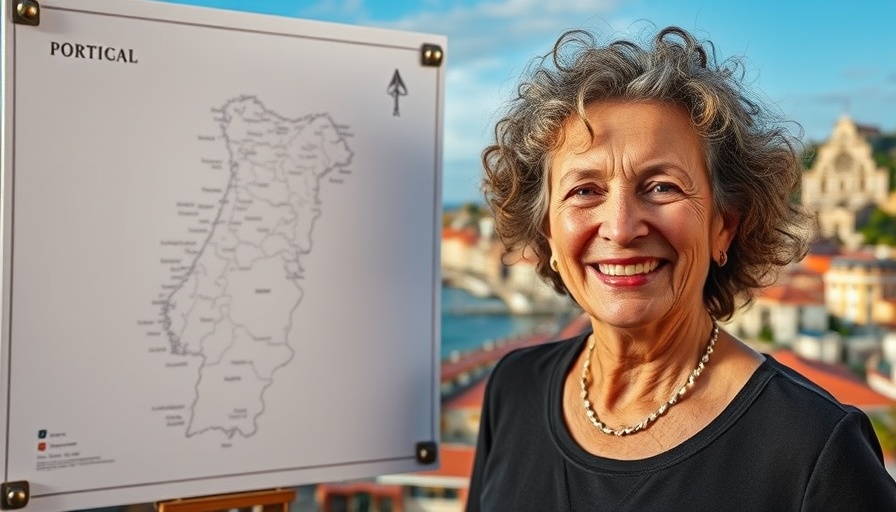
Older woman discusses moving to Portugal alone at 56, vibrant Porto skyline.

Exploring the Joy of Moving to Portugal Alone

At the age of 56, making the decision to move to Portugal alone can feel both exhilarating and daunting. Many people in their mid-life wonder if they can truly embrace such a change, especially those who have spent years cultivating their careers and social circles. My story highlights my personal journey through this significant transition, sharing the ups and downs of relocating, and shedding light on the reality of living abroad.

Why Portugal? The Allure of the Iberian Peninsula

Portugal isn’t just a beautiful country; it’s a vibrant tapestry of history, culture, and modern amenities. Imagine enjoying breathtaking coastal views, friendly locals, and a slower pace of life that encourages connection and reflection. This European gem offers excellent healthcare, affordable living costs, and a welcoming expat community that makes it easy to immerse yourself into the local lifestyle.

Taking the Leap: What to Expect When You Leave Your Comfort Zone

Adjusting to a new environment at any age comes with its challenges. At 56, you may find that social networks are harder to establish and that you are more vulnerable to feelings of isolation. However, it’s essential to approach this transition with an open heart and the mindset that every new experience enriches your life. I recall my first few months feeling both overwhelmed yet liberated as I explored bustling markets, tasted diverse cuisines, and attended local festivals.

Building a Supportive Community Abroad

The significance of community cannot be overstressed. Before moving, I researched online forums and social media groups to connect with fellow expats and locals. Engaging in conversations with those who have experienced similar transitions proved invaluable. Not only did it provide me with practical advice about navigating bureaucracy, but it also fostered friendships that helped ease my transition into a new culture.

Overcoming Challenges of Relocation

While I embraced my adventure, I also encountered several challenges, ranging from paperwork for residency applications to adjusting to the language barrier. Learning Portuguese became an essential part of my integration; it opened doors to deeper relationships with locals and enhanced my day-to-day experiences. Finding a language partner or taking classes can significantly help bridge that gap.

Financial Guidance: Budgeting for Your Move

Many prospective expats worry about the financial implications of moving abroad. It’s vital to budget carefully and consider factors like healthcare, housing, and entertainment. Portugal offers lower living costs compared to many other Western European countries, but it’s essential to have a clear picture of your financial situation. I began by creating a detailed budget, factoring in potential unexpected expenses, which created a safety net and gave me peace of mind.

Preparing for a Lasting Transition via a Growth Mindset

The personal growth that comes from stepping outside your comfort zone is invaluable. It promotes resilience, adaptability, and overall mental well-being. I encourage individuals contemplating a move to embrace this opportunity for self-discovery and to remain patient with themselves. Each small step can lead to fulfilling new experiences and lasting memories.

Conclusion: Is Moving to Portugal Alone Worth It?

Reflecting on my journey, I can wholeheartedly say yes. If you’re considering making a significant life change, remember that each challenge comes paired with unique opportunities for growth. Take that leap; discover the world anew at any age. Moments of doubt are natural, but so are countless experiences waiting for you. As you consider this transformative step, let your heart guide you, and relish in the adventure.

Country and Culture Insights

5 Views

0 Comments

Write A Comment

*
*
Related Posts All Posts
12.15.2025

Understanding the US Dual Citizenship BAN: Exploring What It Means for Citizens

Update The Implications of the US Dual Citizenship Ban The recent proposal by a senator from Ohio to ban dual citizenship among U.S. citizens is stirring significant debate as it threatens to upend the lives of millions of Americans. With approximately 40 million individuals holding dual citizenship, the potential consequences extend beyond mere administrative hurdles; they could greatly inhibit personal freedoms and international mobility.In US Dual Citizenship BAN: Will You Lose Your Passport?, the discussion dives into the implications of the proposed legislation regarding dual citizenship, exploring key insights that sparked deeper analysis on our end. Understanding the Proposal: A Legislative Overview This legislative move is framed around the concept of "exclusive allegiance" to the United States, a perspective that paradoxically contradicts the country’s immigrant-rich foundation. Historically, the U.S. has thrived on diversity, and this bill could create a jarring conflict with the principles of freedom and personal choice. Potential Realities for Dual Citizens If this bill were to be enacted, millions could be forced to choose between their American citizenship and that of another country. For many, this includes significant life decisions that may determine where they live, work, and even which cultures they identify with most. Imagine having to renounce a citizenship tied to your heritage simply for having another in your passport – it is a scenario that threatens the very essence of what it means to be an American. The Administrative Nightmare Ahead One of the most pressing issues with the bill is the logistical challenge it presents. With only a few thousand current renunciations processed annually, envisioning a mass exodus of citizenship resignations within one year poses an overwhelming burden on the U.S. administration. The ramifications include longer processing times, increased costs, and the likelihood of decreased tax revenue, further straining the economy and complicating an already tumultuous fiscal landscape. Political Winds and Public Opinion The bill's political support is questionable, with forecasts suggesting there is only a 3% chance of it passing. This raises pertinent questions about the intentions behind such proposals. Are they genuinely in the interest of national integrity, or are they platforms for personal visibility? Polling data shows that only a third of citizens favor the renunciation requirement, indicating a significant detachment between legislative priorities and public sentiment. It is critical to remain proactive and vocal regarding such policies. A Call for Action: Make Your Voice Heard Citizens—especially those considering international moves or existing dual citizens—must stay informed and engaged with their local representatives. Taking a stand against policies that threaten individual rights resonates strongly within the community, emphasizing the importance of shared voices in the realm of legislation. This proactive approach will not only inform decision-makers but may also serve to deter future similar proposals. Unique Benefits of Understanding Dual Citizenship The value of understanding the potential impacts of this ban on dual citizenship transcends the immediate implications. For retirees, digital nomads, and even baby boomers contemplating a wealth of opportunities abroad, this issue underscores the importance of recognizing cultural ties and heritage. Engaging with one's ancestral roots can lead to enriching personal experiences, enhancing quality of life, and opening new doors for future engagement. Personal Perspectives: A Shared Heritage Many of us are connected through our backgrounds; whether you have European ancestry or roots elsewhere, the chance to reconnect with those cultures could be stifled by proposals like this one. The benefits of a dual citizenship extend beyond the practicalities of travel; they often involve deep emotional ties and the cultural exploration that helps define who we are. Maintaining the right to traverse between these identities should not be a privilege stripped away due to political expediency. In light of these developments, it is crucial for citizens to embrace the complexities of modern identity, the freedom of choice, and actively participate in defending their rights as American citizens. Our voices collectively hold power—now is the time to ensure they echo loud and clear in corridors of power.

12.13.2025

Why Greece is Poised to Be the Best Place to Retire in 2026

Update Is Greece the New Retirement Paradise?For many Americans considering where to spend their golden years, Greece has emerged as a surprising yet delightful contender, topping the annual Global Retirement Index by International Living. A cocktail of sun-kissed beaches, rich culture, affordable living, and sound healthcare, the Mediterranean nation is now the favorite among retirees. But what exactly makes Greece the best place to retire in 2026?Why Greece Stands OutAccording to Forbes and New York Post, Greece has neatly sidestepped the competition by offering significantly lower living costs and a friendlier visa system compared to previous hotspots like Panama and Portugal. In fact, retirees can enjoy a couple’s comfortable lifestyle for under $2000 per month, including rent, which can start at as low as $700 for seaside properties!Understanding the Cost of LivingLiving in Greece offers a fantastic balance of quality and affordability. The cost of living can be incredibly economical compared to the U.S., and many retirees find their dollar stretches much further. Interestingly, while a typical budget in the U.S. hovers around $1,166 for a single person (excluding rent), Numbeo reports figures that show Panama and Mexico can be as low as $800 and $637, respectively, but Greece’s combination of benefits makes it particularly attractive.Healthcare: A Priority for RetireesHealthcare is another critical factor for anyone planning retirement abroad. Greece proudly boasts an impressive score of 89 on the healthcare quality index, thanks to its well-developed system, affordable services, and internationally-trained medical professionals. Many residents enjoy comprehensive private healthcare for as little as $288 a month!Residency Programs: Accessible and FlexibleMoreover, Greece excels in offering some of the most accessible residency options in Europe. The Golden Visa program allows retirees to secure residency through property investment starting at €250,000 for places that need renovation. There's also a Financially Independent Person permit for those who prefer not to buy property, and even a Digital Nomad Visa for those still in the workforce. This flexibility is appealing, especially as other nations tighten their immigration policies.Beyond Numbers: A Lifestyle ChoiceHowever, it's not just about the financial figures. The lifestyle in Greece also promotes a sense of well-being. With comfortable climates ranging from hot, dry summers to mild winters, the inherent charm of Greek culture means you'll have opportunities to indulge in its delicious cuisine, from olive oil-rich fare to its world-renowned ouzo. The vibrant community ensures you won’t just retire; you’ll thrive.But amidst all these perks, is there a dark side to consider? As more people flock to Greece, some regions may experience increased competition for housing and rising living costs. It’s essential to think ahead and assess your needs as these factors may change.Take the Step for Your FutureFor those contemplating a leap into retirement abroad, Greece appears to be offering an unmatched combination of affordability, healthcare access, and a high quality of life. Make sure to dive deeper into your research before making such an important decision. Your golden years deserve the best!

12.13.2025

Discover the Resilience of Kurdish Iraq: A Model of Autonomy

Update Resilience in the Face of Adversity: The Kurdish Spirit The story of Kurdish Iraq is not just about conflict; it’s a testament to resilience and the enduring quest for autonomy. Following decades of persecution across multiple countries, the Kurdish people have persevered in preserving their culture, language, and identity. Even when faced with immense challenges, including bombings and chemical warfare, their spirit has remained unbroken. A Unique Cultural Landscape The Kurdistan Region in northern Iraq stands as a vibrant tapestry of cultural identity. Unlike the dominant narratives characterized by violence, this region showcases the richness of Kurdish customs, food, and traditions. From the soaring mountains that echo with ancient tales to bustling bazaars filled with local artisans, Kurdish Iraq presents a contrast to the war-torn images often portrayed in the media. This lush cultural heritage is vital to understanding the Kurdish people—not merely as victims of history but as individuals celebrating their identity. Historical Context: The Road to Autonomy The history of the Kurdish struggle for autonomy dates back long before the conflicts of recent decades. Following the division of the Ottoman Empire, the Kurds found themselves scattered across Turkey, Iran, Iraq, and Syria—denied their own state. The crucial turning point came after the Gulf War when a no-fly zone allowed northern Iraq to function autonomously under the Kurdistan Regional Government (KRG). This development laid the groundwork for a unique governance model that, while not entirely independent, offers significant self-governance. Understanding the Current Landscape The KRG operates with a degree of independence that is rare in the Middle East. It issues its own visas, manages borders, and even establishes trade agreements, illustrating a functioning model of autonomy. However, the dream of full independence remains just that—a dream. The 2017 referendum for independence, despite overwhelming support, was quashed by Baghdad and neighboring countries. Still, the KRG has maintained a level of stability, navigating complex relationships with the federal government while asserting its autonomy. Lessons Learned and Future Perspectives From the Kurdish experience, we can draw critical lessons about resilience and the quest for self-determination in less-than-favorable circumstances. Their ability to maintain cultural continuity in the face of attempts at forced assimilation highlights the importance of identity and heritage. As we consider future trends in global autonomy movements, the Kurdish model may provide insights into creating semi-autonomous structures that respect cultural identities while navigating geopolitical complexities. The Importance of International Awareness Understanding Kurdish Iraq is essential not only for appreciating its unique cultural landscape but also for recognizing the broader implications of its autonomy struggle. With the rise of nationalism and separatist movements worldwide, the Kurdish experience can inform discussions about how diverse groups can coexist and thrive within larger political frameworks. By championing awareness of these issues, we contribute to a discourse that embraces inclusivity over exclusion.

Terms of Service

Privacy Policy

Core Modal Title

Sorry, no results found

You Might Find These Articles Interesting

T
Please Check Your Email
We Will Be Following Up Shortly
*
*
*