

cropper
update
The Expat Essentials Hub
update
  • Home
  • Categories
    • Country and Culture Insights
    • Finance, Legal and Taxes
    • Relocation Tips
    • Health Care and Insurance
    • Visa Programs
    • Places to See
    • Thailand Retirement
  • Leaving America
April 29.2025
3 Minutes Read

Navigating Expat Life: Chris Chiaro’s Journey to Spain with Family

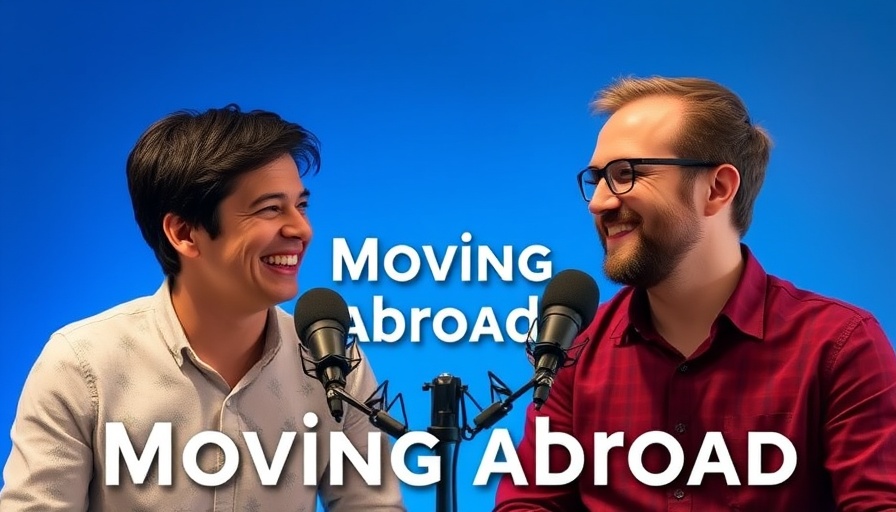
Podcast hosts discuss moving abroad with kids and a dog.

Why Taking the Plunge to Move Abroad is Worth It

Chris Chiaro, an American expat, and his family took the bold leap to relocate from the United States to Spain during a global pandemic. Some people view such a move as insurmountable, filled with daunting logistics and unknown challenges, but, as Chris’ story illustrates, it can also be a golden opportunity for adventure and growth. With a desire for a fresh perspective, Chris, his wife, and their two children embraced uncertainty. They had been living on the east coast before their stint in Seattle, where Chris felt the walls closing in and envisioned a more vibrant life abroad.

In 'Moving Abroad with Kids and a Dog: Chris Chiaro’s Expat Story!', the discussion dives into the challenges and triumphs of relocating, prompting us to explore deeper insights about the expat experience.

Supportive Families: Finding Comfort in the Unknown

They say it takes a village, and when Chris decided to move his family, he had plenty of mixed reactions from family members and friends. While some family members were apprehensive about the potential dangers of leaving the familiar, Chris’ parents were supportive, reminiscing about their own experiences living abroad during Chris’ childhood. This affirmation offered comfort and grounding, reminding the Chiaro family that this move could bolster not only their adventures but also their personal growth.

Planning the Move: The Best (and Worst) Decisions

Before relocating, the Chiaro family faced the task of planning meticulously. They started looking into schools for their children and navigating the visa process. The unfortunate timing with the pandemic made those challenges even more pronounced, as they could not visit potential schools or pre-scout their new community. Ultimately, this whirlwind of preparation forced them to take a leap of faith, relying heavily on their research and a little bit of luck. The family decided not only to move but to bring along their beloved dog, Ace, ensuring the transition would feel complete.

Immersive Experiences: Living in a New Culture

Upon arrival, the family was met with a culture both exciting and daunting. Chris quickly realized that adapting wasn’t just a matter of learning the language; it was about embracing the Spanish way of life. This meant flexibility and openness. Chris noted how restaurants only allowed outdoor dining during their initial weeks, an odd choice compared to their comfort back home. He and his family learned to navigate new grocery stores without the familiar brands and were willing (and eager!) to try native cuisines, an aspect typical for Americans who move abroad.

Finding Community: Connection in Expat Life

One of the most significant adjustments the Chiaro family found was the importance of building community. Discovering other English-speaking expats offered a slice of home, which eased the transition. Chris’ experience highlighted the significance of social connections during this change – from meeting allies at local cafes to forming bonds with fellow parents at school. Community is everything in an unfamiliar city; it aids in overcoming the feelings of isolation that often accompany such radical change.

The Bitter-Sweetness of Homesickness

Even as they explored the wonders of Spain, Chris’ family faced moments of nostalgia and longing for their previous home. The comforting American routines had their charm, but ultimately, they found joy in the sacrifices they made for this new adventure. They missed certain foods, specific conveniences, and the sheer familiarity of their former lives. Yet these challenges fueled their determination to fully integrate into the Spanish community.

Advice for Potential Expat Families

If you have been contemplating a move abroad, take a page out of Chris’ journey. Yes, challenges will arise, but the rewards also stand tall. Future expats should remember to remain flexible, build connections, and embrace the unexpected. As Chris emphasizes, “You only live once,” so why not make it a life filled with vibrant experiences? The world is an open canvas, and now is the time for you and your family to paint your unique journey abroad.

Building a life in another country not only enriches your own experience but broadens your children's horizons in ways you may not realize until years down the road. So if you're on the fence, listen to Chris' advice: jump! The adventure awaits.

Relocation Tips

6 Views

0 Comments

Write A Comment

*
*
Please complete the captcha to submit your comment.
Related Posts All Posts
06.09.2026

5 Essential Tips for Buying Your Dream Home in Spain

Update Understanding the Spanish Property Market: An Expat's Guide If you're considering buying a home in Spain, you're not alone. Many expats dream of making this sun-soaked country their home, whether it's for retirement, investment, or simply a change of scenery. However, as enticing as that may seem, there are crucial factors to consider that could save you from making costly mistakes. In this article, we explore essential insights into the Spanish property market that every potential buyer should know.In 'Buying a Home in Spain? Watch Out for This!', key insights into the Spanish real estate market are explored, prompting us to delve deeper into how to navigate this unique property landscape. Don’t Over-Rely on Online Property Portals As indicated in the video Buying a Home in Spain? Watch Out for This!, many first-time buyers often start their property search on popular portals like Idealista and Fotocasa. While these platforms can provide useful information about the housing market, they can also be misleading. Properties may be advertised that have already been sold or misrepresented in size and price. It’s best to use these portals as a research tool rather than your main resource. Establishing a relationship with local agents who have up-to-date market knowledge can help ensure that you find the right property without unnecessary hassle. The Importance of a Trustworthy Local Agent Finding a reliable local real estate agent is paramount. A good agent will not only show you properties but will also help you navigate neighborhoods, schools, and amenities that align with your needs and those of your family. A single, knowledgeable agent often has access to a broader range of listings than multiple agents might. Buying a home isn’t just about the property itself; it’s about the community and lifestyle surrounding it. Whether it’s a family-friendly area or a vibrant neighborhood, having an agent who is genuinely invested in your preferences makes all the difference. Understanding the Varied Spanish Property Markets Every region in Spain has its unique real estate landscape. Whether you're drawn to the bustling atmosphere of Madrid or the tranquil beaches of Valencia, local expertise is crucial. Each city and neighborhood has its advantages, and not all areas will meet your expectations. For example, housing conditions and prices in Barcelona may differ significantly from those in Malaga. Before setting your heart on a specific area, ensure your agent is well-versed in local market specifics and can educate you accordingly. Understanding these distinctions can lead to wiser choices and happier outcomes. Pre-Approval for Mortgages: Get Ahead of the Game Your financial readiness plays a significant role in the home-buying process. The video stresses the importance of securing mortgage pre-approval before you fall in love with a property. In Spain, the lending process for foreigners is often stricter, and you may need to provide a larger deposit than you would back home. Knowing how much you can borrow allows you to plan your budget effectively and strengthens your position when it comes time to make an offer. Falling in love with a property only to discover later that financing is unattainable can be disheartening. By understanding your financial limits upfront, you’re less likely to face disappointments along the way. Hidden Costs Beyond the Purchase Price Lastly, it’s critical to budget for additional expenses beyond the property's purchase price. Costs such as property transfer taxes, notary fees, legal fees, and other closing costs can add an estimated 10% to 15% to your total expenditure. Many buyers are caught off guard by these extra expenses, leading to financial strain post-purchase. By working with a qualified attorney or financial advisor, you can better navigate these costs and avoid potential pitfalls that could complicate your move to Spain. Final Thoughts: Preparing for Your Move Making the move to Spain can indeed be one of the most rewarding experiences of your life. To recap, avoid solely relying on online portals, seek a trustworthy local agent, understand your financing, and account for hidden costs. Such preparations will not only safeguard you from mistakes but will also make your transition smoother. For those contemplating relocating abroad, it’s invaluable to understand the steps involved in such a significant lifestyle change. From navigating visas to securing housing and understanding the healthcare system, having guides and resources at your disposal will help foster a successful transition. Visit ExpatLiving.com for further resources on navigating a move abroad, from housing to healthcare. Your new life is waiting!

06.08.2026

Exploring Promising African Destinations Amidst Global Challenges

Update A Different Path: Understanding the African Momentum In a world often dominated by narratives of decline, some regions defy expectations and showcase resilience and forward-thinking initiatives. Africa, with its diverse cultures and ambitious nations, offers a juxtaposition to the prevailing narrative concerning the West. In these times of uncertainty, it’s essential to delve into the potential of African countries that are forging their paths amidst challenges.In 'These African Countries Are Not Part of the Western Decline', the discussion dives into Africa's resilience and growth opportunities, exploring key insights that spark deeper analysis on our end. Historical Context of Africa's Growth Many African nations have a rich history of resilience and adaptation. Post-colonial development has seen countries like Rwanda and Kenya transform their economies through innovation. For those contemplating retirement or a new chapter abroad, it's vital to appreciate this rich tapestry of progress and the ongoing efforts that help shape a promising future. The Appeal of African Countries for Retirees Retirees and digital nomads seeking a vibrant environment may find solace in Africa’s emerging cities. Countries such as Morocco and South Africa offer not just stunning landscapes but also a diverse communal experience. The rising trend of expatriate communities in these regions is supported by affordable living and fascinating cultural experiences, enriching the lives of those who choose these locales. Cultural Insights: A New Perspective Engaging with the local culture is a remarkable aspect of living in Africa. Festivals, traditional cuisines, and vibrant arts scene foster a sense of belonging and connection. As digital nomads or retirees adapt to new environments, immersing themselves in these cultures can lead to unexpected friendships and a deeper understanding of global perspectives. Health Care and Insurance: A Crucial Consideration For anyone considering a move, understanding the local healthcare landscape and insurance options is vital. Countries like Tunisia and South Africa are known for their reputable healthcare systems that cater both to locals and expatriates, offering quality services at reasonable costs. Taking the time to research and secure reliable health insurance is essential for peace of mind while enjoying this new chapter in life. Future Predictions: What Lies Ahead for African Nations? Looking forward, the economic landscape of Africa is brimming with potential. Predictions suggest that demographic trends and technological advancements will continue to fuel growth. For those seeking out opportunities abroad, understanding the potential shifts can illuminate paths towards investment in emerging markets and the realization of a sustainable lifestyle. Conclusion: Embrace the Possibilities As we explore the realities highlighted in the video 'These African Countries Are Not Part of the Western Decline’, it’s clear that Africa stands at a formative crossroads, redefining potential in a world that often overlooks its advances. For retirees and digital nomads, there are significant opportunities waiting in these nations. Those pondering relocation should actively consider the rich offerings and diverse landscapes that Africa has to present. For those looking to embark on this journey, the future holds myriad possibilities. Take the first step today; consider how Africa's promising destinations align with your personal goals and dreams for a vibrant retirement or life as a digital nomad.

06.08.2026

Navigating Spain's Tax Residency Rules: Essential Knowledge for Expats

Update Spain's Tax Residency Rules: A Crucial Guide for Expats As the allure of Spain continues to attract retirees and digital nomads alike, understanding Spain's tax residency rules is imperative for anyone considering a move to this vibrant country. Navigating these regulations can seem daunting, but with vital information at hand, you can prepare to transition smoothly into your new home. From income taxes to property obligations, let's delve into what every expat should know before making the leap. Understanding Tax Residency in Spain To determine your tax obligations in Spain, the first step is clarifying your residency status. Under Spanish law, you are deemed a tax resident if you fulfill any of the three criteria: You spend more than 183 days in Spain during a calendar year. Your spouse or dependent children primarily reside in Spain. Your center of economic interests is located in Spain. If you meet any of the above conditions, you will be taxed on your worldwide income. Conversely, if these do not apply to you, you will be categorized as a non-resident and only taxed on Spanish-sourced income. Implications of Being a Tax Resident The implications of being a tax resident in Spain can be significant, especially concerning income tax, which ranges from 19% to 47% depending on your income level. This overview of the taxation brackets reveals that a judicious understanding of how much tax you must pay is vital for financial planning: 19% on income up to €12,450 24% on income between €12,451 and €20,200 30% on income between €20,201 and €35,200 37% on income between €35,201 and €60,000 45% on income between €60,001 and €300,000 47% on income above €300,000 The regulation also includes a personal allowance, depending on your age, that can further reduce your taxable income. Non-Resident Expat Tax Considerations For non-residents, the tax landscape differs significantly. Non-residents are typically liable for a flat tax rate of 24% on Spanish-sourced income. As expatriates with properties or investments in Spain, it's essential to understand your responsibilities. Non-residents who own property must pay annual property tax, known as IBI, typically ranging between 0.4% and 1.1% of the assessed property value. Moreover, if you are renting out property, keep in mind that the income is subject to taxation under the Non-Residency Income Tax (NRIT), which also requires timely payments. Key Tax Laws and Incentives Spain’s tax regulations include specific laws that could benefit expats, like Beckham’s Law, introduced to attract talent by allowing a flat tax rate of 24% on employment income for qualifying individuals. Expats moving to Spain for professional reasons must ensure they comply with this rule, which not only minimizes their tax burden but also simplifies their transition into the Spanish tax system. Furthermore, the Modelo 720 declaration obligates tax residents holding foreign assets over €50,000 to report these. Its aim is to curtail tax avoidance while clarifying assets’ disclosure. Non-compliance may result in severe penalties, so understanding this reporting requirement is vital. Final Thoughts on Moving to Spain Ultimately, whether you consider moving to enjoy a peaceful retirement or to embrace the digital nomad lifestyle in Spain, understanding tax obligations is an essential step. Being informed empowers you to reduce your tax liabilities and plan your finances effectively. Consulting with financial advisors skilled in expat tax law can guide you through the specifics, ensuring compliance and maximizing any available benefits. As you plan your move, don't overlook the importance of professional guidance to navigate the complexities of international tax laws effectively. Proper preparation can significantly enhance your experience as you embark on this exciting new chapter in Spain. For personalized assistance with your tax strategy and residency applications, reach out to tax professionals familiar with the Spanish system.

Terms of Service

Privacy Policy

Core Modal Title

Sorry, no results found

You Might Find These Articles Interesting

T
Please Check Your Email
We Will Be Following Up Shortly
*
*
*