Add Row
Add Element
Add Element
  • Home
  • Categories
    • Destinations
    • Travel Styles
    • 50 + & Retiree Travel
    • Travel Resources
    • My Asia Adventures
    • Digital Nomad Life
    • Thailand Destinations
    • Vietnam
    • Top Asian Itineraries
  • All Posts
  • Destinations
  • Travel Styles
  • 50 + & Retiree Travel
  • Travel Resources
  • My Asia Adventures
  • Digital Nomad Life
  • Thailand Destinations
  • Vietnam
  • Top Asian Itineraries
November 17.2025
1 Minute Read

Best Countries to Visit Southeast Asia 2025: Hidden Gems Revealed

Did you know that in 2024, Southeast Asia saw a surge of over 45 million international arrivals, breaking all previous tourism records? The region is exploding with new experiences, open borders, and welcoming local communities. As borders reopen and travel rebounds, 2025 promises an even bigger wave of discoveries: untouched islands, dynamic cities, ancient temples, mouthwatering street food, and adventure trails that only those “in the know” ever find. This guide spotlights the best countries to visit Southeast Asia 2025, featuring hidden gems, essential tips, and expert insights so you can travel smarter, safer, and with stories no one else brings home.
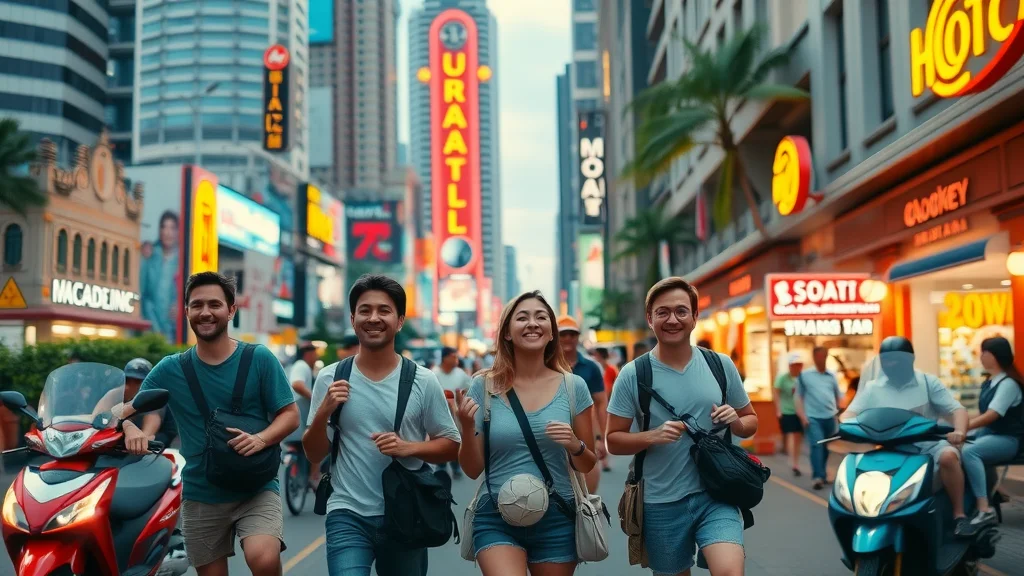
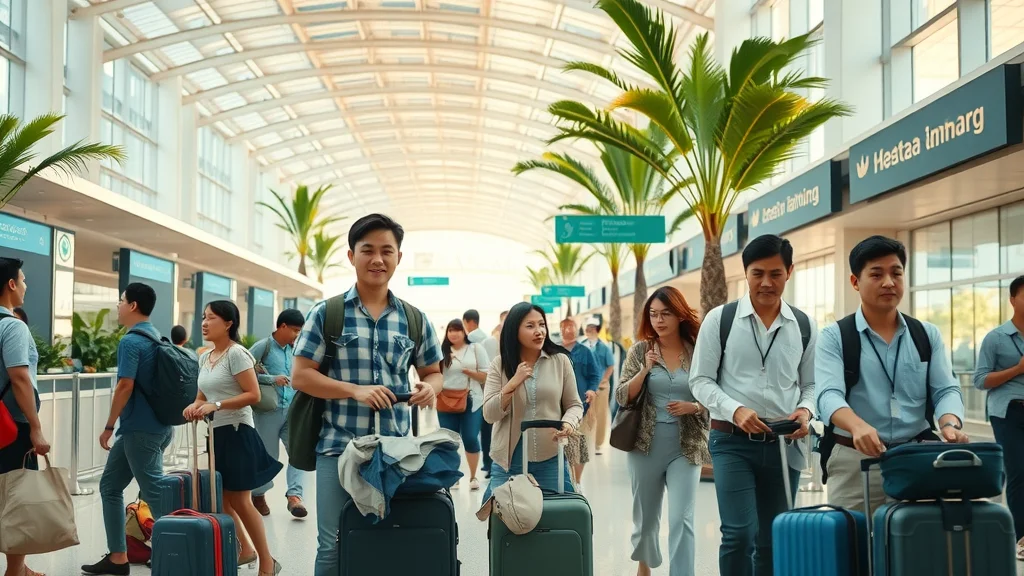
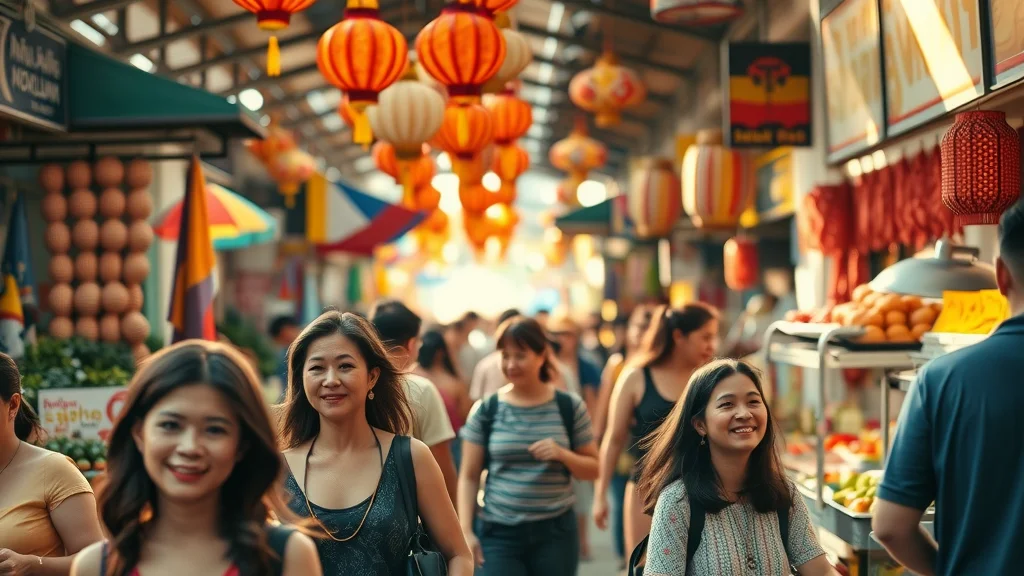
Vibrant Southeast Asian cityscape with international travelers and bustling street life. Best countries to visit Southeast Asia 2025.
Experience the electrifying energy of Southeast Asian cities in 2025.

Unveiling Southeast Asia’s Surprising Growth: Why 2025 Is the Year to Explore

Tourism in Southeast Asia is enjoying a renaissance. Driven by a blend of upgraded infrastructure, new travel trends, and a collective hunger for off-the-beaten-path experiences, every country in the region is stepping up for 2025. With post-pandemic growth, freshly opened destinations, and a welcoming spirit, Southeast Asia is an unbeatable choice for travelers seeking adventure and authenticity. The year 2025 is set to be historic: From the vibrant streets of Bangkok and Kuala Lumpur to the serene landscapes of Laos and Brunei, travelers will find a rare combination of affordability, safety, and diversity that few other regions can match.

In 2024, Southeast Asia saw a surge of over 45 million international arrivals, breaking all previous tourism records.

What’s more, the influx of international attention is inspiring greater investment in sustainable tourism. Local travel guides, community-driven projects, and untouched natural wonders are rapidly making Southeast Asia not just a place to visit, but to truly experience. Whether you’re a seasoned traveler or a first-timer, the region’s momentum is your opportunity for authentic, memorable adventures in 2025—before the rest of the world catches on.

What You’ll Learn in This Best Countries to Visit Southeast Asia 2025 Guide

  • Discover which countries stand out in Southeast Asia for 2025
  • Explore unique places to visit—including hidden gems off the typical tourist trail
  • Uncover travel guide insights, essential travel tips, and practical recommendations
  • Benefit from local expert opinions and community-sourced travel advice
  • Learn how to maximize your travel budget and safety in East Asia and Southeast Asia
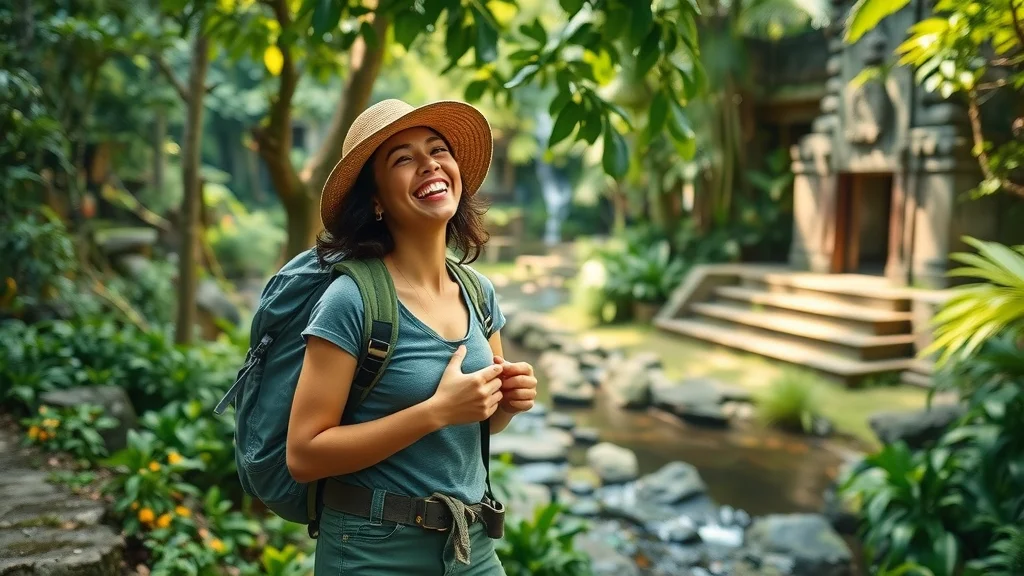
Scenic Southeast Asian hidden gem, traveler hiking in lush jungle. Best countries to visit Southeast Asia 2025.
Find Southeast Asia’s best-kept secrets and hidden gems in 2025.

Ranking the Best Countries to Visit Southeast Asia 2025

Country Best Attractions Budget Rating Hidden Gem Safety Tips
Vietnam Hanoi, Da Nang, Hoi An, Sapa $$ Phong Nha-Ke Bang National Park Reliable transport and friendly locals, minor scams in tourist zones
Thailand Bangkok, Chiang Mai, Phuket $$$ Pai mountain town Watch out for pickpockets, respect local customs, stay hydrated
Cambodia Angkor Wat, Siem Reap, Koh Rong $ Koh Rong Sanloem Avoid remote travel after dark, stick to reputable guides
Indonesia Jakarta, Yogyakarta, Lombok, Flores $$ Raja Ampat Local flights may be delayed, carry cash
Philippines El Nido, Palawan, Cebu, Bohol $$ Siquijor Island Typhoon season planning essential, secure valuables
Malaysia Kuala Lumpur, Penang, Langkawi $$$ Cameron Highlands tea plantations Haggle in markets, respect multicultural society
Laos Luang Prabang, Vang Vieng, Si Phan Don $ 4,000 Islands Check transport reliability, avoid political demonstrations
Singapore Marina Bay Sands, Sentosa, Gardens by the Bay $$$$ Ethnic food tours Follow local laws, budget for premium costs
Myanmar Bagan, Inle Lake, Mandalay $$ Hsipaw trekking trails Check for travel advisories, carry printed permits
Brunei Bandar Seri Begawan, Ulu Temburong NP $$$$ Wildlife in pristine rainforests Follow etiquette, save for luxury costs

1. Vietnam: The All-Rounder in Southeast Asia for 2025

Top Places to Visit in Vietnam: Hanoi, Da Nang, Hoi An, Sapa

Vietnam leads the list of best countries to visit Southeast Asia 2025 for its diverse mix of buzzing cities, historic charm, dramatic landscapes, and delicious cuisine. Explore Hanoi’s centuries-old streets, experience the blend of tradition and modern life in Da Nang, and wander the UNESCO-listed lantern-lit alleys of Hoi An. For nature lovers, Sapa dazzles with misty rice terraces and panoramic mountain views, making it perfect for hiking, photography, and cultural immersion. Adding to its allure, Phong Nha-Ke Bang National Park hides some of the world’s largest caves and offers eco-adventures away from the crowds.

  • Hidden Gem – Phong Nha-Ke Bang National Park
  • Travel tips for Vietnam: Check updated visa rules post-pandemic, practice safe travel in crowded areas, and always respect local customs—like removing shoes in homes and temples.
“Vietnam’s culinary scene is unmissable—says renowned chef Lê Minh Sơn.”
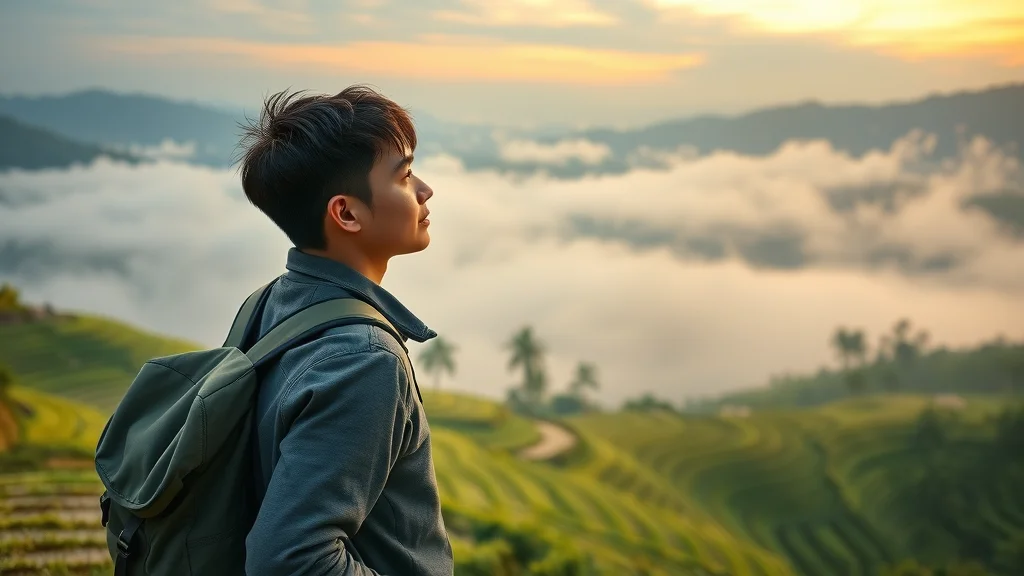
Serene Vietnamese landscape, traveler gazing at terraced rice fields in Sapa. Best countries to visit Southeast Asia 2025.
Vietnam’s rice terraces promise adventure and awe in 2025.

2. Thailand: The Timeless Travel Guide to Southeast Asia

Unforgettable Places to Visit: Bangkok, Chiang Mai, Phuket

Thailand remains a top tourist destination, blending vibrant city life, ancient temples, and tropical beaches. In Bangkok, dazzling temples and world-class street food await, while Chiang Mai offers mountain air, elephant sanctuaries, and night bazaars. Phuket’s mix of lively beaches and tranquil coves makes it a places to visit favorite for island hopping. Looking for tranquility? Veer off course to Pai, a northern Thai mountain haven famous for yoga, waterfalls, and hot springs. From Songkran festivals to serene Buddhist sites, Thailand offers adventure and relaxation.

  • Hidden Gem – Pai: A quiet mountain town with creative cafés and beautiful hiking trails.
  • Travel advice for 2025: Consider traveling during shoulder seasons for fewer crowds. Be mindful of your belongings in busy markets and discover off-peak adventures such as early-morning temple visits or eco-friendly jungle treks.

3. Cambodia: Cultural Wonders & Untouched Islands

Historic Sites & Hidden Islands: Angkor Wat, Siem Reap, Koh Rong, Rong Sanloem

Cambodia’s allure lies in its extraordinary blend of iconic heritage sites and well-hidden islands. Angkor Wat—a world heritage site—remains the centerpiece, its sunrise revealing stone spires reflected in lotus ponds. Siem Reap complements this with a vibrant contemporary scene: street food, cafes, and bustling nightlife. For the ultimate escape, ferry from Sihanoukville to the tranquil sands of Koh Rong or the quieter Rong Sanloem. These islands are as pristine as any tropical beach in the region, offering serenity within reach.

  • Must-see: Koh Rong Sanloem—your ultimate peaceful escape. Crystal-clear water, car-free sand paths, and luminous plankton at night.
  • Travel guide to exploring Cambodia responsibly: Choose local guides, avoid littering, and support community-based tourism initiatives for a positive impact.
Angkor Wat remains one of humanity’s greatest cultural achievements.
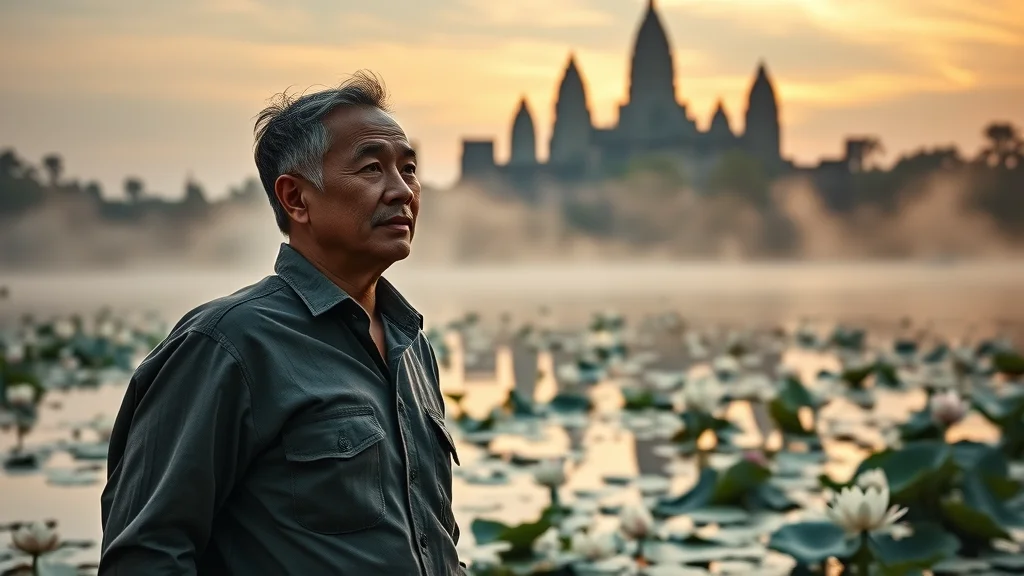
Majestic temple sunrise in Cambodia, guide leads group at Angkor Wat. Best countries to visit Southeast Asia 2025.
Discover the enduring magic of Angkor Wat and Cambodia’s untouched beaches.

4. Indonesia: Beyond Bali in Southeast Asian Exploration

Essential Places to Visit: Jakarta, Yogyakarta, Lombok, Flores

Indonesia, the world’s largest archipelago, offers more than just Bali. Soak up Jakarta’s energy, visit Yogyakarta's ancient temples, and experience the untouched beauty of Lombok and Flores. For underwater enthusiasts, Raja Ampat’s marine wonders easily stand among the world’s best: shimmering coral reefs, pristine beaches, and rare wildlife far from mainstream crowds. Navigating Indonesia’s thousands of islands takes some planning, but the reward? Hidden waterfalls, culture-rich villages, and adventure that remains remarkably affordable.

  • Hidden Gem – Raja Ampat: Indonesia’s untouched marine paradise for world-class snorkeling and diving.
  • Travel tips: Domestic flights are common but can be unpredictable—book in advance. Make sure to carry local cash, especially when visiting small islands or remote national parks. English isn’t always spoken outside tourist hotspots, so pick up basic phrases for smoother travels.

Pristine Indonesian archipelago, snorkelers in Raja Ampat coral reefs. Best countries to visit Southeast Asia 2025.
Swim in some of the planet’s richest coral reefs in Raja Ampat, Indonesia.

5. Philippines: Island-Hopping Paradise for 2025

Idyllic Places to Visit: El Nido, Palawan, Cebu, Bohol

The Philippines wows with over 7,000 islands—each a slice of paradise. El Nido and Palawan are famed for their jagged limestone cliffs and turquoise lagoons, rivaling any tropical beach in the world. Cebu delivers historical charm and world-class diving, while Bohol boasts the curious Chocolate Hills and tarsier sanctuaries. For a magical detour, Siquijor enchants visitors with mystical folklore, waterfalls, and coral reefs. Sustainability efforts are ramping up, so travel guides now highlight how visitors can enjoy the Philippines’ beauty while preserving it for the future.

  • Secret Escape – Siquijor: The most mystical and tranquil island experience in Southeast Asia.
  • Philippines travel guide for sustainable tourism: Practice “leave no trace,” support local businesses, and be mindful of marine conservation guidelines on all beaches and islands.

6. Malaysia: Urban Adventures and Lush Hideaways

City & Nature Highlights: Kuala Lumpur, Penang, Langkawi

Malaysia’s dual personality is a treat for curious travelers: Urban explorers swoon in cosmopolitan Kuala Lumpur, where modern skyscrapers meet aromatic night markets and vibrant street food scenes. Art lovers will love multicultural Penang, while beach-goers flock to Langkawi’s beaches. Looking to cool off? Head to the Cameron Highlands for dramatic tea plantations, colonial guesthouses, and hiking trails in the misty hills—a hidden gem that feels a world away from tropical heat.

  • Leisurely Retreat – Cameron Highlands tea plantations: Sip fresh local tea, explore rolling green hills, and enjoy colonial architecture.
  • Travel tips: Visit Malaysia during off-peak times (March–June, September–November) for the best prices. Sample Penang’s legendary street food, and stay cautious with street crossing in busy Kuala Lumpur.

Lush Malaysian highlands, traveler sipping tea overlooking tea plantations. Best countries to visit Southeast Asia 2025.
Malaysia’s Cameron Highlands offers a cool escape and lush scenery.

7. Laos: Tranquil Landscapes and Adventure Trails

Key Places to Visit: Luang Prabang, Vang Vieng, Si Phan Don

Looking for the most peaceful place in the region? Laos shines as a southeast asian sanctuary. The ancient town of Luang Prabang (a UNESCO world heritage site) exudes tranquility; you’ll wake up to monks gathering morning alms, eager markets, and riverside cafes. Vang Vieng entices with its dramatic karst mountains, riverside adventures, and caves. In the south, Si Phan Don (“4,000 Islands”) reveals untouched Mekong river life and unforgettable sunsets—easily one of the places to visit if you crave nature and cultural immersion.

  • Unseen Beauty – Si Phan Don: A web of river islands, hammock lounging, and dolphin-watching on the serene Mekong River.
  • Cultural travel guide for Laos: Greet with a respectful “sabai dee” bow, avoid touching heads (even of children), and support village crafts or community-based lodges.

Peaceful riverscape in Laos, couple lounging in boat among Si Phan Don islands. Best countries to visit Southeast Asia 2025.
Slow down and connect deeply along the Mekong’s 4,000 Islands in Laos.

8. Singapore: Asia’s Modern Marvel

Top Urban Places to Visit: Marina Bay Sands, Sentosa, Gardens by the Bay

Singapore is the cosmopolitan jewel of East Asia and Southeast Asia. Compact but dazzling, this city-state blends futuristic cityscapes and lush gardens. Stroll between Marina Bay Sands, Sentosa Island, and the floral wonders of Gardens by the Bay, all within a short metro ride. Foodies can’t miss the city’s hawker centers, where Chinese, Malay, and Indian flavors meld. Maximize a short stay with a weekend itinerary: Start the mornings at iconic viewpoints, sample fine dining or street food for lunch, and relax in night gardens or rooftop bars for sunset.

  • Weekend Itinerary: Blend flavors from East Asia and Southeast Asia with food tours and cultural events.
  • Travel advice: Singapore’s top sights are close together, making it perfect for short city breaks. Observe local laws and budget for high-end costs, as the city can be expensive.

9. Myanmar: Authentic Southeast Asian Experiences

Notable Places to Visit: Bagan, Inle Lake, Mandalay

Myanmar delivers a sense of awe with its ancient temples and rich spiritual culture. Bagan’s vast plain, dotted with 2,000+ ancient temples, offers sunrise balloon rides and cycling adventures. Inle Lake is famous for leg-rowing fishermen and floating gardens, while Mandalay presents royal palaces and lively markets. Seek deeper adventure? Trek to the remote Hsipaw region for trails lined with rice paddies and ethnic minority villages. Travel tips: Myanmar’s security can fluctuate—check advisories, secure permits, and practice responsible travel by supporting ethical guides and local businesses.

  • Hidden Gem – Hsipaw: Rural trekking trails and authentic homestays for true cultural encounters.
  • Myanmar travel tips for 2025: Stay updated on travel advisories, carry both digital and printed permits, and prioritize respectful engagement with local traditions and communities.

10. Brunei: Luxury Meets Nature in Southeast Asia

Highlights: Bandar Seri Begawan, Ulu Temburong National Park

Brunei is a rare blend of opulence and untouched rainforest adventure. Discover dazzling gold-domed mosques and museums in Bandar Seri Begawan, then venture to Ulu Temburong National Park—a pristine reserve teeming with wildlife, canopy walks, and eco-lodges. For those seeking exclusivity and world-class biodiversity, Brunei’s rainforests offer guided nature walks, rare bird-spotting, and the serene company of only a few other travelers. Culture here is formal but friendly, with an emphasis on etiquette, luxury, and keeping nature unspoiled for generations to come.

  • Unexpected Find – Wildlife adventures in rainforests: Birdwatching, river cruises, and jungle trekking in one of Borneo’s most beautiful protected corners.
  • Travel guide to Brunei: Dress modestly, know the costs (accommodation here is high-end), and always follow local etiquette, from mosque visits to rainforest explorations.

Untouched Bornean rainforest in Brunei, wildlife spotter in Ulu Temburong. Best countries to visit Southeast Asia 2025.
Find both luxury and pristine wilderness in Brunei’s rainforests.

People Also Ask About the Best Countries to Visit Southeast Asia 2025

What is the most visited country in Southeast Asia 2025?

Thailand remains the most visited destination thanks to its developed tourism infrastructure, thriving markets, rich cultural history, and wide range of experiences. Whether you’re seeking places to visit like Bangkok or quiet escapes like Pai, Thailand’s combination of accessibility and variety keeps it top of travelers’ lists in 2025.

Where to travel in Asia in 2025?

Top destinations for 2025 include Japan’s cherry blossoms and culinary delights; Vietnam’s emerging cityscapes and ancient heritage; the timeless beaches and temples of Thailand; and the Philippines’ world-renowned tropical islands such as Palawan and El Nido. Exploring the best countries to visit in Southeast Asia will guarantee unique cultures, landscapes, and memories.

What is the cheapest country in Southeast Asia 2025?

Laos is considered the most budget-friendly country to visit in Southeast Asia for 2025. Delicious meals, comfortable guesthouses, stunning national parks, and welcoming river towns all come at a fraction of the price compared to elsewhere. For savvy travelers, Laos is an incredible value-packed adventure.

Where is the best country to visit in 2025?

Vietnam is widely regarded as the best country to visit in 2025, offering a unique balance of stunning landscapes, vibrant cities, rich history, and affordable travel options. Its places to visit, like Halong Bay and Sapa, captivate travelers from all over the world with diversity and value.

Answers to Popular Southeast Asia Travel Questions

  • Thailand remains the most visited due to its infrastructure and range of experiences.
  • Top destinations in Asia include Japan, Vietnam, Thailand, and the Philippines for 2025.
  • Laos is considered the cheapest country for travelers in Southeast Asia in 2025.
  • Vietnam is widely regarded as the best country to visit in 2025 for its diversity and value.

Travel Tips to Maximize Your Best Countries to Visit Southeast Asia 2025 Adventure

  • Money-saving hacks: Use local transport, book flights in advance, and eat at night markets or street food stalls for authentic and inexpensive meals.
  • Visas, health, and safety: Research visa regulations for each country, pack appropriate medications, and be aware of typhoon/monsoon seasons. Always have travel insurance.
  • Cultural do’s and don’ts: Dress modestly at temples, remove shoes indoors, avoid public displays of affection, and always ask before taking photos of locals.
  • Adapt itineraries for new travel trends: Balance popular places with hidden gems; join local community tours; practice sustainable habits to ensure East Asia and Southeast Asia remain rich travel destinations for years to come.

Modern traveler planning Southeast Asia itinerary, digital nomad marking map. Best countries to visit Southeast Asia 2025.
Planning ahead means making the most of your Southeast Asian journey!

Watch our quick montage: From remote islands and ancient temples to vibrant festivals and city skylines, discover Southeast Asia’s most inspiring hidden gems for 2025.

Key Takeaways from the Best Countries to Visit Southeast Asia 2025

  • Southeast Asia presents diverse experiences with something for every type of traveler.
  • 2025 is ideal for exploring lesser-known places to visit, ensuring both adventure and value.
  • Proper planning amplifies fun, safety, and cultural immersion on your trip.

FAQs about the Best Countries to Visit Southeast Asia 2025

  • Which country is safest? Singapore is known for its safety, but Malaysia and Vietnam are also widely regarded as safe for visitors who follow local advice.
  • When is the best time to visit Southeast Asia in 2025? The dry season (November to April) is best for most countries, but some islands and areas have unique microclimates; always check before booking.
  • Are guided tours worth it in 2025? Guided tours can offer insider access to hidden places, context for ancient temples, and smoother logistics—especially when navigating remote national parks or islands.

Final Thoughts on the Best Countries to Visit Southeast Asia 2025

"Southeast Asia’s spirit of adventure and hospitality is stronger than ever for 2025 travel."

Follow your curiosity—2025 is your year to explore the best countries Southeast Asia offers and collect memories you’ll treasure forever.

Please like, share and comment on this article

Your feedback and stories inspire others! Have you discovered a hidden gem in Southeast Asia? Share your tips and travel experiences below.
Destinations

2 Views

0 Comments

Write A Comment

*
*
Related Posts All Posts
11.20.2025

Southeast Asia Travel Updates 2025: Latest News for Smart Travelers

Did you know? Southeast Asia is poised to welcome a record-breaking 100 million international travelers in 2025—outpacing pre-pandemic levels and reshaping global travel trends. As countries across this vibrant region roll out major policy changes and embrace new travel norms, being informed about the latest Southeast Asia travel updates 2025 is key for every smart traveler. A Surprising Statistic on Southeast Asia Travel Updates 2025: Setting the Stage for Change Travel to Southeast Asia is surging like never before, with official projections indicating a remarkable jump in tourism for 2025. The region's travel market is expected to clock over 100 million arrivals—a resounding comeback that outpaces even the most robust periods preceding the global travel disruptions of 2020 and 2021. This explosive growth isn’t just about soaring numbers; it demonstrates Southeast Asia’s resilience, adaptability, and newfound status as a central force in the global travel recovery. Behind the statistics, there’s a profound shift underway: countries like Thailand, Vietnam, Singapore, and Indonesia are actively revising entry requirements, digitalizing immigration, and investing in more sustainable travel solutions. Meanwhile, the return of Chinese travel is sending ripples through key markets, affecting not only Southeast Asia, but also East Asia, South Korea, and broader Asia travel networks. For the savvy traveler, understanding these changes—ranging from new health rules to eco-tourism priorities—opens doors to smoother journeys, more authentic cultural experiences, and smarter planning than ever before. What You'll Learn in Our Southeast Asia Travel Updates 2025 The most important southeast asia travel updates 2025 and emerging travel trends How changing travel rules impact Chinese travel and southeast asian tourism Key insights into the overall asia travel market and new opportunities for savvy travelers Regional differences between east asia, south korea, and southeast asia travel in 2025 What smart travelers should know about the evolving southeast asia travel experience 2025 Southeast Asia Travel Updates: Why Every Smart Traveler Should Prepare for Change Southeast Asia’s tourism scene is entering a transformative era in 2025. This year, a convergence of policy revisions, technological advancements, and cultural pivots is reshaping how both local and international travelers experience the region. Most notably, travel rules and restrictions are evolving country by country—many making it easier for vaccinated and digitally-prepared travelers to enter, while others are introducing new visa requirements and tourist fees. For the millions of Chinese travelers returning to the region, these updates will significantly affect both inbound and outbound travel flows, contributing to dynamic, year-on-year growth. But the real magic of the southeast asia travel updates 2025 lies in their power to boost traveler confidence. Whether you’re drawn to the allure of Bangkok’s vibrant street markets, Vietnam’s high-tech digital borders, or Bali’s eco-conscious festivals, being ahead of the curve means fewer travel headaches and a more enriching trip. Preparation is more than just a best practice—it’s a necessity. By understanding the latest trends, policy shifts, and cultural events, travelers can maximize value, avoid pitfalls, and unearth hidden gems throughout asian markets. So, as borders open wider and new experiences beckon, every smart traveler should take note: the opportunities (and potential surprises) of Southeast Asia in 2025 are greater than ever before. “Southeast Asia’s tourism revival in 2025 is breaking records—over 100 million arrivals are expected, signaling one of the world’s fastest-growing markets.” Overview of the Southeast Asia Travel Market: 2025 Outlook The southeast asia travel market in 2025 is set for an unparalleled transformation, driven by both pent-up demand and strategic government initiatives. Rapid recovery in international travel, an influx of chinese tourists, and the introduction of digital entry systems are revitalizing travel flows in the region. In parallel, leading destinations in East Asia and South Korea are redefining their roles in the asian travel sector, offering greater connectivity and new attractions to entice global adventurers. For travel industry professionals, investors, and tourists, this is both a time of opportunity and unpredictability—requiring careful attention to travel market signals, new safety protocols, and evolving traveler expectations. These powerful changes are anchored in technology and sustainability. Destinations are harnessing mobile apps, streamlined e-visas, and eco-friendly incentives to enhance the visitor experience. Meanwhile, regional travel trends show a shift toward more personalized, immersive journeys—whether that’s sustainable luxury retreats or budget travel in rising cities. The bottom line? The travel market in Southeast Asia is not only recovering, but actively shaping future global travel benchmarks for safety, convenience, and memorable experiences. Key Asia Travel Trends Shaping the Future Growth in Chinese travel and returning Chinese tourists Inbound surge from East Asia and neighboring Asian markets Rapid digitalization and the tech-driven travel experience Eco-conscious and sustainable travel priorities Comparison of Southeast Asia Travel vs. East Asia and South Korea (2025) Region Visitor Numbers (Est. 2025) Key Policy Updates New Attractions/Events Southeast Asia 100M+ Streamlined visas, digital health certificates, eco-incentives Bali Arts Festival, Songkran eco-reboot, expanded eco-tours East Asia 60M+ Reopening of China, relaxed border crossing, event revivals Hong Kong Dragon Boat Carnival, new World Heritage sites South Korea 20M+ Tech-driven e-immigration, group discounts, health checks K-POP tourism hubs, digital cultural experiences Southeast Asia Travel Updates 2025: Pandemic Recovery, Policy Shifts, and the New Normal If there’s one lesson from the past five years, it’s that the travel industry in Southeast Asia is resilient and innovative in the face of adversity. As countries reopen and adapt, travelers are seeing more pandemic-era rules retired, replaced by smarter, tech-powered systems and renewed commitments to public health. Knowing the specifics of each country’s requirements—from digital entry forms to contactless health checks—is now a vital part of trip planning. This adaptability ensures that Southeast Asia not only keeps up with global travel but often leads in safety, efficiency, and traveler peace of mind. Policy updates go far beyond COVID-19. We see fresh travel rules on everything from sustainability incentives to crackdown on over-tourism, with notable differences even among neighboring southeast asian countries. For example, Vietnam has launched a digital entry system, while Indonesia enforces strict eco-regulations. As these rules shift, international travelers (especially those from chinese travel hotspots or adjacent asian destinations like Japan and South Korea) must remain vigilant. The new normal is defined by flexibility—not only in travel bookings, but also in expectations, experiences, and the creative ways destinations rise to meet the needs of a diverse, dynamic audience. Crucial Pandemic-Era Changes in Southeast Asia Travel Travel rules updates across southeast asian countries New health protocols in the southeast asia travel experience Differences between east asia and southeast asia travel safety requirements Impact of Chinese Travel on Southeast Asian Markets The resurgence of Chinese travel is the biggest single driver in the 2025 southeast asia travel rebound. Destinations like Thailand, Vietnam, and Singapore are reporting double-digit growth in advanced bookings—fueled by relaxed visa regimes, targeted marketing, and improved air connectivity. For these countries, welcoming Chinese tourists is not just about numbers; it’s about recalibrating services, hospitality standards, and even local economies to cater to a new generation of tech-savvy, experience-focused Chinese travelers. China’s return also ripples out to the wider asia travel and asian market sectors. As travel restrictions ease, both inbound and outbound travel markets are diversifying their offers: from luxury eco-resorts to curated cultural festivals. The challenge for local tourism boards is to balance this surge with sustainability, ensuring that growth doesn’t compromise local cultures or the region’s celebrated biodiversity. It is a careful dance—one that will set the tone for travel across the entire Asia-Pacific well beyond 2025. “The return of Chinese tourists is reshaping southeast asia travel, with Thailand, Vietnam, and Singapore seeing double-digit growth in bookings for 2025.” Country-by-Country Southeast Asia Travel Updates 2025 Navigating southeast asia travel updates 2025 means digging into the distinct strategies adopted by each key destination. Governments are implementing measures uniquely tailored to their economic priorities and traveler demographics. Thailand, often considered the gateway to the region, has prioritized digitalization and sustainable regulation, while Vietnam, Malaysia, and Indonesia each spotlight particular policy reforms based on traveler flow, environmental pressures, and digital infrastructure. Understanding these country-specific updates is crucial for international travelers and travel industry professionals alike. As each destination races to stand out in a crowded asian market, the competition is fostering inventive approaches—ranging from visa reforms to major festival revamps—ensuring that the region as a whole remains at the cutting edge of global travel trends. Thailand: New Rules for Tourists and the Latest Travel Trends Revised visa requirements New tourist taxes and fees Updated safety regulations for 2025 Thailand’s government has launched an ambitious suite of travel updates for 2025. The country now offers a streamlined e-visa application for approved countries, hoping to boost efficiency for international travelers. A new digital tourist tax system is being piloted, making it easier—and more transparent—for both travelers and authorities to manage fees. Safety protocols have also been enhanced, with increased digital health tracking and clearly marked emergency zones in popular cities like Bangkok and Phuket. Notably, these trends see Thailand positioning itself as both a facilitator of global travel and a pioneer in sustainable tourism management. Smart travelers pay attention here: ignoring these new rules can result in extra time at checkpoints or even denied entry, so always double-check the latest updates before departure. Vietnam, Malaysia, and Indonesia: Differentiated Policies in Southeast Asia Travel Updates 2025 Vietnam’s digital entry system for faster asia travel flows Malaysia’s sustainable tourism initiatives Indonesia’s crackdown on over-tourism and preservation efforts Vietnam leads in leveraging technology to create seamless experiences: in 2025, the digital entry system allows travelers to submit all travel documents and health certifications online before arrival—a boon in a region often bogged down by paperwork. Malaysia is doubling down on sustainable tourism: it now offers incentives for eco-conscious travelers, such as discounts for those choosing green-certified hotels or activities. Indonesia’s focus, meanwhile, is on preservation—strict quotas at UNESCO World Heritage sites, digital monitoring of popular forests and beaches, and community-led campaigns to reduce litter and overuse. These differentiated approaches reflect broader asian market priorities and showcase how regional travel trends are shifting toward smarter, kinder tourism that respects both environment and culture. Top Attractions & Experiences: What’s New in 2025 for Southeast Asia Travel The 2025 travel calendar in Southeast Asia overflows with new and refreshed attractions designed for every kind of explorer. Signature festivals are returning, some with a sustainability twist: Bangkok’s iconic Songkran Water Festival, for instance, now features eco-friendly water activities and waste reduction goals. In Singapore, innovative tech-driven experiences blend seamlessly with beloved traditions at the Singapore Food Festival. Meanwhile, Bali’s Arts Festival is positioning itself as the premier destination for sustainable cultural tourism in the region. Whether it’s chasing lanterns at a lush riverside carnival, diving into immersive digital art installations, or enjoying curated local cuisine with a focus on responsibly sourced ingredients, 2025 is a breakout year for memorable, meaningful travel experiences. These changes underscore the region’s growing electricity—in both literal and figurative senses—as travel trends blend tradition and innovation for global visitors. Unmissable Events and Festivals in Southeast Asia 2025 Singapore Food Festival Hong Kong Dragon Boat Carnival Bangkok’s Songkran Water Festival with new eco-rules Bali Arts Festival celebrating sustainable tourism How Southeast Asia Travel Updates 2025 Affect the Asian Market and Travel Industry The impacts of these sweeping policy updates and emerging travel trends stretch well beyond the borders of Southeast Asia. Stronger air connectivity, tailored digital services, and booming demand from Chinese travelers amplify competition in the asian market. Premium travel services are targeting affluent, experience-driven tourists, while budget and group packages are making iconic destinations more accessible for younger and first-time visitors. The result is a dynamic, rapidly evolving travel industry—one that rewards innovation across all segments, from luxury eco-resorts to efficient airport security systems. Global players—ranging from airlines to hotel chains to event organizers—are rebalancing resources to capitalize on the region’s travel boom. Partnerships with local brands and community organizations are becoming standard, as consumer demand for authenticity and sustainability climbs. In short, southeast asia travel updates 2025 are not just a localized story; they are a bellwether for how asian travel will shape the future of global tourism, economy, and even geopolitics. Travel Market Winners: Destinations and Segments to Watch Premium travel experiences for returning Chinese tourists Budget travel options in rising southeast asian destinations Tech-savvy solutions shaping Asia travel logistics Smart Traveler Strategies: Making the Most of Southeast Asia Travel Updates 2025 For the smart traveler, the new normal means keeping one eye on the horizon and both feet firmly grounded in real-time information. Adapting to regulatory shifts, using official travel apps, and following local government advisories are now essential habits. By building flexibility into your travel plans and remaining conscious of sustainability and local customs, you’ll not only sidestep the biggest disruptions but deepen your appreciation for the region’s extraordinary diversity. Tourism boards, embassies, and even airlines are rolling out tailored apps that alert travelers to sudden policy changes, event highlights, or health advisories. Don’t overlook the power of community—connecting with local guides or digital forums can offer up-to-the-minute insights unavailable anywhere else. Most importantly, travelers are advised to book with agents or providers that offer both flexibility and transparent guarantees in case of unexpected shifts. The takeaway is simple: those who blend research, adaptability, and respect for local norms will have the richest journeys in 2025—and beyond. How to Adapt Itineraries to New Southeast Asia Travel Rules Plan for fluctuating regional policies Monitor updates from official government tourism websites Use mobile apps for real-time travel alerts Engage with local tourism boards for insider tips People Also Ask: Southeast Asia Travel Updates 2025 What is the travel outlook for Asia in 2025? Answer: Asia travel in 2025 is set for unprecedented recovery with robust growth in southeast asia, east asia, and the return of Chinese travel, driven by both leisure and business segments. What are the new travel changes in 2025? Answer: New travel changes in 2025 for southeast asia include more streamlined visa applications, increased health checks, digital tracking systems, and eco-focused traveler policies. What are the new rules for tourist in Thailand 2025? Answer: Thailand is introducing digital tourist tax collection, stringent safety protocols, and new incentives for sustainable travel as part of southeast asia travel updates 2025. Where do Asians want to travel in Asia in 2025? Answer: According to leading travel market insights, top choices include emerging southeast asian gems such as Vietnam, Cambodia, and the Philippines, as well as renewed interest in east asia and South Korea. FAQs: Essential Information on Southeast Asia Travel Updates 2025 Are there still COVID-19 restrictions in southeast asia? Some countries have fully lifted COVID-19 restrictions, while others maintain digital health monitoring and proof of vaccination for entry. Always check local guidelines before booking. Which southeast asian countries are easiest to enter? Vietnam and Singapore continue to lead in entry simplicity, offering digitalized forms and minimal quarantine requirements for most international travelers. How are southeast asia travel trends different than before 2020? You’ll find more digital services, a stronger emphasis on eco-tourism, and increased health and safety measures compared to pre-pandemic years. Will southeast asia travel be more expensive in 2025? Certain destinations are raising tourist taxes and implementing sustainability fees, but strong competition and diverse travel options ensure affordable choices remain widely available. Key Takeaways from Southeast Asia Travel Updates 2025 Southeast asia travel updates 2025 focus on flexibility, digitalization, and responsible tourism. Chinese travel and returning demand are accelerating regional growth. Understanding new rules matters more than ever for stress-free trips. Final Thoughts on Southeast Asia Travel Updates 2025: Stay Ahead of the Curve Please like, share and comment on this article As Southeast Asia leads a new chapter in global travel, the winning strategy for smart travelers in 2025 is to remain curious, adaptable, and informed. Safe journeys and unforgettable adventures await!

11.20.2025

Southeast Asia Travel Planning: Avoid These Common Blunders

Ever wondered why some travelers return from Southeast Asia with unforgettable stories, while others regret missed opportunities and avoidable mishaps? If you’re gearing up for a trip to Southeast Asia, your preparation will determine whether you make lasting memories—or face frustrating pitfalls. Dive into this comprehensive guide to learn how to sidestep common blunders and plan your journey with confidence and flair. Are You Making These Southeast Asia Travel Planning Mistakes? When it comes to southeast asia travel planning, many people dive in headfirst, enticed by bucket-list destinations like Ha Long Bay, the vibrant night markets of Chiang Mai, and the bustling streets of Ho Chi Minh City. But mistakes made early in your travel planning can lead to overpacked bags, missed festivals, blown budgets, or even the wrong time of year—and a ruined dream trip. In this article, we'll explore the most frequent errors travelers make when planning their trip to southeast asia, from neglecting seasonality to overlooking essential health precautions and failing to respect local customs. With insights on where to go, when to visit, what to pack, budgeting and safety, this guide will put your adventure on the right track. Why Southeast Asia Travel Planning is Essential for a Successful Trip Planning isn’t just about booking your flight and finding a hotel in Luang Prabang. It’s about optimizing every aspect of your journey, from ensuring your visit to Angkor Wat lines up with the best weather, to budgeting smartly, or making the most of culinary delights in local markets. Thoughtful southeast asia travel planning will help you navigate language barriers, avoid travel scams, and select the right transportation—whether that’s a scenic train ride across northern Thailand or a budget-friendly night bus through southern Vietnam. By anticipating challenges and researching local practices, you’ll unlock a deeper and more enjoyable travel experience, while minimizing logistics headaches and costly surprises. What You'll Learn in Southeast Asia Travel Planning Key destinations and best times to visit How to avoid common packing and budgeting mistakes Insider tips for transport, accommodation, and staying healthy Cultural insights: etiquette, language basics, and authentic experiences Top tools and apps for smarter travel Environmental and ethical guidelines for responsible adventure Understanding the Basics of Southeast Asia Travel Planning South East Asia: Overview of Popular Destinations Southeast Asia is a mosaic of vibrant cultures, spectacular landscapes, and world-renowned heritage. Whether you’re drawn to the limestone karsts of Ha Long Bay, the golden temples in Chiang Mai, the lively city life in Ho Chi Minh City, or tranquil riverside towns like Luang Prabang, there’s something for every traveler. Recent years have seen a surge in interest for less-touristy areas and new national park discoveries—making planning even more important to maximize your trip. Each destination offers its own flavor, from the adventure-packed islands off southern Thailand to the street food scene in bustling capitals. Deciding which spots to include in your trip to southeast asia should be the heart of your planning process. Must-Visit Cities: Chiang Mai, Thailand Ho Chi Minh City, Vietnam Luang Prabang, Laos Ha Long Bay, Vietnam The Importance of Timing Your Trip to Southeast Asia Seasonality is a game-changer in southeast asia travel planning. The tropical climate means the region is subject to rainy and dry seasons, which vary greatly from one country—or even city—to the next. For instance, Thailand’s festivals like the Full Moon Party or Songkran water festival are best experienced during the dry, festive months, while visiting Angkor Wat in Cambodia is most enjoyable when temperatures are milder and crowds thinner. Ignoring these factors can lead to washed-out hiking trails, canceled island hop tours, or missed cultural experiences. By aligning your travels with local seasons, you ensure your adventure, from southern Thailand’s beaches to the northern hills around Chiang Mai, lives up to its full potential. Common Southeast Asia Travel Planning Pitfalls Over-Packing for Your Trip to Southeast Asia One of the biggest mistakes—for both new and seasoned travelers—is over-packing for a trip to southeast asia. The region’s climate is notoriously humid, meaning lightweight clothing is a must. Cumbersome baggage can slow you down, especially when hopping from city to city or using local transport like tuk-tuks and ferries. Instead, pack versatile clothing suited for temple visits (where modesty is required), night market strolls, national park hikes, and sweltering street food walks. Not only will this free up space for souvenirs and essentials picked up en route, but packing light also saves you airline baggage fees and stress during border crossings. Packing Only What’s Essential for Southeast Asia Moisture-wicking shirts and pants Lightweight rain jacket or poncho Good walking shoes or sandals Travel-sized toiletries (easy to restock locally) Adapters for region-specific plugs Small first-aid kit Ignoring Seasonality in Southeast Asia Underestimating the influence of regional weather patterns is one of the costliest oversights in southeast asia travel planning. Monsoon rains can wash out certain destinations—think trekking in northern Thailand or boat tours around Ha Long Bay. Conversely, arriving during high tourist seasons often means inflated accommodation rates and crowded hotspots, from Chiang Mai to ho chi minh city. Savvy travelers consult multiple sources, cross-reference major festivals and holidays, and map out dry vs. wet seasons before locking in their trip plans. Strategic timing lets you experience local culture at its peak and keeps you out of unpredictable, weather-induced travel disruptions. Neglecting Local Customs and Etiquette From temple etiquette to street food protocol, understanding local customs in southeast Asia can shape your trip for the better. Removing your shoes before entering a wat temple in Laos or Thailand, dressing respectfully, and observing modest behavior in conservative places are simple gestures that garner respect from locals. Equally, learning about food etiquette—such as not pointing your feet towards religious icons or the proper way to pay for street food—can make interactions smoother in both touristy areas and hidden gems. Don’t be the traveler whose ignorance causes offense when a little research could have made all the difference. Street Food Etiquette and Cultural Do’s and Don’ts: Always wash hands before and after eating street food Use your right hand when handing money or receiving change Respect local dress codes, especially in temples and rural communities Learn how to say “Thank you” and basic pleasantries in the local language Budgeting Mistakes in Southeast Asia Travel Planning Underestimating Costs in East Asia versus South East Asia It’s a common misconception that every trip to southeast asia is dirt cheap. While cities like Ho Chi Minh City and Chiang Mai offer fantastic value, costs can escalate quickly in more developed neighboring regions. For example, a day in Hong Kong or Tokyo in East Asia can cost three to four times as much as a budget day in Hanoi or Luang Prabang. Planning your route with an eye on local prices—factoring in fluctuations for high season, popular festivals, or exclusive experiences like a cooking class—helps keep your travel finances on track for the couple of weeks or months you plan to explore. Typical Daily Budgets for Popular Southeast Asia and East Asia Destinations Destination Backpacker ($) Mid-range ($) Luxury ($) Ho Chi Minh City 25 60 130 Chiang Mai 20 50 120 Ha Long Bay 30 80 175 Luang Prabang 22 55 110 Tokyo (East Asia) 50 130 300 Hong Kong (East Asia) 60 150 350 Unexpected Travel Fees and Hidden Costs Southeast asia travel planning also means bracing for hidden fees that can add up quickly. From international border visas and tourist taxes to boat transfer tickets and fees for museum and wat temple entries, travelers are often surprised by additional expenses not listed in their original itinerary. Don’t forget about withdrawals at ATMs in remote islands or extra charges for last-minute transportation changes. By keeping a buffer in your travel budget and researching these costs in advance, you’ll avoid unwanted surprises that can eat into your experience funds. Setting aside a small emergency stash for the unexpected is a hallmark of a seasoned adventurer. Common Hidden Expenses: Cross-border visas Entry fees for temples and historic attractions Ferry or boat terminal surcharges Local transportation supplements (late-night taxi/Grab fees) ATM and bank transfer fees Transport and Logistics: Navigating Southeast Asia Choosing the Right Transport: Trains, Buses, Flights, and Boats Transportation in southeast asia ranges from the iconic overnight trains in Thailand to quick budget flights, scenic boat rides in southern Laos, or cross-country buses connecting major cities like Ho Chi Minh and Chiang Mai. The right choice can save you both time and money—while also adding character to your journey. Buses are ideal for budget travelers, while regional flights offer comfort and speed for those on a tight schedule. Meanwhile, boats add a layer of adventure, especially when island hopping off the coasts of Thailand or Vietnam. By comparing routes, ticket platforms, and reliability, you pave the way for smooth, stress-free connections from city to city. Overlooking Connectivity Between Countries in South East Asia Crossing borders in southeast asia is both an adventure and a logistical challenge. Each country—whether it’s Laos, Vietnam, Thailand or Cambodia—has its own visa policies, customs rules, and entry requirements. Failing to research these in advance can turn a smooth trip to southeast asia into a bureaucratic nightmare, especially if you arrive without correct paperwork. Booking open-jaw flights, understanding ferry and train border crossings (such as from Ho Chi Minh City to Phnom Penh via the Mekong), and allowing for travel buffer days ensures you won’t miss onward connections or treasured experiences like a slowboat ride between Thailand and Laos. Mistakes with Local Transportation: Tuk-tuks, Motorbikes, and Ride-Sharing Within cities, local transportation options like tuk-tuks, motorbike rentals, and ride-hailing apps such as Grab or Gojek make exploring easy—if you know how to navigate them wisely. Not negotiating a price in advance or lacking awareness of common taxi scams can leave you out of pocket or stranded. It’s also crucial to check insurance coverage with motorbike rentals and always wear a helmet when riding. By knowing the red flags and local norms for getting around bustling capitals and smaller towns alike, you’ll avoid mishaps and fully enjoy each new stop on your trip to southeast asia. Accommodation Errors in Southeast Asia Travel Planning Booking at the Last Minute or Without Flexibility Last-minute bookings might work in low season or less-touristy areas, but always having a few flexible options is a golden rule of southeast asia travel planning. In peak times, cities like Chiang Mai or ho chi minh city can fill up days in advance, especially near festival dates. Conversely, being locked into non-refundable hotels can force you to miss out on unique local charm—like riverside bungalows or family-run hostels—should your plans change. Opt for accommodation with flexible cancellation, research reviews, and always book your first night in a new city before arriving, then assess the vibe and location before committing long-term. Failing to Research Locations: Proximity to Attractions and Safety Too often, travelers grab a great accommodation deal without checking distance to must-see landmarks—or the safety of neighborhood streets after dark. Proximity to top sites such as Angkor Wat, Ha Long Bay wharfs, or night market hubs in Chiang Mai will save money on taxis and hours in transit. Safety considerations are equally important: stick to reputable neighborhoods, particularly in major cities, and read recent traveler reviews about lighting, transport links, and general atmosphere. In southeast asia, balancing central location with comfort and value is the surest way to thoroughly enjoy your stay. "The charm of southeast asia is best experienced when you're flexible but informed about your accommodations – plan wisely to balance adventure with comfort." Overlooking Health and Safety Precautions in Southeast Asia Travel Planning Skipping Travel Insurance for Southeast Asia Travel insurance is your safety net in southeast asia travel planning, covering medical emergencies, theft, and trip interruptions. Don’t make the mistake of assuming health care costs are universally low or that your credit card insurance covers everything. Hospitals in major hubs like ho chi minh city are well-equipped, but treatment can be expensive for uninsured travelers. Always compare reputable insurance providers, check for activities like motorbike riding or trekking coverage, and carry digital and paper copies of your policy. Investing here means peace of mind and financial security, so you can focus on making the most of every temple visit, street food adventure, and national park hike. Forgetting Vaccinations and Health Essentials Don’t skip recommended vaccinations and basic travel health preparations. Some destinations in southeast asia—especially rural areas and certain national parks—may require shots for hepatitis, typhoid, or Japanese encephalitis. Packing a comprehensive travel kit (with mosquito repellent, hand sanitizer, basic medications, and sunscreen) is non-negotiable, as is knowing the local healthcare options. Check advice from travel clinics and government health websites, and keep electronic records of your vaccination history on your phone or in the cloud. A bit of prevention saves both time and stress, especially if you plan to visit remote or island destinations on your trip to southeast Asia. Ignoring Food Safety: Navigating Street Food with Confidence The vibrant street food stalls in Bangkok, Hanoi, and Penang are iconic for a reason—but not every vendor is created equal. Pay attention to hygiene, always eat where there’s a crowd (a sign of freshness and turnover), and observe cooking practices. If you have food allergies or dietary restrictions, learn the local phrases necessary to communicate these effectively. Nothing derails travel plans faster than a bout of traveler’s tummy or a preventable reaction. Your southeast asia travel planning should include research on what and where to eat, so you can savor authentic flavors safely and confidently. Cultural Richness: Making the Most of Your Trip to Southeast Asia Learning Local Languages: Basic Phrases for Travelers While English is spoken in many tourist areas, learning basic local phrases opens doors and deepens connections. Simple greetings, “thank you,” and phrases like “How much?” can go a long way—from the markets of Luang Prabang to food stalls in night markets across the region. Practice politeness, and you’ll notice friendlier service, better prices, and more genuine smiles. Apps and phrasebooks can be a valuable addition to your language toolkit. Joining Authentic Experiences: Cooking Classes, Festivals, and Walking Tours Step outside the tourist bubble by diving into local experiences. Joining a cooking class, participating in a water festival, or selecting a guided walking tour in historic districts brings you closer to the heart of southeast asia. Ho chi minh city’s bustling streets, Chiang Mai’s lantern festivals, and hands-on market tours in Bangkok offer immersive opportunities to meet locals and learn by doing—enriching your trip beyond sightseeing. Book ahead for festivals or seasonal events to avoid disappointment, and don’t be afraid to interact with resident experts along your journey. Respecting Traditions: Temples, Attire, and Social Norms Respect for local traditions is non-negotiable. Southeast asia’s Buddhist and Hindu temples, sacred festivals, and everyday rituals carry deep cultural meaning. Dress modestly (covering shoulders and knees), refrain from loud conversation in wat temple grounds, and always ask before photographing locals or religious ceremonies. Observing these customs boosts your travel experience and strengthens the reputation of visitors for those who follow in your footsteps. Tech and Connectivity for Southeast Asia Travel Planning Staying Connected: SIM Cards, eSIMs, and Internet Cafes Staying online is key for modern travel, whether for essential navigation, trip booking, or keeping in touch with loved ones. Southeast asia offers affordable tourist SIM cards and quick eSIM options at airports, convenience stores, and phone shops. For longer trips, consider dual-SIM phones or portable hotspots. Even remote towns and small islands often have internet cafés and solid 4G coverage—keeping your travel plans, maps, and bookings accessible at all times. Must-Have Apps for Navigating South East Asia Turn your smartphone into your ultimate travel assistant by pre-downloading must-have apps before departing. From real-time navigation to language translation, app-based ride-hailing, and local food delivery, technology makes every aspect of southeast asia travel planning smoother and more enjoyable. Always update and test apps before your departure—especially those requiring local SIM card activation. Essential Apps: Google Maps (for navigation) Grab or Gojek (for ride-hailing and delivery) Google Translate (for quick communication) Eatigo or HappyCow (for food deals and dietary needs) Rome2Rio or 12Go Asia (for transport booking) WhatsApp (for local and international messaging) Food Experiences: Avoiding Culinary Mistakes in Southeast Asia Top Street Food Destinations: Bangkok, Hanoi, and Penang Bangkok’s night markets, Hanoi’s old quarter, and Penang’s hawker stalls are world-renowned for their incredible food scenes. Try Pad Thai from bustling roadside stalls, savor Banh Mi in back alleys, and discover Malaysia’s diverse street food melting pot. Authentic flavors await, but ensure you go where locals eat, as fresh ingredients and high turnover equal safer meals—and tastier dishes. Understanding Food Allergies and Dietary Restrictions Southeast asian cuisine relies on sauces, peanuts, shellfish, and herbs that can be hidden allergens for many travelers. Always ask about ingredients and, if you’re severely allergic, carry a translation card explaining your restrictions. Use food apps or seek out restaurants known for accommodating special diets. The diversity of dishes across ho chi minh, Chiang Mai, and Penang means there’s always something safe and delicious to try without risk to your health. Common Southeast Asian Ingredients to Watch For: Fish sauce, oyster sauce (used in many dishes) Crushed peanuts (topping for salads and noodles) Shellfish and shrimp paste Egg, soy, and wheat (in broths and sauces) Chili and spice blends "Sampling street food is a highlight in southeast asia, but knowing what to eat keeps your experience positive and your stomach happy." Environmental and Ethical Considerations in Southeast Asia Travel Planning Sustainable Tourism Tips for Southeast Asia Responsible travel is crucial amidst the growing popularity of southeast asia. Reduce your ecological footprint by avoiding single-use plastics (carry a reusable water bottle), supporting community-run guesthouses and eco-tours, and choosing slow travel whenever possible. Stay on designated trails in national parks, respect local wildlife, and seek out businesses with proven sustainability commitments. Your mindful choices help preserve the region’s natural and cultural wealth for the next generation of explorers. Wildlife Protection: Avoiding Exploitative Experiences Some tourist activities, such as elephant riding or selfie opportunities with captive animals, often cause lasting harm rather than benefit to southeast asia’s wildlife. Prioritize sanctuaries with clear ethical standards, avoid venues that promote animal performances or photo props, and research the impact of your choices before booking that trip to southeast asia. Instead, celebrate biodiversity through respectful observation in national parks or certified conservation tours. Responsible Tourist Behaviors in South East Asia: Say “no” to wildlife selfies or shows with captive animals Avoid buying souvenirs made from endangered species Always pack out trash, especially from natural sites Support businesses that train and hire local staff fairly People Also Ask: Southeast Asia Travel Planning What is the best time for Southeast Asia travel planning? The best time for southeast asia travel planning is typically between November and March, when most countries enjoy dry, cooler weather and popular festivals. However, seasonality can vary between regions—northern Thailand and Vietnam have cooler winters, while island hopping off southern Thailand is best in January to April. Always research destination-specific climates for the best experience. How do I avoid scams during my trip to southeast asia? To avoid scams, stick with reputable transport providers and accommodation platforms, agree on tuk-tuk or taxi fares in advance, use ride-hailing apps when possible, and keep valuables secure. In touristy areas, be wary of unsolicited tour offers and always double-check entry fees at temples or attractions. Awareness is your best defense against common scams. Can I travel solo in south east asia safely? Yes, southeast asia is a favorite region for solo travelers, thanks to welcoming locals and well-trodden backpacker routes. Stick to main tourist corridors for extra safety, connect with other travelers at hostels and group tours, and follow standard safety practices such as securing valuables and avoiding isolated areas late at night. Trust your instincts and don’t hesitate to ask for help if needed. Is southeast asia travel planning effective for family trips? Absolutely! Southeast asia offers a range of family-friendly accommodations, activities, and food options. Careful planning can ensure safe, age-appropriate adventures—think night markets, national park excursions, and child-friendly cooking classes. Research ahead, book flexible accommodation, and always factor in extra time for transitions with kids. Key Takeaways from Southeast Asia Travel Planning Main Points to Remember Before Your Trip to Southeast Asia Research destinations, seasons, and local events before booking Pack light and smart—essentials first, souvenirs later Prioritize travel insurance and health safety measures Respect local customs, from temple attire to street food etiquette Use technology for seamless navigation and communication Be mindful and eco-conscious in all aspects of your journey Checklist: Do’s and Don’ts for South East Asia Travelers Do: Plan in advance, check visa rules, budget realistically Don’t: Assume all regions are the same—research each place Do: Eat local, join tours, try new transport modes Don’t: Overpack or ignore health and cultural protocols Do: Leave only footprints, support local communities Wrapping Up Your Southeast Asia Travel Planning Journey Final Reflections on South East Asia Travel Mistakes Learning from the missteps of others is your ticket to a richer, smoother travel adventure. Approach southeast asia travel planning with curiosity, flexibility, and respect for local life, and you’ll return home with stories—not just souvenirs. Plan Your Trip to Southeast Asia with Confidence Your journey is an opportunity—to learn, connect, and discover. Use this guide as a blueprint for seamless, memorable southeast asia travel planning, and embark on the adventure of a lifetime. "Meticulous southeast asia travel planning means fewer worries and richer memories. Absorb, adapt, and enjoy your journey!" Please like, share and comment on this article Video Guide: Southeast Asia Travel Planning Essentials Watch: How to Prepare for Your Trip to Southeast Asia Video Walkthrough: Packing Tips and Safety Advice for South East Asia Watch: Insider Tips from Experienced Southeast Asia Travelers FAQs: Southeast Asia Travel Planning What is the best time for Southeast Asia travel planning? The best time for southeast asia travel planning generally falls between November and March for most countries. This period features dry weather and vibrant festivals, making it ideal for both city tours and islands. Always double-check the climate patterns for your chosen route. How do I avoid scams during my trip to southeast asia? Book tours and accommodations through reputable providers, always confirm prices up front, avoid unsolicited offers in crowded touristy areas, and use trusted transportation apps in urban zones. Being cautious and prepared is key to a safe experience in southeast asia. Can I travel solo in south east asia safely? Southeast asia is one of the most solo-friendly destinations in the world. Hostels, group tours, and popular routes like those connecting Ho Chi Minh City, Chiang Mai, and island destinations foster easy connections and safety in numbers. Stick to well-traveled areas and stay connected with family or friends. Is southeast asia travel planning effective for family trips? Yes! With careful planning, families can enjoy safe and exciting travel—access to child-friendly food, welcoming accommodation, and a focus on cultural attractions makes southeast Asia perfect for multi-generational adventures.

11.20.2025

Southeast Asia Must-See Destinations to Transform Your Journey

Have you ever stepped off a plane, inhaled the warm, fragrant air, and instantly felt a transformation begin within you? Southeast Asia has a magical way of changing even the most seasoned travelers. Every moment, from wandering ancient temples to tasting food fresh off the night market grill, weaves together memories that last a lifetime. Whether your idea of the perfect escape involves turquoise waters, mystical ruins, or bustling city streets alive with culture and color, Southeast Asia’s must-see destinations grant you all this—and much more. If you’ve dreamed of places that not only dazzle the senses but also transform your very idea of travel, this is the journey that will change you forever. Begin Your Adventure: The Allure of Southeast Asia Must-See Destinations Southeast Asia must-see destinations consistently top the lists of bucket list travelers for good reason—they promise discovery, growth, and unforgettable experiences at every turn. These favorite places offer an intoxicating blend of history and culture, mouthwatering food, natural wonders, and exciting urban adventures. Whether you're a first-time adventurer or a travel veteran, the region’s diversity means there’s a perfect spot for every taste. From ancient UNESCO World Heritage sites like Angkor Wat in Siem Reap and Ha Long Bay’s limestone cliffs, to vibrant cities such as Bangkok and Kuala Lumpur, exploring places in Southeast Asia is more than a vacation: it's a personal transformation. You'll see why travelers find their favorite place here, time and again. But the true allure goes beyond just sightseeing. Southeast Asia’s must-see destinations are packed with unique activities—from meditating in Buddhist temples of Luang Prabang, to snorkeling in the turquoise waters off Gili Air, or feasting on Penang’s famous street food. Even among the crowds, you'll find hidden corners and tranquil retreats. With the right travel guide, every journey through these places becomes a tapestry of moments that broaden your horizons and enrich your soul. Why Southeast Asia is a Haven for Favorite Places and Unique Experiences Southeast Asia is more than a collection of beautiful places to visit—it’s a sanctuary for the soul. Each country unveils its own intricate blend of culture, history, food, and natural beauty. Travelers flock to the region seeking escape, but they often find themselves instead. The vibrant festivals in Thailand, the serenity of Buddhist temples in Laos, and the endless stretches of white sand beaches in Indonesia and the Philippines make every trip a series of revelations. Whether you’re savoring a fresh meal from a bustling night food court in Kuala Lumpur or sailing the Mekong River at dusk, you’ll quickly see why these places in Southeast Asia become lifelong favorite places for so many. The affordability of travel, warmth of local people, and ease of moving between countries add to the appeal. It’s a region that welcomes all—from solo backpackers to luxury seekers, from families to thrill-chasers. As you explore each city, island, and national park, you’ll uncover why Southeast Asia’s must-see destinations hold the power to both ground and uplift you, making them must-visit spots for any global explorer’s travel guide. What You’ll Learn About Southeast Asia Must-See Destinations Discover how southeast asia must-see destinations rank among travelers’ favorite places Understand what makes places in southeast asia unforgettable and transformative Gain practical tips for planning your visit in southeast asia "Every corner of Southeast Asia holds the promise of adventure, culture, and transformation." Top 15 Southeast Asia Must-See Destinations – Iconic Places to Visit Angkor Wat, Siem Reap — A UNESCO Gem and Symbol of Southeast Asia Ha Long Bay, Vietnam — Majestic Landscapes Among Southeast Asia Must-See Destinations Bangkok, Thailand — Urban Vibrancy in the Heart of Southeast Asia Luang Prabang, Laos — Spiritual Serenity and Timeless Culture Bali, Indonesia — The Island of the Gods and Favorite Place for Many Kuala Lumpur, Malaysia — Fusion of Modernity and Tradition Bagan, Myanmar — Ancient Temples Among Places in Southeast Asia Singapore — Futuristic Flair and Cultural Melting Pot George Town, Penang — Colonial Charm with a Culinary Twist Gili Air, Indonesia — Pristine Beaches and Laid-back Vibes Chiang Mai, Thailand — Nature, Night Markets, and National Parks Palawan, Philippines — Crystal Waters and Limestone Wonders Vang Vieng, Laos — Adventure and Natural Beauty in Southeast Asia Phnom Penh, Cambodia — History and Vibrant Urban Life Komodo National Park, Indonesia — Untamed Wildlife and Marine Magic Comparison of Southeast Asia Must-See Destinations Destination Country Main Appeal Type Best For Angkor Wat, Siem Reap Cambodia Historic Temples World Heritage Site Culture buffs Ha Long Bay Vietnam Limestone Cliffs & Islands Nature Adventure seekers Bali Indonesia Rice Terraces, Beaches Culture/Nature Relaxation, Yoga Luang Prabang Laos Spirituality & Temples Heritage Town Spiritual travelers George Town Malaysia Colonial Streets & Food Cultural Foodies, Art lovers Palawan Philippines Turquoise Waters Natural Wonder Nature lovers How to Choose Your Favorite Places in Southeast Asia With so many must-see destinations to choose from, how do you select your own favorite place? The process begins with reflecting on your travel style and dreams. Some travelers crave the heritage and mystique of Buddhist temples and ancient cities like Luang Prabang or Bagan. Others prioritize exquisite food scenes in George Town and Hanoi. There are those who chase adrenaline—snorkeling in crystal bays in Gili Air or trekking dense jungle in a lush national park. Cities like Kuala Lumpur and Bangkok beckon night owls and culture-lovers with their blend of old and new. Your favorite place may not be the most famous—it could be the quiet beach, the misty mountain, or the vibrant street market that sparks something in your heart. To narrow down your own list, consider what memories you hope to take home. Are you looking to unwind on white sand beaches, walk among UNESCO World Heritage wonders, or explore the multicultural pulse of Southeast Asian cities? Maybe a blend of experiences is the key—balancing iconic bucket list stops with time getting lost in off-the-path discoveries. Research, ask fellow travelers, and let curiosity guide you. Sometimes your favorite place emerges not from a plan, but from a serendipitous encounter along your journey. Factors to Consider When Selecting Places to Visit in Southeast Asia Cultural experiences: temples, festivals, heritage Natural wonders: national parks, beaches, islands Urban exploration: cities like Kuala Lumpur and Bangkok Adventure activities: trekking, snorkeling, wildlife "For every traveler, there’s a unique place in Southeast Asia that becomes their favorite." Places in Southeast Asia Beyond the Famous: Hidden Gems to Visit While the icons capture headlines, Southeast Asia’s real magic often lies in less-traveled corners. Hidden national parks, secluded beaches, and secret mountain towns await those willing to wander off the grid. These underrated places in Southeast Asia offer peace, authenticity, and a glimpse of the region’s wild beauty before the crowds arrive. Venture beyond the bucket list and find your next favorite place away from the tourist trail. Unspoiled parks like Doi Inthanon and Bukit Lawang immerse you in protected wilderness. Tiny islands such as Koh Rong Samloem and Siargao slow life’s pace, inviting you to savor every moment. If you long for moments of awe, seek out these gems—they’ll transform not just your journey, but your vision of what a place in Southeast Asia can offer. Unexplored National Parks and Scenic Retreats in Southeast Asia Doi Inthanon National Park — Untouched Highlands in Thailand Perched amidst rolling highlands in northern Thailand, Doi Inthanon National Park is frequently overlooked by travelers focused on bigger names. Yet its misty peaks, cascading waterfalls, and rare wildlife make it a paradise for hikers, birdwatchers, and solitude-seekers. Treks lead to panoramic viewpoints above the clouds, while peaceful hill tribe villages and hidden temples add soul-stirring culture to your adventure. For those eager to discover a favorite place away from the crowds, Doi Inthanon is an essential part of your travel guide to Southeast Asia must-see destinations. Bukit Lawang — Gateway to the Sumatran Wilderness Bukit Lawang, on the fringes of Indonesia’s Gunung Leuser National Park, is a true haven for wildlife enthusiasts. It’s revered as one of the best regions in Southeast Asia for spotting endangered orangutans roaming freely in lush jungle. Here, you can embark on guided treks, float down rivers, and experience the raw, untouched heart of Sumatra. The area’s tranquil vibe and local conservation efforts make it a standout among less-visited places in Southeast Asia, proving that a favorite place can be as much about meaningful impact as breathtaking scenery. Phong Nha-Ke Bang National Park — Vietnam’s Cave Paradise Central Vietnam’s Phong Nha-Ke Bang is a world heritage site like no other. Its immense cave systems—home to the largest cave in the world, Son Doong—draw adventurers from around the globe. Towering karst mountains, lush forests, and underground rivers set the stage for unforgettable expeditions. If you’re chasing adventure and untrodden paths in your Southeast Asia journey, don’t miss this spectacular national park for a transformative experience off the typical tourist radar. "Hidden places in Southeast Asia can redefine what you consider a favorite place." Offbeat Islands and Secluded Beaches: The Other Side of Southeast Asia Must-See Destinations Koh Rong Samloem, Cambodia — Pure Peace by the Sea Con Dao Islands, Vietnam — History, Mystery, and Tranquility Siargao, Philippines — Surf, Sand, and Small-Town Charm Need a break from the crowds? These offbeat islands and sand beaches are your ticket to bliss. Koh Rong Samloem is famed for its untouched white sand and turquoise waters—a sanctuary for unwinding under swaying palms. Con Dao’s quiet is matched by its haunting history and protected marine life, while Siargao charms with its laid-back vibe, world-class surf, and warm Filipino hospitality. These hidden gems prove that your favorite place in Southeast Asia might just be one you never expected to find. Thematic Journeys: Culinary, Cultural, and Adventure Routes in Southeast Asia No two journeys to Southeast Asia look alike. Whether you’re a foodie, culture buff, or adrenaline junkie, the region offers countless routes tailored for your passion. Embark on a flavor odyssey, dive into local heritage, or chase adventure through wild national parks—your favorite places in Southeast Asia are waiting to be discovered, one theme at a time. Best Places to Visit in Southeast Asia for Foodies Penang, Singapore, Hanoi — Culinary Capitals Southeast Asia is a food lover’s fantasy. Penang is often crowned the street food king, with its vibrant night food court scene and a dizzying array of hawker stalls. Singapore’s multicultural melting pot shines through in every bowl of laksa or plate of satay in its open-air food courts. In Hanoi, savor the soul of Vietnam in every bite of pho. These places in Southeast Asia prove that discovering your favorite place is often as simple as following the smell of something delicious being cooked over an open flame. Cultural Immersion: Where to Experience Festivals and Local Heritage Luang Prabang, Bali, Yogyakarta — Living Culture in Southeast Asia If culture is what you seek, look no further than the festivals and traditions alive across Southeast Asia. Witness the magical lantern releases in Luang Prabang, the dramatic temple ceremonies in Bali, or ancient rituals in Yogyakarta. These places to visit in Southeast Asia immerse you in legacies carried through centuries—a rare chance to become part of the local story, if only for a night or a season. Adventure in National Parks and Beyond Komodo National Park, Taman Negara, Vang Vieng For those who define their journeys by pulse-quickening experiences, Southeast Asia must-see destinations like Komodo National Park, Taman Negara, and Vang Vieng offer once-in-a-lifetime adventures. Paddle river caves in Laos, scale limestone cliffs, spot Komodo dragons in Indonesia, or trek ancient rainforests in Malaysia. These wild places in Southeast Asia will test your limits and become favorite places in your personal travel stories for years to come. Seasonal Guide: When to Visit Southeast Asia Must-See Destinations Month/Season Best Regions What to Expect November – February (Dry Season) Thailand, Cambodia, Vietnam, Laos Cooler temperatures, ideal for outdoor and temple exploring March – May (Hot Season) Bali, Indonesia, Philippines Good for beaches and islands, may be hot inland June – October (Wet/Green Season) Malaysia, Singapore, Rainforest parks Fewer crowds, lush landscapes, some rain (great deals on hotels!) People Also Ask About Southeast Asia Must-See Destinations What are the best places to visit in Southeast Asia for first-time travelers? Beginner-friendly destinations include Singapore, Bangkok, Bali, and Luang Prabang for their mix of accessibility and authentic experiences. If you’ve never been to Southeast Asia, starting with destinations like Singapore, Bangkok, Bali, and Luang Prabang is highly recommended. These places combine easy transport, a welcoming atmosphere, and an engaging mix of culture, food, and stunning sights. They’re excellent bases for exploring more of Southeast Asia must-see destinations as you build confidence and curiosity for off-the-track adventures. How many days should you spend in Southeast Asia must-see destinations? A minimum of two weeks allows you to sample favorite places, while a month gives a deeper look at places in Southeast Asia's diverse regions. Most travelers agree that at least two weeks is needed to fully appreciate the variety of Southeast Asia’s must-see destinations. With this time, you can visit a mix of large cities, cultural sites, and a relaxing beach or two. If you’re able to stay for a month, the diversity deepens—giving you space to discover new favorite places, slow down, and connect with locals. Watch: Dynamic travel montage video of Southeast Asia must-see destinations—featuring drone shots of Angkor Wat, Ha Long Bay, Bali landscapes, food markets, and beaches. Quick cuts, tranquil pans, and traveler moments, set to vibrant music. What is the most beautiful place in Southeast Asia? Beauty is subjective, but Angkor Wat, Ha Long Bay, and Palawan are frequently named among favorite places for their stunning scenery. While it’s impossible to crown a single “most beautiful” spot, Angkor Wat’s mystical ruins, Ha Long Bay’s limestone karsts, and Palawan’s clear waters are regularly cited by both tourists and travel experts as top places to visit in Southeast Asia. Whether you seek spiritual beauty, natural wonder, or idyllic white sand beaches, you’ll find something unforgettable here. FAQs About Southeast Asia Must-See Destinations Is it safe to travel to southeast asia must-see destinations? Yes, Southeast Asia is generally safe for travelers, including solo and family visitors. Common sense precautions—like securing valuables and being aware of local customs—help ensure a pleasant trip. Major places in Southeast Asia, especially those listed as must-see destinations, have well-established tourist infrastructure and are accustomed to international guests. What is the best way to get around places in southeast? The most popular ways to travel between places in Southeast Asia include budget airlines, buses, and train routes. Within cities, taxis, tuk-tuks, local metros, and ridesharing are common. For islands and coastal areas like Gili Air or Palawan, ferries and boats are the way to go. Each destination’s travel guide will offer detailed advice based on your route and preferences. When is the best time to visit in southeast asia? Dry season—generally from November through February—is considered the best time to visit in Southeast Asia’s most popular places, due to cooler weather and minimal rainfall. The so-called wet or green season brings lush landscapes and fewer crowds, making it ideal for certain national parks and offbeat adventures. Which southeast asia must-see destinations are family friendly? Many Southeast Asia must-see destinations are perfect for families, including Bali’s beaches, Singapore’s attractions, Penang’s child-friendly food culture, and Chiang Mai’s elephant sanctuaries. Cities like Kuala Lumpur and Siem Reap also cater to children with museums, parks, and safe, walkable sights. Key Takeaways from Traveling to Southeast Asia Must-See Destinations Southeast Asia must-see destinations offer something for every type of traveler, from heritage sites to unexplored national parks. Your favorite place may be an iconic city, a hidden beach, or a quiet mountain retreat. Planning ahead lets you balance famous places to visit in southeast asia with off-the-beaten-track adventures. Final Inspiration: Your Journey Awaits Among Southeast Asia Must-See Destinations "Let Southeast Asia’s must-see destinations transform the way you travel—and the way you see the world." Share Your Favorite Place from Southeast Asia Must-See Destinations "Please like, share and comment on this article!"

Terms of Service

Privacy Policy

Core Modal Title

Sorry, no results found

You Might Find These Articles Interesting

T
Please Check Your Email
We Will Be Following Up Shortly
*
*
*