Add Row
Add Element
Add Element
  • Home
  • Categories
    • Destinations
    • Travel Styles
    • 50 + & Retiree Travel
    • Travel Resources
    • My Asia Adventures
    • Digital Nomad Life
    • Thailand Destinations
    • Vietnam
    • Top Asian Itineraries
  • All Posts
  • Destinations
  • Travel Styles
  • 50 + & Retiree Travel
  • Travel Resources
  • My Asia Adventures
  • Digital Nomad Life
  • Thailand Destinations
  • Vietnam
  • Top Asian Itineraries
November 17.2025
1 Minute Read

Plan Your Dream 2-Week Thailand Trip Plan Effortlessly

Imagine yourself standing atop a lush hillside in northern Thailand, the mist gently rolling through emerald forests as golden sunlight bathes distant temples in a warm embrace. With each breath, the vibrant energy of Thailand envelops you—inviting adventure, reflection, and wonder. Planning the ultimate 2-week Thailand trip plan isn’t just about creating an itinerary; it’s about designing an experience that will leave you transformed. Whether you’re a first-time visitor eager for island hopping and street markets or a seasoned explorer seeking hidden gems and authentic flavors, this guide welcomes you into the heart of one of Southeast Asia’s most captivating destinations.

  • Let this heartfelt journey set the emotional tone for your unforgettable 2-week Thailand trip.
"Travel is the only thing you buy that makes you richer. Thailand, in two weeks, will change you forever."

joyfully smiling traveler gazing over lush green hills and temples in Thailand at sunrise, 2-week thailand trip plan

A Journey Begins: Crafting Your Ideal 2-Week Thailand Trip Plan

Planning the perfect 2-week Thailand trip plan starts with a dream—and quickly becomes a carefully orchestrated journey from the vibrant streets of Bangkok to the tranquil sands of Koh Samui. Whether you crave the cultural tapestry of Chiang Mai’s temples, the adrenaline rush from boat rides beneath towering limestone cliffs in Krabi, or the joy of tasting street food on Khao San Road, Thailand’s diversity ensures your wishes become reality. This comprehensive guide delivers practical tips, destination highlights, and insider secrets for an adventure spanning the best of northern Thailand, southern Thailand, national parks, and breathtaking islands. You’ll discover how to balance bustling city days with laid-back island hopping, leverage efficient travel routes for weeks in Thailand, and maximize every precious moment. Start picturing yourself meandering through bustling night bazaars after exploring the Grand Palace—this is your map to making memories that will last a lifetime.

  • Step-by-step guide for organizing your 2-week Thailand trip plan
  • Must-see destinations across northern and southern Thailand
  • Optimal travel routes for weeks in Thailand
  • Local insider tips for island hopping, national parks, and city adventures

What You’ll Learn in This 2-Week Thailand Trip Plan

  • How to organize a seamless 2-week Thailand trip plan from arrival to departure
  • Which destinations are best for adventure, relaxation, or cultural exploration
  • Logistics for traversing weeks in Thailand: flights, ferries, and local transport
  • Pro-level packing, budgeting, and cultural etiquette tips

Why Choose a 2-Week Thailand Trip Plan: Benefits and Considerations

Is it worth going to Thailand for 2 weeks? The answer is a resounding yes. Two weeks allows enough time to soak in Thailand’s varied landscapes and cultural depth, from the urban splendor of Bangkok to jungle-covered mountains and the crystalline bays of southern Thailand. While a shorter trip can scratch the surface, a 2-week Thailand trip plan ensures you aren’t rushed—giving you just the right balance to experience serene northern towns like Chiang Mai, wander through centuries-old temples, and unwind on spectacular beaches such as those in Ao Nang or Koh Lanta. Fourteen days is the ideal timeframe to go beyond the obvious and weave together travel stories that include bustling night markets, tail boat rides beneath limestone cliffs, and maybe even an impromptu Thai cooking class.

  • Is it worth going to Thailand for 2 weeks? Undoubtedly, yes!
  • What makes 2 weeks in Thailand the ideal timeframe? Variety, depth, and flexibility.
"Fourteen days gives you just enough time to explore both the serene north and the vibrant islands of southern Thailand." – Local travel expert

Essential Planning: How Much Will a 2-Week Thailand Trip Plan Cost?

A smart 2-week Thailand trip plan balances adventure with financial savvy. Costs will vary based on travel style, choice of accommodation, group size, and desired experiences. For mid-range travelers, budgeting becomes part of the adventure itself—think comfortable guesthouses in Chiang Mai, boutique beachfront resorts on Koh Phi Phi, and delicious meals from Bangkok’s street food stalls. Use this quick breakdown to align expectations with reality and make the most of your travel budget. Expect the biggest expenses to be international flights, followed by local transport and accommodation. Thankfully, Thailand delivers incredible value, and “splurge” experiences—like national park diving in Koh Tao or private tail boat charters—are surprisingly attainable.

  • Cost breakdown for a 2-week Thailand trip plan: flights, accommodation, local transport, food
  • Recommended budget for mid-range travelers (estimate: $1,800–$2,500 USD per person)
Estimated Expenses for Your 2-Week Thailand Trip Plan
Category Estimated Cost (USD)
Flights $600–$1,000
Accommodation $450–$700
Local Transport $120–$250
Food & Drinks $210–$350
Excursions, Entry Fees $150–$300
Total $1,800–$2,500

traveler budgeting for a 2-week thailand trip in a cafe, with map and calculator

Optimal Itinerary Structure for Weeks in Thailand

Creating the perfect 2-week Thailand trip plan means weaving together northern Thailand, southern Thailand, and must-see places in between. Begin with the electric energy of Bangkok, then journey north to Chiang Mai’s historic temples and jungle escapes. Fly south for legendary beaches—think Ao Nang, Railay, and the magical islands of Koh Phi Phi and Koh Samui. Each region brings unforgettable highlights: ancient ruins in Ayutthaya, limestone cliffs of Krabi, tranquil days on Koh Tao, and vibrant markets at every turn. Efficient travel routes via domestic flights and ferries make it easy to cover ground. Below, you’ll find a classic day-by-day itinerary for two action-packed yet comfortably-paced weeks in Thailand.

  • Balance northern Thailand, southern Thailand, and major cities
  • Bangkok (days 1-3), Chiang Mai (4-6), Krabi/Koh Phi Phi (7-11), Koh Samui (12-14)
  1. Day 1-3: Bangkok and historical day trips
  2. Day 4-6: Chiang Mai, elephant sanctuaries, national parks
  3. Day 7-8: Krabi, Ao Nang, Railay Beach
  4. Day 9-11: Koh Phi Phi island hopping, Maya Bay, snorkeling
  5. Day 12-14: Koh Samui, Ang Thong National Marine Park, reflection

travelers mapping out a 2-week thailand itinerary with highlighted destinations on a Thailand-shaped map

Days 1-3: Bangkok – The Vibrant Gateway

Top Attractions in Bangkok on a 2-Week Thailand Trip Plan

Bangkok is the energetic heart of Thailand, and no 2-week Thailand trip plan is complete without it. Start at the Grand Palace, a dazzling complex blending Thai artistry and royal history. Nearby lies Wat Pho, home of the immense Reclining Buddha and exquisite mural art. After marveling at these spiritual treasures, wander the iconic Khao San Road—action-packed with street food, souvenir stalls, and a famous backpacker vibe. For a truly local adventure, embark on a floating market tour where tail boats glide past vibrant produce and aromatic delicacies. Bangkok is also the gateway for must-try street food (from pad thai to sweet mango sticky rice), captivating markets, and riverside dining overlooking the Chao Phraya.

  • Grand Palace, Wat Pho (Reclining Buddha), Khao San Road
  • Floating markets and bustling street food stalls
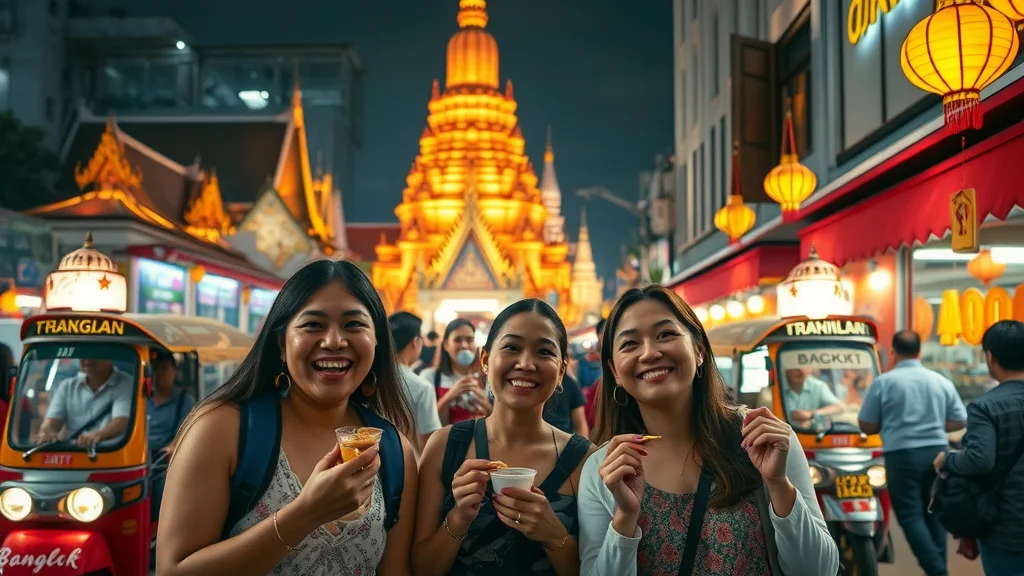
tourists enjoying street food and night life in Bangkok near illuminated temples, khao san road

Recommended Day Trips from Bangkok

Take your 2-week Thailand trip plan beyond the city with day trips to nearby marvels. Explore Ayutthaya, the ancient former capital teeming with atmospheric temple ruins (Wat Phra Si Sanphet, Wat Mahathat) and serene leafy parks. Another favorite is the Maeklong Railway Market, famous for vendors who swiftly pull back their awnings as the local train passes through! You can also visit Wat Arun—known as the Temple of Dawn—across the river for panoramic views and photogenic spires. These excursions lend powerful insight into Thailand’s cultural depth, contrasting Bangkok’s hustle with the tranquility of centuries-old history just a short ride away.

  • Ayutthaya Temple Ruins (UNESCO World Heritage Site)
  • Maeklong Railway Market (iconic train-through-market experience)

Sample 3-Day Itinerary in Bangkok

Settle in with a smart city itinerary:

  • Day 1: Dive into culture and history—Grand Palace, Wat Pho, Wat Arun
  • Day 2: Experience the city’s vibrant heart—street food tours, Siam Square shopping, Asiatique riverside
  • Day 3: Markets and nightlife—Ayutthaya day trip, Khao San Road revelry

Days 4-6: Northern Thailand – The Cultural Heart

Exploring Chiang Mai and Surroundings

After a short flight north, immerse yourself in the gentle rhythms and cultural splendor of Chiang Mai. Here, your 2-week Thailand trip plan is enriched by hundreds of temples—don’t miss Wat Phra That Doi Suthep, perched atop a misty mountain, and the intricate Lanna-style Wat Chedi Luang. Wander through the famous night bazaar to uncover artisan crafts, textiles, and sizzling street food. For animal lovers, ethical elephant sanctuaries offer a meaningful encounter (be sure to choose a responsible, hands-off sanctuary). In the evenings, the city glows with lanterns and the joyful sounds of walking street performances, inviting you to discover Chiang Mai’s creative spirit.

  • Temples (Doi Suthep, Chedi Luang), night bazaars, ethical elephant sanctuaries
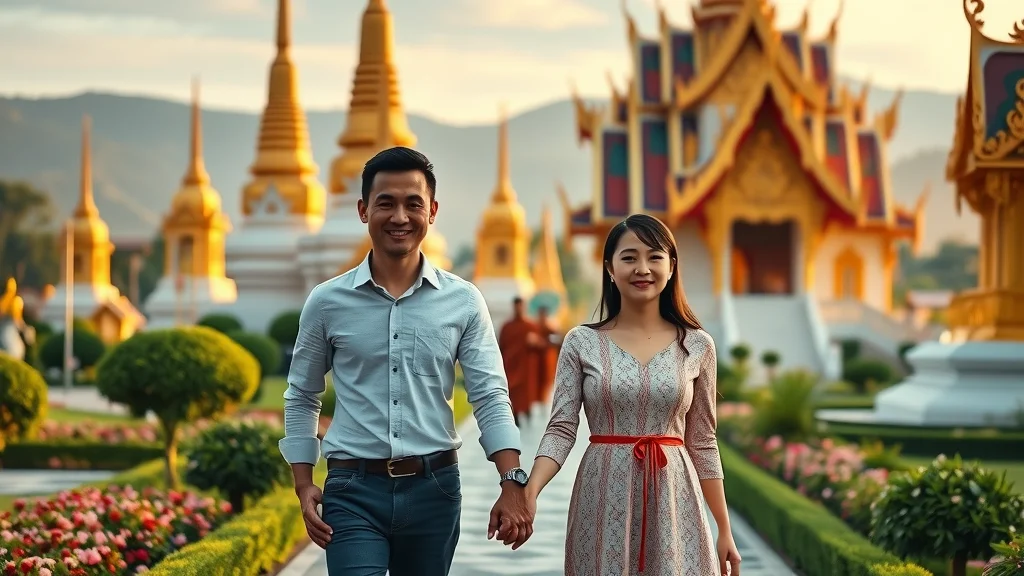
travelers walking through peaceful Chiang Mai temple grounds among golden stupas and monks

Day Trip Options: National Parks and Local Villages

From Chiang Mai, wonderful day trips open up. Head to Doi Inthanon National Park, Thailand’s highest peak, cloaked in cloud forests, waterfalls, and exhilarating hiking trails. Adventurous souls will love visiting authentic hill tribe villages, where you can learn about Karen or Hmong culture, taste home-cooked meals, and enjoy hands-on craft workshops. Whether you seek nature treks, waterfall swims, or quiet village life, northern Thailand is overflowing with opportunities for meaningful, off-the-beaten-track exploration.

  • Doi Inthanon National Park: mountain hiking, waterfalls, royal pagodas
  • Hill tribe village experiences: craft workshops, local interaction

Best Cultural Experiences in Chiang Mai

No 2-week Thailand trip plan is complete without immersing in Chiang Mai’s living traditions. Join a Thai cooking class to master fragrant curries and zingy salads, sourcing ingredients from the lively morning markets. If you’re in town for the magical Yi Peng Lantern Festival (usually November), prepare to witness a breathtaking spectacle as thousands of glowing lanterns ascend into the night sky, symbolizing renewal and hope. Chiang Mai also thrives on intimate cafe culture, bicycle tours through old city laneways, and spontaneous moments—like being invited to share a family’s alms ceremony at dawn.

  • Thai cooking classes, Yi Peng Lantern Festival (seasonal), traditional market tours
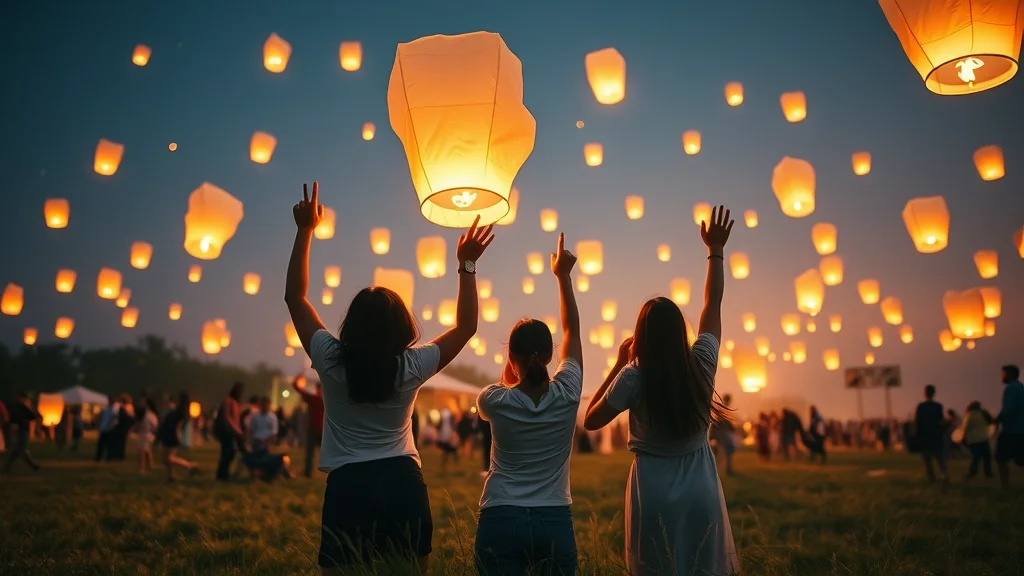
travelers launching lanterns at night during Yi Peng festival in Chiang Mai

Days 7-8: Island Hopping and Southern Thailand Gateway

Transitioning from North to South on Your 2-Week Thailand Trip Plan

When your Chiang Mai adventures are complete, it’s time to fly south to the tropical wonders of southern Thailand. Nonstop flights from Chiang Mai to Krabi or Phuket minimize travel time—coordinate an early flight for seamless connections. As you transition to island life, pack light for tail boat trips, sunscreen, and swimsuits. Relax on arrival; southern Thailand greets you with turquoise seas and a slower pace. Use local taxis, shared vans, and tail boats for ultimate flexibility along the Andaman coast, ensuring every moment between travel and relaxation is maximized.

  • Flight options: Chiang Mai to Krabi/Phuket nonstop (approx. 2 hours)
  • Travel tips: Book ferries/tail boats in advance during high season

First Stops: Ao Nang and Krabi Highlights

Krabi province and Ao Nang are your springboard to adventure. Sink your toes into powdery sands at Ao Nang Beach, then embark on a classic tail boat ride to Railay Beach—a stunning enclave framed by dramatic limestone cliffs. Explore nearby national parks such as Thung Teao Forest with its ethereal Emerald Pool, or scramble up scenic lookouts for panoramic ocean views. Evenings in Ao Nang promise fresh seafood at open-air restaurants, buzzing night markets, and the laidback energy that sets the tone for the days ahead.

  • Ao Nang and Railay Beach: swimming, tail boat rides, cliff views
  • Thung Teao Forest: adventure hikes, Emerald Pool dips
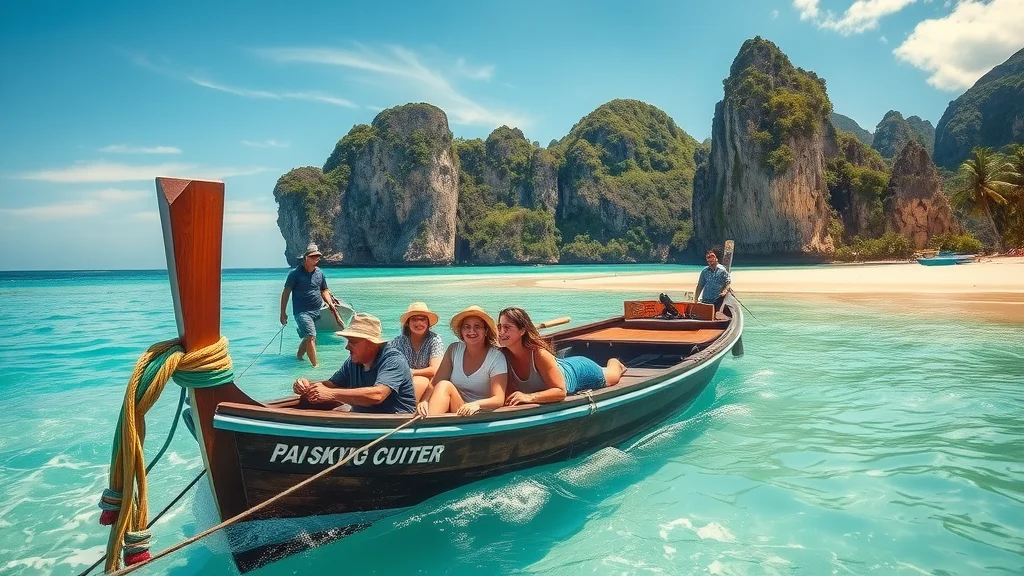
travelers boarding long-tail boat at Krabi with limestone cliffs and palm trees in background

Day Trip Adventures: Railay Beach, Thung Teao Forest

Make use of your precious days in southern Thailand with adrenaline-pumping day trips. Take a tail boat to the hidden beaches and caves around Railay, try your hand at rock-climbing those iconic limestone cliffs, or hike forest trails in Thung Teao to spot rare birds and relax in turquoise swimming holes. Adventure activities abound: kayaking mangroves, snorkeling coral reefs, and even waterfall hikes that cool you off after a day in the sun. Each new backdrop brings a unique flavor, expanding your 2-week Thailand trip plan beyond ordinary beach escapes.

  • Tail boat rides to secluded beaches and caves
  • Adventure activities: snorkeling, kayaking, hiking, rock climbing

Days 9-11: Koh Phi Phi and Surrounding Islands

The Best of Koh Phi Phi on Your 2-Week Thailand Trip Plan

No visit to southern Thailand is complete without the electric vibe of Koh Phi Phi. Your days here are filled with snorkeling among vibrant schools of fish, swimming through the aquamarine waters of Maya Bay (famed by “The Beach”), and soaking up the spirited nightlife. Pull on a mask and fins for a half-day snorkeling tour, then wander the lively walking streets by night—or simply watch fire dancers under a sunset sky. Koh Phi Phi rewards both partygoers and peace-seekers, making it an essential stop for every 2-week Thailand trip plan.

  • Snorkeling tours, Maya Bay visits, night parties, sunset viewpoints

group of friends snorkeling in turquoise Maya Bay, Koh Phi Phi

Island Hopping to Koh Lanta and Hidden Gems

Island hopping is at the core of an authentic Thailand experience. Board daytime ferries or private tail boats to reach Koh Lanta, renowned for its laid-back vibe, dazzling beaches, and excellent diving. Along the way, explore secret islands with secluded coves—perfect for a picnic or impromptu swim. Some of these smaller islands, accessible only by boat, feel a world away from the crowds. Diving instructors offer discovery dives even for beginners, unveiling coral gardens and friendly marine life. With each hop, your journey takes on a rhythm of sun, sea, and adventure—truly the best way to discover the diversity of southern Thailand.

  • Koh Lanta: sandy beaches, relaxed cafes, world-class diving
  • Hidden islands: day trips, unspoiled coves, tail boat explorations

Koh Tao, Koh Samui, and Other Must-See Islands

If time allows in your 2-week Thailand trip plan, add a ferry ride to Koh Tao—an island famed for affordable diving courses and postcard-perfect bays. Neighboring Koh Samui is the ideal place to finish your trip with upscale resorts, coconut groves, and golden sunsets. Travel between islands is easy via regular boats or private charters, and each offers its own unique character: Koh Tao attracts adventure seekers, Ko Lanta draws those looking for tranquility, and Koh Samui strikes the perfect balance for families or couples.

  • Koh Tao: diving certification, snorkeling, scenic viewpoints
  • Koh Samui: beach resorts, markets, lush landscapes
  • Island logistics: ferries from Krabi/Phuket to Phi Phi, then on to Lanta, Tao, and Samui

Days 12-14: Relaxation and Reflection in Southern Thailand

Unwinding on Koh Samui’s Shores

As your journey nears its end, Koh Samui is your sanctuary for relaxation and reflection. Lounge at an upscale beachfront resort or sway in a hammock strung between palm trees on Maenam or Lamai Beach, letting gentle waves and swaying leaves lull you into contentment. Treat yourself to a traditional Thai massage at a local spa after sun-filled days, or savor fresh seafood and spicy curries at open-air seaside restaurants. This is the time to slow down, savor the view, and relive your favorite moments from your 2-week Thailand trip plan.

  • Beach resorts: Samui’s famed coastlines and lagoon pools
  • Spas and wellness: massages, yoga, holistic therapies
  • Local cuisine: seafood BBQs, night market snacks

solo traveler relaxing in hammock on Koh Samui beach at sunset, dreaming about 2-week thailand trip plan

Exploring National Parks and Local Markets

Adventure and relaxation coexist on Koh Samui. Join a boat trip to Ang Thong National Marine Park, an archipelago of 42 islands offering kayaking, hiking, and hidden lagoons. In the evenings, dive into the vibrant night markets of Fisherman’s Village or Lamai, savoring local treats and snagging last-minute souvenirs. This blend of natural wonders and cultural delights means that every evening brings fresh possibilities—even after two action-packed weeks in Thailand you’ll find there’s always more to discover.

  • Ang Thong National Marine Park: snorkeling, kayaking, scenic overlooks
  • Night markets: Fisherman’s Village, Lamai, culinary hotspots

Tail Boat Journeys: Local Adventures

Before you say goodbye to Thailand, give in to the pull of a final tail boat adventure—exploring secret coves, uninhabited beaches, or even private charters that feel impossibly dreamy. From sunrise swims to spontaneous snorkeling stops and surprise encounters with local fishing boats, these unscripted moments become cherished memories, marking the perfect close to your epic 2-week Thailand trip plan.

  • Tail boat journeys: secluded beaches, private island-hopping
  • Local adventures: hidden waterfalls, village visits

cheerful couple on colorful Thai long-tail boat exploring southern Thailand islands

Sample 2-Week Thailand Trip Plan Table

Day-by-Day Route Planner: 2-Week Thailand Trip Plan
Day Destination Travel Mode Highlights
1 Bangkok International Flight Grand Palace, Wat Pho, street food
2 Bangkok City Transport Markets, Khao San Road, local culture
3 Bangkok Day Trip Train/Bus Ayutthaya ruins, Maeklong Railway Market
4-6 Chiang Mai Flight Temples, night bazaar, Doi Inthanon NP
7-8 Krabi/Ao Nang Flight, Taxi, Boat Beaches, Railay, tail boat rides
9-11 Koh Phi Phi Ferry, Walking Maya Bay, snorkeling, nightlife
12-14 Koh Samui Ferry, Taxi Beach resorts, Ang Thong, reflection

group of travelers collaborating over a Thailand trip planner table, planning weeks in Thailand

Tips, Lists, and Insider Secrets for the Ultimate 2-Week Thailand Trip Plan

  • Packing checklist:
    • Lightweight clothing, swimsuit, rain jacket, walking shoes, flip-flops
    • Power adapter, sunscreen, reusable water bottle, insect repellent
    • Copies of passport and travel insurance
  • Do’s and Don’ts in Southeast Asia:
    • Do respect cultural norms—dress modestly in temples, take your shoes off
    • Don’t touch anyone’s head or point your feet at people/statues
    • Do bargain politely at markets, be open to trying local cuisine
    • Don’t ignore safety during boat rides or jungle hikes—follow local advice
  • Essential apps: Grab (for transport), Google Maps, XE Currency, Thai language basics app
  • Convenience store hacks: 7-Eleven is your go-to for snacks, SIM cards, and quick meals
  • Cultural etiquette: Wai greeting (palms together), speak softly, smile!

Essential FAQs for Crafting Your 2-Week Thailand Trip Plan

How much will a 2-week trip to Thailand cost?

  • A mid-range 2-week Thailand trip plan typically runs around $1,800–$2,500 USD per person (flights, accommodation, food, local transport, activities). Save by choosing buses or trains and eating street food. Splurge on a boat ride or island hopping adventure for unforgettable experiences!

Is 14 days too long for Thailand?

  • Fourteen days is the sweet spot for experiencing Thailand’s diversity at a comfortable pace. It’s perfect for first-timers eager to explore both bustling cities and tranquil islands, but not too long for seasoned travelers who want immersive experiences or to go off the beaten path.

How to spend 12 days in Thailand?

  • Condense this 2-week Thailand trip plan by shortening Bangkok (2 days), focusing Chiang Mai and surroundings (3 days), and trimming your island time. Prioritize Koh Phi Phi or Koh Samui for a balanced north-south adventure even in less time.
  • For more FAQs about weeks in Thailand, southern Thailand adventures, and must-see places, check our dedicated FAQ section below!

People Also Ask: Your Top 2-Week Thailand Trip Plan Questions Answered

Is it worth going to Thailand for 2 weeks?

  • Absolutely. In two weeks, you can dive deep into Thai culture, explore both northern and southern Thailand, balance adventure with relaxation, and savor diverse cuisine and landscapes. The itinerary’s pace is ideal for cultural immersion without feeling rushed.

How much will a 2 week trip to Thailand cost?

  • Expect $1,800–$2,500 USD per traveler for mid-range comfort. Daily costs cover accommodation, food, transit, plus occasional splurges like island-hopping tours, diving, or spa days.

Is 14 days too long for Thailand?

  • Not at all—14 days is optimal to see both bustling cityscapes and laid-back islands, offering enough flexibility to customize for personal interests or add extra day trips.

How to spend 12 days in Thailand?

  • Follow a condensed version of this 2-week Thailand trip plan: 2 days in Bangkok, 3 days in Chiang Mai, and the rest split between southern beach destinations like Ao Nang, Koh Phi Phi, and Koh Samui.

Key Takeaways: The Ultimate 2-Week Thailand Trip Plan Checklist

  • Major destinations: Bangkok, Chiang Mai, Ao Nang, Koh Phi Phi, Koh Samui
  • Balance your time: 2-3 days per major region for depth and variety
  • Embrace local experiences: street food, night markets, cooking classes, boat rides
  • Pace yourself: alternate busy sightseeing with restful beach days
  • Stay flexible and open—Thailand’s magic is found in spontaneous moments

We'd Love Your Input

  • Please like, share, and comment on this article—your stories and feedback inspire fellow travelers to craft their own dream 2-week Thailand trip plan!

Conclusion: Start with this guide, savor each day, and make your 2-week Thailand trip plan a journey of a lifetime!

Thailand Destinations

0 Views

0 Comments

Write A Comment

*
*
Related Posts All Posts
11.21.2025

Taste the Magic of Thailand Food and Cuisine Today

Have you ever wondered what makes Thailand food and cuisine so enchanting and unforgettable around the globe? Whether it’s the zing of lime in tom yum soup or the decadent sweetness of sticky rice with mango, this guide invites you to unlock a magical world of taste that captivates food lovers everywhere. In this comprehensive exploration, you'll discover how Thai food lives at the heart of cultural traditions, culinary innovation, and global trends. Read on to experience the ultimate flavors, secrets, and inspirations behind Thailand’s iconic dishes! Unlocking the Secrets of Thailand Food and Cuisine: Why Is it So Magical? Thailand food and cuisine holds a unique position in the world of gastronomy. With its intricate balance of flavors, aromatic spices, and brilliant colors, Thai cuisine doesn’t just satisfy hunger; it excites the senses. What makes Thai food so magical is the harmony and contrast in every bite: sweet, sour, spicy, salty, and occasionally bitter. Each dish is crafted with purpose, reflecting centuries of evolution, cultural exchange, and creative flair. Whether you are indulging in the bold chillies of green curry or the herbal complexity of northern Thai specialties, every meal is a celebration of freshness and flavor balance. Moreover, Thailand’s rich culinary tradition is interwoven with social rituals and familial bonds. From humble street food vendors offering pad thai to lavish banquets featuring regional delicacies, food brings people together across regions and backgrounds. The truly magical element lies not just in the taste, but in the experience—an invitation to connect, explore, and indulge right at your table or on the vibrant streets of Bangkok. Thai dishes like tom yum, fried rice, or papaya salad are more than meals; they are rituals of joy, history, and community. The historical evolution of Thai cuisine and its global impact Key ingredients in Thailand food and cuisine Popular Thai dishes you must try Regional differences in Thai food and cuisine Tips for enjoying authentic Thai cuisine anywhere Frequently asked questions about Thailand food and cuisine A Brief History: Roots and Rise of Thai Cuisine "Thai cuisine weaves together centuries-old traditions, foreign influences, and bold innovation to create every meal." Historical Influences on Thailand Food and Cuisine Thai cuisine didn’t arise in isolation. The flavors and ingredients recognizable in Thailand food and cuisine today are the result of centuries of exchange with neighboring cultures and ancient trade routes. Early influences from China brought rice noodles and soy sauce, while India contributed spices and the vibrant concept of curry paste. Persian and Arab traders introduced aromatic herbs and methods for making stews, while later Portuguese influence ushered in the use of chilies, which are now indispensable in classics like green curry. Throughout history, Thailand’s royal courts played a vital role in refining and elevating local dishes, seeking complexity in flavors and delicate presentation. The accessibility of the Gulf of Thailand led to an abundance of seafood, while the inland valleys provided lush, fertile ground for rice and fresh vegetables. Each wave of influence was embraced, adapted, and creatively transformed, leaving a culinary legacy that is rooted in tradition and open to invention. This fascinating tapestry of traditions is why the phrase “Thai dish” now carries so many layers of meaning. The Cultural Diversity Shaping Thai Dishes Today Thai cuisine is far from monolithic. The geographical and cultural diversity of the country ensures a broad spectrum of culinary styles. Northern Thai food, with influences from Burma and Laos, is known for its herbal, earthy dishes like khao soi and mild heat. In contrast, southern Thai cuisine leans heavily on coconut milk and fresh seafood, a reflection of Malaysia’s proximity and rich coastal resources. Central Thailand blends influences from across the nation, giving birth to iconic staples like pad thai and tom yum. Urban centers such as Bangkok evolved into melting pots, uniting street vendors, royal chefs, and immigrant cooks—all contributing to the mosaic of flavors and textures that define modern Thai food. Wherever you go, the cuisine tells a story of migration, innovation, and festive abundance. The sharing of meals, creative adaptation to local ingredients, and a celebration of bold, harmonious flavors connect past and present, tradition and trend. Major Periods in the Evolution of Thai Cuisine Period Influences Culinary Impact Early Kingdoms (Sukhothai, Ayutthaya) Chinese, Indian Introduction of rice noodles, spices, stir-frying Late Ayutthaya / Early Rattanakosin Persian, Portuguese Chilies, sweets, and new preservation methods Modern (20th Century to Present) Western, Regional Asian, Global Fusion dishes, street food boom, global Thai restaurants Core Elements of Thailand Food and Cuisine: Ingredients and Flavors What Makes Thai Cuisine Unique? At the core of Thailand food and cuisine lies a pursuit of balance. Every dish strives to harmonize sweet, sour, spicy, salty, and even bitter notes. This intricate balance is achieved with a distinctive set of ingredients: fish sauce and soy sauce for saltiness, lime juice and green papaya for sourness, palm sugar for sweetness, and fresh chili for heat. Coconut milk tempers the fire of chilies and lends creamy body to beloved Thai curries. Signature Thai dishes such as green curry and tom yum are celebrated for this medley of contrasts. Equally important is the careful layering of aromatic herbs—lemongrass, Thai basil, coriander, and kaffir lime leaves—that fill kitchens with irresistible fragrance. The use of both fresh and fermented components, such as shrimp paste and chili sauce, creates a complexity unlike any other world cuisine. This dedication to flavor balance and freshness is what defines genuine Thai cooking. Balance of sweet, sour, salty, spicy, and bitter flavors Signature use of coconut milk, curry paste, shrimp paste, and chili sauce Key herbs and spices in Thai cooking including lemongrass, kaffir lime, Thai basil Essential Ingredients in Thailand Food and Cuisine Rice and Rice Noodle Varieties: The backbone of most meals, from fragrant jasmine rice to bouncy rice noodles for dishes like pad thai and pad see ew. Fresh Herbs: Lemongrass, Thai basil, coriander, and kaffir lime leaves build layers of aroma and brightness. Sauces: Soy sauce, fish sauce, and chili sauce infuse dishes with umami and heat. Popular Vegetables: Green papaya, Thai eggplant, and long beans add crunch and nutritional value to salads and stir-fries. "A medley of fresh and fermented ingredients creates the iconic flavors of Thailand food and cuisine." Exploring Popular Thai Food: Must-Try Thai Dishes Signature Thai Dishes and Their Origins Thailand food and cuisine is renowned for its dazzling array of dishes, each with a backstory and regional flair. Pad Thai, a stir-fried rice noodle dish, was popularized during WWII as a symbol of national identity and resourcefulness. Tom yum soup, brimming with lemongrass and kaffir lime, is rooted in central Thailand but now beloved worldwide for its vivid sour and spicy punch. Another essential is green curry, unified by coconut milk and freshly made curry paste, reflecting a blend of Indian and local Thai influences. Many popular Thai dishes came from humble beginnings, often adapted and elevated by royal kitchens or made iconic by the thriving street food scene. Whether it’s the rich, coconut-infused khao soi of the north or the zesty papaya salad (som tam) of the northeast, these flavors invite you to savor Thailand’s culinary evolution, one dish at a time. Popular Thai Dishes, Regional Roots & Main Ingredients Dish Region Main Ingredients Pad Thai Central Thailand Rice noodles, eggs, tofu, fish sauce, shrimp, peanuts, lime Tom Yum Soup Central Thailand Lemongrass, kaffir lime leaves, chili, shrimp, fish sauce Green Curry Central/Southern Thailand Coconut milk, green chili, chicken, Thai basil, eggplant Khao Soi Northern Thailand Egg noodles, coconut milk, chicken/beef, curry paste Papaya Salad (Som Tam) Northeast Thailand (Isan) Green papaya, chili, fish sauce, tomatoes, lime Sticky Rice with Mango Central/Northern Thailand Sticky rice, coconut milk, mango, sugar The Role of Street Food in Thailand Food and Cuisine Street food is the heartbeat of Thailand food and cuisine. Across bustling cities and rural towns, vibrant night markets and roadside stalls serve beloved classics to locals and tourists alike. Authentic Thai street food is defined by its immediacy, bold flavors, and diversity—from sizzling fried noodles like pad thai to the tangy crunch of papaya salad. These dishes are more than sustenance—they are living history, community, and everyday delight. Among the array of popular offerings, you’ll find steaming bowls of tom yum, hand-tossed rice noodle stir-fries, crispy fried rice, and regional snacks such as khao soi. The culinary creativity and accessibility of Thai street food have made it a global phenomenon, available from Bangkok to New York, and beloved far beyond their origins. What defines authentic street food in Thailand? – Fresh, made-to-order, bold flavors, and local ingredients. Popular Thai street foods: Fried noodle, pad thai, green papaya salad. The Top Thai Dishes to Experience: Tom Yum Soup – The Quintessential Spicy-Sour Broth Pad Thai – Sweet, Sour, and Savory Stir-Fried Rice Noodles Green Curry – Herb-Infused Coconut Milk Delight Khao Soi – Signature Northern Thai Noodle Dish Sticky Rice with Mango – Beloved Thai Dessert Papaya Salad – Zesty Street Food Favorite Regional Variations in Thailand Food and Cuisine Northern Thai Cuisine: Bold, Herbal, and Earthy Northern Thai food, shaped by mountain terrain and cooler climate, is celebrated for its complex aromatic herbs and subtle chili heat. Local specialties such as khao soi—a decadent egg noodle coconut curry soup—feature rich, warming curry pastes and fermented accents. Unlike central and coastal regions, northern cuisine frequently utilizes sticky rice over jasmine rice, often served with herbal relishes or spicy dips and grilled meats. Recipes in this region utilize mild sweet and salty flavors balanced by herbal bitterness, with less reliance on coconut milk and more on fresh roots and wild vegetables. The interplay of fresh and fermented, earthy and aromatic, makes these dishes a treat for adventurous palettes seeking authenticity in Thai cooking. Southern Thai Cuisine: Spicy, Coconut-Rich, and Distinct Southern Thai cuisine is famously fiery, owed to a bounty of fresh chilies and spices as well as the area’s close connection with Malaysia and the Indian Ocean. Green curry here reaches new levels of heat and fragrance, and seafood takes center stage. Dishes like yellow curry crab and spicy fish soups abound, with coconut milk soothing the intensity of chilies in both curries and desserts. This region also makes frequent use of shrimp paste, adding depth and savoriness to sauce bases, dips, and stir-fries. Southern Thai food is a bold showcase of the interplay between sea, spice, and coconut, a must-try for lovers of robust, layered heat. Eastern and Central Thai Food: Eclectic and Urban Central Thailand, including Bangkok, is a culinary crossroads, famous for harmonious flavor balance and iconic dishes adopted across the world. Think of pad thai, tom yum, and fried rice, all of which have been perfected and popularized here. Eastern Thailand is known for sour flavors and fresh fruits, while Bangkok, as an urban center, fuses influences from every region alongside international elements. Expect a mix of stir-fried rice noodle dishes, hearty soups, and vibrant salads, surrounded by an ever-growing street food culture. The range and diversity ensure that everyone—from spice seekers to comfort-food lovers—can find their ideal Thai dish here. Regional Thai Dishes & Unique Flavors Region Signature Dish Distinctive Flavors Northern Thailand Khao Soi Herbal, earthy, mild chili, coconut-based Southern Thailand Yellow Curry Crab Spicy, coconut-rich, seafood-forward Eastern Thailand Green Papaya Salad Zesty, sour, spicy, fresh herbs Central Thailand Pad Thai Sweet, tangy, umami, peanuts, rice noodles Cooking Thai Food at Home: Essentials for Authentic Thai Cuisine Key Equipment and Ingredients for Thai Cooking Bringing authentic Thailand food and cuisine into your kitchen starts with the right tools and the freshest ingredients. Essential equipment includes a sturdy wok for stir-fries, a mortar and pestle for crushing herbs and spices, and bamboo steaming baskets for perfect sticky rice. Stock your pantry with basics like fish sauce, soy sauce, coconut milk, curry paste, and chili sauce—these foundation flavors will enable you to recreate a full spectrum of Thai dishes. A successful foray into Thai cooking also means embracing the art of shopping for fresh ingredients. Seek out lemongrass, Thai basil, coriander, kaffir lime leaves, and a bounty of crunchy vegetables such as green papaya and eggplant. Don’t forget pantry essentials such as rice noodles and shrimp paste, which add that unmistakable aroma and flavor signature to many recipes. How to Recreate Thai Dishes from Scratch Start by assembling a base of quality ingredients—fresh herbs, coconut milk, curry paste, and traditional seasonings. Use your mortar and pestle to prepare curry pastes by grinding shallots, garlic, chili, lemongrass, and shrimp paste. Cooking authentic pad thai or tom yum soup requires following the order in which flavors are built: first boiling herbs and broth, then layering in fish sauce, lime juice, and your protein. A typical Thai meal features a variety of textures and temperatures, so it’s common to serve a selection of hot, cold, spicy, and mild dishes together. Stay patient as you perfect your techniques, from wok-tossed fried rice to delicately blended soups. The reward is a feast that transports you straight to the markets and home kitchens of Bangkok and Chiang Mai! Shopping list: coconut milk, curry paste, rice noodles, shrimp paste, green papaya, chili sauce, fish sauce, fresh herbs Common Mistakes to Avoid When Cooking Thailand Food and Cuisine Missteps often come down to ingredient choices and cooking techniques. Using dried rather than fresh herbs, overcooking rice noodles, adding coconut milk too early, or skipping the delicate balance of sweet, sour, spicy, and salty can all lead to bland or unbalanced results. Don’t substitute essential ingredients like fish sauce or tamarind paste unless absolutely necessary; they’re key to the flavor profile of true Thai cuisine. Being mindful of the sequence in which flavors are introduced is crucial. For instance, adding lime juice to a hot dish too early can make it bitter, while neglecting a proper stir-fried texture for fried rice can lead to a sticky, clumpy mess. Cook with patience, taste as you go, and pay attention to the interplay of aromas and colors. The magic lies in practice—and in savoring your results! Thailand Food and Cuisine in Modern Times: Global Influence and Trends How Thai Cuisine Conquered the World Thai food’s unforgettable flavor profiles have turned it into a global culinary sensation. Fueled by the proliferation of Thai restaurants internationally, classic dishes like pad thai and tom yum now feature in food courts and street markets worldwide. Enthusiasts are drawn to the thrilling contrast of flavors, visual appeal, and the interactive nature of meals designed for sharing. This global popularity is sustained by Thailand’s embrace of tourism and cultural diplomacy. Government initiatives, such as “Thai Select,” have promoted culinary exports and authenticity in Thai restaurants abroad. Fusion creations—whether it’s Thai tacos, green curry pizza, or vegan versions of traditional recipes—extend the reach of Thailand food and cuisine to new audiences, keeping old favorites fresh and exciting. Modern Twists and Fusion in Thailand Food and Cuisine The evolution of Thai cuisine hasn’t stopped at tradition. Contemporary chefs experiment with fusion and innovation, blending Thai flavors with global techniques and ingredients. In Bangkok and beyond, you’ll find khao soi ramen, tom yum burgers, and plant-based green curry. Yet, even with these inventive twists, the core principles—balance of flavor, freshness of ingredients, and visual appeal—remain at the heart of every Thai dish. "Thai food’s irresistible flavor profiles make it a global culinary phenomenon, inspiring chefs worldwide." Healthy Aspects of Thailand Food and Cuisine Nutritional Benefits of Popular Thai Dishes Thailand food and cuisine can be a powerhouse of nutrition when built on an abundance of fresh herbs, vegetables, lean proteins, and beneficial spices. Thai salads, like green papaya salad, burst with vitamins, while soups like tom yum offer probiotics and immune-boosting herbs. The traditional use of coconut milk provides healthy fats, and much of the cuisine is naturally gluten-free due to the reliance on rice noodles and sticky rice. Spices and herbs, including turmeric, ginger, and coriander, not only enhance flavor but contribute anti-inflammatory and antimicrobial benefits. Balance is also nutritional—frequent meals include a harmony of protein, complex carbs, and healthy fats. With moderate use of oil and sugar, and the encouragement to eat communally, traditional Thai meals promote mindful, shared, and fresh eating. Use of fresh vegetables and herbs Balance of protein, carbs, and healthy fats Spices and herbs with medicinal value Tips for Making Thai Cuisine Healthier at Home To optimize the healthy aspects of Thai cuisine at home, focus on steaming or grilling instead of deep-frying and use coconut milk sparingly. Add more vegetables to stir-fries and soups and cut down on sugar and sodium by adjusting dipping sauces. Consider brown rice as an alternative to white, and experiment with tofu or lean meats for protein. Above all, enjoy the communal experience—delighting in a spread of colorful, varied dishes shared with family and friends is as nourishing for the soul as it is for the body. Must-See: Thai Street Food Tour - Experience Thailand Food and Cuisine Live People Also Ask: Thailand Food and Cuisine What is the famous food of Thailand? Discover why Pad Thai, Tom Yum, and Green Curry are celebrated icons of Thai cuisine. Pad Thai stands as a global ambassador for Thailand food and cuisine. This stir-fried rice noodle dish with egg, peanuts, and tamarind sauce captures the balance of flavors Thai food is known for. Two other icons—tom yum (a spicy-sour soup loaded with shrimp and herbs) and green curry (creamy, fragrant, and spicy with coconut milk)—embody the complex, layered flavors and bright presentations that have made Thai cuisine a worldwide favorite. What is the #1 selling food in Thailand? Learn about popular Thai fried rice and Pad Thai as leading favorites in Thailand food and cuisine. The top-selling foods in Thailand are Pad Thai and fried rice (khao pad). Both dishes are ubiquitous in restaurants and street markets, catering to locals and tourists alike. Pad Thai’s nuanced flavor and approachable ingredients make it universally appealing, while fried rice is customizable and comforting. Their widespread availability and addictive taste make them staples in everyday Thai dining. What kind of cuisine is Thai food? Understand the defining characteristics—freshness, flavor balance, and vibrant presentation—of authentic Thai cuisine. Thai food is a Southeast Asian cuisine defined by a mastery of flavor balance—especially the harmony of sweet, sour, salty, and spicy elements. It emphasizes freshness, with liberal use of herbs, spices, and aromatic vegetables, and is known for the colorful, artistic arrangement of food. Signature sauces like fish sauce and soy sauce add umami, and coconut milk is central to curries and desserts. What is the food culture in Thailand? Explore the social significance, communal meals, and festive rituals that surround Thai dishes in everyday Thai life. In Thailand, food is at the heart of social interactions and cultural celebrations. Meals are typically communal, featuring shared plates so everyone can savor a variety of dishes. Festivals and daily life are marked by food rituals; offerings, prayers, and gratitude are common before eating. Street markets, family gatherings, and temple fairs celebrate the abundance and diversity of Thai cuisine, making it more than just sustenance—it’s an expression of togetherness and joy. Frequently Asked Questions about Thailand Food and Cuisine Are Thai dishes typically very spicy? While many Thai dishes have a reputation for heat, you’ll find a spectrum ranging from mild to fiery. Dishes like pad see ew or stir-fried vegetables are usually milder, while tom yum, green curry, and papaya salad can be adjusted for spice to suit your taste. Is sticky rice only served as a dessert in Thailand food and cuisine? No, sticky rice plays a starring role both as a staple with savory northern and northeastern dishes (like khao soi or grilled meats) and in desserts such as sticky rice with mango. Its versatility is a hallmark of Thai cooking. How do regional flavors differ in Thai cuisine? Northern Thai food is herbal and mild; southern Thai food is spicy and coconut-rich, while central and eastern regions focus on flavor harmony and fresh fruits. Each area uses its unique ingredients, reflecting local geography. What distinguishes rice noodles from fried noodles in Thai cooking? Rice noodles are made from rice flour and water and often stir-fried as in pad thai or pad see ew. Fried noodles, like those in khao soi or crispy versions in stir-fries, may be made from egg or wheat flour and are deep-fried or pan-crisped for texture. Key Takeaways: What Makes Thailand Food and Cuisine Unforgettable Bold flavor combinations and vibrant freshness set Thai dishes apart. Thai cuisine reflects a mosaic of history, culture, and creativity. With a few essential ingredients, you can recreate authentic Thailand food and cuisine at home. Chef Tips: Cooking Authentic Thai Food and Cuisine at Home Join the Conversation About Thailand Food and Cuisine "Share your experiences, questions, and favorite dishes—Thailand food and cuisine is best enjoyed together." Please like, share and comment on this article. Conclusion: Whether you’re discovering Thailand food and cuisine for the first time or rekindling a love for these bold flavors, there’s magic waiting in every bite and every shared meal. Dive in, experiment, and savor the unforgettable tastes of Thailand!

11.20.2025

Discover Stunning Thailand Beaches and Islands Today

Have you ever wondered why thailand beaches and islands consistently top lists of the world’s most stunning coastal destinations? Let’s dive in. Spectacular sunsets, sapphire waters, and a tapestry of islands—Thailand’s island paradises beckon travelers of every kind. Whether you yearn for vibrant nightlife under swaying palms, seek the serenity of a tranquil cove, or dream of adventure beneath crystal-clear waves, Thailand beaches and islands promise more than just a getaway—they offer a memory of a lifetime. In this comprehensive guide, we’ll unveil the famous hotspots, hidden gems, travel tips, and practical advice you need to plan your ultimate Thai island adventure. Unlocking the Wonders of Thailand Beaches and Islands Have you ever wondered why thailand beaches and islands consistently top lists of the world’s most stunning coastal destinations? Let’s dive in. Thailand’s coastal treasures are famed not just for their beauty but for the diversity they offer. From the powdery white sand of the Gulf of Thailand’s vibrant islands like Koh Samui and Koh Tao to the cinematic limestone karsts of the Andaman Sea’s Koh Phi Phi, each destination beckons with its own allure. The secret to an unforgettable experience is discovering which islands and beaches best align with your personal travel style. Coupling this exploration with insights on best times to visit, island hopping routes, and unique activities ensures your adventure is as smooth and rewarding as the turquoise tides themselves. This essential guide brings together everything you need to navigate thailand beaches and islands—whether you’re an adventure-seeker, a relaxation aficionado, or a family traveler. We blend practical planning tips, destination comparisons, wellness insights, and eco-travel recommendations so you can immerse yourself in one-of-a-kind experiences. Ready for adventure or tranquility, we help you unlock the wonders, one beach at a time. What You'll Learn About Thailand Beaches and Islands Explore the most famous and hidden thailand beaches and islands Understand how to plan the ultimate island hopping adventure Compare key destinations including koh samui, koh tao, and the andaman sea Discover travel tips and practical advice Find out which thailand beaches and islands best match your travel style By the end of this guide, you’ll have a clear roadmap for exploring the best of thailand beaches and islands. You’ll identify top sandy stretches, learn about classic island hopping circuits, discover how the Gulf of Thailand compares to the Andaman Sea, and access pro travel tips for every budget and traveler type. Plus, you’ll gain unique insights on eco-friendly activities and local sustainable travel initiatives—ensuring your Thai island discovery is unforgettable and responsible. Get ready to plan your dream trip, from the sparkling shores of Koh Tao to the luxurious relaxation of Koh Samui, the adventure-laden jungles of Koh Chang, and the postcard beauty of the Andaman’s limestone giants. Let’s embark on your journey to uncover which of thailand beaches and islands will capture your heart. Thailand Beaches and Islands: Setting the Scene Geography of Thailand Beaches and Islands Thailand’s coastline stretches for over 3,200 kilometers, with the Gulf of Thailand to the east and the Andaman Sea to the west. Each side boasts a constellation of islands, but the character of their beaches, landscapes, and marine life can differ dramatically. The Gulf of Thailand is known for its lively resort towns (like Koh Samui) and vibrant underwater scenes (notably around Koh Tao), while the Andaman Sea’s dramatic karsts, hidden coves, and world-class snorkeling lure travelers to islands such as Koh Phi Phi and Koh Lanta. The intricate arrangement of islands—ranging from tiny uninhabited specks to bustling tourist hot spots—creates endless opportunities for exploration and relaxation. The diversity of thailand beaches and islands means you’ll find everything from backpacker communities and diving schools to five-star resorts, local fishing villages, and untouched jungles bordering soft sand beaches. Whether you prefer the wild jungles of Koh Chang or the iconic cliffs of Railay, there’s a spot waiting just for you. Gulf of Thailand vs. Andaman Sea: Key Differences Understanding the distinctions between these two marine regions will greatly enhance your Thailand trip planning. The Gulf of Thailand (including famed islands like Koh Samui, Koh Tao, and Koh Phangan) tends to have calm, shallow waters ideal for swimming and families, especially during high season from December to April. This area is famous for accessible snorkeling, bustling beach bars, and festivals like the Full Moon Party on Koh Phangan. Conversely, the Andaman Sea (featuring Koh Phi Phi, Koh Lanta, and Koh Lipe) showcases postcard-perfect limestone karsts looming above emerald waters. The Andaman is revered for dramatic coastal scenery and provides some of the best island hopping opportunities, breathtaking diving, and secluded beaches. High season here generally runs from November to April, offering optimal weather and calm seas for boat rides and aquatic adventures. Choosing between the Gulf and the Andaman often comes down to the style of your ideal vacation—each reveals a unique slice of thailand beaches and islands magic. Best Time to Visit Thailand Beaches and Islands The timing of your visit can make all the difference. The majority of Thailand’s islands are at their best during the dry (high) season, which differs slightly based on region. The Andaman Sea islands (including Koh Phi Phi and Koh Lanta) shine brightest between November and April. Calm seas, minimal rainfall, and abundant sunshine create prime conditions for beach lounging, diving, and island hopping. The Gulf of Thailand (with islands such as Koh Samui and Koh Tao) is most inviting from late December to August, with an extra stretch of dry weather that extends through mid year. Off-season visits can offer quieter experiences and lower prices but may bring brief rain showers or rougher seas—something to consider if boat trips or diving are your priorities. For the quintessential thailand beaches and islands adventure, plan your trip between December and April when conditions are ideal for both coasts. Island Hopping: The Ultimate Way to Explore Thailand Beaches and Islands How to Island Hop Thailand’s Most Beautiful Islands Island hopping is hands-down the most rewarding way to experience thailand beaches and islands. Picture yourself gliding between isles on long-tail boats or speedboats, reveling in changing coastlines, dynamic marine life, and the shifting rhythm of local island culture. Many Thai islands are clustered together—meaning you can easily travel between them for day trips or extended adventures. This makes it possible to combine the luxury of Koh Samui with the diving utopia of Koh Tao or the wellness tranquility of Koh Phangan in a single itinerary. To plan an island hop, consider the season, the islands’ proximity, and transportation links. Most major routes (such as Koh Samui–Koh Phangan–Koh Tao circuit, or Phuket–Koh Phi Phi–Koh Lanta in the Andaman) are served by fast ferries, private boats, and occasional flying boat rides. Pre-booking during high season is wise, and always allow for some flexibility—the weather, tides, or spontaneous discoveries can influence your perfect Thai island odyssey. Classic Island Hopping Routes in the Gulf of Thailand The Gulf of Thailand is renowned for its seamless island hop circuits. Start your journey from Surat Thani or Chumphon, then zip between Koh Samui, Koh Phangan, and Koh Tao—each only an hour or two apart by ferry. Koh Samui offers cosmopolitan charm and luxury resorts; Koh Phangan is famed for its Full Moon Party but also secluded beaches and wellness retreats; Koh Tao is the go-to for diving and laid-back living. Evening beach bars, day trip snorkeling, and jungle hikes ensure there’s never a dull moment. This route is ideal for those seeking variety—culture, nature, and nightlife are all accessible without arduous travel. Backpackers and luxury travelers alike find delight in discovering hidden beaches and coral reefs. Don’t forget to check local ferry timetables and consider a night or two on each island to soak up its singular vibe. Island Hopping in the Andaman Sea The Andaman Sea is a paradise for more adventurous or romantic travelers. Island hop from Phuket’s bustling west coast to Koh Phi Phi—where iconic cliffs and electric nightlife mingle with world-class snorkeling. Continue southeast to Koh Lanta for a more relaxed, less crowded scene, then on to the powdery white beaches of Koh Lipe, often dubbed the ‘Maldives of Thailand.’ Whether by speedboat, local ferry, or private charter, every leg offers spellbinding scenery and the thrill of discovery. Smaller day trips from your base island give you access to still more secluded coves, secret sandbars, and coral reefs. Pro tip: Book in advance during the dry season, as these island routes are incredibly popular for the thailand beaches and islands experience! “There’s no better way to appreciate the diversity of thailand beaches and islands than by embarking on an island hopping adventure.” – Local Travel Expert Koh Samui: Jewel of the Gulf of Thailand Top Koh Samui Beaches and Attractions Koh Samui is a shining star among the thailand beaches and islands in the Gulf of Thailand—blending luxury, excitement, and natural beauty. The soft sand beaches of Chaweng and Lamai invite sunbathers, while the smaller Silver Beach and Maenam Beach are perfect for families or those seeking tranquility. Beyond the soft sand, explore the colorful Fisherman’s Village, sip at trendy beach bars, or marvel at Big Buddha Temple. Day trips let you venture to Ang Thong National Marine Park for emerald lagoons or sample Koh Samui’s lively night markets and beachside dining. With everything from luxury resorts to yoga platforms on the sand, Koh Samui guarantees every visitor finds their own rhythm of relaxation or adventure in this slice of paradise. Luxury Resorts and Nightlife on Koh Samui If your dream trip includes indulgence, Koh Samui’s luxury resorts will not disappoint. World-class hotels offer infinity pools that blend seamlessly into the turquoise horizon, upmarket spa treatments, and exclusive beach clubs. Enjoy the cosmopolitan buzz of Chaweng Beach by night, or slip into the serenity of your own private villa along quieter coasts. The island’s nightlife scene is equally famous—trendy bars, chic clubs, and laid-back reggae lounges keep the energy high long after sunset. For couples, honeymoons, or special occasions, the hospitality on Koh Samui sets a high bar among thailand beaches and islands. Even if you’re not a guest at a five-star spot, many resorts open their doors for sunset cocktails or dinners on the sand—offering a taste of luxury for every traveler. Family-Friendly Activities on Koh Samui Koh Samui is just as appealing for families and multi-generational travelers. Beyond the beautiful beach options, you can explore zipline courses through jungle canopies, elephant sanctuaries (that focus on animal welfare), interactive water parks, and boating day trips in calm, sheltered bays. Many accommodations provide play areas and child-minding services, so parents can also find a little time to relax. Shopping at Fisherman’s Village Night Market or taking a cooking class offers cultural as well as culinary delights. With activities for everyone and a safe, welcoming atmosphere, it’s easy to see why Koh Samui keeps topping lists of best thailand beaches and islands for families. “Koh Samui’s white sand stretches and upscale ambiance make it ideal for every type of traveler – from romantics to families.” – Thailand Insider Koh Tao: Diving Paradise in Thailand Beaches and Islands Snorkeling and Diving Around Koh Tao Koh Tao has earned its reputation as the diving capital of thailand beaches and islands. With more than 20 world-class dive sites, including Chumphon Pinnacle and Japanese Gardens, divers encounter an underwater wonderland: technicolor coral reefs, swarms of tropical fish, and the occasional gentle whale shark gliding by. Even if you’re not certified, Koh Tao is a top spot for taking affordable PADI courses or simply donning a mask for vibrant snorkeling off Mae Haad and Shark Bay. The island’s laid-back energy, abundant marine life, and clear waters invite both first-timers and seasoned explorers. Between dives, you’ll find beach bars, hilltop viewpoints, and secluded coves for unwinding and swapping stories with the global dive community that calls Koh Tao home. Best Beachfront Bungalows and Accommodation One of the great pleasures of Koh Tao is falling asleep to the sound of gentle waves in a beachfront bungalow. From rustic huts perfect for backpackers to stylish contemporary villas, the island caters to every budget. Sairee Beach is the most social and lively, while Chalok Baan Kao and Tanote Bay provide a more peaceful ambiance amid swaying palms and calm waters. Many bungalows and hotels offer direct access to the sea, easy rental of kayaks or snorkel gear, and views of unforgettable sunsets and sunrise beaches. This mix of affordability and location underpins why Koh Tao continually features at the top of must-visit thailand beaches and islands lists. Sustainable Tourism on Koh Tao Koh Tao has become a leader in sustainable tourism among thai islands. Numerous dive operators enforce reef-safe practices, participate in ocean clean-ups, and offer educational eco-tours to help preserve the local marine ecosystem. Visitors are encouraged to use eco-friendly sunscreen, avoid stepping on coral, and support local businesses dedicated to conservation. By choosing responsible companies and staying conscious of your environmental footprint, travelers help ensure the unparalleled beauty of Koh Tao—and all thailand beaches and islands—endures for generations to come. Koh Phangan: Beyond the Full Moon Party Hidden Beaches and Natural Wonders While widely associated with the legendary Full Moon Party, Koh Phangan is actually a haven of peace and natural splendor once you venture beyond Haad Rin. The island’s north and east coasts hide tranquil coves and secluded beaches fringed by jungle, where you’ll find serene spots like Bottle Beach and Thong Nai Pan. These corners offer crystal waters, hammocks strung between palms, and the soothing sounds of the wild—far removed from the party buzz. Nature lovers and those craving an authentic thai island experience will find lush mountains with hidden waterfalls, jungle hikes, and slow-paced fishing villages. Rent a scooter or kayak for a day trip exploring different stretches of sand, discovering why Koh Phangan is a favorite among travelers wanting both energy and tranquility on thailand beaches and islands. Wellness Retreats and Yoga on Koh Phangan Koh Phangan’s calmer coasts have become a global center for wellness. Dozens of yoga shalas, meditation centers, and holistic resorts offer regular retreats, workshops, and healthy cuisine. Whether you simply want a sunrise yoga class on the sand beach or a week-long immersion in mindfulness, you’ll find expert teachers and inclusive communities. Impactful moments abound: morning dynamic yoga flows, sunset meditations overlooking the sea, or detoxing spa sessions. Koh Phangan’s wellness reputation means you can recharge your body and mind while soaking in the island’s remarkable natural backdrop—another side of thailand beaches and islands often missed by the party crowds. “Koh Phangan’s tranquil north coast is a world away from the party beaches, ideal for those seeking serenity and nature.” – Wellness Blogger Andaman Sea Treasures: Koh Phi Phi, Koh Lanta & More Koh Phi Phi: Cinematic Beauty and Snorkeling Spots The Andaman Sea’s Koh Phi Phi is nothing short of mesmerizing. Its towering limestone cliffs rise dramatically from turquoise lagoons, forming the backdrop for Hollywood hits and countless travel dreams. Here, snorkeling in shallow bays reveals coral gardens alive with reef fish, while long-tail boats zip visitors between Maya Bay, Monkey Beach, and Bamboo Island. Nightlife blooms in beach bars and fire shows, while quiet dawns reward early risers with empty sands and meditative views. Whether you’re there for a day trip or a longer stay, Koh Phi Phi is a must-see destination on any thailand beaches and islands adventure—ideal for both the energetic and the contemplative traveler. Koh Lanta: Laid-Back Vibes on Thailand Beaches and Islands Koh Lanta stands out for its relaxed pace, uncrowded beaches, and local charm. Long Beach and Kantiang Bay stretch out with soft sand and palm shadows—a haven for families, couples, and solo wanderers seeking peace over parties. The island is a gateway for exploring Mu Koh Lanta National Park and traditional fishing villages by moped or bicycle. Snorkeling day trips depart for coral-fringed islets, while laid-back beach bar sunsets and delicious night markets round out the experience. Koh Lanta is a perennial favorite in the andaman sea and among thailand beaches and islands, especially recommended for extended stays or eco-conscious travelers. Koh Lipe: The 'Maldives of Thailand' Koh Lipe is often called the ‘Maldives of Thailand’ for its powder-soft white sand beach and crystalline waters. Sunrise Beach, Pattaya Beach, and Sunset Beach offer different ambiances, from lively social scenes to quiet stretches for romantic walks. This compact island’s coral reefs are right offshore—perfect for snorkeling by day and dining on global cuisine by night at colorful beachside cafes. A favorite for honeymooners and passionate photographers, Koh Lipe combines beauty, accessibility, and that rare, unhurried mood. Pre-book during high season and consider a visit during quieter months to experience its most tranquil side among all thailand beaches and islands. Day Trips to Smaller Thai Islands in the Andaman Sea Many travelers highly recommend taking day trips from main hubs to discover nearby hidden gems such as Koh Rok, Koh Haa, or the Similan Islands. These spots reward snorkelers and kayakers with vibrant marine life, untouched beaches, and fewer crowds. Chartering a boat for a private picnic or sunset cruise offers another level of magic—often providing the day’s most unforgettable moments amidst thailand beaches and islands. Group tours, private long-tail boats, or even local kayaking excursions cater to every budget and time frame. This is island hopping at its most adventurous—unearthing hidden pearls along the endless Andaman coast. The Gulf of Thailand’s Undiscovered Islands Koh Kood: Tranquility and Unspoiled Beaches Koh Kood is where serenity reigns among thailand beaches and islands. Located off the east coast near Cambodia, this island is a lush paradise of coconut groves, crystal creeks, and powdery sand beaches with almost no crowds. Ao Tapao and Khlong Chao are standout spots for swimming and total relaxation. Koh Kood’s small eco-resorts and family-run bungalows are designed for unplugging from the world—no nightlife here, just the sound of the waves and the wind in the palms. It’s also a haven for kayakers and waterfall lovers, offering a taste of old Thailand before the rise of mass tourism. Koh Chang: Adventure Amid Rich Jungle Koh Chang, the second-largest of thai islands, boasts dramatic mountains, thick jungles, and a coastline dotted with sand beaches and tiny villages. Trekking, waterfall chasing, and exploring mangrove waterways attract adventurers, while the popular White Sand Beach has lively beach bars and a family-friendly vibe. Near the east coast of Thailand, Koh Chang’s blend of rainforest escapades and sunny shoreline is perfect for intrepid travelers and outdoor enthusiasts. With ferries easily connecting to the mainland, it’s a must-add to any in-depth exploration of thailand beaches and islands. East Coast Escapes: Lesser-Known Thai Islands Beyond the tourist trail, islands like Koh Mak, Koh Wai, and Koh Mun Nok offer peaceful retreats and unique local culture. Expect simple accommodations, empty beaches, and some of the clearest water in Thailand. Nature, solitude, and meaningful cultural exchanges define these east coast escapes, making them ideal for travelers who crave authenticity and calm in their thailand beaches and islands journey. Seasonal ferry services and close proximity to Koh Chang make it easy to craft a multi-island trip on Thailand’s east coast—an adventure less traveled but deeply rewarding. White Sand Beaches and Unique Experiences Across Thailand White Sand Beach (Koh Chang) Mae Nam Beach (Koh Samui) Ao Nang Beach & Railay Beach (Krabi) Sunrise Beach (Koh Lipe) Lamai Beach (Koh Samui) Night snorkeling in bioluminescent bays Private island picnics Traditional Thai long-tail boat rides Kayaking through mangrove forests Coral reef snorkeling with local guides Thailand’s white sand beaches are the hallmark of its coastal charm—each with their own personality, from lively stretches to quiet hideaways. Night snorkeling in a bioluminescent bay, sharing a private island picnic, or cruising the coast on a traditional long-tail boat gives visitors the chance to experience these iconic settings in unconventional ways. With so many unique alternatives on offer, your adventure on thailand beaches and islands will be as individual as you are. Planning Your Dream Trip to Thailand Beaches and Islands Best Times of Year for Each Region The Gulf of Thailand is best visited during late December to August, peaking in March to May for sun worshippers. For the Andaman Sea, November to April is prime high season with the calmest seas—perfect for island hopping, snorkeling, and diving. Shoulder seasons offer quieter beaches and better bargains, though tropical showers may occur. A well-timed visit ensures you catch each region at its most beautiful, whether you want action-packed full moon parties or peaceful sunrises on a deserted white sand beach. Transportation: Flights, Ferries, and Transfers Getting around is easier than ever. Direct flights from Bangkok and other hubs bring travelers swiftly to Phuket, Krabi, or Koh Samui. From there, a robust network of speedboats, ferries, and private charters connects the islands. Booking inter-island transfers in advance is highly recommended during peak season to guarantee your preferred routes. Short-haul flights and night buses also link major towns like Surat Thani to ferry piers. Many resorts offer door-to-door transfers for convenience, streamlining your thailand beaches and islands itinerary. Budget vs. Luxury: Accommodation for Any Traveller Thailand offers stays for every wallet. Backpackers love the social hostels and simple beach huts of Koh Tao and Koh Lanta, while luxury resorts on Koh Samui and Phuket entice with ocean views, infinity pools, and world-renowned spas. Family-run guesthouses, eco-resorts, and boutique hotels fill the gap for mid-range travelers keen on comfort but mindful of cost. It’s easy to mix experiences—splurge on a night in a private villa, then balance the budget with a few nights in chic, affordable bungalows. Thailand’s famous value means almost everyone can find a slice of their perfect beach paradise. Packing List for Thailand Islands Make the most of your trip by packing light but smart: Lightweight, breathable clothing Swimsuits and sarongs Reef-safe sunscreen and eco-friendly toiletries Sandals or water shoes Snorkel set (optional) Reusable water bottle to minimize plastic use Travel adapters and camera for stunning shots Light jacket or rain poncho in wet season Island Accessibility Popular Activities Best Season Top Attractions Koh Samui Flights/Ferries Beaches, Nightlife, Family Fun Dec-August Chaweng, Fisherman’s Village Koh Tao Ferries Diving, Snorkeling, Trekking Jan-Sept Mae Haad, Shark Bay Koh Phi Phi Ferries/Boat Snorkeling, Island Tour, Bars Nov-April Maya Bay, Viewpoints Koh Lanta Ferries Relaxation, Biking, Markets Nov-April Long Beach, Kantiang Bay Koh Kood Ferry/Boat Nature, Waterfalls, Quiet Beaches Nov–Apr Khlong Chao, Ao Tapao Koh Lipe Ferry/Speedboat Snorkeling, Beach Walks, Food Nov–Apr Sunrise Beach, Walking Street Koh Chang Ferry/Bus Jungle Hikes, Water Activities Nov–Apr White Sand Beach, Rainforest Tips for Sustainable Travel on Thailand Beaches and Islands Eco-Friendly Activities: Kayaking, Sustainable Diving Local Initiatives and Responsible Tourism Operators Sustainability is essential to preserving the extraordinary beauty of thailand beaches and islands. Choose tours and accommodations with sustainable certifications, explore by foot or kayak, avoid single-use plastics, and join local beach clean-up events. Many islands, like Koh Tao, have dive centers that actively support conservation efforts and educate visitors about protecting fragile reef systems. By supporting businesses that give back to the local community and environment, you’ll help ensure your favorite thai islands remain beautiful for generations to come. Experience the Beauty: Thailand Beaches and Islands from the Sky Take a virtual journey above sapphire waters, over lush isles, and through bustling coastal villages. Our video tour captures drone flyovers, local life, and the vibrant colors of marine scenes—bringing the magic of thailand beaches and islands directly to you, wherever you are. People Also Ask About Thailand Beaches and Islands Which island is best to visit in Thailand? Answer: The best island to visit in Thailand depends on your interests; for vibrant nightlife, choose koh samui or koh phi phi; for diving, koh tao; for tranquility, koh kood or koh lanta. Is Bali or Thailand better for beaches? Answer: Thailand beaches and islands are renowned for variety, beauty, and accessibility; Bali is fantastic but Thailand offers more island choices and arguably more scenic coastline. Which part of Thailand is most beautiful? Answer: The andaman sea region (including koh phi phi and railay beach) and the gulf of thailand (koh samui, koh tao) are considered among the most picturesque. What is the most luxurious island in Thailand? Answer: For sheer luxury, koh samui and phuket offer opulent resorts, world-class service, and exclusive beach clubs. Top FAQs on Thailand Beaches and Islands What are the safest islands for families? Islands like Koh Samui, Koh Lanta, and Koh Chang offer great safety, family-friendly accommodations, and gentle beaches. Travellers regularly rank them as the best for hassle-free, peaceful stays with children. How to island hop efficiently in the gulf of thailand? Plan your itinerary with regular ferry routes (e.g., Koh Samui–Koh Phangan–Koh Tao) and book tickets in advance during high season. Stay at least two nights on each island for the best experience. Are there affordable island options for backpackers? Yes! Koh Tao, Koh Lanta, and portions of Koh Chang provide budget bungalows and lively social hostel scenes. Eating at local markets keeps costs low while enjoying stunning scenery. What is the best season for snorkeling and diving? The best time for water activities is the dry season: November–April for the Andaman Sea, January–September for the Gulf of Thailand. Clear visibility and calm waters make for unforgettable underwater adventures. A Day in the Life on a Thai Island: Highlights Reel From sunrise yoga on the beach to bustling fresh markets, underwater snorkeling marvels, and sunset beach bars, discover how every day unveils new wonders across thailand beaches and islands. Quotes From Thailand Beaches and Islands Experts “Thailand’s diversity of islands caters to every traveler – whether you seek adventure, relaxation, or cultural immersion.” – Thailand Tourism Authority “The key to an unforgettable Thailand beaches and islands experience is to step off the beaten track.” – Travel Guide Author Key Takeaways for Visiting Thailand Beaches and Islands Thailand offers a unique blend of natural beauty, cultural richness, and adventure. Island hopping is the most rewarding way to explore thailand beaches and islands. From luxury escapes to backpacker havens, there’s a thai island for everyone. Start Your Adventure Exploring Thailand Beaches and Islands Please like, share and comment on this article. Conclusion: Thailand beaches and islands promise unending variety and enjoyment for all—start planning your dream adventure today!

11.20.2025

Unlock Unique Cultural Experiences in Thailand Now

Imagine standing on the banks of a Thai river as thousands of glowing lanterns drift into the night sky, each representing a wish or a hope. Around you, laughter and music mix with the gentle glow of candles and the scent of tropical flowers. These are the kinds of moments that define cultural experiences in Thailand, where every sight, sound, and flavor pulls you deeper into the country's rich tapestry. This article reveals how you can unlock the most unforgettable Thai traditions and make memories that last a lifetime. Unlocking the Joy of Cultural Experiences in Thailand: Step Into the Heart of Thai Culture Setting foot in Thailand is like opening a vibrant book of living traditions, where each chapter unfolds with a new celebration, a flavorful dish, or a spiritual ritual. The cultural experiences in Thailand are vast—ranging from deeply spiritual moments in ancient temples to the colorful chaos of a bustling street food market. Whether you’re exploring the intricate architecture of the Grand Palace, mastering Pad Thai in a cooking class in Chiang Mai, or rejuvenating your senses with an authentic Thai massage, every experience reveals the essence of Thai culture: respect, joy, hospitality, and creative expression. What sets Thailand apart is how warmly locals invite travelers into their world. For visitors seeking more than just beautiful beaches (though those are spectacular, too), engaging with traditional art forms, family-run craft workshops, and age-old festivals like Songkran (Thai New Year) or Loi Krathong (Floating Lantern Festival) transforms your trip into something unforgettable. From savoring street food at a floating market to learning the “wai” greeting, immersing yourself in the customs and rhythms of Thai life will leave you inspired, enlightened, and eager for more. A Captivating Journey: Immersive Anecdotes From Thailand’s Cultural Tapestry One traveler recounted her evening at a village homestay in Northern Thailand. As dusk settled, she helped her host family prepare green curry over an open flame. The experience went far beyond following a recipe; it was a lesson in patience, respect, and the subtlety of Thai flavors. Later that night, the village gathered for a dance, and despite her two left feet, she felt an instant sense of belonging. Another visitor described a sunrise Monk Chat session in Chiang Mai. Over gentle cups of Thai tea, young monks explained their daily routines and the meaning behind Buddhist rituals. The exchange, though simple, led to profound insights about mindfulness and community. These personal encounters reveal the magic unlocked when you approach cultural experiences in Thailand with openness and curiosity—transforming fleeting moments into cherished memories. What You'll Learn About Cultural Experiences in Thailand How to participate in authentic cultural experiences in Thailand The most recommended traditional events and sites that define Thai culture Practical tips for respecting Thai etiquette and enhancing your travel experience Unique facts and expert perspectives on meaningful cultural immersion Table: Quick Overview of Top Cultural Experiences in Thailand Experience Region Cultural Significance Recommended For Cooking Class Bangkok/Chiang Mai Thai cuisine mastery Food enthusiasts Thai Massage Nationwide Wellness and tradition Health seekers Visiting the Grand Palace Bangkok Iconic royal architecture History lovers Monk Chat Programs Chiang Mai Buddhist insight Spiritual travelers Art of Thai Dance Bangkok/Chiang Mai Performance heritage Arts enthusiasts Loi Krathong Festival Nationwide Lantern festival All visitors Village Homestay Northern Thailand Rural customs Culture seekers Muay Thai Lessons Nationwide Martial arts Sport lovers Exploring Street Food Bangkok/Chiang Mai Food diversity Everyone Hill Tribe Trekking Northern Thailand Minority culture Adventurers Traditional Thai Tattoo (Sak Yant) Bangkok/Chiang Mai Spiritual ritual Culture seekers Thai Classical Music Bangkok Musical tradition Music aficionados Songkran (Thai New Year) Nationwide Water festival All ages Silk Weaving Workshops Isaan Handicraft heritage Artisans Thai Tea Ceremony Chiang Mai Beverage tradition Culinary explorers Why Embrace Cultural Experiences in Thailand? "To understand a place, start with its people and their traditions. Thailand’s vibrant culture invites you in for a journey both sensory and spiritual." — Noted Travel Anthropologist Embracing cultural experiences in Thailand is about so much more than ticking boxes off a checklist—it's the gateway to forging genuine human connections, broadening your worldview, and nurturing personal growth. From the respectful gestures exchanged in bustling markets to the hands-on artistry of Thai crafts, these experiences are the heartbeat of the nation. Participating in such activities allows travelers to discover the underlying harmony between tradition and everyday life, and to appreciate the values Thai people hold dear—kindness, respect, and a deep sense of community. Cultural immersion enriches not just your travels but also your understanding of yourself and the world. Whether you’re healing through the art of Thai massage, bearing witness to the royal splendor of the Grand Palace, or taking a cooking class to master green curry and pad Thai, these moments reveal Thailand’s unique ability to blend ancient customs with vibrant modernity. Experience is the greatest teacher, and in Thailand, every festival, meal, and encounter is a lesson in joyful living. 15 Unique Cultural Experiences in Thailand You Should Not Miss Take an Authentic Thai Cooking Class: Master the art of Thai cuisine by joining a hands-on cooking class in Bangkok or Chiang Mai. There’s no better introduction to Thai culture than rolling up your sleeves and diving into a cooking class. From the sizzling woks of Bangkok to the tranquil open-air kitchens in Chiang Mai, local chefs guide participants through the tantalizing world of Thai food. Learn to balance sweet, sour, salty, and spicy—and discover the stories behind staples like pad thai, green curry, and banana leaf-wrapped treats. Cooking classes often begin with a bustling market tour, where you mingle with vendors and handpick fresh ingredients, offering invaluable insights into daily Thai life. Whether you’re a seasoned foodie or a novice, taking a cooking class is an immersive, hands-on experience. You'll leave not only with new recipes, but also with cultural context: every dish is an art form passed down through generations, rich with symbolism and local pride. Sharing a meal you helped create is a memory that lingers long after the last spice. Rejuvenate with a Traditional Thai Massage: Discover the healing traditions behind Thai massage, an essential slice of Thai culture. Thai massage is far more than a spa treatment—it's a centuries-old practice rooted in Buddhism and ancient healing arts. Whether in a high-end spa or a modest temple, skilled therapists blend acupressure, gentle stretching, and mindful breathing to harmonize body and spirit. These sessions are as much about mental clarity and balance as they are about physical release, making it one of the most beloved cultural experiences in Thailand. Sampling a genuine Thai massage unveils the holistic philosophy that underpins wellness in Thai society. It’s a meaningful ritual for locals and visitors alike, delivering restoration while offering a glimpse into the country’s reverence for health and harmony. As you emerge refreshed, you’ll understand why this healing art form is renowned worldwide. Marvel at the Splendour of the Grand Palace: Witness the artistic grandeur that epitomizes Thai history and spirituality. No visit to Bangkok is complete without marveling at the Grand Palace—a dazzling complex of golden spires, ornate murals, and sacred temples. The palace has been the official residence of the Thai kings since 1782, standing as the apex of Thai art, architecture, and royal tradition. Strolling its meticulously manicured courtyards, one sees mythological scenes and glittering mosaics that capture the very soul of Thai culture. Guided tours provide in-depth insight into Buddhist beliefs and royal customs, while the famed Temple of the Emerald Buddha within the palace grounds is a powerful spiritual site. To understand Thai history and tradition, absorbing the splendor of the Grand Palace is a must-have cultural experience. Attend a Monk Chat Program: Gain insights into Buddhism and daily monastic life. Unique to Thailand, Monk Chat programs—most famously in Chiang Mai—invite visitors to converse freely with Buddhist monks. These informal sessions break down barriers, allowing you to ask about meditation, philosophy, or personal journeys. It’s a rare opportunity to receive spiritual guidance and deepen your respect for Thai culture. These encounters also foster mutual understanding and encourage mindfulness, key tenets of Thai society. Whether you're a spiritual seeker or just curious, Monk Chat sessions are an enriching addition to your cultural circuit. Witness the Art of Thai Dance: Experience traditional Thai performances celebrated for their elaborate costumes and graceful movements. Thai dance is an exquisite art form, blending music, gesture, and storytelling in a mesmerizing display. Attend a performance in a Bangkok theater or local festival, and you’ll be captivated by ornate costumes and the precise, elegant hand movements—each telling legends of gods, kings, and mythical creatures. Thai dance is a living tradition, a beautiful window into the history and creative spirit of the nation. For those interested in traditional arts, exploring the art of Thai dance offers a true appreciation for the discipline and beauty underpinning Thai culture. Often accompanied by live classical music, the atmosphere is both intimate and regal—a highlight for arts enthusiasts. Celebrate Loi Krathong Festival: Join a lantern-lighting festival and experience collective gratitude and hope. Loi Krathong is one of the most enchanting spectacles in Thailand, held nationwide each November. During this festival, locals and visitors gather by rivers and lakes to float small, candle-lit rafts—krathongs—decorated with flowers and banana leaves. It’s a heartfelt ritual of release, inviting luck and letting go of misfortune. The spectacle of thousands of flickering lanterns and krathongs shimmering across the water captures the essence of Thai community and spirituality. Sharing in this profound moment of gratitude, you’ll form a lasting bond with Thai people and their cherished customs. Stay in a Northern Thai Village Homestay: Live with locals and learn their rural customs up close. For those seeking real immersion, village homestays in Northern Thailand (especially near Chiang Mai) provide down-to-earth hospitality. You’ll participate in daily chores, learn about rice farming, help cook traditional meals, and exchange stories over home-brewed tea. By sharing routines and rituals, you gain a first-hand understanding of rural Thai customs and traditions. These experiences go beyond sightseeing—they're about mutual respect and celebrating differences, all while building cross-cultural friendships. Living as the locals do, you’ll come to appreciate the rhythms and resourcefulness of Thai country life. Try Your Hand at Muay Thai: Explore the cultural heritage of Thai boxing beyond the sport. Muay Thai is Thailand’s national sport, yet it is more than just combat—it's an integrated part of Thai culture involving rituals, respect, and artistry. Taking a beginner’s class at a local gym (in Bangkok or the countryside) reveals ceremonial traditions, such as the Wai Khru, performed to honor teachers and ancestors before each match. Practicing Muay Thai helps you understand its role as an art form passed through generations. Whether you’re interested in fitness or culture, this activity offers both physical challenge and insight into Thai identity. Savor Thai Street Food: Embark on a tasty adventure into Thailand’s culinary street culture. The heart of Thai cuisine beats strongest in its street food. In cities like Bangkok and Chiang Mai, vibrant night markets brim with mouthwatering aromas and flavors—from spicy som tam (papaya salad) to delicate coconut pancakes and fiery satay. Here, food isn’t just sustenance; it's an art form, a daily celebration, and a gateway to community. Sampling street food means more than just eating—it’s a social ritual, showcasing the creativity and resilience of local cooks. Each stall tells a story, and with every bite, you get closer to understanding everyday Thai life. Tip: Follow the locals for the best spots! Trek Through Hill Tribe Communities: Experience the distinct traditions and handicrafts of Thailand’s minority groups. Northern Thailand is home to diverse hill tribes, each with unique customs, languages, and intricate handwoven textiles. Guided treks introduce you to Akha, Karen, or Hmong villages, where you can witness age-old crafts and hear local folklore. The generosity of locals, paired with the breathtaking mountain scenery, makes this an unforgettable journey. Engaging with hill tribes broadens your perception of Thai culture—reminding travelers of the country’s rich multicultural roots. You’ll leave with new friends and a deeper appreciation for this beautiful region of Thailand. Receive a Sacred Sak Yant Tattoo: Engage in the ancient spiritual ritual for protection and luck. Sak Yant tattoos are sacred Buddhist symbols, traditionally hand-etched by trained monks or ajarns. Each design carries blessings for health, courage, and fortune, tailor-made after personal consultation. Participating in this ancient ceremony is a powerful spiritual and cultural experience. Whether or not you choose to get inked, learning about Sak Yant and its traditions adds profound meaning to any visit to Thailand—connecting the spiritual and the artistic in one unforgettable ritual. Attend a Thai Classical Music Concert: Absorb the melodies that echo centuries of tradition. Thai classical music, performed on traditional instruments like the ranat (xylophone) and khong wong (gong circle), is a window into the nation’s soul. Concerts are usually held in cultural centers or during special festivals, enveloping the listener in harmonies that date back centuries. For music lovers, attending a concert offers a rare glimpse into the stories and emotions that underpin Thai history and culture. The melodies and rhythms invite you to slow down and savor the finer details of Thailand’s artistic heritage. Revel in Songkran Water Festival: Join Thailand’s exuberant New Year celebrations. Songkran is Thailand's biggest and most joyful festival—a nationwide water fight marking the Thai New Year in April. Streets become playgrounds as people of all ages splash water in a spirit of new beginnings, cleansing, and forgiveness. The festivities extend to beauty contests, sand pagoda building, and sacred rituals to honor elders. For participants, Songkran is a once-in-a-lifetime celebration—a vivid, collective expression of joy and unity. Don’t forget to waterproof your belongings and join in the fun with locals and visitors alike. Learn Silk Weaving Techniques: Try your hand at traditional weaving in Isaan. Silk weaving is a timeless tradition in Thailand’s Isaan region. Visiting local workshops allows you to try this meticulous craft using hand-operated looms, while also meeting the artisans who preserve these ancient skills. Patterns and motifs often reflect local folklore and natural beauty, making each piece unique. Supporting artisan workshops keeps traditional art forms alive and offers a meaningful connection to Thailand’s heritage. And nothing beats the feeling of creating your own silk souvenir! Join a Thai Tea Ceremony: Discover the customs and flavors behind Thailand’s famous teas. Thai tea culture is wonderfully communal. Participate in a ceremony—in Chiang Mai or a rural village—and you’ll be treated to a demonstration of tea preparation and serving rituals. The experience is meditative, with strong emphasis on mindfulness, hospitality, and savoring simple pleasures. From fragrant oolong to sweet iced Thai tea, every cup is steeped in cultural meaning. Sharing tea connects you to local hosts and centuries-old traditions, rounding out your journey through the heart of Thai culture. The Essence of Thai Culture: Respect, Tradition & Warmth At its core, Thai culture values respect, warmth, and hospitality. Greeting with a gentle “wai,” honoring elders, and removing shoes before entering a home or temple are more than etiquette—they signal humility and appreciation. Tradition pulses through daily life, from communal meals and public festivals to patient craftsmanship in local arts and crafts. By engaging with these customs and traditions, travelers not only gain deeper cultural understanding but also earn the friendship and trust of Thai people. Remember, a respectful visit is rewarded with the true “Land of Smiles” experience. Expert Insights: Tips for Making the Most of Your Cultural Experiences in Thailand Dress modestly when visiting temples and royal sites. Practice basic greetings like the 'wai' to show respect. Embrace local etiquette, especially in rural or religious settings. Take part in group activities to deepen cultural exchange. Being conscious of local customs ensures your participation in cultural experiences in Thailand is enriching and respectful. Simple gestures—like wearing appropriate clothing, removing shoes, or using both hands to accept gifts—demonstrate appreciation for Thai norms. Engaging openly in group rituals or ceremonies not only deepens your learning but also fosters real, enduring connections with the people you meet along the way. People Also Ask About Cultural Experiences in Thailand What is the culture like in Thailand? Thailand’s culture is a captivating blend of ancient Buddhist traditions, royal customs, and modern creativity. Hospitality is a hallmark—visitors often remark on the warmth and openness of Thai people. Respect for elders and communal harmony are central, as are elaborate festivals, delicious Thai food, and a strong reverence for the monarchy. The coexistence of tradition and innovation makes Thai society uniquely vibrant. What are the traditional events in Thailand? Traditional events in Thailand are colorful and meaningful, each celebrating aspects of community and history. Notable festivals include Songkran (water festival, marking the New Year), Loi Krathong (lantern festival, to express gratitude and seek good fortune), and the Royal Ploughing Ceremony (to bless the rice-planting season). These milestones reflect the spiritual heart of Thai culture. What are the best experiences in Thailand? The best experiences in Thailand cover a spectrum: joining a cooking class, exploring street food markets, relaxing with a Thai massage, marveling at the artistry of the Grand Palace, and participating in lively festivals like Songkran. Trekking through hill tribe communities or spending a night in a homestay are also unforgettable ways to encounter authentic Thai life. What are some cultural facts about Thailand? Thailand is the only country in Southeast Asia never to have been colonized by a foreign power, preserving a strong sense of independence and pride. It is predominantly Buddhist, with spiritual practices permeating daily routines and festival life. Thai society is multi-ethnic, with vibrant minority cultures (like the hill tribes up north). The nation is globally admired for its meticulous arts and crafts, flavorful cuisine, and strong royal heritage. FAQs: Common Questions About Cultural Experiences in Thailand How can I participate in a Thai festival safely and respectfully? To enjoy Thai festivals—like Songkran or Loi Krathong—always follow local guidance and respect boundaries. Dress modestly, ask for permission before taking photographs, and engage joyfully but mindfully. When in doubt, observe how locals act and model your behavior accordingly. Respectful participation ensures a fun, meaningful, and culturally appropriate experience. What should I wear to temples or cultural sites? When visiting temples or royal sites, wear modest clothing covering shoulders, knees, and midriff. Remove shoes before entering temple buildings. Avoid flashy attire or beachwear, and be mindful of sacred spaces—your respectful dress speaks volumes about your appreciation for Thai culture. Are cultural experiences in Thailand suitable for solo travelers or families? Absolutely! Cultural experiences in Thailand are accessible and rewarding for everyone—from independent adventurers to families with children. Many festivals and workshops offer family-friendly activities, while solo travelers often find it easy to make connections and join group events along the way. Is it easy to find English-speaking guides for cultural activities? Yes. In popular destinations like Bangkok, Chiang Mai, and tourist towns, English-speaking guides are readily available for most tours, workshops, and experiences. Rural or less-visited regions may require more planning, but local tourism offices can help you find appropriate guides to maximize your cultural immersion. Key Takeaways: Why Cultural Experiences in Thailand are Unmissable Cultural experiences in Thailand are diverse, ranging from food and festivals to wellness and craft traditions. Respecting Thai culture enriches your journey and forges real connections with locals. Plan ahead to attend major events, as they may coincide with national holidays. Many experiences are accessible for all ages and backgrounds. Inspiration to Begin Your Journey: Start Exploring Cultural Experiences in Thailand "Traveling in Thailand means opening your heart to new ways of living and thinking. Every moment spent learning about Thai culture is a memory you’ll cherish forever." Please like, share and comment on this article

Terms of Service

Privacy Policy

Core Modal Title

Sorry, no results found

You Might Find These Articles Interesting

T
Please Check Your Email
We Will Be Following Up Shortly
*
*
*