

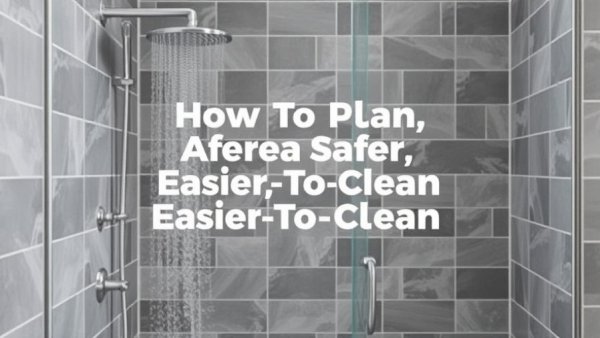
Creating a Comfortable Shower Experience for All
A shower upgrade should not only enhance the aesthetic of your bathroom but also improve daily usability, especially for retirees and digital nomads who value comfort and convenience. Focusing on practical details, such as ease of access and cleanliness, can significantly elevate your shower experience. First, assess who currently uses the shower and anticipate future needs. For example, if young grandchildren visit, a bathtub may be essential. Conversely, a retiree or someone recovering from injury might prefer a low-entry shower. By documenting existing frustrations—be it a high tub wall or outdated fixtures—you can prioritize improvements based on necessity instead of merely aesthetics.
Prioritize Accessibility and Safety
Accessibility is crucial in designing a shower for your specific lifestyle. Whether it’s including grab bars or opting for slip-resistant flooring, these features can drastically decrease the likelihood of accidents. Ensuring that shower controls are easily reachable while not exposed to water can also add a layer of comfort and convenience. Built-in benches or fold-down seats should be considered if standing for long durations is a challenge. Not only are these elements helpful in the present, but they also forward-proof your bathroom against future needs.
Understanding the Space
Before diving into aesthetic choices, understanding your existing bathroom layout is essential. Inspect for issues like cracked tiles or leaky pipes, which can complicate renovations if left unaddressed. Measure carefully to avoid clutter, keeping in mind the doors, shower footprint, and proximity to other fixtures. A cramped layout—not visible on paper—can quickly turn a luxury shower into a point of frustration. Sometimes, a smaller but safer shower option can be more effective than a spacious one.
Choose the Right Shower Design
The shower design should cater to the users. For example, low-threshold showers provide easy access, while curbless showers are aesthetically appealing but require careful planning in terms of slope and drainage. Walk-in showers can be excellent for those who appreciate open spaces, while tub-and-shower combinations continue to be practical in families. Additionally, doorless showers can create an illusion of a larger bathroom but demand sufficient space to minimize water splashes on the floor.
Materials Matter: Focus on Low Maintenance
Selecting easy-to-clean materials can save time and effort. For instance, smooth wall panels and large-format tiles reduce grout lines that often collect dirt and mold. Fixtures designed with simple shapes and minimal seams can also mitigate cleaning woes. Always choose materials designed for wet conditions and follow care guidelines to prolong their lifespan and maintain hygiene. While no surface is maintenance-free, investing in low-maintenance options can significantly ease your cleaning routine.
Practical Tips for Home Improvements
As you plan your bathroom remodel, consider hiring a plumber to inspect existing plumbing systems. Adding safety features can be a game changer; discuss options for grab bar reinforcements before closing the walls. Also, incorporate better ventilation to keep moisture at bay, preventing mildew and respiratory issues. Simple changes, such as strategically placing lighting, can enhance visibility and safety while accentuating the beauty of the new space.
Conclusion: Transform Your Shower into a Sanctuary
By focusing on accessibility, safety, and low-maintenance materials, your shower remodel can transform into a haven of comfort and ease. This attention to detail not only serves your current needs but also anticipates future ones, ensuring your home adapts alongside you. As you evolve in your lifestyle, your home’s functionality should mirror that growth. Upgrading your shower isn’t merely a home improvement; it’s a necessary step towards a safe and enjoyable living environment.




Write A Comment