

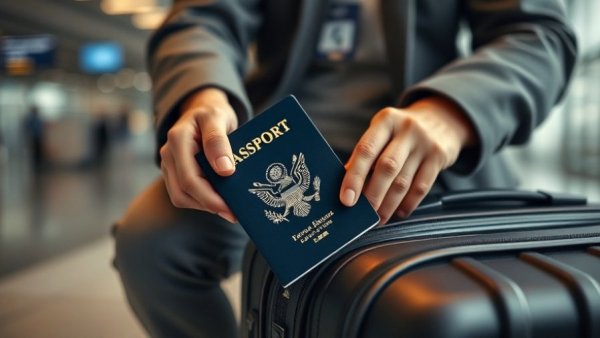
Why a Second Residency Could Be Your Best Plan B
In today’s changing global landscape, the idea of obtaining a second residency is rapidly shifting from a luxury for the wealthy to a necessity for many. Economic fluctuations, political instability, and evolving immigration policies can leave individuals feeling vulnerable, prompting many to seek out alternative options for the future. A second residency not only offers a sense of security but also grants individuals a chance to build independent choices without being tethered to the circumstances of one nation.
The Importance of Diversifying Your Living Options
Financial security often takes center stage in life planning, yet the reality is that many people overlook the equally vital aspect of personal freedom of movement. While you may carefully manage investments and savings, acquiring a second residency diversifies your life in a fundamental way. It allows you to legally live and work in another country, creating new pathways for living, retiring, or even relocating part-time. The proactive approach of obtaining residency while your current circumstances are stable ensures you will have options when situations change.
Choosing the Right Country: Factors to Consider
Finding a suitable country for a second residency goes beyond a simple vacation mindset. Factors like climate, lifestyle, and amenities are essential, but so are the practicalities of living abroad. For instance, locations like Portugal and Spain are highly sought after for their appealing climates and vibrant cultures, each offering distinct residency pathways based on various requirements.
Latin America offers unique alternatives as well. Countries like Panama and Costa Rica boast relaxed lifestyles combined with alluring residency options. Families, retirees, and adventurers need to weigh aspects beyond just financial requirements—such as access to healthcare, schooling, and community support—to ensure that the destination truly aligns with their long-term goals.
Understanding the Fine Print: Residency vs. Citizenship
It’s crucial for prospective applicants to grasp that obtaining a second residency is not equivalent to citizenship. A residency permit typically grants you permission to stay in a country under set stipulations, whereas citizenship conveys broader rights, including access to benefits like social services and the ability to vote. For many, engaging with the nuances of immigration law may feel overwhelming; thus, consulting with an immigration expert can provide clarity on potential routes.
Timing is Everything: The Planning Process
Applying for residency is a process that can take time—sometimes several months or even years—making early planning essential. Requirements may include proof of income, background checks, and detailed documentation. Additionally, immigration regulations are subject to change, which means starting the process sooner rather than later might save you time and potential headaches in the future.
For example, if you envision living part-time in Europe while maintaining your life in the U.S., applying for residency beforehand allows you to explore choices without coming under pressure. By allowing space for careful research, you gain the advantage of making informed decisions that can significantly affect your lifestyle and opportunities.
The Value of Advanced Preparation
As more individuals recognize the importance of securing a Plan B, the awareness of a second residency’s benefits grows. This isn't just about having a backup plan; it's about crafting possibilities for the future. While it doesn’t guarantee a pristine future, a second residency ensures you have options and promotes a sense of freedom rarely afforded by dependency on a single government or system.
Today, constructing your own global safety net can create opportunities that tie into aspirations of education, business, or family life. You might find that establishing a second home abroad could lead to better options for your children’s education or more favorable living conditions later in life. Moreover, the experiences you gain while living abroad can enrich your understanding and appreciation of diverse cultures.
Real Stories: Fellowship Beyond Borders
Lastly, consider the personal narratives that emerge from those who have chosen to slowly navigate through the duality of living. Many professionals today embrace the concept of being digital nomads, often splitting time between their home countries and adopted new locales. This lifestyle not only affirms their commitment to professional endeavors but allows them to explore the richness of living in diverse cultures and environments.
As you compile your own foray into this realm, remember to pinpoint your aspirations: whether it’s to retire comfortably, to educate your children in a multicultural environment, or to simply enjoy a sophisticated lifestyle in a new country. Articulating these goals will guide you toward the residency program best aligning with your vision.
Conclusion: Embrace Your Freedom to Choose
Ultimately, obtaining a second residency can extend your domain beyond your roots. It fosters a space in which you can dream, plan, and create an enriched narrative for your life. With the right knowledge and preparation, you will be able to craft a compelling life strategy, ensuring that your future isn’t confined by your home country’s changing landscape. Act now to look beyond borders; it just might unveil opportunities you hadn't imagined.



Write A Comment