Add Row
Add Element
Add Element
  • Home
  • Categories
    • 50 + & Retiree Travel
    • Travel Resources
    • Retirement Transition & Planning
    • Healthcare & Wellness for Expat Retirees
    • Visa & Legal Requirements for Retirement
    • Cost of Living & Financial Management
    • Hua Hin Living & Community
    • Hua Hin Living & Community
  • All Posts
  • 50 + & Retiree Travel
  • Travel Resources
  • Retirement Transition & Planning
  • Healthcare & Wellness for Expat Retirees
  • Visa & Legal Requirements for Retirement
  • Cost of Living & Financial Management
  • Hua Hin Living & Community
  • Hua Hin Living & Community
January 17.2026
1 Minute Read

Thailand visa application process: Avoid These Common Mistakes

Did you know that more than 30% of Thailand visa rejections are caused by simple, avoidable application mistakes? For travelers and digital nomads eager to explore Thailand’s rich culture and tropical destinations, these errors can derail your journey before it even begins

Surprising Facts About the Thailand Visa Application Process

"Over 30% of visa rejections for Thailand stem from avoidable application errors, often overlooked by travelers."

While Thailand is renowned for its hospitality, the government maintains strict visa requirements to regulate entry. Unintentional oversights—from uploading the wrong passport photo to providing insufficient financial documentation—are among the leading causes of visa denials. Whether you are seeking a Thailand tourist visa or exploring long-term options like the Thailand elite visa, being thorough at every step of your application is critical for success.

Thailand visa application process - A visa consultant reviews Thailand visa application documents with a traveler in a modern office with Thai decor

What You'll Learn About the Thailand Visa Application Process

  • Steps and requirements for the Thailand visa application process
  • Common pitfalls and mistakes in applying for a tourist visa
  • Tips for digital nomads and long-term visitors
  • How to utilize services like Siam Legal and understand visa exemptions
  • Answers to the most frequently asked questions and real applicant experiences

Overview of the Thailand Visa Application Process

The Thailand visa application process is essential knowledge for any foreign national wishing to enter Thailand—from short holidays to long-term stays. Success starts with selecting the right visa type, gathering proper documentation, and meeting the specific eligibility criteria set by the Royal Thai Embassy or consulate. Because requirements vary between tourist, business, and long-stay options such as the Thailand elite visa, understanding these details will boost your chances of swift approval. In this section, we break down the visa classes and clarify the must-have paperwork so you can avoid common delays.

Understanding the Key Types of Thailand Visas

  • Tourist visa requirements: Typically, tourist visas require proof of onward travel, accommodation, and adequate funds. The Thailand tourist visa is distinct from tourist visas for other countries in both its documentation and the possibility of a visa exemption for citizens of certain nations.
  • Thailand tourist visa vs. tourist visas for other countries: Thailand offers both single and multiple-entry tourist visas, with the option to extend your stay in some cases. Elite visas provide long-term privileges not available with standard visas.
  • Thailand elite visa and elite visa privileges: This premium visa is designed for those seeking a term visa allowing extended multiple-year stays, offering exclusive perks such as airport privileges and expedited processing.
  • Digital nomad options: With the rise of remote work, Thailand provides special visas and entry options for digital nomads, though eligibility and compliance requirements are specific and must be met precisely.
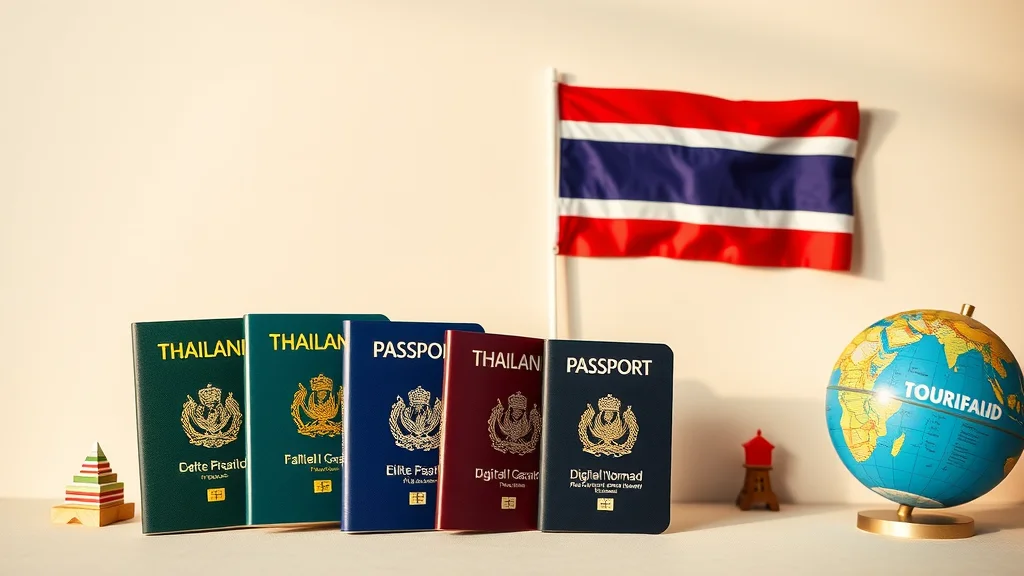
Thailand visa application process - Infographic of Thailand visa types with passports and visa icons

Eligibility Criteria and Required Documentation

Each visa type has distinct eligibility and documentation requirements, enforced by your local Thai embassy or consulate. Passport validity—commonly at least six months beyond your planned date of entry—is non-negotiable. Financial documentation, such as recent bank statements, must demonstrate you can sustain your visit. Photographs must match official size and background specifications, and supporting documents (such as invitation letters for business visas, or travel itineraries for tourists) must be clear and up-to-date. Forgetting or misrepresenting any document can lead to lengthy processing delays or outright visa rejection.

  • Passport with at least six months’ validity from your date of entry
  • Recent color passport photos per Thai requirements
  • Proof of financial stability (bank statements, pay stubs, etc.)
  • Flight reservations, accommodation, and insurance documentation as required

Thailand Tourist Visa: Application Steps and Best Practices

Applying for a Thailand tourist visa? Choosing the right strategy is key to a stress-free application

Step-by-Step Guide to the Thailand Tourist Visa Application Process

  • Choosing the correct type of Thailand tourist visa: Research which visa length and entry frequency match your plans. Single-entry is best for brief holidays; multiple-entry or Thailand elite visa options suit frequent travelers and long-term visitors.
  • Online vs. embassy application: Many applicants can use the online E-Visa system for simpler processing. Some situations still require personal submission at the Thai embassy or consulate in your home country.
  • Working with Thai consulates or Siam Legal: If your case is complex—such as for business, education, or long-term stays—agencies like Siam Legal provide tailored consults, document checks, and representation in dealing with immigration.

Thailand tourist visa application - Traveler filling out visa application form at home

How to Fill Out Your Thailand Visa Application Correctly

Application form mistakes are a top cause of delays and denials. Double-check accuracy in every field: name spelling as per your passport, consistent date of birth, correct address, and contact details. For single-entry vs. multiple-entry tourist visa selections, be precise—entry dates and itinerary should align. Attach documents in the requested order and format per the consulate's checklist. Finally, review for common errors, such as missing digital signatures or mismatched ID numbers, before final submission.

  • Carefully enter your information exactly as shown in your official documents
  • Check whether you need a single or multiple entry visa based on your travel plans
  • Attach all relevant supporting documents (bank statements, photos, itinerary)
  • Use the embassy’s checklist to confirm all items are included

Tourist Visa Fees, Processing Times, and Expected Waits

Fees and processing times vary depending on nationality and consulate workload. Most embassies charge a visa fee between $30–$80 USD, with expedited options sometimes available. Processing averages 5–10 business days for standard tourist visas, while Thailand elite visas are reviewed in a separate track. Always allow for extra time during peak seasons or national holidays.

Comparison of Tourist Visa Processing Times and Fees by Country
Country Visa Fee (USD) Processing Time Expedited Option
USA 40 5–7 business days Available ($80, 2–3 days)
UK 50 7–10 business days Available ($100, 3–5 days)
Australia 45 5–8 business days Case-by-case
India 35 10–12 business days Unavailable

Avoiding Common Pitfalls in the Thailand Visa Application Process

Even minor mistakes can cost you precious time and money in the Thailand visa application process. Inconsistent documentation, misunderstandings about visa exemptions, and lack of clarity when using DIY services versus agencies like Siam Legal frequently lead to setbacks. By learning from these common pitfalls, you can confidently position your application for approval the first time around.

Frequent Mistakes with Financial Proof and Documentation

A major stumbling block for many applicants is failing to provide appropriate proof of funds. Thai embassies typically require a recent bank statement showing a minimum balance (such as 20,000–40,000 THB for individual applicants or more for families). Statements should be current (within the past 30 days), clearly show your name, and be in the required currency. Supplementary documents like pay stubs or sponsorship letters are useful only if specifically requested and should be translated if not in English. Stale or incomplete financial documents are a frequent reason applications are denied or delayed.

  • Always check and meet the minimum bank balance requirement before submission
  • Provide official, stamped statements—not screenshots or casual printouts
  • Be mindful of currency and date—embassy guidelines can be strict about these formats
Thailand visa application process - Reviewing financial proof and passport for Thai visa

Misunderstanding Visa Exemption and Requirements

Thailand maintains a list of countries whose nationals may enter Thailand for short stays without a visa (visa exemption), usually up to 30 days for tourism. However, beyond this period or for other purposes (study, medical treatment, business), a valid visa is mandatory. Visa exemption is not the same as a tourist visa—those who unintentionally overstay or attempt “visa runs” risk heavy penalties, including fines, deportation, or blacklisting by Thai immigration.

  • Check if your country qualifies for a visa exemption—do not assume eligibility
  • Understand the difference between exemption and the Thailand tourist visa to avoid penalties
  • Never attempt multiple consecutive “visa runs”—this can lead to being refused entry by the immigration office

Leveraging Siam Legal and Other Visa Services for a Smoother Process

For applicants with complex histories or unusual travel plans, contact Siam Legal or another reputable visa service for personalized advice and application review. Agencies offer expertise in documentation, embassy liaisons, and addressing specific challenges (such as prior visa denials or changing visa categories after arrival). While DIY applications can save money, errors may go unnoticed, leading to costly rejections—agency support is invaluable for peace of mind and higher approval rates, especially for long-term, elite visa, or digital nomad applicants.

  • Consult with Siam Legal if unsure about eligibility or required documentation
  • Agencies provide pre-submission reviews and embassy communications on your behalf
  • Weigh the costs: DIY might be cheaper, but professional help can prevent expensive errors

Special Considerations for the Thailand Visa Application Process

Certain applicants, such as those seeking long-term residence or arriving for remote work, face unique challenges and opportunities in the Thailand visa application process. Options like the prestigious Thailand elite visa and tailored pathways for digital nomads are designed to make extended stays easier, provided you understand the requirements and application nuances.

Using the Thailand Elite Visa for Long-Term Stays

  • Thailand elite visa vs. standard tourist visa: The elite visa offers a term visa spanning 5, 10, or even 20 years, including privileges like VIP treatment at airports, concierge services, and a greater option to extend your stay in Thailand.
  • Elite visa benefits and application process: The application is handled through exclusive agencies (including Siam Legal), requires a significant fee, and suits business travelers, retirees, and those who frequently enter Thailand.

Thailand elite visa - Traveler holding elite visa in airport lounge for long-term Thailand stay

Digital Nomad and Remote Work Visas in Thailand

Thailand is rapidly evolving to attract global digital nomads. Special “Long-Term Resident” (LTR) digital nomad visas have eligibility requirements such as proof of remote income (often upwards of $80,000/year), strong health insurance, and background checks. Applications are processed through designated online platforms or selected embassies. While these visas offer flexibility and legal remote work status, holders must comply with reporting obligations and tax rules as outlined by Thai law.

  • Eligibility: Must prove self-employment or remote contract work with foreign companies
  • Apply through government-authorized digital nomad visa channels (not regular tourist entry)
  • Respect local laws and comply with the Immigration Bureau’s long-stay requirements

Watch: Step-by-Step Walkthrough of a Successful Thailand Visa Application

This informative video provides a detailed, step-by-step visual guide to the Thailand visa application process, including form filling, document submission, embassy protocols, and testimonials from successful applicants. Trustworthy and modern, it’s a must-see for first-time and returning travelers alike.

Real Experiences: Thailand Visa Application Process Successes and Setbacks

"My Thailand tourist visa was rejected because I submitted the wrong type of bank statement. Verifying specifics before submission is crucial."
  • Applicant 1 (David, USA): “After two denials, I finally secured my Thai visa by switching to an agency, which helped me clarify my travel documents. I wish I’d gone that route earlier.”
  • Applicant 2 (Maria, UK): “I assumed my country was covered by visa exemption, but overstayed by mistake. The fines were steep, but Thai immigration handled it professionally. Now, I always verify dates before entering Thailand.”
  • Applicant 3 (Jin, South Korea): “The Thailand elite visa application was much easier than I expected, but it was costly—worth it for long-term stays and business trips.”

Thailand visa application process - International travelers sharing visa approval and denial stories at a Bangkok café

People Also Ask About the Thailand Visa Application Process

How long does it take to get a Thai visa approved?

  • Standard Thailand tourist visa processing takes 5–10 business days after all documents are accepted. Some embassies offer expedited services, which can halve this time for an additional visa fee. Always account for potential delays during holidays or peak travel months.
  • For elite visa or digital nomad applications, expect several weeks for background checks and document verification.

How to apply for a Thailand visa from the USA?

  • Complete a Thailand visa application form via the Thai E-Visa website or by visiting the Royal Thai Embassy, Washington D.C., or your local consulate.
  • Submit all necessary documents including passport, photo, proof of funds, and travel itinerary. Embassy submission allows for staff review; e-visa is convenient for direct digital upload.

What is the visa process for Thailand?

  • Gather all documents (passport, photos, bank statements, itinerary), determine your visa type (tourist, business, elite, digital nomad), choose your application channel (online, embassy, or agency), and submit your application. Wait for approval, pay fees, and track your status online or through your embassy contact.

Do US permanent residents need a visa for Thailand?

  • Yes—unless they hold a valid passport from a visa exemption country. Green card holders should check both their country of citizenship and U.S. residency documentation before applying. Additional exceptions for medical treatment or business travel may apply but require pre-clearance.

FAQs: Thailand Visa Application Process

  • What documents are most commonly overlooked? Applicants often forget recent bank statements, correct-sized photos, or up-to-date accommodation bookings. Double-check the Thai embassy’s checklist and confirm all uploads are in the right format and date window.
  • How do I appeal a rejected tourist visa? If your application is denied, review the explanation letter for details (often financial proof or photo errors). You may reapply, correcting the errors, and consider enlisting an agency like Siam Legal for document review and appeal support.
  • Can I switch visa categories after arrival? In most cases, no; you cannot convert a tourist visa into a business or student visa within Thailand. Most changes require you to apply from outside the country at a Thai embassy or consulate.

Expert Tips and Key Takeaways for a Successful Thailand Visa Application Process

  • Double-check every document before submission
  • Consult with Siam Legal for complex or long-term visa cases
  • Monitor updates to Thailand tourist visa policies, especially digital nomad and elite visa programs
  • Ensure your passport meets validity and blank page requirements as per royal thai embassy guidelines
  • Be precise with dates and details; errors on forms are the number one cause of processing delays

Conclusion: Mastering the Thailand Visa Application Process

Ensure Your Thailand Tourist Visa Journey is Smooth and Mistake-Free

Attention to detail and staying informed are the keys to success in the Thailand visa application process. Take your time, consult experts when needed, and you’ll be well on your way to enjoying all that Thailand has to offer—without the visa headaches.


Please like, share and comment on this article

Visa & Legal Requirements for Retirement

0 Views

0 Comments

Write A Comment

*
*
Related Posts All Posts
01.17.2026

Thailand retirement visa requirements: Are You Ready to Retire?

Did you know that over 75,000 expatriates currently enjoy their retirement in Thailand, citing ease of visa options and high quality of life as top reasons for staying? Thailand’s warmth, modern comforts, and affordable living make it a top destination for retirees worldwide—yet, understanding the thailand retirement visa requirements is essential before you embark on your golden years abroad Unlocking Your Golden Years: A Surprising Look at Thailand Retirement Visa Requirements The complete list of Thailand retirement visa requirements Step-by-step overview of the Thailand retirement visa application process Essential financial, health, and legal prerequisites for a visa in Thailand Key considerations about living and retiring in Thailand "Did you know that over 75,000 expatriates currently enjoy their retirement in Thailand, citing ease of visa options and high quality of life as top reasons for staying?" – International Living Magazine Thailand has become an international hot spot for retirees, thanks to attractive visa options, low cost of living, and a vibrant social scene. To help you navigate the path, this article demystifies the thailand retirement visa requirements, ensuring you’re ready to take the leap. Whether you’re eyeing a beachside condo in Hua Hin, a city apartment in bustling Bangkok, or a quiet Northern escape, knowing what to expect means fewer surprises along the way. Let’s break down all you need to enter this next chapter with confidence. Understanding the Thailand Retirement Visa: An Introduction What is a Thailand Retirement Visa? A Thailand retirement visa—commonly known as the “Non-Immigrant O-A” or “O-X” visa—allows foreigners over a certain age to reside in Thailand on a long-term basis. This special visa in Thailand is designed for retirees, granting them legal residency and multiple re-entries without needing to leave the country frequently. Options such as the LTR visa (Long-Term Resident) and the private-sector “Elite Visa” further expand the menu of visa options suited for retirees chasing comfort, security, and adventure during their golden years. Ultimately, this visa provides the freedom to enjoy the best of living in Thailand while ensuring compliance with Thai laws and residency requirements. Why Retire in Thailand? Benefits & Lifestyle Considerations Retiring in Thailand is about more than warm weather—it’s about maximizing your quality of life and making the most of your money. Thailand’s affordable healthcare, modern infrastructure, and thriving expat communities create a welcoming environment for retirees. International standard hospitals and a large selection of real estate options further add to the country’s attractiveness. Whether you’re dreaming of daily markets, untouched beaches, or scenic mountain towns, Thailand retirement offers something for every lifestyle. It’s no wonder retirees describe Thailand as a top choice for retirees—local cuisine, friendly locals, and an international social scene all help create an active, rewarding retirement. However, enjoying these comforts starts with understanding the essential visa requirements and keeping up-to-date with legal changes for long-term residency in Thailand. Types of Retirement Visas in Thailand: LTR Visa, Elite Visa, and More Thailand offers several visa options for retirees: O-A Retirement Visa: For foreigners aged 50 or older, valid for one year and renewable annually; issued in your home country. O-X Retirement Visa: A ten-year, multi-entry visa (with renewal every 5 years), available for select nationalities. LTR Visa: The Long-Term Resident visa provides a 10-year residency path for financially qualified foreigners, with easier requirements for high-net-worth individuals and retirees. Thailand Elite Visa: A membership-based VIP visa with options ranging from 5 to 20 years, offering expedited immigration, airport services, and other premium privileges. Key Thailand Retirement Visa Requirements: The Core Criteria Age and Eligibility for Retirement Visa in Thailand The basic thailand retirement visa requirements stipulate that applicants must be at least 50 years old at the time of application—this applies to the Non-Immigrant O-A, O-X, and the new LTR retirement visa options. Age is non-negotiable, and your passport must be valid for at least 18 months. Applicants must also demonstrate good health and possess a clean criminal record in both their home country and Thailand. Minimum age requirements Health requirements Clean criminal record Valid passport Most retirement visas in Thailand are single-entry on approval but allow for re-entry permits if you plan to travel. If you’re bringing loved ones, additional criteria and documentation will apply. Financial Requirement for Thailand Retirement Visa The financial requirement is the cornerstone of the thailand retirement visa requirements. You must prove your ability to support yourself without working: Maintain a Thai bank account with a minimum of 800,000 THB (about $24,000 USD) at least two months before your application and three months after approval. Alternatively, show a monthly income or pension of at least 65,000 THB (around $2,000 USD), verified by official statements and an embassy letter. Combination: In some cases, a mix of savings and consistent income is accepted for your thai retirement visa. Minimum Financial Requirements for Thailand Retirement Visa (by nationality & visa type) Visa Type Required Savings Required Monthly Income Applicable Nationalities O-A Retirement Visa 800,000 THB in Thai bank 65,000 THB from pension All nationalities O-X Retirement Visa 3,000,000 THB in Thai bank No monthly requirement 14 eligible countries LTR Retirement Visa Varies (often similar or lower, with specific investment/insurance requirements) Varied (often around 80,000 THB) Most nationalities Elite Visa Membership fee only (starts at 600,000 THB) No proof required All nationalities Health Insurance Obligations for Thailand Retirement Visa Holders Health insurance is mandatory for nearly all retirement visa holders. The Thai government requires each applicant to demonstrate insurance cover of at least 40,000 THB (outpatient) and 400,000 THB (inpatient) annually. Insurance must be from a provider recognized by the Thai Ministry of Public Health or international equivalent, and a valid policy is necessary not just to obtain but also to renew your visa. Lack of adequate health insurance can result in a denied application or non-renewal of your visa in Thailand. Keep your insurance documents, payment receipts, and coverage proof updated and ready for each renewal. For O-X visa holders, higher health and financial requirements may apply. Healthcare standards in Thailand are high, and the requirement is intended to protect both retirees and the country’s medical system from unforeseen costs. Required Documentation for Your Thailand Retirement Visa Application Presenting complete, accurate paperwork is critical. You’ll need to assemble the following required documents: Passport & passport photos: Valid for 18 months (O-X visa) or 6 months (O-A visa) plus recent color photographs. Proof of funds: Thai bank account statements, pension slips, and supporting embassy letters. Proof of health insurance (Thai or approved international policy). Police clearance certificate showing good conduct, obtained from your home country and sometimes from Thai authorities. Medical certificate issued within 3 months before application, stating you are free from contagious diseases. Step-by-Step Thailand Retirement Visa Application Process Gather required documentation Submit application at a Thai embassy/consulate or immigration office Open a Thai bank account Meet Thai health insurance requirements Attend interview (if required) Receive and validate your retirement visa Successfully navigating the Thailand retirement visa application process requires careful attention to detail. Begin by assembling all required documents as outlined above. Submit them to your local Thai embassy, consulate, or directly at the immigration office in Thailand. If you’re starting your journey from abroad, the application must be complete before traveling. A critical early step involves opening a thai bank account to deposit the required funds, as this will be closely scrutinized during both your initial application and subsequent renewals. After submitting your paperwork, you may be called for an interview, either at an embassy or at a Thai immigration office. Consular staff will review your documentation for accuracy and completeness, focusing on the financial requirement and health insurance validity. Following approval, your retirement visa is affixed to your passport, and you’re free to officially retire in Thailand. Where and How to Apply for a Thailand Retirement Visa The location and method of your application depend on the visa type and your current residency status. Most retirees initiate the process at a Thai embassy or consulate in their home country. However, some nationalities and visa classes (such as the O-A and O-X visas) permit conversion from a tourist visa within Thailand via the immigration office. It is strongly recommended to start abroad, as immigration policies and supporting document requirements are stricter once you’re already in the country. If necessary, agencies and authorized representatives (with power of attorney) can offer tailored assistance, for an additional fee. Ultimately, early consultation with a Thai immigration expert or reputable visa agent can help clarify the best submission route for your unique situation, significantly reducing delays and stress. Processing Time and Fees for the Thailand Visa Application The time required to process a Thailand retirement visa varies between 1 and 4 weeks, depending on the applicant’s nationality, type of visa, and where the application is lodged. Visa fees also differ but are typically between 2,000 and 10,000 THB for government charges. Agency assistance and professional translation may add 15,000–40,000 THB. Make sure to account for medical, police, and translation fees in your overall budget. Thailand Retirement Visa Application Fees, Processing Times, Validity Visa Type Application Fee Average Processing Time Initial Validity Renewal Frequency Non-Immigrant O-A 2,000 THB 2–4 weeks 1 year Annual Non-Immigrant O-X 10,000 THB 3–4 weeks 5 years Every 5 years LTR Retirement Visa 50,000 THB 1–2 months 10 years None within validity Elite Visa 600,000+ THB (membership) 2–8 weeks 5–20 years None within validity Financial Management: Proving Income and Opening a Thai Bank Account Meeting the Financial Requirement: Pension vs Savings for Retirement Visa Proving you meet the financial requirement of your chosen retirement visa hinges on two main strategies: demonstrating a substantial pension or showing sufficient savings. Applicants most commonly choose to: Provide consistent evidence of a qualifying monthly income (from pension, Social Security, or recognized investment returns), documented with embassy-certified bank or pension statements. Show the required lump sum in a Thai bank account, well in advance of the application. Note that pension documentation must be in English or Thai and clearly state payment and frequency. Combining income and savings is allowed if you don’t meet either threshold independently, which adds flexibility for retirees managing multiple sources. Coordination with your home country’s embassy is recommended to verify documents for your thai retirement visa. How to Set Up a Thai Bank Account for Your Visa in Thailand Setting up a Thai bank account is a crucial prerequisite. Most major Thai banks have branches in all cities and resort destinations. Requirements include presenting your valid passport, proof of a long-stay visa or visa application (sometimes a letter from immigration or your embassy), and an initial deposit. Some banks may request a local address, so securing temporary accommodation beforehand is wise. Once open, ensure funds for your retirement visa are transferred well before applying, as consular authorities check the account’s transaction history. For added security and smooth renewals, consider establishing online banking and direct deposit for pensions. Timely preparation prevents delays and increases your credibility as a compliant visa holder. Maintaining the Required Minimum Balance for Thailand Retirement Visa Renewal Bank account balances for retirement visa must consistently meet minimum requirements—not just at application but through renewal. Thai immigration typically checks that the 800,000 THB remains untouched for 2 months before and 3 months after the visa is issued. After this period, the balance may be reduced for daily living, but should not fall below 400,000 THB until the next renewal. Non-compliance can result in visa cancellation and possible blacklisting. Keep meticulous records, bank statements, and consult with your bank advisor to avoid accidental dips below the threshold. Setting alerts or automatic deposits reduces the risk of oversight, allowing you to settle into your retirement in Thailand with peace of mind. Living in Thailand on a Retirement Visa: What to Expect Accommodation and Real Estate Options for Retiring in Thailand Thailand offers a diverse array of real estate options for retirees, from seafront condos on Phuket’s idyllic beaches to modern serviced apartments in Bangkok’s city center, or tranquil villas in Chiang Mai. Foreigners can own condominiums outright (subject to foreign quota) or lease land and houses on long-term contracts. Renting offers flexibility, while buying a condo provides lasting stability for those planning to stay in Thailand for several years. Most international retirees praise the high quality and affordability of housing compared to Western countries. Doing due diligence and working with registered agents ensures a smooth transaction and protects your investment. Remember, local property laws are complex, so seek advice before placing a deposit. For newcomers, short-term rentals are recommended during your first months after landing on your thailand retirement visa. Healthcare in Thailand: What Retirement Visa Holders Need to Know Thailand boasts a world-class healthcare system, with JCI-accredited hospitals in all major cities and resort areas. Holders of a retirement visa must secure private health insurance with sufficient coverage. While the public system offers affordable treatment, it is generally limited to Thai citizens—expats rely on private hospitals and clinics for fast and English-speaking service. Medical costs, even for private care, are significantly lower than in many Western countries, meaning you can afford quality while budgeting for routine care and emergencies. Carrying a copy of your insurance card and knowing your nearest hospitals ensures responsive care in the unlikely event of illness, adding peace of mind to your retirement in Thailand. Cost of Living: Managing Your Finances While Retiring in Thailand Cost of living in Thailand varies by region and lifestyle—Bangkok and island resorts trend higher, while Chiang Mai and smaller towns offer significant savings. Even in major cities, it’s possible to live comfortably on a modest budget. Considerations include rent, utilities, food, transport, healthcare, and leisure. Tracking spending helps ensure your finances remain above the financial requirement for annual visa renewals. Estimated Monthly Expenses for Retirement in Thailand Expense Category Bangkok (USD) Chiang Mai (USD) Coastal Cities (USD) Rent (1-bed apartment) $400–800 $250–550 $350–700 Utilities & Internet $60–100 $50–85 $60–100 Food & Groceries $200–400 $180–350 $220–400 Healthcare/Insurance $75–200 $75–180 $75–200 Leisure/Transport $60–150 $40–120 $50–130 Total $795–1,650 $595–1,285 $755–1,530 Community and Support: Expat Life in Thailand Thailand is famed for its thriving expat communities, particularly in Chiang Mai, Hua Hin, Pattaya, and Phuket. These hubs host regular social gatherings, language courses, and support networks that help new arrivals adjust to living in Thailand. Many retirees join clubs, volunteer groups, and fitness classes, making it easy to form lasting friendships and integrate with locals. English-speaking legal, financial, and medical professionals are readily available—especially in expat-heavy neighborhoods. Being proactive and joining forums or Facebook groups before moving smooths your arrival, ensures you’re quickly informed about changes to visa requirements, and makes daily life more enjoyable. Thailand Retirement Visa Renewals & Long-term Residency Options Renewing Your Thailand Retirement Visa: Process & Requirements The retirement visa is usually valid for one year (O-A) or five years (O-X), renewable as long as you continuously meet the thailand retirement visa requirements. To renew, provide updated proof of funds, valid health insurance, current address, and a clean police record. Most renewals are processed at a local Thai immigration office. Regular consultation with a visa agent or lawyer reduces errors and ensures timely renewal. Missing the renewal deadline can jeopardize your stay and future eligibility for residency in Thailand. From Retirement Visa to Permanent Residency in Thailand: Is It Possible? Securing a retirement visa is a popular first step toward long-term residency in Thailand, but not a guarantee of permanence. After three to five years of uninterrupted stays, some foreigners become eligible for a Permanent Residency Permit, which is subject to stringent quotas, interviews, and additional requirements. An alternative path is the 10-year LTR visa or the Elite Visa program, both designed to streamline long-term options for committed retirees. Long-Term Resident Visa (LTR Visa): Up to 10 years, easier for high-income retirees. Thailand Elite Visa: 5–20 years, access through paid membership. Consequences of Non-Compliance with Thailand Retirement Visa Requirements Failing to comply with the strict visa requirements—such as dropping below the financial threshold, missing health insurance renewals, or late 90-day reporting—may result in visa revocation, fines, or blacklisting. Ensure continuous monitoring and document organization throughout your stay. Professional help can catch potential issues before they threaten your retirement security. Special Considerations: Frequently Overlooked Retirement Visa Requirements Reporting Requirements: 90-Day Reporting for Visa Holders Every visa holder must report their address to immigration every 90 days, either in person, by mail, or online. Missing this step may incur fines or affect visa status. Most expats set reminders or use local agents to assist with reporting, ensuring ongoing compliance. Family Members and Dependents: Bringing Loved Ones on a Thailand Visa Many retirees wish to have spouses or dependents join them. For this, your family members can apply for Non-Immigrant O visas as dependents, presenting marriage or birth certificates and meeting basic health and background checks. Spouses and children under 20 often qualify for dependent status, though they cannot work unless they secure a separate work permit. Advance planning, with translated documents and apostille certifications ready, speeds up the family visa application process and helps relatives settle in smoothly. Tips for Smooth Thailand Retirement Visa Approval Start preparing all documentation—especially financial proof—well in advance. Consult official Thai consulate websites and recent government notices. Keep health insurance active and updated with each renewal. Maintain a Thai bank account with regular, visible transactions to avoid red flags. If possible, use the services of a reputable visa agent or immigration lawyer. Be honest and transparent during all application interviews. "A well-prepared application is the key to a stress-free transition into your golden years in Thailand." – Bangkok Visa Consultant People Also Ask: Thailand Retirement Visa Requirements What are the requirements for a US citizen to retire in Thailand? Answer: US citizens need to meet all standard Thailand retirement visa requirements, including minimum age, financial thresholds (800,000 THB in a Thai bank or proof of monthly income), health insurance, and clean criminal record. They must apply at a Thai consulate or through an agent and demonstrate the intent to stay long-term. How much money do you need in the bank for a retirement visa in Thailand? Answer: The current Thailand retirement visa requirement is a minimum of 800,000 THB (about $24,000 USD) in a Thai bank account for at least 2 months prior to the application or a monthly income of at least 65,000 THB. Some combinations of savings and recurring income are also accepted. Can a US citizen live permanently in Thailand? Answer: While the Thailand retirement visa can be renewed annually, it does not automatically lead to permanent residency. US citizens can apply for permanent residency after meeting certain criteria, but it is a separate and more rigorous process. How much does a retirement visa agent charge in Thailand? Answer: Fees for a retirement visa agent in Thailand typically range from 15,000 to 40,000 THB, depending on the level of service, complexity of the case, and whether translations, notary, and consular services are necessary. Common FAQs: Thailand Retirement Visa Requirements and Beyond What is the difference between the LTR Visa and the standard Thailand retirement visa? The LTR Visa targets long-term residents with higher financial means and offers a 10-year validity period, allowing more streamlined renewals and family inclusion. Standard retirement visas (O-A, O-X) are for typical retirees, requiring annual or 5-year renewal, and stricter financial prerequisites. Can you work while holding a Thailand retirement visa? No, retirement visa holders are not permitted to work or volunteer in Thailand without a work permit. If you wish to work, you must apply for a separate visa category and obtain the required permit. How often do you need to renew a Thailand retirement visa? Most retirement visas require annual renewal, except for the O-X five-year visa and the LTR or Elite Visa, which extend validity to 10–20 years. Do retirement visa holders have access to public healthcare in Thailand? No, public healthcare in Thailand is mainly limited to citizens. Retirement visa holders must have private health insurance for their stay, but can access world-class private medical care in English at reasonable rates. What happens if I fail to meet the financial requirements during renewal? Failure to maintain the required financial balance or monthly income can result in visa denial, cancellation, or even deportation. Plan your finances carefully and check requirements every year prior to renewal. A concise explainer featuring a seasoned Thai immigration consultant offering tips for a successful retirement visa application, set in a professional office with Thai decor and visual cutaways to real forms and steps. Friendly and trustworthy advice is shared for retirees looking to start their new life in Thailand. Key Takeaways on Thailand Retirement Visa Requirements The importance of understanding all Thailand retirement visa requirements before applying Financial and health insurance requirements are crucial for approval and renewal Thailand offers a rewarding lifestyle for retirees, but careful preparation is essential Professional help can ease the process but comes with additional costs Ready to Start Your Retirement Journey? Please like, share and comment on this article Thorough preparation and understanding of Thailand retirement visa requirements will pave the way for a seamless and rewarding retirement in Thailand. Your golden years await—plan smart and enjoy every moment!

01.16.2026

Thailand retirement visa 2026: Your Ultimate Guide to Apply

Ready to join the ranks of happy retirees calling Thailand home? Start here A Stunning Shift: Why Over 75,000 Expatriates Choose the Thailand Retirement Visa 2026 Thailand’s enchanting blend of tropical beauty, respected healthcare, and affordable living has made it a magnet for retirees globally. The latest data shows over 75,000 expatriates have actively secured the Thailand retirement visa 2026, a sharp increase that underscores the country’s enduring reputation as a retiree haven. This shift reflects not only the ease of the visa process but also enhancements in services, health insurance coverage, and expat communities in top cities like Chiang Mai, Phuket, and Bangkok. What’s driving this shift? For many, it’s Thailand’s updated retirement and LTR (Long-Term Resident) visa offerings—providing greater flexibility, streamlined renewals, and attractive investment options What You’ll Learn: Navigating the Thailand Retirement Visa 2026 Application Key eligibility criteria for the thailand retirement visa 2026 Step-by-step instructions on the visa application process Financial requirements, health insurance, and documentary proof Differences between regular retirement visa and LTR visa (Long-Term Resident Visa) Updates for 2026 influenced by Thai government policies Understanding the Thailand Retirement Visa 2026: Types and Benefits Before you start your visa application, it’s crucial to distinguish between the main options open to retirees: the classic Thailand retirement visa, the LTR visa, and other alternatives like the Elite visa. Each offers unique benefits, timeframes, and requirements, all under the current purview of the Thai government. The standard retirement visa—often known as the "O-A" or "O-X" visa—remains the popular route for most retirees over 50. However, with the introduction of the LTR visa in 2026, retirees now enjoy longer stays and fewer routine reports to the immigration office. There’s also the Elite visa, which targets high-net-worth individuals pursuing a hassle-free, extended Thai stay. Understanding these differences is essential for choosing the path that best matches your retirement dreams. Retirement Visa vs. LTR Visa: An In-depth Comparison Definition and main features of the thailand retirement visa 2026 LTR Visa — new pathways for retirees in 2026 Key differences, pros and cons for each thailand retirement option "The demand for the thailand retirement visa 2026 highlights Thailand’s enduring appeal as a retiree haven." Am I Eligible? Requirements for the Thailand Retirement Visa 2026 Eligibility for the thailand retirement visa 2026 rests on several important pillars—including age, documentation, financial health, and your criminal record. These requirements are overseen by the Thai government, and are periodically updated to secure the interests of both visa holders and the broader community. The addition of the LTR visa in recent years has brought new, competitive criteria especially impactful for investors and high-net-worth retirees. The Thai immigration office and Thai consulate in your home country endeavor to make the process transparent, but strict proof and timely paperwork are non-negotiable. Ensuring you meet all eligibility standards—especially around income, savings in a Thai bank account, and health insurance—remains the most reliable foundation for a successful retirement visa application. Age, Passport, and Status: Core Eligibility To apply for the thailand retirement visa 2026, you must be at least 50 years of age on the day you submit your application. A valid passport from your home country with at least 12 months of remaining validity is also required. In most cases, this visa category is open only to those who can show they have no intention or requirement to seek a work permit in Thailand. Additionally, the current rules state that visa holders must provide recent photos, proof of address in Thailand or anticipated residency, and maintain ongoing compliance with immigration office check-ins. Those seeking the LTR visa must fulfill additional conditions, such as clean international travel histories and evidence of substantial net worth or high annual income. Ensuring your documents are in order before starting the application process is key. Financial Requirement for the Thailand Retirement Visa 2026 One of the pillars of eligibility for the thai retirement visa is demonstrating sufficient finances. The financial requirement includes having a minimum deposit in a Thai bank—typically 800,000 baht—or a monthly income of at least 65,000 baht (or equivalent annual income of 800,000 baht). You can also combine a Thai bank deposit with monthly income to meet the threshold. New in 2026, applicants for the LTR visa must show a higher annual income or significant investments in the country—sometimes requiring documentation of over 1.2 million baht in combined assets or proof of specific property or government bond investments. The thai bank account used for this purpose must be kept clear of large withdrawals for a set period after visa issuance. Health Insurance and Medical Screening in 2026 Thailand maintains its high standards for expat healthcare, making health insurance mandatory for retirement visa holders. For the 2026 cycle, minimum insurance coverage includes outpatient and inpatient care, with limits raised to reflect changes in medical costs. Insurance plans must be valid for the entire visa period and sourced from reputable providers, either international policies or products from Thai insurers. A basic medical check (screening for communicable diseases and overall health) is now required by the Thai immigration office. This step underscores Thailand’s commitment to the health of visa holders and the safety of the broader community. Applicants unable to produce verifiable insurance coverage or pass the medical screening will have their visa applications rejected. Background Checks and Clean Records A clean criminal record—verified through police checks in your home country and sometimes for previous stay in Thailand—is vital. Thailand immigration and consular offices regularly review security databases to ensure retirement visa and LTR visa holders do not pose a risk to public safety. Minor infractions may be reviewed on a case-by-case basis, but major offenses are likely disqualifying. Supporting documents for your background check must be up-to-date and certified. If you hold a work permit elsewhere, or dual citizenship, you may need to provide additional documents for review. Stay honest, and provide more information than required to avoid hiccups at the final stages. Retirement visa holders' check-list for eligibility Special criteria for LTR visa applicants Thailand Retirement Visa 2026 Financial Requirements and Investment Options Financial requirements for the thailand retirement visa 2026 have seen several changes in recent years. The goal: ensure visa holders are self-sufficient and do not burden public systems. Depending on the visa type—standard retirement, LTR visa, or Elite visa—the minimum thresholds and investment options can vary significantly, and updates may occur per Thai government policy. Besides direct income or deposit requirements, applicants may choose to meet criteria through strategic investments, such as property ownership, government bonds, or sustained deposits in a Thai bank account. 2026 updates have clarified these options, making it easier for long-term investors or retirees seeking a blend of residency and investment to qualify. Visa Type Minimum Financial Threshold Renewal Period Investment/Perks Standard Retirement Visa 800,000 THB deposit OR 65,000 THB monthly income Annual (1 year) Simple, straightforward; no investment perks LTR Visa (Long-Term Resident) Minimum 1.2M THB in assets OR higher income criteria Renew every 5-10 years Allows investments in property, bonds; streamlined renewals, family inclusion Thai Elite Visa 600,000 THB upfront + annual fees 5-20 years (varies) Concierge airport, immigration fast-track, and premium services Income and deposit requirements for thailand retirement visa 2026 Investment options (property, deposits, government bonds) Updates in 2026 as directed by the Thai government Step-by-Step Visa Application Process for Thailand Retirement Visa 2026 Securing your thailand retirement visa 2026 hinges on providing the right paperwork, following submission protocols, and avoiding common pitfalls that can delay approval. Here is your comprehensive, up-to-date guide through the entire visa application process, from document compilation to submission at the local immigration office—backed by 2026’s latest regulations. Most applicants start in their home country at a Thai consulate, but many renewals or additional applications transpire inside Thailand itself. The process has become more digital, but some steps (such as in-person biometrics or Board of Investment endorsements, where needed) remain essential. Care, accuracy, and pre-emptive checklists can save you weeks—or even months—of unnecessary wait. Documents Needed for the Retirement Visa Application Gather the following essential documents for your visa in Thailand process: Completed visa application forms (from the local Thai consulate or immigration office) Valid passport (at least 12 months validity, multiple blank pages) Proof of income or evidence of qualifying deposit in Thai bank account Medical certificate (current, stating absence of disqualifying conditions) Health insurance policy meeting the 2026 minimum coverage Police background check from home country (translated/certified if required) Recent passport-size photographs Proof of address in Thailand (utility bill, lease agreement) Copies of your bank book and bank letter for deposit verification Any additional documents as required for LTR visa or Elite visa applicants Navigating the Immigration Office and Submission Protocols Once your documents are prepared, submission can occur at either a Thai consulate (if applying from your home country) or designated immigration office inside Thailand. Arrive early; busy days can mean long queues, especially in popular cities like Bangkok and Chiang Mai. Present your complete file to the immigration officer, and expect some original documents to be checked against copies. Digital submissions or online appointments are increasingly available in major hubs. Ensure every signature matches your passport and names are identical across all forms. Immediately clarify any confusion, as errors can result in application rejection or requests for additional documents—costing you valuable working days. Detailed checklist for visa in Thailand requirements Common Application Mistakes to Avoid Frequent errors among new applicants include incomplete documentation, outdated financial statements, mismatched signatures, and submitting health insurance policies that fall below the minimum required thresholds. Many are tripped up by failing to maintain the Thai bank deposit for the required duration post-approval, triggering cancellation of the visa. To avoid these pitfalls, always double-check your application against the official checklist provided by the immigration office and keep certified translations for all foreign documents. Enlist the help of a local expert or visa agency if you’re uncertain; the cost is often far less than the lost time (and potential overstay fines) that correcting missteps can bring. Board of Investment Endorsements (If Applicable) Applicants targeting the LTR visa or utilizing special programs through the Board of Investment (BOI) must secure an official endorsement or invitation. These are typically needed for investors, high-net-worth individuals, or those planning significant investments in Thailand under BOI schemes. Be aware that BOI endorsements add complexity—requiring both investment paperwork and confirmations of business or personal net worth. The process is guided by clear instructions from the BOI and the local immigration office, but may take several working days longer than the standard retirement visa application. Secure your endorsements early in the process to prevent last-minute issues. Thai Retirement Visa Renewal and Extension Policies in 2026 Visa holders can enjoy their new lifestyle with confidence, knowing that visa renewal and extension rules for 2026 are more structured and transparent than ever. Renewal remains an annual process for the standard retirement visa, but LTR visa holders may now benefit from multi-year cycles. Understanding when and how to renew, as well as your responsibilities as a visa holder, is crucial for uninterrupted stay in Thailand. Staying compliant isn’t just about renewing on time. The Thai government requires ongoing reporting and transparent compliance with visa rules, including routine check-ins at the immigration office and strict avoidance of overstay. Early planning makes the entire journey more relaxed—and protects your retirement dream. How Far in Advance Can I Renew My Thailand Retirement Visa? Visa holders can initiate the renewal process up to 45 days before the visa expiration date. This head start allows ample time to gather fresh documents—such as new bank statements or insurance renewals—and address any new requirements rolled out by the thai government for 2026. For LTR visa holders, renewals occur every 5-10 years depending on the initial visa grant. The benefit here is not just longer security, but a less frequent rush to comply with paperwork. Regardless of visa type, be prepared to provide updated health insurance, bank account verification, and a fresh background check if requested. Staying Compliant: Reporting and Visa Holder Duties One of the major duties of a visa holder is the 90-day reporting requirement. Every 90 days, regardless of your location in Thailand, you must check in with the nearest immigration office, either in person or online. This confirms your address and legal presence and avoids penalties. Other key responsibilities: ensure re-entry permits if traveling internationally, avoid overstaying—even by a single day—and maintain all eligibility standards throughout your stay. Failing to meet these duties can result in fines, loss of visa, or even blacklisting from future entry. The thai retirement visa process is highly structured, but plays to your advantage if you place compliance front and center. Rules for visa holders: 90-day reporting, re-entry Consequences of Overstays or Violations Comparing Thai Retirement Visa, LTR Visa, and Elite Visa in 2026: Which Should You Choose? Choosing the right visa category is a crucial decision for your Thailand retirement journey in 2026. Each option—the standard retirement visa, LTR visa, and Elite visa—caters to a certain retiree profile, whether you’re a solo adventurer, an expat couple, or a high-net-worth investor seeking maximum convenience and perks. The main differences rest in cost, reporting frequency, flexibility, and access to special privileges. With the continued expansion of the LTR visa and adjustments to the Elite visa, retirees in 2026 have more choice—and more targeted benefits—than ever before. Use the comparison below to help you match your preferred visa type to your financial and lifestyle priorities. Feature Retirement Visa 2026 LTR Visa Thai Elite Visa Minimum Financial Requirement 800,000 THB (bank) or 65,000 THB/month income 1.2M THB in assets or high annual income 600,000 THB upfront fee + annual fee Renewal Period Yearly 5-10 years 5-20 years (varies) Reporting Frequency Every 90 days Annual/less frequent Minimal, often handled by concierge Family/Dependents Spouse/dependents limited to some visa types Spouse/dependents included Spouse/dependents included (fee based) Perks - Investment, streamlined immigration Airport fast-track, concierge, exclusive events Best visa choice by retiree profile (solo, couple, investor, high-net-worth) Living in Thailand on a Retirement Visa: Lifestyle, Costs, and Recommendations Securing your thailand retirement visa 2026 is just the beginning. Living in Thailand as a retiree is about balancing cost, comfort, access to healthcare, and daily fulfillment. Whether your ideal setting is a peaceful condo overlooking Chiang Mai’s mountains, a vibrant street in Bangkok, or Phuket’s endless beaches, you’ll find communities and amenities that match every lifestyle and budget. The cost of living stays well below major Western cities, with affordable utilities, regular access to modern healthcare (for visa holders meeting health insurance standards), fresh cuisine, and endless opportunities to connect with other expatriates. That’s why so many visa holders call Thailand the best place to retire in Southeast Asia. Monthly Cost of Living for Visa Holders Most retirees report monthly living costs of 35,000–70,000 THB depending on city, housing preference, and lifestyle choices. Rent in Chiang Mai is especially affordable (15,000–25,000 THB/month for a one-bedroom condo), while Bangkok and Phuket skew slightly higher. Everyday costs—food, utilities, transport—are low, helping your retirement savings stretch further. Healthcare is a key consideration for retirement visa holders; insurance plans for those over 50 can start as low as 25,000 THB per year but must match the visa’s minimum insurance requirements. Additionally, retirees often budget for trips home, immigration office visits, and leisure activities, making Thailand a flexible yet affordable retirement base. Top Cities for Retirement in Thailand: Chiang Mai, Phuket, Bangkok Chiang Mai shines for retirees seeking community, culture, and mountain air. Phuket attracts those drawn by beaches and island life, while Bangkok appeals to those who crave urban buzz and cosmopolitan comforts. Each city offers robust visa in Thailand services and expat networks, along with quality healthcare and diverse dining. No matter where you settle, reliable transport, modern infrastructure, and local hospitality remain the norm. Many visa holders join clubs, volunteer, or enroll in courses, deepening integration and quality of life during retirement. Health Insurance Considerations for Retirement Visa Holders Uninterrupted access to quality healthcare is critical for retirees. In 2026, having up-to-date health insurance is a non-negotiable for all retirement visa holders. Cover must meet the Thai government’s minimum standards for both inpatient and outpatient care. Plans can be purchased from both Thai and international insurers but must have clear documentation in English or Thai. Remember, insurance renewal synchronizes with visa renewal—lapses can jeopardize your stay. Seek tailored policies for retirees and get advice through the immigration office or established expat agencies. Visa Holders’ Common Experiences and Challenges While most visa holders report positive experiences—citing safety, community, and low costs—some common challenges persist. Currency fluctuations can impact financial requirements; periodic regulatory updates might require extra documentation. Navigating the immigration office, especially around 90-day reporting or the launch of new systems, may frustrate new arrivals. Nonetheless, preparation and local support make these hurdles manageable for most. Engaged retiree networks offer guidance and reliable information—reducing stress and ensuring compliance with the thailand retirement visa 2026 rules. "Having a thailand retirement visa in 2026 allowed me to settle in Chiang Mai stress-free." Expert Tips: Navigating the Immigration Office and Renewal Procedures Best times and practices for visa applications Tips for avoiding delays at immigration offices Advice for smooth renewal cycles Visit the immigration office on weekdays soon after opening for the fastest service. Bring all required documents, photocopies, and proof of address or deposit. Consider hiring a visa agent for crowded locations or if language is a barrier. For renewals, gather paperwork a month in advance and use the latest checklists from official resources. Special Cases: Bringing Your Spouse, Dependents, or Domestic Workers Under the Thailand Retirement Visa 2026 Procedures for dependents of thailand retirement visa holders Visa options for spouses (LTR Visa, Marriage Visa) Retirement isn’t always a solo adventure: many visa holders wish to bring their spouse, partner, or dependents. In 2026, the LTR visa is the best path for those wishing to include family members; it allows spouses and minors to be attached to the main applicant’s visa. Alternatively, a Marriage Visa (Category “O”) is available for foreign spouses. All family members will need to present their own documents, undergo medical screening, and provide proof of relationship. For unique situations—such as dependents with disabilities—contact the closest immigration office or Thai consulate for the latest, case-specific requirements. People Also Ask: Your Thailand Retirement Visa 2026 Questions Answered How hard is it to get a retirement visa for Thailand? For many, the Thailand retirement visa 2026 remains a straightforward process if all criteria are met—especially age, financial requirements, and health insurance. Potential hurdles arise if paperwork is incomplete or financial records are insufficient, but most well-prepared applicants gain approval within a few weeks. A careful read of eligibility and up-to-date guidance from the immigration office ensures smoother progress. What is the retirement visa in Thailand 2025? The Thailand retirement visa in 2025 referred to the standard O-A or O-X visa, tailored for foreigners aged 50 and above, requiring proof of financial stability and health insurance. The 2026 version continues most of these requirements but adds more clarity on insurance and allows more flexibility through expanded LTR visa programs designed to attract even more retirees. How much money do you need for a retirement visa in Thailand? Applicants typically need either a deposit of at least 800,000 THB in a Thai bank account or a monthly income of 65,000 THB (or a combination to meet the annual threshold). The LTR visa and Elite visa have higher requirements and additional perks, but the standard remains accessible for those with adequate retirement savings or pensions. How far in advance can I renew my retirement visa in Thailand? Renewals can begin up to 45 days before expiry for standard retirement visa holders. It’s advisable to start the process early, ensuring all documents—especially financials and health insurance—are up to date. Early renewal avoids the risk of overstaying and lets you gather updated proof from your Thai bank or insurer. Frequently Asked Questions (FAQ) About Thailand Retirement Visa 2026 Can the thailand retirement visa 2026 be converted to permanent residency? How do visa holders maintain long-term compliance? What are the latest updates from the Thai government in 2026? Conversion to permanent residency is possible for long-term visa holders meeting stringent criteria, usually requiring several consecutive years of compliant stay. Maintaining compliance means keeping 90-day reports, valid insurance, and correct finances. In 2026, updates have increased clarity on renewals, insurance, and family inclusion—check immigration office bulletins for any mid-year policy changes. Key Takeaways for Prospective Thailand Retirement Visa 2026 Applicants The thailand retirement visa 2026 offers accessible routes for retirees, provided you meet the current requirements. Financial requirements and health insurance are critical. Seek regular updates from Thai immigration office and official websites. Please like, share and comment on this article Secure your dreams of retiring in paradise with the right visa. For more guides and updates, please like, share, and comment on this article.

01.16.2026

Thailand retirement visa requirements 2026: What You Must Know

Startling Fact: Did you know the number of retirees in Thailand is expected to surge to over 80,000 by 2026—a 20% increase since 2020? With evolving regulations and expectations, now is the time to understand the latest Thailand retirement visa requirements 2026, so you can make your dream of retiring in Thailand a smooth reality "By 2026, over 80,000 retirees are projected to hold a Thailand retirement visa, reflecting a 20% increase since 2020." — Ministry of Foreign Affairs, Thailand A Startling Look: The Rising Popularity of Thailand Retirement Visa Requirements 2026 The appeal of Thailand as a retirement haven shows no sign of slowing. With vibrant urban centers like Bangkok, serene retreats such as Hua Hin, and a cost of living far friendlier than many Western locations, retirees are discovering golden years filled with adventure and ease. The Thailand retirement visa requirements 2026 reflect this surging popularity, introducing stricter yet clearer financial, health, and reporting expectations. The government, keen on welcoming global investors and retirees, has updated its visa options to focus on transparency and financial responsibility, ensuring long-term stability for both the nation and its visa holders. This growth in retiree numbers coincides with expanding support infrastructures—hospitals, banking, communities—all tailored to international retirees. However, rising demand brings tightening regulations. Applicants must be mindful that the application process through the immigration office has become more rigorous, especially regarding the financial requirement and mandatory health insurance. The journey from planning to retiring in Thailand now requires diligent preparation, but for those willing to follow the process, the rewards remain undeniable. What You’ll Learn About Thailand Retirement Visa Requirements 2026 All eligibility criteria for the Thailand retirement visa requirements 2026 Key changes to the retirement visa process in Thailand How financial requirement updates impact retirees Which supporting documents are vital for your visa application Tips to navigate the application process with the immigration office Common mistakes and how to avoid them for a successful application Overview: Understanding Thailand Retirement Visa and Visa Holder Benefits What is a Thailand Retirement Visa in 2026? A Thailand retirement visa—formally known as a Non-Immigrant "O-A" or "O-X" visa—enables foreigners aged 50 and above to retire in Thailand long-term. Updated for 2026, this visa empowers retirees to legally reside in the country for one year (renewable), provided they meet strict thailand retirement visa requirements 2026. Key criteria include age limits, a clear criminal background, demonstrable financial stability via a Thai bank account, and comprehensive health insurance. The visa application process may seem detailed, but the rewards for gaining official retirement status in the Land of Smiles are significant. Key Benefits for Visa Holders Benefits for visa holders go beyond long-term stay. Enjoy multiple re-entry options, ability to lease property, open a Thai bank account, and access international-standard healthcare. While employment is strictly prohibited without a work permit, retirement visa holders can enjoy the relaxed lifestyle, vibrant expat communities, and rich culture of Thailand. Holders also receive streamlined immigration processing at airports and assistance with annual reporting and renewals—provided all financial and documentation requirements remain current. Importantly, your status as a retirement visa holder also grants preferential consideration for various services and entitlements, such as easier access to utilities, internet contracts, and even specific discounts for foreigners wishing to stay in Thailand long-term. Eligibility Criteria for Thailand Retirement Visa Requirements 2026 Age, Nationality, and Criminal Record Checks Applicants for the Thailand retirement visa requirements 2026 must be at least 50 years of age at the time of application. All nationalities may apply, provided their home country has diplomatic relations with Thailand. A clean criminal record, both in Thailand and the applicant’s homeland, is strictly required; background checks are performed by the immigration office. Any previous visa overstay, involvement with drugs, or undisclosed criminal record can lead to automatic disqualification, so full honesty and early background paperwork gathering are essential for all applicants aiming to retire in Thailand. For U.S. citizens and most other Western nationals, the process is standard: submit certified police clearance from your country of residence and from Thai authorities. The immigration office takes verification seriously, so ensure all translations and certifications meet official standards—preferably with the assistance of recognized visa agents like Siam Legal. Income and Financial Requirement (Including Thai Bank Account Rules) A core pillar of the thailand retirement visa requirements 2026 is demonstrating financial stability, most often through a sufficient monthly income or bank deposit in a Thai bank account. For O-A and O-X visas, the requirement is either a monthly income of at least ฿65,000 or a minimum bank deposit of ฿800,000 maintained for at least three months before and after visa approval. These thresholds have increased in recent years to match inflation and healthcare costs. Applicants must have a dedicated bank account in their own name at a recognized Thai bank—joint accounts are generally not accepted. Official statements must be issued within a strict time window and match the immigration office’s criteria. Additionally, recurring income must be transferred via traceable international remittance, which can be evidenced by deposit slips and tax documentation, further reinforcing the importance of precision in all application documents. Comparative Financial Requirement for Retirement Visa vs. LTR Visa (2025, 2026) Visa Option Monthly Income Bank Deposit Requirement Other Financial Criteria Retirement Visa (2026) ฿65,000 ฿800,000 Personal Thai bank account, income transfer proof LTR Visa (2026) ฿100,000+ None (but higher annual income) Evidence of stable high income, possible asset criteria Step-by-Step Guide: Visa Application Process for Thailand Retirement Visa 2026 Document Checklist for Thailand Retirement Visa Requirements 2026 Before you begin your visa application, gathering the right documents is half the battle. For thailand retirement visa requirements 2026, the critical documents include: Certified passport with at least 18 months validity Completed visa application form and copies Passport-sized photographs (recent, white background) Proof of age (50+ years of age) via passport/birth certificate copy Police clearance certificate from home country Medical certificate (fit free of prohibited diseases) Thai bank account book and updated statement International proof of monthly income or pension if applicable Health insurance policy meeting immigration guidelines Preparing Your Thai Bank Account and Other Financial Proof Setting up a Thai bank account well in advance is highly encouraged. Most Thai banks require your physical presence in Thailand, along with your passport, non-immigrant visa, and supporting identity documents. Once the account is active, regularly deposit income or pension and retain all transaction records—these will be needed as part of thailand retirement visa requirements 2026. "Ensuring your financial statements align with current immigration office guidelines is crucial." — Siam Legal advisor Also, collect official bank letters that state the source and status of funds, as random large deposits may prompt questions. Organize all paperwork by month to demonstrate continuous compliance during annual reporting and visa renewal with the immigration office. Application Process at the Immigration Office: What to Expect The visa application journey for Thailand retirement visa requirements 2026 comprises several stages: Submission of complete documents and initial application (either abroad at the Thai consulate or within Thailand at the immigration office) Preliminary review and appointment scheduling for biometrics and interviews Official background checks (taking 1–4 weeks) Financial requirement and health insurance verification Approval and visa stamp in your passport, usually valid for one year Upon approval, remember to check for details on mandatory annual reporting, re-entry permits, and conditions tied to your personal Thai bank account. Visa Application Timeline and Processing Time Start early! The typical processing time for a Thai retirement visa is 4–6 weeks, depending on the completeness and accuracy of your submission. Applications filed from abroad (at a Thai consulate) might move slightly faster, but most retirees handle their renewals inside Thailand, giving them a head start before their current permission to stay expires. Timely submission of financial documentation and compliance with all thailand retirement visa requirements 2026 guarantees smoother immigration processing. For each renewal or application, allow one additional week for potential follow-up requests regarding additional documents, amended financial proof, or updated health insurance certificates. Rushed or incomplete applications are a leading cause of delayed or refused retirement visa approvals. Thailand Retirement Visa Requirements 2026: Health Insurance and Medical Needs Mandatory Health Insurance for retirement visa holders Comprehensive health insurance is now a non-negotiable requirement for all retirement visa holders under the 2026 regulations. The policy must provide at least 400,000 THB for inpatient care and 40,000 THB for outpatient care—these standards are enforced by the immigration office at every stage. Without a valid policy, your visa application or renewal will be denied. This protects both retirees and the Thai healthcare system, ensuring you won’t face crippling medical debt should a major health event occur. Health Providers Accepted by the Immigration Office The immigration office only accepts health insurance policies from approved providers—typically licensed Thai insurers or select international insurers that meet the mandatory coverage requirements. Be sure your policy is both current and renewable from within Thailand. Most large firms and hospitals, such as Bangkok Hospital and Bumrungrad, offer affiliated plans targeted at expats and retirees. Before purchasing, double-check the provider’s status on the official government list. Acceptable policies offer clear documentation, prompt claim processes, and 24/7 medical support matching thailand retirement visa requirements 2026. Health Insurance Providers Approved for Thailand Retirement Visa 2026 Provider Inpatient Coverage Outpatient Coverage International Claims AXA Thailand ฿400,000 ฿40,000 Yes Pacific Cross ฿500,000 ฿50,000 Yes Allianz Ayudhya ฿400,000 ฿40,000 No Luma Health ฿600,000 ฿50,000 Yes LTR Visa vs. Thailand Retirement Visa: Options for 2026 Thailand Retirement Visa vs. LTR Visa: Benefits and Requirements (2026) Feature Retirement Visa (O-A/O-X) LTR Visa (Long-Term Resident) Age Requirement 50+ Income/Asset Dependent Minimum Income ฿65,000/month or ฿800,000 deposit ฿100,000+/month Length of Stay 1 year (renewable) Up to 10 years Health Insurance Required Required, often with higher coverage Ability to Work Strictly prohibited Some work privileges (with permit) Migrating from Retirement Visa to LTR Visa: What You Need to Know Some retirees, seeking more flexibility or longer stays, opt to transition to an LTR visa (Long-Term Resident). Unlike the traditional retirement visa, the LTR visa targets high-income retirees, digital nomads, and professionals, with broader privileges and less frequent renewals. To migrate, you’ll need to provide proof of higher income, asset holdings, and may need to undergo a new round of medical, criminal, and financial requirement checks. Consider consulting expert visa agents for tailored advice. Thailand Elite Visa: Is It a Better Option for Your Retirement in Thailand? Elite Visa vs. Standard Retirement Visa and LTR Options The Thailand Elite Visa is another attractive visa option for retirees. It’s available for 5, 10, or 20 years, includes privileges like VIP airport services and exclusive support, and requires no financial proof other than the membership fee—usually starting at THB 600,000 for five years. Unlike the Thai retirement visa or LTR visa, the Elite Visa is open to all age groups and requires minimal paperwork. However, it does not permit a work permit. It may be more cost-effective for frequent travelers seeking ultra-smooth immigration processing. The Thailand Elite Visa is not for everyone. The high up-front cost might be prohibitive, and annual fees may apply for premium tiers. Yet for those wanting a “set and forget” solution, ease of renewals, and airport VIP benefits, it’s an option worth weighing against the standard retirement visa and LTR visa options. Thai Bank and Financial Requirements for Thailand Retirement Visa Requirements 2026 Establishing Your Thai Bank Account A compliant Thai bank account is foundational for both your visa application and annual renewals. Major Thai banks—Bangkok Bank, Kasikorn, Siam Commercial—offer expat-friendly services. Requirements vary by branch, but as a rule, gather your passport, Thai visa, valid TM.6 departure card, and an official letter from your embassy or your landlord. Opening an account in advance prevents rushed, stressful applications and allows you to establish a clean, traceable history of deposits that meets thailand retirement visa requirements 2026. How to Meet the Updated Income Requirement for 2026 With stricter enforcement of the financial requirement, document every source of income, whether it’s pension, Social Security, or private funds, with traceable deposits into your Thai bank account. Use official remittance slips, tax documents, and annual letters from pension providers to satisfy the immigration office. Maintain the minimum balance for the required duration: 3 months prior to application, and at least 3 months post-approval. If your income fluctuates, submit supplementary proof—bank statements tracing source and currency conversions, or both a mix of monthly income and bank deposit statements. Siam Legal and similar agents often help organize statements to suit the evolving 2026 rules, minimizing bureaucratic pitfalls. Renewing and Maintaining Your Retirement Visa Thailand Annual Reporting and Immigration Office Procedures After approval, retirement visa holders must complete the “90-day report” in person or online at the nearest Thai immigration office. This continuous reporting regime allows authorities to confirm your residential status and verify ongoing financial compliance. Bring all supporting documents: passport, TM.47 form, bank book updates, and current health insurance. Failure to comply can result in fines or even revocation of your permission to stay. Tips for Hassle-Free Visa Renewal Double-check document expiration dates, keep your bank account continuously updated, renew your health insurance in advance, and consult official channels like Siam Legal when in doubt. Prepare for each annual reporting to avoid missing critical updates to thailand retirement visa requirements 2026. Keeping clear records and a checklist will save you headaches when renewing year after year. Special Considerations: Retire in Thailand with Dependents Visa Holder Rights for Spouses and Children Retiring with a spouse or dependents? The Thailand retirement visa requirements 2026 allow your spouse and children (under 20 years old) to apply for dependent O, O-X, or O-A visas Schooling and Healthcare Options for Dependents Thailand boasts international schools and world-class hospitals in Bangkok, Hua Hin, and Chiang Mai, making it easy for retirees to secure a high standard of living for their children. International schools offer English-medium instruction, while public and private hospitals accept most major health insurance plans for foreign dependents. Be sure to enroll dependents in qualified schools and maintain current policies that meet visa holder entry and renewal requirements. Popular Locations for Retirement Visa Holders: Bangkok, Hua Hin, and Beyond Case Study: Retiring in Hua Hin Hua Hin has emerged as a favorite destination for retirement visa holders, thanks to its friendly expat communities, excellent healthcare, and seaside charm. The cost of living is lower than central Bangkok, and there’s an abundance of Western amenities, golf courses, and international schools. Community support groups, English-speaking healthcare providers, and dedicated retirement neighborhoods make transitioning to life in Thailand easier for newcomers. Bangkok, Chiang Mai, and Pattaya remain top cities for visa thailand holders seeking world-class facilities, cultural attractions, and dynamic social scenes. No matter your preferred pace, there’s a perfect destination to suit retiree lifestyles and meet all thailand retirement visa requirements 2026. Common Challenges When Applying for Thailand Retirement Visa Requirements 2026 Navigating complex paperwork Understanding shifting requirements from the immigration office Meeting financial requirement each year Renewal and reporting hassles These challenges are manageable with research, early preparation, use of expert agents, and strict adherence to official advice. Expert Tips for a Successful Thailand Retirement Visa Application Double-check all documents for accuracy Use Siam Legal or other reputable visa agents Open your Thai bank account in advance Meet health insurance and financial standards precisely People Also Ask About Thailand Retirement Visa Requirements 2026 How hard is it to get a retirement visa for Thailand? While the thailand retirement visa requirements 2026 are straightforward for most applicants meeting age and financial criteria, some may find strict documentation and health insurance rules challenging. Planning ahead and consulting official sources is key. What are the requirements for a US citizen to retire in Thailand? US citizens must meet thailand retirement visa requirements 2026 including being 50+ years old, clear criminal record, financial proof in a Thai bank account, comprehensive health insurance, and following the application process as outlined by the immigration office. What is the retirement visa in Thailand 2025? The retirement visa in Thailand for 2025 is similar to thailand retirement visa requirements 2026, focusing on age, legal background, income or deposit minimums, and mandatory health insurance for all visa holders. What is the income requirement for Thailand retirement visa? The income requirement for thailand retirement visa requirements 2026 is currently ฿65,000/month in income or ฿800,000 in a Thai bank account, but consult the immigration office for the most up-to-date thresholds. Frequently Asked Questions (FAQs) About Thailand Retirement Visa Requirements 2026 Do I need to visit the immigration office in person for renewal? Can I switch from a tourist visa to a retirement visa in Thailand? Are there any countries exempt from certain requirements? What activities are prohibited for retirement visa holders? Is health insurance mandatory throughout the visa period? Key Takeaways: Navigating Thailand Retirement Visa Requirements 2026 Stay informed about changing immigration policies. Meet all thailand retirement visa requirements 2026 documents and financial benchmarks. Early preparation with a Thai bank account and health insurance can prevent delays. Summary: Prepare Now for Thailand Retirement Visa Requirements 2026 "Securing your future in Thailand starts with understanding the latest retirement visa requirements for 2026. Preparation is key." — Visa Thailand Consultant To successfully retire in Thailand by 2026, understanding and preparing for these updated visa requirements is non-negotiable. Precision, organization, and timely compliance will help you enjoy a seamless transition to your dream retirement abroad. Share Your Experience or Questions on Thailand Retirement Visa Requirements 2026 Please like, share and comment on this article

Terms of Service

Privacy Policy

Core Modal Title

Sorry, no results found

You Might Find These Articles Interesting

T
Please Check Your Email
We Will Be Following Up Shortly
*
*
*