


cropper
The Expat Essentials Hub
  • Home
  • Categories
    • Country and Culture Insights
    • Finance, Legal and Taxes
    • Relocation Tips
    • Health Care and Insurance
    • Visa Programs
    • Places to See
    • Thailand Retirement
  • Leaving America
August 22.2026
3 Minutes Read

Living in Thailand on $1,500 a Month: Is It Feasible for Retirees?

Skeptical man glances at cityscape; retire in Thailand on $1,500/month.

Is $1,500 Enough for a Comfortable Life in Thailand?

As the sun-kissed beaches call to many looking for an idyllic retirement, Thailand stands out as a popular destination, especially for American baby boomers. With a cost of living significantly lower than that of much of the United States, many wonder: can you truly retire in Thailand on just $1,500 a month by 2026? Let's break down the numbers, the lifestyle, and the beautiful country that might just hold the key to an affordable yet vibrant retirement.

The video 'Can You Retire in Thailand on $1,500/Month in 2026?' dives into the enticing possibilities of expat living in Thailand, prompting us to analyze whether such a lifestyle is indeed manageable.

Cost of Living: What You Really Need to Know

Retiring in Thailand offers a lifestyle that's not just affordable but lush with culture and experiences. The lifestyle you choose will have a direct impact on your budget. Generally, those relocating to Thailand can expect to pay about half of what they would in the United States. Monthly expenses, including housing, food, transportation, and utilities, can easily be managed within a $1,500 budget.

Rural areas or smaller cities like Chiang Mai can provide enticing options where rent tends to be lower. You might find a one-bedroom apartment for around $300, which allows for more flexibility in your food and leisure budget. Dining out can cost as little as $2 for a hearty local meal. Prioritizing local markets over supermarkets for groceries can also stretch your dollar further.

Understanding the Local Visa Programs

For retirees, understanding visa options is crucial. The Thai government offers a retirement visa (O-A visa) for individuals over the age of 50. This visa requires proof of income or bank savings. Typically, you need to show a monthly income of at least 65,000 baht (approximately $2,000) or 800,000 baht (about $24,000) in a Thai bank account. While $1,500 may be slightly under this threshold for a visa, careful financial planning and consultation could lead to possible workarounds or alternative visa options.

Health Care Considerations for Retirees

Healthcare in Thailand is both accessible and affordable, making it a significant consideration for retirees. Many hospitals offer a high standard of care, with private facilities providing services comparable to those in the U.S. A basic insurance plan can cost around $200 annually. For those on a budget, out-of-pocket expenses for doctor visits and general care are much more manageable compared to what retirees may face in America. This can allow retirees to maintain their health without breaking the bank.

Exploring Cultural Richness and Community Connections

Beyond the financial aspects, the cultural richness of Thailand is a significant draw. From bustling markets in Bangkok to serene temples in Chiang Mai, retirees can immerse themselves in diverse experiences that foster a sense of belonging and connection. Language barriers might exist, yet most locals are welcoming and English is widely spoken in tourist areas. Joining expat communities through groups on social media or local meetups can also help foster friendships and connections.

Final Thoughts on a Thai Retirement

In conclusion, retiring in Thailand on a budget of $1,500 is ambitious, but not impossible—especially with smart budgeting and lifestyle choices. Understanding the visa programs, healthcare options, and the vibrant culture not only enhances the experience but makes it more financially feasible. The growing trend of American retirees moving to Thailand serves as a testament to the attractive lifestyle and economic viability that this beautiful country offers.

If you're considering such a life-changing move, now is the time to start planning. Explore local resources, consult with financial advisors, and reach out to those who have made the leap. Discovering what it's like to live in paradise awaits!

Thailand Retirement

4 Views

0 Comments

Write A Comment

*
*
Please complete the captcha to submit your comment.
Related Posts All Posts
11.22.2026

How a 71-Year-Old American Found Love and Happiness in Hua Hin

Update Finding Love at Any Age: A Personal Journey At 71, Paul, an American expatriate, discovered the transformative power of love in Hua Hin, Thailand. This coastal paradise has not only become his new home but also a place where he found a partner who shares his traditional values and aspirations. With a 17-year age difference, Paul’s journey highlights an increasingly popular phenomenon among Western men—‘passport bros’—who seek companionship abroad.In '71 Year-Old American Finds Love and a New Life in Hua Hin', the discussion dives into expat life and cultural experiences, exploring key insights that sparked deeper analysis on our end. Why Thailand? The Allure of Traditional Values Paul's story reveals that his desire for a traditional marriage led him to the vibrant world of online dating, particularly focusing on Asian cultures. He contrasts the conventional gender roles prevalent in Thailand with those in the U.S., where he feels such roles have diminished. “Thai women make great wives,” he declares, embodying the values he seeks. This perspective resonates with many who travel for love, exploring the cultural nuances that define relationships in different parts of the world. A Culturally Rich Partnership Meeting his wife, CK, through a dating app, Paul recalls their initial encounters and shared experiences. The couple spent time together exploring islands like Palau before deciding to settle in Thailand. Their common interests helped forge a bond that has taken them on incredible adventures across the globe. Paul emphasizes that life in Thailand is significantly less stressful compared to the hustle of America—a sentiment echoed by many retirees who have made similar choices. The Cost of Living: Why Thailand Invites Retirees Comfortable living at a fraction of the U.S. cost is a major draw for retirees like Paul. The couple successfully purchased a home that cost approximately $260,000, significantly less than houses in the U.S., allowing them to enjoy a lavish lifestyle. For Paul, this idyllic setting means investing in happiness through experiences rather than material possessions. “If you have a reasonable pension from the U.S., you can live a really nice life in Thailand,” he explains, illustrating how financial considerations often play a vital role in relocation decisions. The Health Benefits of a Relaxed Lifestyle Health improvements are another incredible aspect of Paul’s new life. After moving to Thailand, he was able to stop taking his blood pressure medication, attributing this change to the calm environment and coupled routine of leisure activities. “It’s a calmer way of life,” he says, highlighting a critical observation frequently noted by retirees who relocate to countries with more relaxed lifestyles. From morning walks on the beach to massages offered through his wife's healthcare benefits, wellness has become a priority. Cultural Differences and Adaptation While happy in their relationship, navigating cultural differences had its challenges. Language barriers and different perspectives can sometimes lead to misunderstandings; however, Paul emphasizes the need for patience and patience as essential traits in a multicultural marriage. The couple has been working on bridging these gaps, with CK increasingly improving her English, and Paul acquiring a few Thai phrases to enhance their communication. A Message of Hope for Retirees and Passport Bros Paul embodies the idea that it’s never too late to start fresh and seek happiness—whether it's through romantic partnerships, new adventures or an entirely new culture. As he encourages others to explore options abroad, he sheds light on the beauty of relationships that cross cultural boundaries. “The happiness I’ve found here is unmatched,” he shares, urging fellow retirees to consider the world as their potential playground and highlight the joy found in pursuing a traditional partnership. In Conclusion: Paul’s experience illustrates the joys and challenges of being a ‘passport bro’ in Thailand—where love, financial comfort, and health benefits unite to create a deeply fulfilling retirement. As societal paradigms shift, stories like Paul's inspire others to seek happiness beyond their borders, reminding us that love, like life, can unfold in the most unexpected of places. If you find yourself yearning for a change, exploring international options could be the best decision of your life. Start your adventure today!

11.18.2026

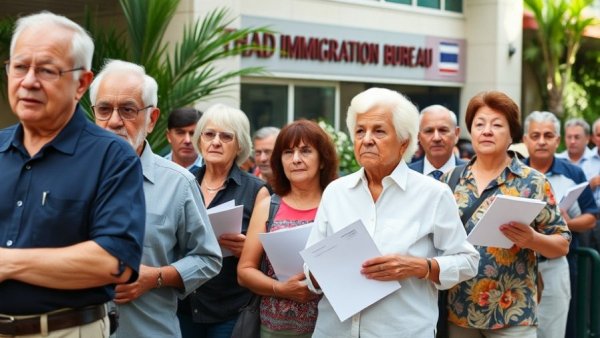
Exploring the Top Things Every Retiree Must Know About Thai Immigration

Update Why Retiring in Thailand is an Attractive Option For many American retirees, Thailand is emerging as a prime candidate for their golden years. With its vibrant culture, stunning landscapes, and favorable cost of living, it’s easy to see why the Land of Smiles is a popular choice. However, before packing your bags and saying goodbye to life in the U.S., there are some essential things to understand about immigration laws and lifestyle adjustments that could make or break your relocation experience.In the video 'Thai Immigration: 5 Things Every Retiree in Thailand Needs to Know,' the discussion dives into vital information for retirees, exploring key insights that sparked deeper analysis on our end. Navigating Thailand’s Immigration Requirements One of the most critical areas to focus on for anyone considering retirement in Thailand is understanding its immigration and visa requirements. Unlike many countries with a straightforward visa process, Thailand has specific guidelines in place, especially for retirees. You’ll need to apply for a Retirement Visa, formally known as the O-A visa, which is designated for individuals 50 years and older. However, expect to provide proof of income or a bank deposit to ensure you can support yourself during your stay. Knowing these requirements is crucial to avoid any nasty surprises upon arrival. Healthcare Accessibility and Insurance Considerations Another important aspect to consider is healthcare. Thailand offers a robust medical system with reputable hospitals and clinics, particularly in major cities like Bangkok and Chiang Mai. However, as American retirees, you should be prepared to navigate Thailand’s healthcare landscape effectively. Having international health insurance that covers expat medical needs is key. You might think you're covered with a Medicare plan, but it generally won’t cover services abroad, so it's vital to do thorough research before making the switch. The Cost of Living: Budgeting Your New Life in Thailand The cost of living in Thailand can be significantly lower than in the U.S. Rent, groceries, and everyday expenses often come with a smaller price tag, allowing retirees to stretch their savings further. Still, it’s essential to create a comprehensive budget that considers lifestyle choices, housing options, and potential healthcare costs. Knowing your expected monthly expenses will help you transition into your new life with confidence. Embracing Thailand’s Rich Culture Culture shock can be a real challenge for retirees moving to Thailand. Understanding local customs, social etiquette, and language can make a difference in how you connect with both locals and your fellow expats. Try learning basic Thai phrases to enhance your interactions and experience, which can be profoundly rewarding. Engaging in local traditions, festivals, and culinary adventures further enriches your retirement experience, blending discovery with joy. Maintaining Connections Back Home While diving into this new life, it’s essential to stay connected to family and friends back in the U.S. Social media, video calls, and even good old-fashioned emails can bridge the gap between worlds. Plus, sharing your experiences can be rewarding and could encourage loved ones to visit, enabling them to witness the new adventures you're embarking on. In the analysis of Thai immigration from the video titled “Thai Immigration: 5 Things Every Retiree in Thailand Needs to Know,” we find that understanding the ins and outs of transitioning to life in Thailand is crucial for a smooth relocation process. As you weigh your options, the insights from this video can facilitate better decision-making and enhance your adjustment period in this exciting new environment. Willing to rethink your retirement lifestyle? Explore the prospects of relocating to Thailand and embrace the experience of living within a rich culture and community. Each new adventure awaits!

11.16.2026

Essential Insights for American Retirees on Healthcare in Thailand

Update Preparing for Healthcare: The Reality of Retiring in Thailand Thailand is often viewed as a paradise for retirees, particularly for those hailing from America. With its warm weather, vibrant culture, and relatively low cost of living, it’s an appealing destination for the over-50 crowd. However, beyond the idyllic beaches and flavorful cuisine, a pressing concern lurks beneath: how does healthcare work in Thailand? What should retirees consider when faced with serious health issues? This article delves into the essential factors that expats must consider, indirectly inspired by a compelling video titled What Happens If You Get Seriously Sick in Thailand?.In the video What Happens If You Get Seriously Sick in Thailand?, a deep dive into retirement healthcare issues exposes crucial elements for expats that warrant further exploration. The Healthcare Landscape in Thailand It’s easy to fall into the trap of assuming that emergency healthcare will be straightforward in a country you've decided to call home. Thailand does have excellent hospitals, especially in urban centers like Bangkok, where many expatriates seek care. However, preparation is key. Knowing the local hospitals, their locations, and how to reach them during an emergency can mean the difference between life and death. Familiarizing yourself with the local medical services while healthy can alleviate panic in a crisis. The Costs of Care: More Than Meets the Eye Another important factor for retirees is understanding the potential costs associated with healthcare in Thailand. While general visits can be affordable, major surgeries and long-term treatments can add up quickly, especially in private hospitals. Potential patients must critically assess their healthcare plans: Do you have insurance? If not, are you financially prepared to cover considerable expenses? Lack of planning can lead to significant financial strain, particularly if one suddenly falls seriously ill. Insurance Insights: What You Need to Know Many might believe that simply having insurance will cover them during their retirement years, but that's not always the case. Each insurance plan has exclusions, deductibles, and specific protocols that must be followed. Often, private hospitals in Thailand can bill insurance directly, but in other cases, you may be expected to pay upfront. Understanding the nuances of your plan and ensuring that it covers potential emergencies is crucial. As the saying goes, 'It's better to be safe than sorry.' Building a Support Network: A Crucial Element Health isn’t only about doctors and medicine; it’s also about having a sturdy support system. When you're far from your family, knowing who can assist you in times of need becomes imperative. If you're single or newly settling in, consider how you’d get to the hospital if you were incapacitated. Who would notify the hospital about your insurance? Having at least one trusted friend or an emergency contact is indispensable. Looking Ahead: Long-Term Health Considerations Planning for health-related contingencies goes beyond just insurance and immediate care. Retirees must also consider the long-term implications of aging in another country. Will you need follow-up care? Rehabilitation? Someone to assist you at home? These scenarios can escalate financial obligations and must be carefully evaluated before you retire in Thailand. Quality Versus Cost: Weighing the Options When evaluating healthcare choices in Thailand, it’s essential to consider that cost isn’t always an indicator of quality. Thai government hospitals often provide competent care at lower prices, but may come with longer wait times and language challenges. Conversely, private hospitals often offer shorter wait times and English-speaking staff, but at a premium price. The choice ultimately hinges on personal circumstances, including comfort with the language and available financial resources. Staying Proactive About Your Health One lesson cannot be overstated – proactive health management is crucial. While accidents can happen, maintaining a healthy lifestyle can prolong your well-being as you age. Regular exercise, balanced nutrition, and preventative healthcare can help avoid serious medical issues. As wonderful as living in Thailand can be, your health is ultimately your most significant asset. In summary, retiring in Thailand requires more than just packing your bags and moving to a warmer climate. It demands a thoughtful approach to healthcare, understanding insurance intricacies, and establishing a reliable support network. By preparing in advance for potential health issues while fostering a robust lifestyle, retirees can truly enjoy a fulfilling life in one of Southeast Asia's most beautiful countries. If you are contemplating your retirement abroad, particularly in Thailand, take these insights into account. Knowledge and preparedness are keys to ensuring not only a safe transition but also a rich and enjoyable chapter of life as you explore your new surroundings.

The Expat Essentials Hub

The source for expat articles and video related to top countries to consider, visa programs, health care, and relocation tips.

Green Street Consulting LLC

  • Privacy Policy
  • Terms of Use
  • Advertise
  • Contact Us
  • Menu 5
  • Menu 6

864 535 6456

PO Box 936
Greer, South Carolina

ABOUT US

My wife and I created this media site to serve as a valuable resource for expats and those considering an expat lifestyle. We lived in Doha, Qatar, as expats, and now live in Thailand.

© 2026 CompanyName All Rights Reserved. Address . Contact Us . Terms of Service . Privacy Policy

Terms of Service

Privacy Policy

Core Modal Title

Sorry, no results found

You Might Find These Articles Interesting

T
Please Check Your Email
We Will Be Following Up Shortly
*
*
*