Add Row
Add Element
Add Element
  • Home
  • Categories
    • Destinations
    • Travel Styles
    • 50 + & Retiree Travel
    • Travel Resources
    • My Asia Adventures
    • Digital Nomad Life
    • Thailand Destinations
    • Vietnam
    • Top Asian Itineraries
  • All Posts
  • Destinations
  • Travel Styles
  • 50 + & Retiree Travel
  • Travel Resources
  • My Asia Adventures
  • Digital Nomad Life
  • Thailand Destinations
  • Vietnam
  • Top Asian Itineraries
November 16.2025
1 Minute Read

Unlock the Best Travel Apps 2024 for Your Next Adventure

Ever wondered if you’re truly making the most of your travels, or are you missing out on the latest must-have travel apps that make every journey easier? In the rapidly changing world of travel, the right travel app can mean the difference between a stressful trip and an unforgettable adventure. Whether you’re planning a road trip, seeking last-minute booking deals, searching for dynamic airline apps, or simply want to keep your travel plans organized, the best travel apps 2024 are transforming the way globetrotters navigate the world. In this guide, you’ll discover the cutting-edge apps that are redefining travel expectations and see how your next journey can be smarter, cheaper, and much more enjoyable.

best travel apps 2024 - Vibrant travelers using smartphones in a modern airport terminal, departure boards and luggage visible, travelers smiling and engaged with travel apps

Are You Using the Best Travel Apps 2024? Discover the Essentials

With hundreds of travel apps flooding the market this year, it’s easy to feel overwhelmed. The best travel apps 2024 are those that not only streamline trip planning and booking but also provide real-time support and unique features fine-tuned for every kind of traveler. Whether you're a frequent flyer, a meticulous road trip planner, or a spontaneous adventurer, having the right travel app at your fingertips keeps you ahead of the curve. These essentials are much more than mere digital accessories; they're your passport to seamless travel experiences — from planning your itinerary and booking hotels to accessing offline maps and securing the best prices on flights and rental cars.

Modern travel planning hinges on instant information — think mobile apps that offer free flight tracking, currency conversion, weather updates tailored to your route, and personalization based on your preferences. In 2024, travel apps have evolved to provide not only basic convenience but tailored experiences, integrating features such as offline maps, automatic travel plan syncing, contactless check-ins, and even language translation in real time. Are you leveraging these tools, or missing out on game-changing innovations that can transform your travel routine?

Travel App Innovations: What’s Changed in 2024?

The leap from basic travel apps to intelligent, interconnected mobile app ecosystems is unmistakable in 2024. This year, the focus is on meaningful innovation—think predictive price tracking, integration with digital health passes, secure one-click car rental, and AI-based language assistance. For example, airline apps are offering seamless integration with hotel apps, consolidating your travel plans in a single dashboard. This year’s top travel apps also incorporate advanced offline functionality that lets you download maps, store boarding passes, and access translation features without an internet connection—a must-have for international adventures or remote road trips.

Another game-changer: automated itinerary creation. Apps like TripIt and Roadtrippers simplify travel planning by automatically syncing email confirmations, booking details, and real-time alerts for gate changes or delays. The travel app landscape is now filled with features designed for traveler peace of mind—think advanced privacy controls, secure data storage, and multi-factor authentication, so your sensitive info stays protected. In short, travel apps in 2024 are not just about convenience; they’re about empowering travelers to make smarter choices with less stress, letting you focus on the adventure ahead.

travel apps 2024 - Modern app interface screens on smartphones, people exploring travel apps features in a city café

What You'll Learn From Our Best Travel Apps 2024 Guide

  • How best travel apps 2024 streamline travel planning
  • Latest features of top travel apps
  • Ways to save time, money, and stress on your next adventure
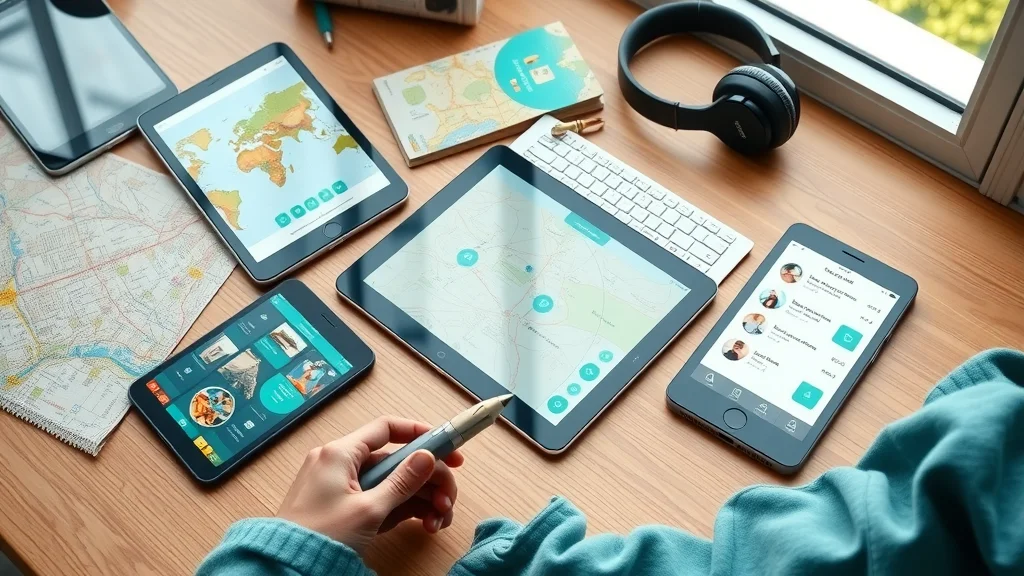
clean flatlay of travel devices with multiple travel apps open, wooden desk, maps, guides, headphones

Table: Quick Comparison of the Best Travel Apps 2024

App Name Primary Feature Platform User Rating Price
Google Maps Navigation iOS/Android 4.7 Free
Booking.com Booking app iOS/Android 4.6 Free
Airbnb Accommodation iOS/Android 4.8 Free
Hopper Flight deals iOS/Android 4.5 Free
Roadtrippers Road trip planning iOS/Android 4.6 Free
Google Translate Translation iOS/Android 4.7 Free

Top 15 Best Travel Apps 2024: The Ultimate List

  1. Google Maps: The Travel App King
  2. Booking.com: The Premier Booking App for Accommodations
  3. Airbnb: Home Away From Home
  4. Hopper: Best for Flight Deals
  5. Roadtrippers: Road Trip Travel App Essential
  6. Google Translate: Breaking Language Barriers
  7. Skyscanner: Flexible Travel Apps for Flights
  8. TripIt: All-in-One Travel Plan Organizer
  9. Rome2Rio: Ultimate Multi-Modal Mobile App
  10. XE Currency: Quick Currency Converter
  11. Trail Wallet: Budget Your Next Adventure
  12. LoungeBuddy: Airport Lounge Access
  13. Uber: The Essential Transport App
  14. PackPoint: Intelligent Packing Travel Apps
  15. Kayak: Dynamic Airline App for Deals

travel apps 2024 - Diverse group of travelers on city street using mobile apps for trip planning and navigation, visible city landmarks and golden hour sunlight

Google Maps: The Best Travel App for Navigation in 2024

Features: Offline Maps, Public Transit, Route Planning

"Google Maps remains the backbone of travel planning in 2024, with unmatched real-time updates and route flexibility."

Google Maps continues its reign as the essential navigation app for travelers worldwide. This dynamic travel app takes the stress out of finding your way in unfamiliar cities, offering downloadable offline maps, comprehensive public transit details, and step-by-step walking tour guidance. With robust real-time updates on traffic, public transport, and alternative routes, Google Maps stands head and shoulders above other navigation apps and mobile apps on the market. Its integration with digital wallets, restaurant reviews, and even road trip route enhancements makes it the first app you should pack before every adventure.

In 2024, Google Maps enhances trip planning through AI-powered suggestions, improved user privacy controls, and seamless transitions between driving, biking, and public transport. The offline maps function ensures that even in areas with spotty internet, you’re never lost. Whether navigating complex metro systems or simply looking for the nearest ATM, this travel app is more than just a map—it's your round-the-clock travel companion.

google maps travel app 2024 - Young explorer navigating city with Google Maps app, real-time directions, rain and reflections on pavement

Booking.com: Comprehensive Booking App for Travel Plans

  • Last-minute deals
  • Verified reviews
  • Flexible cancellations

Booking.com remains a top choice for travelers seeking convenience and reliability in their booking app. Featuring exclusive last-minute discounts and an unrivaled selection of hotels, vacation rentals, and even unique stays, it's built for every kind of journey—from road trips to global escapes. The app’s strong focus on user security, verified guest reviews, and customizable filters ensures travelers confidently secure the best deals for their needs. The addition of in-app travel plan management and flexible cancellation policies means last-minute changes won’t disrupt your travels.

2024 sees Booking.com disrupting the traditional hotel and accommodation market with more intuitive design, easier discovery of local experiences, and direct integration with popular airline apps and rental car platforms. Travelers appreciate the ability to manage everything—accommodation, flight prices, and even car rentals—in one place. This comprehensive booking app is a must for hassle-free travel planning, ensuring you never miss out on savings or essential travel details.

booking app travel app 2024 - Frequent traveler using Booking.com app in a modern hotel lobby reviewing accommodation options

Airbnb: Personalized Accommodation Booking App Experience

Features: Unique Stays, Experiences, Safety Standards

Airbnb continues to revolutionize the world of accommodation with its focus on personalized, memorable stays and immersive experiences. No other travel app delivers such a diverse array of possibilities—from quirky city lofts to countryside retreats, Airbnb goes beyond traditional hotel apps. Their unwavering commitment to quality, detailed guest reviews, and strict safety standards provide guests peace of mind while exploring new destinations. With enhanced search filters, verified hosts, and options for entire homes, private rooms, or shared spaces, Airbnb is suitable for solo explorers, couples, and family adventurers alike.

The Airbnb app also offers an expanding marketplace of local experiences and guided tours curated by experts, ranging from food tastings to creative workshops. Safety remains a priority, with updated protocols, identity verification, and up-to-date information for travelers about their destinations. If you crave authentic connections and want your travel plans to feel unique on every journey, Airbnb’s booking app remains the go-to choice in 2024.

personalized accommodation booking app airbnb - Young couple checking Airbnb listing on tablet in stylish loft apartment, natural warm sunlight

Hopper: Flight & Hotel Booking App With Price Prediction

Features: Price Tracking, Flexibility, Refund Policies

If you’re searching for the best booking app for flights and hotels, Hopper is a game-changer thanks to its innovative price prediction and price tracking algorithms. Hopper uses vast historical flight data, AI, and real-time updates to suggest the cheapest times to book. This app notifies travelers when flight prices drop and forecasts price trends—saving you time and money, especially if you’re deal hunting for free flights or last-minute getaways. It offers flexibility in cancelations and refund policies, giving you a safety net for unexpected changes in your travel plans.

In 2024, Hopper further streamlines the booking process with integrated rental car suggestions, customizable trip protection, and in-app currency converters. The trusted notifications make it easy to act when the best deal arises, and the clear, user-friendly interface simplifies the comparison of flight prices, hotels, and car rental deals side-by-side. Hopper’s commitment to transparency gives it a top spot among travelers seeking stress-free and budget-conscious planning.

hopper booking app travel flights 2024 - Young professional comparing flight prices in Hopper app, focused at home desk, digital screens glowing

Roadtrippers: Premier Road Trip Travel App 2024

  • Route customization
  • Attractions & points of interest
  • Group trip planning

Roadtrippers has cemented itself as the ultimate road trip travel app for explorers who want to make the most of their journey between destinations. By combining real-time mapping, comprehensive route customization, and a treasure trove of unique attractions, Roadtrippers makes planning a scenic detour or memorable stop just as exciting as arriving at your final destination. The mobile app's visual, interactive map highlights hidden gems, from quirky roadside attractions to stunning natural wonders, ensuring every road trip adventure is packed with surprises.

Designed for group travel, Roadtrippers allows friends and families to collaborate on routes, add points of interest, and share travel details all within the app. Its seamless integration with hotel apps, rental car platforms, and restaurant finders provides everything you need for a successful trip. In 2024, the app further enhances trip planning with improved offline capability, so even the remotest stretches of road are well within reach. For road trip lovers and wanderers alike, this travel app is a must-have.

road trip travel apps 2024 - Friends using Roadtrippers app inside car, sunny day, plotting scenic route on open road

Google Translate: Must-Have Mobile App for Language Assistance

Features: Offline translation, Camera input, Conversation mode

Navigating languages can be daunting, but with Google Translate, it’s easier than ever. This free travel app supports over 100 languages, including robust offline translation mode—a lifeline when internet access disappears. The standout feature is its camera input: simply point your phone at signs, menus, or documents, and the app instantly translates text, making sense of complex situations in seconds. The real-time conversation mode breaks down walls, letting users communicate face-to-face—even if you don’t share a language.

In 2024, Google Translate expands its reach by offering more natural text-to-speech output, improved phrase lists, and direct integration with airline apps and hotel apps, simplifying travel details for non-native speakers. Beyond just words, it ensures safety and confidence for travelers, whether you’re negotiating with a local taxi app driver or reading crucial airport directions. For any traveler, but especially those venturing off the beaten path, Google Translate’s mobile app is truly indispensable.

google translate travel app 2024 - Tourist using Google Translate camera to scan street signs, lively European market background

Skyscanner: Top Travel App for Flexible Flight Booking

"Skyscanner empowers travelers to compare flights, hotels, and rental car options with ease."

Skyscanner is revered for its ultra-flexible search functions, giving travelers the power to compare not just flights but also hotels and rental car options globally. Its simple, intuitive interface allows you to customize trips by budget, timing, stops, and even select “anywhere” as a destination for spontaneous adventures. Real-time price alerts make finding a deal on flights or rentals effortless, while easy integration with multiple airline apps streamlines the booking process from end-to-end.

Skyscanner stands out by offering a free version with no hidden fees and a commitment to transparent pricing, making sure you always get the best deal available. As traveler needs shift toward flexibility and convenience, Skyscanner’s mobile app continues to lead in helping users navigate complex trip planning without the stress, whether you’re eyeing a last-minute escape or a tightly organized itinerary.

TripIt: Central Travel Plan Mobile App

  • Email itinerary import
  • Automatic travel plan creation
  • Real-time alerts

TripIt takes the headache out of travel planning by automatically building a centralized itinerary from your flight, hotel, car rental, and activity confirmations—simply by forwarding booking emails. This mobile app is as close as it gets to having a personal travel assistant, providing travelers with real-time alerts for gate changes, delays, and cancellations. The clarity of a single, organized dashboard reduces travel stress, allowing you to focus on enjoying the trip rather than sifting through scattered booking details.

TripIt’s premium features include seat tracking, real-time flight updates, and alternative route suggestions. It’s designed for business travelers and vacationers alike, offering secure storage of crucial documents and digital travel plan sharing with friends or colleagues. For 2024, TripIt deepens its connectivity with other hotel apps and airline apps, ensuring your plans stay updated wherever your journey leads.

Rome2Rio: The Multi-Modal Travel Apps Solution

Features: Trains, Planes, Ferries, Buses Integration

Rome2Rio provides a bird’s eye view (pun intended) on global travel by integrating routes across multiple modes of transportation — think trains, planes, ferries, and buses. This comprehensive travel app is ideal for trip planning in regions where public transit and less traditional travel options are key. The app helps users understand the fastest, cheapest, and most scenic ways to reach their destinations, presenting side-by-side comparisons and real-time price estimates for each leg of the journey.

For 2024, Rome2Rio amplifies user experience by displaying rental car and taxi app options for connecting those tricky last-mile solutions. Detailed fare breakdowns and maps keep things transparent, which is why it’s a go-to mobile app for complex international or multi-stop journeys. If your itinerary involves more than planes, Rome2Rio is the ultimate choice for seamless travel planning spanning borders, currencies, and transit types.

XE Currency: Essential Travel App for Currency Conversion

  • Up-to-date exchange rates
  • Currency calculator
  • Offline mode

XE Currency is a must for any traveler hopping between countries. It offers lightning-fast access to real-time exchange rates and easy conversions between dozens of currencies, whether you’re eyeing a souvenir or comparing rental car costs in local currency. The app stands out with its offline mode, which keeps conversion calculations handy even when you’re out of data or Wi-Fi—perfect for those remote hiking adventures or global road trips.

This travel app benefits both international business travelers and casual tourists by ensuring you never overpay due to outdated rates or conversion confusion. XE Currency’s streamlined user interface, smart history comparisons, and customizable currency lists make it a top choice for money-smart travel planning in 2024.

Trail Wallet: Smart Travel Planning for Budgets

For budget-conscious travelers, Trail Wallet is indispensable. This mobile app lets you track your spending on the go by category and trip, supporting multiple currencies and offering customizable budget alarms. Input purchases instantly—whether you’re paying for transit, meals, or gear—and see clear visual breakdowns through intuitive charts. Designed especially for world travelers and long-term explorers, Trail Wallet prevents overspending and surprises, empowering you to stick to your financial travel plan.

2024's updates include enhanced multi-trip support, improved receipt scanning, and synchronization options for group travel budgets. For those who view travel as more than a vacation—with lots of moving parts and careful budget management—Trail Wallet is the ultimate companion to ensure every adventure remains well-funded and worry-free.

LoungeBuddy: Airport Travel App for Comfort Seekers

Features: Lounge Access Info, Reviews, Day Pass Purchase

Long layovers and airport delays are no match for LoungeBuddy, which instantly reveals available airport lounges, reviews amenities, and unlocks one-time pass purchases—all within their polished mobile app. This travel app is especially valued among road warriors and luxury-travel enthusiasts seeking a comfortable spot to unwind, work, or refresh before the next flight.

For 2024, LoungeBuddy extends its integrations, allowing users to sync boarding passes from popular airline apps, confirm eligibility through digital wallets, and share their lounge experience reviews with fellow travelers. By prioritizing transparency, comfort, and accessibility, LoungeBuddy transforms stressful airport waits into productive or restorative downtime with just a few taps.

Uber: All-in-One Mobile App for On-the-Go Transit

Uber’s reach and reliability put it at the top of the list for on-the-move local transportation in thousands of cities worldwide. Functioning as a hybrid taxi app, Uber’s mobile app connects travelers not just with rides, but increasingly with rental cars and food deliveries (via Uber Eats). The ability to estimate costs upfront, easily switch between vehicle options, and share your route with friends adds layers of safety and convenience.

In 2024, Uber expands its international coverage, introduces sustainability-focused ride options, and builds in-app partnerships with hotel apps to streamline door-to-door planning. Integrated expense tracking and digital receipts are a plus for both business and leisure travelers—making Uber the default travel app for local and last-mile transit.

PackPoint: Efficient Travel Planning Packing List App

Features: Weather integration, Activity-based suggestions

PackPoint takes the guesswork out of what to pack by generating a travel-tailored packing list based on your destination’s weather, trip length, and planned activities. This handy mobile app cross-references weather reports, suggests essentials (like adaptors or hiking boots), and lets you customize and share your packing list with travel companions.

2024's updates bring smarter integration with TripIt and airline apps, ensuring your packing list adjusts when flights change or new activities are booked. For organized travelers and adventure seekers alike, PackPoint saves time and minimizes the chances of forgetting that one trip-saving item.

Kayak: Dynamic Airline App and Meta-Search Powerhouse

Kayak goes beyond being just another flight search engine. This dynamic meta-search and airline app aggregates prices across flights, hotels, and rental cars while introducing personalized deal alerts, mobile-exclusive pricing, and real-time status updates. The smart explore feature allows you to browse affordable destinations from your location, while filters help customize every leg of your trip for comfort, speed, or savings.

What sets Kayak apart in 2024 is its deep integration with free flight and car rental providers, removing friction from booking and managing multi-modal travel plans. Its sleek app design, predictive search, and extensive global coverage cement it as one of the best travel apps for savvy planners and adventure junkies alike.

Watch this dynamic video montage for a real-world look at these travel apps in action—navigate busy airports, map road trip routes, book hotels, and translate foreign signs right from your phone. Experience how the best travel apps 2024 keep travelers connected, inspired, and always on the right track.

Best Practices for Using Travel Apps and Mobile Apps in 2024

  • Keep apps updated
  • Enable offline capabilities
  • Secure personal info
  • Compare deals across travel apps

To truly maximize your travel experience, remember these key best practices. Modern travel apps update frequently with new features and bug fixes, so always check for the latest version before your trip. Be sure to enable offline maps and translation downloads in case of connectivity issues, especially during international travel or rural road trips. Protect your personal details by using secure passwords and enabling two-factor authentication where possible. Finally, compare offers across multiple apps for flights, hotels, and car rentals—you’ll often find varying prices and exclusive deals available only through certain mobile apps or booking apps.

In this helpful video, get straightforward tips for selecting the perfect booking app—whether you want the most flexible cancellation, best price alerts, or all-in-one itinerary support—for your next adventure.

People Also Ask: Answers About the Best Travel Apps 2024

What is the best app to use for traveling?

Google Maps, Booking.com, and TripIt repeatedly top the list of best travel apps 2024 due to their comprehensive features and global usability.

Which is the most downloaded travel app?

Google Maps consistently ranks as the most downloaded travel app worldwide, serving as an essential tool for travelers.

Which travel app gives the best deals?

Booking.com and Hopper are recognized as top travel apps for deal hunters, offering discounts on accommodations and flights.

What app is replacing TripCase?

TripIt is the leading alternative to TripCase in 2024, providing superior itinerary management and travel plan integration.

FAQs About the Best Travel Apps 2024

  • Are all the best travel apps 2024 free?
    Most leading travel apps offer a free version with robust features. Some, like TripIt or Hopper, provide premium upgrades, but you can accomplish essential travel planning on a tight budget with their free tools.
  • Can you use travel apps offline?
    Yes! Top apps like Google Maps, Google Translate, and XE Currency support offline access to core features, enabling you to navigate, translate, and convert currencies even without an internet connection.
  • How do you ensure your data is secure on mobile apps?
    Always download travel apps from official app stores, enable security features like two-factor authentication, and review app permissions. Avoid sharing sensitive info on public Wi-Fi.
  • Which travel planning apps integrate with airline apps?
    TripIt, Booking.com, and Kayak integrate seamlessly with major airline apps, automatically updating itineraries and alerting you to changes in real time.

Key Takeaways: How the Best Travel Apps 2024 Enhance Your Journey

  • Efficient travel planning relies on top travel apps and mobile app tools
  • The best travel apps 2024 simplify booking, navigation, translation, and budgeting
  • Choose apps based on your travel style and itinerary

Start Your Next Adventure With the Best Travel Apps 2024

Your unforgettable adventure is just a tap away. From navigation to booking apps, translation, and trip budgeting, the best travel apps 2024 empower you to travel with confidence every step of the way.


Like, share and comment on this article if these travel apps help you plan your next trip!

Travel Resources

0 Views

0 Comments

Write A Comment

*
*
Related Posts All Posts
11.22.2025

Food Delivery Apps Southeast Asia Locals Use Daily

Did you know? Over 25 million food delivery orders are placed daily across Southeast Asia—reshaping how locals eat and connect with their favorite restaurants. Dive into the Southeast Asian digital dining boom to discover the top food delivery apps, unique features, and essential tips to get the most from these services. A Surprising Look at Food Delivery Apps Southeast Asia Locals Cannot Live Without If you think takeaway culture is big in your country, wait until you see the scale in Southeast Asia. The region’s urban pulse beats faster thanks to a fiercely competitive ecosystem of food delivery apps Southeast Asia locals use—rain or shine, late night or early morning, weekday or holiday. From bustling megalopolises to laid-back towns, food delivery is the lifeline for many. But what makes these apps so essential that people here literally cannot imagine daily life without them? It’s more than convenience. Locals are spoiled for choice by unique offers, lightning-fast delivery times, and deep connections to local and international cuisines—all embedded in vibrant, easy-to-use apps. Whether you crave authentic nasi goreng, bubble tea, or gourmet Western fare, there’s a delivery app tuned perfectly to your city, appetite, and budget. This guide will help you understand the landscape, spot the best app for your needs, and learn why Southeast Asia sets the global pace for digital dining. What You'll Learn About Food Delivery Apps Southeast Asia Locals Swear By The most popular food delivery apps in Southeast Asia Unique features that set each delivery app apart A country-by-country breakdown of top delivery apps Tips for optimizing your experience on food delivery platforms Food Delivery Apps Southeast Asia: Key Stats and Market Overview Southeast Asia’s food delivery scene is a fierce battleground. GrabFood, Foodpanda, Gojek, and others jostle for dominance across countries, with each convenience hungry population favoring a different mix of apps. According to 2023 research, Southeast Asia’s online food delivery market is on track to surpass $20 billion USD by 2025, driven by smartphone penetration and cashless transactions. Locals expect quick service, a vast restaurant brand selection, secure payment practices, and robust customer service—demands each delivery app strives to fulfill. Notably, fierce competition means each app enhances features rapidly—from expanding payment options (such as the ability to use nearly any card to pay, plus cashless QR payments) to developing stronger support teams. Here’s a comparison to help you see which apps rule the region and what sets them apart: App Country Focus User Base (Millions) Year Established Unique Features GrabFood Singapore, Malaysia, Indonesia, Thailand, Vietnam, Philippines 15+ 2018 Superapp integration, loyalty rewards, vast restaurant range Foodpanda Singapore, Thailand, Malaysia, Philippines, Laos, Cambodia 10+ 2014 Localized promos, 24/7 delivery, easy user interface Gojek/GoFood Indonesia, Vietnam, Singapore, Thailand 8+ 2015 Superapp, strong local partnerships, unique promos Deliveroo Singapore, Malaysia 2+ 2015 Premium restaurants, ultra-fast delivery, elegant design Line Man Thailand 4+ 2016 LINE Messenger integration, broad listings, strong expat appeal Baemin Vietnam, Thailand 2+ 2019 Innovative marketing, competitive fees, urban focus ShopeeFood Vietnam, Malaysia, Indonesia, Thailand 5+ 2021 Shopee integration, exclusive user discounts, rapid expansion Why Food Delivery Apps Have Become a Staple in Southeast Asia Ordering delivery isn’t just about convenience in Southeast Asia—it’s a necessity embedded in the lifestyle. With sprawling megacities, heavy traffic, and unpredictable tropical weather, locals rely on food delivery apps Southeast Asia to get meals reliably, securely, and quickly. These apps have also adapted to meet regional quirks: cashless payments for unbanked users, options to use a phone number for rapid ordering, and localized customer service support to address everything from late delivery time to managing privacy practices across apps and websites owned by different companies. Affordability, restaurant variety, and time-saving benefits fuel the rise of these delivery apps. Anecdotally, even a terrible experience—like delayed orders—often results in proactive outreach from the app's support team or loyalty incentives, showing how seriously these platforms take their customer satisfaction. As one analyst put it: "The rise of food delivery apps in Southeast Asia reflects the region’s digital transformation and growing demand for convenience." — Market Analyst 1. GrabFood: The All-in-One Food Delivery App Southeast Asia Loves GrabFood tops usage charts in most countries, thanks to its integration inside the Grab superapp. Locals appreciate the power of having food delivery, ride-hailing, groceries, and pay functions bundled together. With a wide selection of restaurant brands—including exclusive local favorites and household-name franchises—users enjoy a fluid, hassle-free process from browsing to payment. Key GrabFood features include: Key Features and Reach of GrabFood in Southeast Asia Widespread presence across Southeast Asia Loyalty programs and diverse cuisine options Integrated with Grab's other delivery apps services GrabFood’s delivery app model is so successful in Southeast Asia because it efficiently tracks you across its suite of apps and websites, with privacy practices clearly outlined but sometimes varying based on the features you use or the country you’re in. The app’s customer service stands out, frequently resolving ordering hiccups or privacy policy questions rapidly and professionally. Integration with digital payment methods means you can use your card to pay for meals, rides, and more, streamlining daily life. These features ensure that whether you’re in Jakarta, Kuala Lumpur, or Bangkok, your next meal is always just a tap away. 2. Foodpanda: A Household Name Among Food Delivery Apps Southeast Asia Foodpanda is deeply embedded in local culture across several countries. With 24/7 food delivery capability and strong logistics, it’s often the first choice for urgent late-night cravings. Foodpanda’s success is tied to its blend of regional flavor and global efficiency, with each country getting a bespoke experience. The platform is known for robust privacy practices—though, as with any delivery app, practices may include handling of data shared across apps and websites owned by the parent company. How Foodpanda Tailors Its Service to Southeast Asia Locals Localized deals in each country Strong logistics and 24/7 delivery capabilities Easy-to-use food delivery app interface Foodpanda’s delivery service platform is tailored for speed and convenience. Their efficient logistics, responsive customer service, and an intuitive interface deliver peace of mind—customers can rest assured that food delivered arrives fresh and on time. Foodpanda also puts a strong emphasis on data handling: transparent privacy policy notices are easily accessed in the app. With promotions that evolve based on the country and season, app users can optimize orders for maximum savings. 3. Gojek: Revolutionizing Food Delivery Apps Southeast Asia with GoFood Wherever you see motorbikes zipping through clogged city streets, there’s a good chance at least one is a Gojek rider. Originating in Indonesia, Gojek is now a driving force behind digital-first communities. Its stand-alone food arm, GoFood, focuses on hyper-local partnerships, ensuring a vast array of choices exclusive to the delivery app. Gojek seamlessly links ride-hailing, grocery delivery, and food delivery within a polished superapp—making it the Swiss Army knife of Southeast Asian apps and websites owned by a single brand. Unique Advantages of Using Gojek for Food Delivery All-in-one superapp for food, ride-hailing, and more Partnerships with local food vendors Innovative promos unique to Southeast Asia Uniquely, GoFood doesn’t just connect you to big restaurant brands, but features thousands of home-based cooks and micro restaurants—promoting small businesses. The platform has robust customer service, flexible payment options (including cash, cards, and digital wallets), and adapts privacy practices for each region, with full transparency. If you’re in Indonesia or Vietnam, GoFood is a must-download for true local flavor—many users cite it as their “comfort app.” 4. Deliveroo: Premium Food Delivery App for Southeast Asia Urbanites Deliveroo caters to Singapore and Malaysian urbanites seeking indulgence beyond the usual takeaway. It’s the go-to delivery app if you want fine dining or trendy and premium restaurant brands delivered with style. Deliveroo’s network is smaller compared to superapps, but laser-focused on top-tier urban markets, guaranteeing quick delivery times and a polished ordering process. Privacy practices are clearly communicated, with strict handling of data linked to your identity. Why Deliveroo Stands Out Among Delivery Apps Premium restaurant partnerships Fast delivery times in major cities User-focused food delivery app design Deliveroo consistently impresses with its smooth user interface, smart tracking features (so you always know the delivery time), and rapid customer support. Frequent exclusive deals and curated collections of luxury eats put it in a class of its own among urban delivery services. Though it currently operates only in select countries, its reputation has made it a “status symbol” for young professionals who appreciate kind, efficient customer service and flawless privacy practices. 5. Line Man: The Local Hero of Food Delivery Apps in Thailand In Thailand, Line Man has achieved cult status. Deeply integrated with LINE Messenger, this delivery app makes ordering from local street food vendors, family-run eateries, and even chain restaurant brands seamless. Locals and expats alike love the sheer variety—from late-night khao man gai to sunrise coffee, all delivered in a friendly, familiar interface. Privacy policy adherence is a top priority, and practices may vary, but are always accessible and easy to understand. How Line Man Became Thailand’s Favorite Delivery App Integrated with Line Messenger for seamless ordering Extensive local restaurant listings Popular among both locals and expats in Southeast Asia Line Man’s advantage lies in its local roots. Local restaurant options rotate constantly, while the app leverages Thailand’s cashless payment surge—users can link a card to pay or order with their phone number for fast repeat orders. A reliable support team and success with privacy practices—especially in handling data linked to your identity—make it a favorite among the country’s diverse user base. Whether you’re craving authentic pad thai or creative dessert bowls, Line Man ensures timely, safe food delivery with a local flair. 6. Baemin: Rising Star Among Food Delivery Apps Southeast Asia Baemin is one of the newest but fastest-growing food delivery apps in Southeast Asia. Originally from Korea, Baemin’s quirky marketing, affordable delivery fees, and bright, user-friendly app have quickly won over Vietnam and Thailand’s digital-savvy generation. Local urbanites rave about its lightning delivery times, weekly promo codes, and surprising dishes sourced from neighborhood favorites. Baemin’s Unique Appeal in Southeast Asia’s Food Delivery Scene Innovative marketing and branding Affordable delivery fees and wide coverage Focus on fast-growing urban centers Baemin goes all-in on trust, ensuring privacy practices and handling of data are communicated up-front, with accessible privacy policy settings, making the customer experience feel modern and transparent. The customer service experience is also strong, aiming for proactive solutions in the rare case of a terrible experience. If you’re living in a major Vietnamese or Thai city, Baemin is the delivery app to watch—constantly improving its restaurant brand directory and offer appeal to stand out among delivery services. 7. ShopeeFood: The E-Commerce Giant’s Foray Into Food Delivery Apps Southeast Asia ShopeeFood is the region’s freshest major player, but it has quickly made waves by integrating with Southeast Asia’s most popular e-commerce platform. ShopeeFood turns food ordering into an all-in-one shopping spree, offering special deals if you’re already using Shopee for non-food purchases. Expansion has been rapid, and locals love stacking food discounts with other Shopee rewards—all with transparent privacy practices and intuitive app interface design. Integration of ShopeeFood with Southeast Asia’s Biggest Marketplace One-stop shop experience via Shopee’s platform Special discounts for Shopee users Expanding rapidly throughout Southeast Asia The app is a hit for promo hunters, with quick signup using your existing Shopee account (no need for a new phone number or card details), seamless payment, and unique flash deal notifications. ShopeeFood is ideal for users who want efficiency—from shipping a new gadget to ordering the night’s dinner, all managed with the same app and customer support team. Other Notable Food Delivery Apps Southeast Asia Locals Use Meituan (Vietnam, Singapore) Now.vn HappyFresh (grocery delivery) Airasia Food While the "big seven" dominate headlines, locals in various countries still use niche apps catering to unique needs—like Meituan for direct Chinese food delivery, Now.vn for traditional Vietnamese cuisine, HappyFresh for groceries, and Airasia Food for travel-linked culinary perks. Privacy practices may include handling of data across these various platforms, so always check the app’s privacy policy if that’s a concern for you. Country Spotlights: Food Delivery Apps Southeast Asia Relies On Indonesia: The Dominance of Grab and Gojek Indonesia boasts one of the most dynamic delivery app markets, with GrabFood and Gojek leading the charge. Locals love using these brands for everyday eats, with powerful loyalty programs and seamless cashless payments. Innovative mobile numbers and personalized notifications let users track orders and receive instant coupons. With competitive delivery fees and broad restaurant listings, both apps are indispensable—so much so that the apps are often pre-installed on new smartphones in Indonesia! Thailand: The Line Man and Foodpanda Rivalry In Thailand, Line Man is the local hero, but Foodpanda keeps pace with 24/7 delivery services and an expanding roster of international foods. Thais are spoilt for choice, toggling between these two depending on late-night cravings, special deals, or fast delivery time. The strong customer support teams and reliability of both have cemented them as core lifestyle apps for millions of Thais and long-term expats. Malaysia: Deliveroo and Grab Lead the Way Malaysia’s tech-savvy urbanites prefer Deliveroo for high-end dining and GrabFood for everyday convenience. Fast-growing smartphone access and cashless payment options make it simple for users to link card to pay, track live eta, and enjoy both local and global cuisines. Customer service is excellent, and privacy is handled according to regional standards. Singapore: Best Food Delivery Apps for Busy Urbanites Singapore’s residents have no shortage of options: GrabFood, Foodpanda, and Deliveroo are all optimized for fast city life, secure payments, and meticulous privacy policy enforcement. With dense restaurant coverage and real-time tracking, Singaporeans enjoy near-instant meal delivery. Promotions and loyalty programs add further incentive, and responsive customer service helps avoid a terrible experience. Vietnam: Baemin and Now.vn’s Growing Influence In Vietnam, Baemin is the rising trendsetter, delighting young customers with creative campaigns and exclusive deals, while Now.vn dominates for traditional Vietnamese fare. Apps in Vietnam are known for flexible payment options, efficient delivery app navigation, and strict privacy practices that include handling of data only as required for fast delivery. Local customer service is proactive and supportive, driving the rapid adoption of these platforms across the country. Benefits of Using Food Delivery Apps Southeast Asia Time-saving and convenience Access to exclusive promotions and loyalty rewards Variety of cuisines and restaurant choices Trusted payment and delivery security Whether you’re a local, expat, or traveler, food delivery apps Southeast Asia make life easier. From tracking orders live to paying securely (and sometimes anonymously), the platforms strive for world-class customer service and protection of your privacy. Localized apps mean choice, savings, and delicious discoveries at your fingertips—that’s why delivery services are so deeply woven into Southeast Asian daily routines. Tips for Maximizing Your Food Delivery App Experience in Southeast Asia Compare delivery apps before placing an order Take advantage of promo codes and discounts Check user reviews and food hygiene ratings Order during off-peak hours for faster delivery Enable notifications for flash deals By choosing wisely and staying alert to deals, you’ll get better food, faster service, and more savings—a must for both locals and visitors. Don’t forget to check privacy policy settings in each app before sharing your phone number or card to pay. If you ever have a terrible experience, contact the support team quickly; their customer service is generally well-trained and responsive across Southeast Asia. What is the Southeast Asia Version of Uber? Answer: Grab is widely considered the Southeast Asia version of Uber, offering both ride-hailing and food delivery in the region. Who is the Number One Food Delivery Player in Southeast Asia? Answer: GrabFood and Foodpanda are leading the market, with GrabFood currently holding the largest share in many countries. Can You Use Meituan as a Foreigner in Southeast Asia? Answer: Meituan primarily operates in China but is available in select Southeast Asian cities; some language and payment limitations may apply. What Apps to Download for Southeast Asia? Answer: Recommended downloads: Grab, Foodpanda, Gojek, Deliveroo, Shopee, Line, and Baemin for the best food delivery apps southeast asia experience. Watch the dynamic montage to visually compare food delivery app interfaces, user stats, pricing, and real-world rider experiences in major Southeast Asian cities. FAQs on Food Delivery Apps Southeast Asia Which delivery app has the widest coverage in Southeast Asia? GrabFood currently operates in the highest number of countries, from Singapore and Malaysia to Thailand, Indonesia, and the Philippines, offering a vast array of choices and reliable order tracking for users throughout the region. Are there cashless payment options on all food delivery apps southeast asia? Yes, virtually all leading food delivery apps in Southeast Asia support cashless payments—including bank cards, mobile wallets, and region-specific services. This shift supports security and convenience for both locals and visitors. How do delivery fees compare between apps? Fees can vary widely by country, app, and distance. Baemin and Foodpanda tend to have frequent promo fees, while GrabFood and Deliveroo may focus on service and premium selection. Comparing delivery apps before placing an order can save you both time and money. Are food hygiene ratings displayed on each food delivery app? Many apps, especially in Singapore and Malaysia, display government-mandated hygiene ratings next to restaurant listings. Elsewhere, user reviews and ratings are helpful for assessing quality—always check these before you place your first order! Key Takeaways on Food Delivery Apps Southeast Asia Locals Use GrabFood and Foodpanda offer the most comprehensive service across Southeast Asia. Localized options appeal to unique preferences in each country. Smart app usage can enhance savings and food variety. Please like, share and comment on this article

11.21.2025

Transportation Apps Southeast Asia Travelers Swear By

Did you know more than 75% of travelers in Southeast Asia now rely on transportation apps for seamless mobility—eliminating the hassle of negotiating fares or getting lost in translation? In today’s fast-moving, digitally-connected world, these apps have become indispensable companions that radically change how you move across countries like Vietnam, Indonesia, Thailand, and beyond. Whether you're planning your solo travel adventure, craving authentic street food via food delivery services, or trying to figure out the easiest way to easily book a ride in bustling big cities, the latest transportation apps in Southeast Asia make every step smoother, safer, and wallet-friendly. This article is your all-in-one guide to the apps thousands of fellow explorers and locals trust every day—from hidden gems to household favorites. "More than 75% of travelers in Southeast Asia now rely on transportation apps for seamless mobility, eliminating the hassle of negotiating fares or getting lost in translation." A Surprising Shift: How Digital Solutions Are Transforming Traveling in Southeast Asia The explosion of transportation apps Southeast Asia has sparked a dramatic shift in how travelers move within the region. A decade ago, negotiating rates with local taxi drivers or puzzling over maps at bus terminals was the norm. Today, digital solutions such as ride-hailing, real-time navigation, and multi-language support have made planning, booking, and paying for rides as easy as tapping an app. Google Maps, Grab, Gojek, and other platforms are at the heart of this transformation, helping explorers easily book rides and find hotel deals—all without worrying about extra cost or language difficulties. For many travelers, especially those prioritizing solo travel, these apps provide reassurance about safety and reliability in unfamiliar environments. Gone are the days of miscommunications at taxi stands or confusion over cash payments; now, with wide-ranging support for foreign cards and e-wallets, book transport options are just a swipe away. Moreover, digital ride receipts and transparent pricing offered by these apps counter haggling and scams that sometimes target tourists in popular destinations. As Southeast Asia's cities get busier and more cosmopolitan, digital mobility tools ensure every traveler—whether a backpacker or business visitor—navigates cities like a pro. What You'll Learn: The Ultimate Guide to Transportation Apps Southeast Asia Journeys Depend Upon Why transportation apps Southeast Asia are indispensable for modern travelers Key features to seek for hassle-free traveling in Southeast Asia How leading apps compare for speed, safety, and coverage Insider tips for maximized savings and convenience Best Transportation Apps Southeast Asia—Comparison at a Glance App Key Features Supported Countries User Ratings Download Link Grab Ride-hailing, food delivery, e-wallet, insurance Singapore, Indonesia, Malaysia, Vietnam, Thailand, Philippines, Cambodia, Myanmar 4.6/5 (Google Play) Download Gojek Ride-hailing, food, payments, packages, multi-language Indonesia, Vietnam, Singapore, Thailand 4.6/5 (Google Play) Download Google Maps Transit info, navigation, offline maps All of Southeast Asia 4.3/5 (Google Play) Download Maxim Budget rides, cities rural & urban, cash/card Thailand, Indonesia, Vietnam, Malaysia 4.1/5 (Google Play) Download Be Localized UX, cars/bikes, multi-payment Vietnam 4.3/5 (App Store) Download Why Transportation Apps Southeast Asia Are Essential for Traveling in Southeast Asia In a region where vibrant cities, dense traffic, and local languages can make exploring daunting, transportation apps Southeast Asia are ultimate travel enablers. They eliminate common roadblocks like fare haggling, route confusion, or getting stranded after midnight by providing instant, secure connections whether you’re in a capital city or an off-the-beaten-path destination. These digital tools have swiftly surpassed traditional modes by allowing you to book tours or a grab ride for a spontaneous night out, arrange trusted drivers for airport runs, or enjoy doorstep food delivery (including late-night cravings for planet eat snacks)—all at the tap of a button. For those traveling in Southeast Asia on a budget or opting for solo travel, these apps offer added confidence with transparent pricing and ride-tracking for safety. They foster independence, reduce language anxiety, and optimize time spent in each city. Whether you’re trying to find the fastest way around Bangkok, Hanoi, or Jakarta or relying on offline maps from Google Maps in rural Laos, the best part is: you control your own adventure. Navigating Cities: Overcoming Language Barriers with Transportation Apps Southeast Asia Communication can be a genuine challenge for travelers in Southeast Asia, especially outside major metro areas. Fortunately, modern transportation apps Southeast Asia like Grab and Gojek take guesswork out of the experience by offering multi-language user interfaces, built-in translation features, and even ride-tracking functions. No more lost-in-translation moments with drivers or misdirected drop-offs. Apps often display the driver’s route in real time and allow both parties to confirm details visually. This is invaluable for those staying in hostels, hopping between spots, or moving through areas where English is limited. Pairing your ride app with Google Translate or in-app translation tools empowers you to communicate specifics, ensuring you can request stops, check fare breakdowns, and even ask for local food recommendations—all without needing advanced language skills. The best apps seamlessly integrate with Google Maps, too, letting you confirm locations and estimate costs upfront, which is especially handy if you plan to travel across city districts or arrange transport during public holidays. Safety, Speed, and Cost: Solving East Asia Transit Challenges Traveling in cities across Southeast Asia or East Asia can often feel overwhelming due to unpredictable traffic, shifting fare systems, and frequent reports of taxi scams. This is where transportation apps deliver spectacular advantages. With safety features like live ride-tracking, driver identification verification, and built-in SOS functionalities, solo and group travelers alike gain peace of mind. Reliable ride matches and cashless transactions reduce your exposure to scams and let you focus on the journey, not the risks. Speed is also a game changer. Unlike traditional taxis in Southeast Asia—where you might find yourself negotiating routes and prices—apps provide pre-set fares, estimated wait times, and ratings for both drivers and passengers. From quick rides in big cities to longer, budget-friendly trips in neighboring towns, using an app like Grab or Maxim alleviates stress and saves you money. Transparent fare comparisons (especially with integration into Google Maps) ensure fair pricing, eliminating the extra cost surprises and giving you more spending power for food, activities, or hotel deals. 1. Grab: The Everyday Super App for Transportation in Southeast Asia Ride-hailing: Taxis, cars, bikes Food delivery features included Coverage in major cities and rural areas Payment solutions for foreign travelers Why Travelers Prefer Grab for Getting Around Southeast Asia When it comes to transportation apps Southeast Asia, the Grab app is the undisputed champion for its versatility, reliability, and broad reach. Whether you need a grab ride after club-hopping in Bangkok or urgent food delivery with Grab Food in Manila, Grab covers all the bases. Travelers praise its smooth onboarding for tourists—no local phone number required—and its easy ability to book flights, hotel deals, and transport all in one platform. Grab's integration of payment methods means you can use international cards to pay or top up digital wallets, avoiding the hassle of needing cash or a local bank. "Grab ensures I always have a ride, even in the remotest corners of Southeast Asia." – Jason, Frequent Traveler Beyond rides, Grab has expanded to offer insurance, package delivery, and even produced for mass consumption local tips and experiences. Its robust rating and review system, along with support in several Southeast Asian languages, help keep service standards high. For travelers looking to maximize flexibility, minimize stress, and guarantee fair fares, Grab is often the first app downloaded—and it comes highly recommended by bloggers, digital nomads, and locals alike. 2. Gojek: More Than Just a Ride—A Versatile Transportation App for East Asia Indonesia’s largest app: Ride-hailing, food delivery, and digital payments Expanding across Southeast Asia Multi-language support and easy interface Gojek vs Other Transportation Apps Southeast Asia: Unique Perks Gojek started in Indonesia as a ride-hailing solution and soon became Southeast Asia's digital Swiss Army knife for commuters, foodies, and digital nomads. Beyond bikes and cars, Gojek bundles nearly every service a traveler could want: food delivery, package courier, messaging, cleaning, payments, and even digital insurance—all within a highly intuitive interface that supports English and local languages. The app’s stronghold in Indonesia and its growing presence throughout Thailand, Vietnam, and Singapore make it perfect for travelers and residents alike who want everything in one place. Gojek’s unique advantage lies in its rapid-response customer service and its partnership with thousands of local businesses, ensuring you can always find authentic meals (sometimes even quirky options like eating bugs as part of planet eat culture!) without extra cost or long wait times. The underlying sense of community, transparency in pricing, and sheer convenience mean many travelers now see Gojek as a must-download, similar to Uber but more localized for the region’s diverse needs. 3. Google Maps: The Traveler’s Free Navigation Tool in Southeast Asia Real-time transit info: Buses, trains, ferry schedules Offline maps for traveling in Southeast Asia Integrated with transportation apps for quick booking Google Maps is an essential travel sidekick for everyone journeying through Southeast Asia, offering granular navigation, public transit schedules, and offline access for when your signal drops. Its integration with ride-hailing apps, including Grab and Gojek, means you can easily book a ride to the nearest planet eat hotspot or major tourist attraction without switching platforms. Simply set your destination, compare route options, and directly book a Grab ride—all from one familiar interface. Offline navigation is a standout for those backpacking through less-developed areas or using a local SIM with limited data. Download the entire region or specific cities beforehand, and you’ll never get lost—even when traveling in southeast Asia's more remote corners. The ability to read reviews, preview public and private transport options, and compare estimated fares ensures you ditch the guesswork and maximize your trip budget, all while seeing up-to-date hotel, food, and taxi options. 4. Maxim: An Affordable Ride Choice Expanding Across Southeast Asia Budget-friendly: Ideal for long-distance travel Operating in Thailand, Indonesia, Vietnam and beyond Popular among locals and travelers alike Maxim has steadily earned a place as a go-to app for budget-minded travelers, especially those venturing beyond the usual city circuits. Widely available in big cities and emerging tourist hotspots, Maxim is favored for its ultra-low fares—perfect for students, backpackers, and anyone keen to avoid extra cost while exploring. It is commonly used for both short city rides and longer journeys between towns at a fraction of the price of traditional taxis in Southeast Asia. While Maxim's interface is straightforward and its rates highly competitive, it’s worth noting that coverage can sometimes be patchy in rural regions or late at night. However, its staff and drivers are used to serving a diverse clientele—locals, expatriates, and tourists—making it a reliable secondary or backup app, especially for those planning cross-country adventures. Payment options cater to cash and select cards, which is a major plus for those who haven't set up an e-wallet. 5. Be: Vietnam’s Rising Star Among Transportation Apps Southeast Asia Localized user experience Bike and car options Cashless and cash payment options Be has swiftly climbed the ranks to become Vietnam’s preferred alternative to international giants like Grab. Travelers rave about Be’s hyper-localized features—the app’s interface is available in English and Vietnamese, and it prioritizes popular pickup points such as tourist attractions and local hotels. Out of all the transportation apps Southeast Asia offers, Be stands out by providing clear communication with drivers, fare transparency, and flexible payment types, including cash for those wary of card-to-pay data. Be’s cheerful branding (think bright yellow taxis and bikes) and expanding presence across Vietnamese big cities make it especially attractive to visitors hoping to experience cities like Ho Chi Minh City, Hanoi, and Da Nang as the locals do. The bonus? Many tourists report lower wait times and more courteous drivers. It’s also popular among millennials and digital nomads looking for cost savings during their extended stays in Vietnam. 6. Other Essential Apps for Traveling in Southeast Asia Google Translate: Essential for navigating language gaps Moovit: For city transit routes Rome2Rio: Multi-modal trip planner for south east asia and beyond While the big ride-hailers dominate, a handful of other apps should have a prime spot on every traveler’s phone. Google Translate smooths out those inevitable language bumps, supporting real-time speech, handwriting, and camera translation across Thai, Vietnamese, Indonesian, and Malay languages, ideal for taxi or food market interactions. Moovit specializes in public transit mapping, letting you effortlessly plan rides from hostels to tourist sites or main bus stations. Lastly, Rome2Rio gives you multi-modal trip breakdowns—compare flights, ferries, buses, and trains to easily book the fastest or cheapest route across Southeast Asia, whether you're city hopping between capitals or heading off-grid. How to Use Transportation Apps Southeast Asia: Step-By-Step Guide for New Travelers Comparing Transportation Apps Southeast Asia: Which One Fits Your Travel Style? Not all travel needs are the same, so knowing which transportation apps Southeast Asia fit your style is key. Some apps, like Grab and Gojek, serve up a bundle of options—rides, food, payments, even on-demand groceries—making them the top pick for travelers who want convenience at every step. Maxim and Be are ideal for those watching their wallet or aiming for deeply local experiences, while Google Maps is the universal solution for route planning, fare comparisons, and offline navigation. If your trip covers more than one country, double-check app availability and compare fare estimates across competing platforms. Don’t forget to link a local e-wallet where possible for bonus discounts. Consider transaction fees and privacy policy agreements, especially for extended stays or when registering with a foreign phone number. As a savvy traveler, mixing and matching these digital tools ensures you get the best combination of reliability, flexibility, and savings across countries, cities, and produced for mass consumption attractions. App Availability Ease of Use Languages Supported Fare Estimate Accuracy Grab Wide (8+ countries) Excellent English, Local Very High Gojek Indonesia+ (growing) Excellent English, Local High Maxim Urban + Rural Good English, Local Medium Be Vietnam Only Great English, Vietnamese High Google Maps All Southeast Asia Excellent Many High (integrated) Tips for Seamless Travel: Expert Advice on Using Transportation Apps Southeast Asia Double-check app availability in your destination—some rural or island areas might limit options. Link a local payment method or e-wallet for added discounts and frictionless payments. Always compare fare estimates between at least two apps. Download offline maps and translation tools before arriving (e.g., Google Maps, Google Translate). Enable safety features like live ride-tracking or emergency contacts, especially if traveling solo. People Also Ask: Transportation Apps Southeast Asia What apps do I need for Southeast Asia? Essential apps for travelers in Southeast Asia include Grab and Gojek for ride-hailing and food delivery, Google Maps for navigation and public transit, Google Translate for breaking down language barriers, and Moovit and Rome2Rio for multi-modal route planning. For specific countries, add in local favorites like Be (Vietnam) or Maxim (Indonesia, Thailand, Vietnam). Having at least two ride-hailing options plus a translation tool on your phone covers most travel scenarios, from city trips to rural escapes. What is the Southeast Asia version of Uber? The most widely used app similar to Uber in Southeast Asia is Grab. Following Uber's exit from the region, Grab absorbed much of its market share, offering comparable features like ride-hailing, cashless payments, fare estimates, and customer support—plus expanded services like food delivery and e-wallet transactions. In Indonesia, Gojek is another strong competitor known for its diverse digital ecosystem and rapid response times, making it a great alternative for travelers. What is the best transportation in Southeast Asia? The best transportation options in Southeast Asia combine affordability, safety, and coverage. For city travel and airport transfers, ride-hailing apps like Grab and Gojek lead the pack. In Vietnam, Be is quickly gaining popularity. For longer intercity journeys, use public buses or trains plotted through Google Maps and Rome2Rio. The best choice often involves combining app-based rides with public transit for ultimate flexibility and savings. What is the best way to travel around Southeast Asia? The best way to travel around Southeast Asia is to use a combination of ride-hailing apps (Grab, Gojek, Maxim), local taxis booked via these platforms for transparent pricing, and long-distance buses, trains, or low-cost airlines. Apps like Google Maps and Rome2Rio make cross-border or cross-country planning easy. Always compare transport options to suit your budget, comfort level, and time constraints—apps streamline the process and help you avoid communication or payment issues on the road. Local vs Tourist: Real Users Compare Top Transportation Apps Southeast Asia FAQ: Transportation Apps Southeast Asia for Smooth Traveling in Southeast Asia Are transportation apps in Southeast Asia safe for solo travelers? Yes—major platforms like Grab, Gojek, and Be have strong safety features, including ride-tracking, driver verification, and emergency support. Always check reviews and enable privacy settings to boost safety when traveling solo. How do I pay for rides without a local bank account? Most transportation apps Southeast Asia accept international credit/debit cards, e-wallets, or, in some cases, cash. Link your card to pay or use cash payments as a backup if you encounter technical issues. Which app is best for food delivery during late nights? Grab Food and Gojek are the top picks in many countries, as they operate late-night or even 24/7 in cities like Bangkok, Jakarta, and Ho Chi Minh City. Availability may vary by location. Can I use these apps for intercity or cross-border journeys? Mostly, they are optimized for local, city-based rides. Some services and minivan options exist for select routes, but for cross-border travel, apps like Rome2Rio help combine multiple transport types. Always easily book in advance for popular routes. How do I troubleshoot technical issues with Southeast Asia transportation apps? If an app crashes, try restarting your phone, checking for updates, or connecting to a stronger Wi-Fi/cell signal. Changing your SIM card or country settings may resolve location-based glitches. Contact customer support via in-app chat or email for account or payment problems. Key Takeaways: Why Transportation Apps Southeast Asia Are Game-Changers for Modern Travelers Unmatched convenience, coverage, and safety for travelers and locals alike Cost transparency and easy price comparisons, especially with Google Maps integration Enhanced travel flexibility, enabling journeys across Southeast Asia with confidence Share Your Experience: Which Transportation Apps Southeast Asia Do You Rely On? We’d love to hear your stories! Which apps transformed your trip, saved you money, or made you feel at home? Please like, share and comment on this article—your tips help fellow travelers have safer, smarter adventures across Southeast Asia!

11.21.2025

Offline Maps Apps That Keep You On Track Anywhere

Did you know nearly 30% of travelers lose connectivity during trips? In an always-on world, nothing disrupts an adventure, road trip, or even a simple city commute more than suddenly losing your signal. Offline maps apps are transforming the way we navigate, allowing us to find our way anywhere—even when there’s no WiFi or data connection. This comprehensive guide will help you discover the power of offline navigation tools, whether you’re a hiker, a globetrotter, or just want stress-free confidence that you’ll never end up lost again. Stay Connected Everywhere: The Growing Need for Offline Maps Apps Modern travel and outdoor activities are increasingly reliant on digital navigation. Yet, even in 2024, signals can drop unexpectedly—in tunnels, mountains, rural areas, or simply when traveling abroad without an international plan. Offline maps apps play a critical role in ensuring continuous access to detailed map data, navigation, and location info without depending on an internet connection. When the network fails, these apps safeguard your journey, reducing stress and cutting the risk of getting lost or missing road events, public transport routes, or hiking trails. Whether you’re using Google Maps or a dedicated offline map tool like Organic Maps, the ability to download the map in advance and use it anywhere is indispensable. Features like offline route planning, detailed maps, and current location tracking make these solutions ideal for road trips and remote explorations. Plus, with bug fixes and privacy practices improving yearly, these apps have quickly become a must-have on every mobile device, outpacing paper maps and offering far better accuracy for modern explorers. Did you know nearly 30% of travelers lose connectivity during trips? Discover how offline maps apps ensure seamless navigation when network fails. What You'll Learn About Offline Maps Apps Advantages of offline maps apps Leading offline map options reviewed Key features and how they benefit you Comparison: offline maps vs. google maps Tips for hikers and international travelers Top Offline Maps Apps: Features, Prices, and User Reviews Choosing the right offline maps app depends on your unique needs. This table compares leading options, including Organic Maps, Offline Map, Google Maps (offline mode), and other specialized offline maps. Factors like platform support, pricing, privacy practices, bug fixes, and usability make each platform distinct. Here’s a quick side-by-side to help you pick the perfect navigation companion for your next journey. App Features Pricing Platforms User Rating Organic Maps Open-source, privacy-focused, topographic maps, hiking trails, public transport info, frequent bug fixes Free iOS, Android 4.7/5 Google Maps (Offline Mode) Basic offline maps, turn-by-turn, public transit, route color coding, limited storage Free iOS, Android 4.4/5 Offline Maps & Navigation Offline route planning, transport route options, voice guidance, regular bug fixes Free / Premium iOS, Android 4.2/5 Maps.me Offline maps, hiking trails, walking directions, hotels, frequent updates Free / In-app purchases iOS, Android 4.3/5 Organic Maps: The Open-Source Offline Map Solution Organic Maps has quickly risen to prominence among serious travelers, hikers, and privacy-conscious users. Unlike many proprietary navigation tools, this offline map leverages OpenStreetMap data and places a strong emphasis on privacy practices—no tracking or linking to your identity. It’s especially well-suited for hiking trails and adventure travel, thanks to accurate topography and route color options, as well as track filtering for easy journey planning. Organic Maps works fully offline and updates frequently with bug fixes, ensuring it remains a reliable choice for those off the beaten path. For anyone unsure about which maps app to trust on a long trip or off-grid adventure, Organic Maps stands out by supporting SD card downloads and lightweight storage, helping conserve mobile device space. Because it’s open-source and regularly improved by a global community, you benefit from the very latest road events, transport route changes, and map detail enhancements for stress-free navigation in any environment. Key Features of Organic Maps for Offline Navigation Organic Maps is revered for keeping navigation private and seamless, even in remote areas. With frequent bug fixes and robust offline storage on SD cards, it offers a major upgrade over traditional paper maps. You can access walking directions, hiking trails, cycling routes, and public transport info—all without an internet connection. The search function is intuitive, making route planning painless and ensuring your current location is always clear on the detailed map. For long time travelers and locals alike, Organic Maps’ open-source model means faster updates and better privacy practices than most competitors. Lightweight downloads mean you can store maps for entire countries on your device. Frequent users appreciate that route color and track filtering features help distinguish added tracks for different activities—especially helpful when hiking multiple trails in a day. Organic Maps is perfect for international travelers who want to avoid roaming fees, offering reliable offline navigation for any trip from city breaks to multi-day hiking trails. Open-source and privacy-focused Supports hiking trails and cycle routes Lightweight offline maps for global travel "Organic Maps changed my hiking experience—no more dead zones in remote areas!" – Real User Review Google Maps Offline: Best for Reliable Everyday Navigation For daily commuters and frequent travelers, Google Maps remains the go-to app, and its offline functionality has improved notably in recent years. The Google Maps app’s ability to download maps of specific regions means you can still use turn-by-turn navigation, see road events, and even find hotels and public transport info when you’re not connected. While its storage limit and offline update frequency don’t quite match specialized offline map apps, for many, the familiar interface and continual bug fixes make it a top choice for everyday travel and road trips. The convenience of using Google Maps offline is invaluable if you anticipate spotty signals—whether due to geographic location or data plan limitations. However, functionalities like real-time public transit updates and traffic conditions only work online, and some map detail and search function capabilities may be restricted when fully offline. Overall, Google Maps serves as an excellent backup tool, supporting both everyday navigation and emergencies—especially in urban environments. How to Use Google Maps Offline Map Functionality Google Maps offline use is straightforward. Start by searching for your intended area, then opt to download the map. You can use offline navigation for driving, walking, or cycling directions, but keep in mind that live road events, public transport times, and route color updates are only refreshed when you reconnect. The Google Maps app will notify you when it’s time to update maps, ensuring accuracy for long trips. Navigation may be limited if you need to venture beyond downloaded areas or want access to up-to-date pedestrian or public transit info, but for most users, these limitations are minor compared to the core functionality provided. Steps to download an offline map in Google Maps Navigation with limited or no network Limitations compared to dedicated offline maps apps Choosing the Best Offline Map: Comparison of Offline Maps Apps for Every Need How do you decide which offline maps app is truly right for you? Comparison comes down to core priorities such as offline map storage limits, update frequency, hiking trail accuracy, ease of use, and multi-device compatibility. The following table breaks down the leading options for a more informed decision on your navigation needs, covering road trips, hiking trails, and international adventures. App Offline Storage Limit Update Frequency Best for Hiking Trails Multi-device Compatibility Organic Maps Large areas; SD card support Frequent (community-driven bug fixes) Yes – Topographic, cycling & hiking trails iOS & Android, sync via openstreetmap account Google Maps (Offline Mode) Up to 2GB per region Moderate (auto-update option) Moderate (less trail detail) iOS & Android, Google account sync Offline Maps & Navigation Varies; expandable with SD card Regular Yes Multiple devices with cloud account Maps.me Full countries Frequent community updates Yes iOS & Android, sync with email Offline maps apps for hiking trails Budget-friendly options versus premium Interface, usability, and custom layers How to Download Maps Offline for Free: Step-By-Step Tutorial Getting started with offline maps apps is easy and budget-friendly. Many top applications, like Organic Maps, Google Maps, and Maps.me, offer generous free features and quick setup for instant offline use. Here’s a straightforward workflow to maximize your offline navigation experience: Select your preferred offline maps app: Explore which interface best fits your needs—whether you want privacy, hiking trail detail, or public transit info. Search area or region for download: In the app, use the search function to find your desired city, region, or custom area. Adjust map storage settings: Choose to save to SD card if using devices with expandable storage, and select how much map data to download for offline access. Update maps for consistent accuracy: Periodically connect to WiFi or mobile data to apply bug fixes, public transport changes, and the latest road events or added tracks. Offline Maps Apps for Hiking Trails and Adventure Seekers For adventurous users, having a reliable offline map makes all the difference on the trail or in the backcountry. Hiking-specific apps go beyond basic map detail—they offer topographic overlays, custom route color features, and robust offline route planning, ensuring you never lose track of your location, even on the longest journey. With options to plan, filter tracks, and log hiking trails, these tools offer vital safety for remote regions without mobile service. Real-world adventure enthusiasts rely on lightweight downloads, bug fixes tailored to hiking terrain, and up-to-date data, from new arrow color markers to transport route changes. Safety comes first—these apps allow you to avoid hazards and accurately track progress, all while making the most of limited device storage and energy. Stories from hikers on mountain overlooks to those exploring remote forests echo a similar refrain: “With offline maps, we travel further, safer, and smarter—no matter how far off the grid we go.” Features supporting hiking trails: topographic detail, offline route planning Real-world use cases from adventure enthusiasts Safety and reliability in remote locations To truly grasp the power of offline navigation, watch travelers use these apps in the real world. The following video demonstrates a range of scenarios—from bustling global cities to quiet backcountry hiking trails and remote rural roads—showing exactly how offline maps apps give users seamless confidence, even when signals are lost. You’ll see close-up interactions with map tools, quick location checks, and smooth transitions between regions, all without mobile data or WiFi. It’s a must-see for anyone considering going off-grid. Watch how offline maps apps keep travelers on track during global journeys, including hiking trails and urban adventures. People Also Ask: Frequently Asked Questions About Offline Maps Apps Which app is best for offline maps? A review of Organic Maps, Google Maps, and specialized offline maps apps shows each has its niche. Organic Maps is best for privacy and hiking trails, Google Maps excels for everyday commuters and tourists, and specialized offline maps apps like Maps.me offer comprehensive maps, easy download options, and updated bug fixes. Choose based on travel habits, privacy needs, and whether you need advanced features like track filtering, public transport overlays, or frequent offline updates. How can I download maps offline for free? Most offline maps apps allow free region or country downloads. In each app: search for the desired area, select download, adjust SD card or internal storage preferences, and set update reminders for applying bug fixes. Apps like Organic Maps and Maps.me keep downloads unlimited and ad-free, while Google Maps covers popular areas with some feature limitations. Periodically update to maintain accuracy, especially for hiking trails and new road events. Which map app works without internet? Many modern map tools work offline: Organic Maps, Google Maps (offline mode), and Offline Maps & Navigation do not require an internet connection for basic navigation. For full features, like public transport or walking directions, ensure maps are fully downloaded in advance. Even specialized hiking trail apps allow route planning and track filtering completely offline, providing reliable direction, route coloring, and error-free navigation no matter where you venture. Which map does not require internet? Several offline maps apps promise complete offline usability: Organic Maps, Maps.me, and Offline Maps & Navigation (with maps saved), guarantee that no data connection is required after the initial download. These tools are designed for long time travel, remote hikes, and international trips where connectivity can’t be trusted. They include up-to-date bug fixes, privacy practices, and support for SD cards, ensuring maximum reliability. Key Takeaways: Why Offline Maps Apps Matter Offline maps apps provide reliable navigation anywhere Ideal for international travel, hiking, and emergencies Multiple offline maps apps tailored for different needs Expert FAQs: Navigating the Offline Maps Apps Landscape How secure are your offline data? Most offline maps apps, particularly Organic Maps, are privacy-focused, with no data linked to your identity, no ads, and strict controls over your location info. Always review privacy practices before downloading. How often should you update offline maps? Update before every significant trip or monthly to ensure bug fixes, new road events, and added tracks are included. Regular updates avoid encountering outdated info and ensure route accuracy. Tips for conserving device storage with offline map downloads Download only the regions you need. Use SD card storage if available. Delete old or unused map files after your journey for optimal device performance, especially when prepping for a long time road trip or adventure. Conclusion: Find Your Way—Anywhere—with Offline Maps Apps No matter your journey, offline maps apps are the modern traveler’s must-have tool for travel confidence and safety. "After downloading an offline map, I never worried about getting lost again." – Satisfied User Please like, share and comment on this article

Terms of Service

Privacy Policy

Core Modal Title

Sorry, no results found

You Might Find These Articles Interesting

T
Please Check Your Email
We Will Be Following Up Shortly
*
*
*