 Add Row
  Add
Add 
Did you know that over 80,000 foreigners choose to retire in Thailand each year, drawn by its golden years-friendly climate and affordable lifestyle? Understanding the thailand retirement visa financial criteria is the first essential step to joining their ranks

Unlocking the Path to Retirement in Thailand: A Surprising Statistic
Thailand has become a premier retirement destination for those looking to spend their golden years in comfort and adventure. More than 80,000 foreigners flock to Thailand each year, captivated by its laid-back atmosphere, rich culture, and affordable cost of living. But before you can luxuriate in the warmth and hospitality that define life in Thailand, there’s a pivotal step: mastering the thailand retirement visa financial criteria.
Meeting these financial requirements isn’t just bureaucratic—it’s what separates daydreaming from genuine retirement in Thailand. Navigating the retirement visa process may seem daunting, but by understanding minimum bank account balances, income thresholds, and supporting documentation, you lay the foundation for a hassle-free transition. For aspiring retirees, knowing these criteria helps avoid delays, ensures compliance with Thai law, and offers peace of mind. Ahead, you’ll discover precisely what you need to fulfill Thailand’s expectations so you can confidently move toward your ideal retirement in the Land of Smiles.
What You'll Learn About Thailand Retirement Visa Financial Criteria
- Core thailand retirement visa financial criteria and eligibility conditions
- Details about acceptable financial requirement documentation
- Step-by-step visa application and renewal processes
- Bank account regulations for retirees
- Health insurance mandates and their impact
- Common mistakes to avoid for successful retiring in Thailand
Overview of Thailand Retirement Visa: Types and Key Terms
If you’re considering retiring in Thailand, understanding the different visa options and key terms is essential. Two of the most popular choices—the Non-Immigrant O-A and O-X—offer pathways for extended stays. These retirement visas allow retirees to legally settle in Thailand and enjoy the benefits of residency in Thailand. It’s important to distinguish between the O-A, often referred to as a one-year renewable visa, and the O-X, available for select nationalities and allowing a 10-year stay for those who meet stricter qualifications. Both routes require meeting specific financial criteria.
The terminology can be confusing. “Visa holder” refers to anyone granted permission to stay on a retirement visa. “Thai retirement” usually describes both the process and lifestyle, while “retirement in Thailand” focuses on the end goal—living out your best years in paradise. Each visa category has distinct requirements, so it’s vital to select the visa option aligned with your goals, age, nationality, and financial profile.
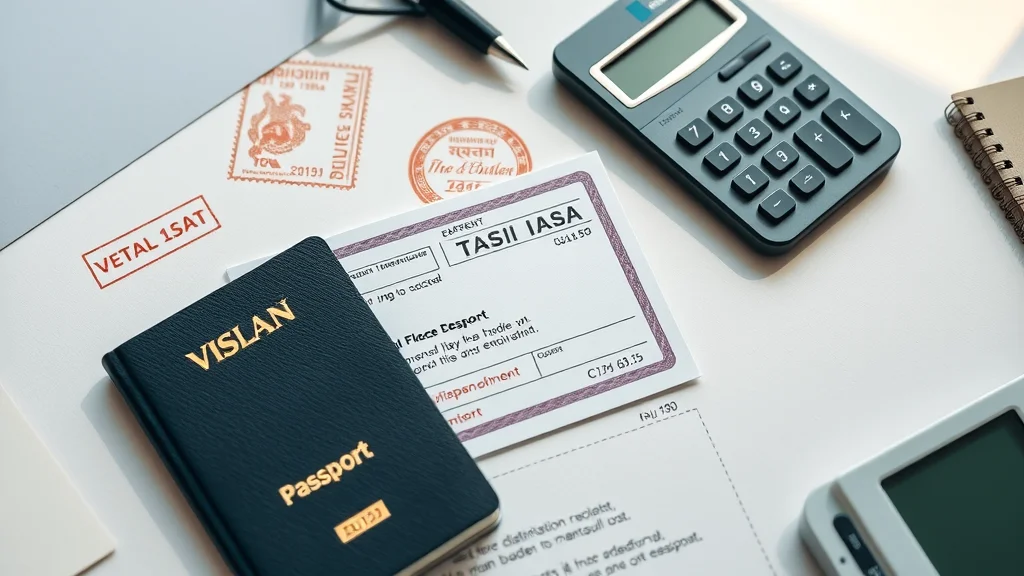
List: Types of Thailand Retirement Visas and Their Unique Criteria
- Non-Immigrant O-A (Long Stay)
- Non-Immigrant O-X (Long Stay for 10 Years)
- Other relevant retirement in Thailand visa options
Core Thailand Retirement Visa Financial Criteria
For most applicants, meeting the thailand retirement visa financial criteria means providing solid financial proof to Thai authorities. The two main tracks are: maintaining a significant minimum Thai bank account balance or demonstrating a reliable monthly income. These financial requirements are non-negotiable and designed to ensure retirees can comfortably support themselves without working in Thailand. For the Non-Immigrant O-A visa, you’ll need at least 800,000 THB in a Thai bank account or proof of a 65,000 THB monthly income, confirmed by official documents. The O-X visa raises this threshold since it covers a longer stay and is only available to select nationalities.
Acceptable documentation usually includes recent bank statements, pension letters, or other proof of regular income. These must be issued by authorized bodies—such as your home country’s pension provider or a Thai bank—and typically require official translation and notarization. Failure to submit the right evidence or maintain required balances may result in denial or revocation of your visa.
| Visa Category | Required Thai Bank Account Balance | Monthly Income Requirement | Acceptable Proofs |
|---|---|---|---|
| Non-Immigrant O-A | 800,000 THB (held 2 months before & 3 months after visa approval) | 65,000 THB/month | Bank statement, pension letter, or combination |
| Non-Immigrant O-X | 3,000,000 THB (held for 12 months) | N/A (lump sum only) | Thai bank certificate, no income accepted |
| Other Options | Varies | Varies | Check with Thai embassy/immigration office |
"Meeting thailand retirement visa financial criteria is as crucial as your decision to settle in Thailand," notes a leading thai immigration attorney.
Minimum Bank Account Balances for Thailand Retirement Visa
The backbone of the thailand retirement visa financial criteria is the minimum Thai bank account balance. For the popular O-A retirement visa, applicants must maintain a minimum of 800,000 THB (approx. USD 23,000, exchange rates vary) in a Thai bank. This sum must be present for at least two months prior to submitting your application and remain untouched for three months after visa approval. Thereafter, you cannot let the balance drop below 400,000 THB at any time. For the O-X visa, the minimum is a whopping 3,000,000 THB (approx. USD 85,000), emphasizing its rigorous long-term focus.
These requirements stand out even among similar Asian retirement destinations like Malaysia’s “Malaysia My Second Home” (which asks for a lower fixed deposit) and the Philippines’ Special Resident Retiree’s Visa. Thailand’s higher banking threshold is a sign of both the country’s popularity and desire to safeguard both retirees and its own economy. Always check with the immigration office or Thai embassy for the latest financial thresholds, as currency fluctuations may change effective requirements.

Monthly Income Requirements for Thai Retirement Visa
Applicants opting to prove eligibility through monthly income must demonstrate at least 65,000 THB coming into their account every month. This route is popular for retirees drawing pensions from their home country, social security, or annuities. You’ll need an official income letter from your government or pension fund—often certified by your embassy in Thailand. The timing of income deposits and the authenticity of documentation are both closely scrutinized, so meticulous record-keeping is vital. For the O-X visa, monthly income is not accepted; a substantial lump sum is imperative instead.
Be mindful that income must be predictable and visible in your Thai or international bank statements, corroborated by documents readily auditable by Thai immigration. Combining income proof with a partial lump sum (see next section) is sometimes allowed, provided total annual value matches or exceeds the threshold. The visa application process can move swiftly for those whose financial evidence is both clear and compliant with official guidelines.

Combination of Bank Account and Income: Meeting Financial Requirements
Some retirees leverage a hybrid approach—part income, part Thai bank account savings. This is particularly useful if you fall slightly short of one method but can cover the difference with the other. For example, you may deposit a partial lump sum and supply income certificates to reach the combined 800,000 THB annual requirement for the O-A visa. Thai immigration will examine your bank statements and income records to ensure total annual funds meet or exceed the set threshold.
This flexibility can help retirees who experience variable pension disbursements or those awaiting transfers from their home country. However, documentation must clearly outline the calculation and should be backed by bank letters and embassy certifications. Staying organized and consulting with a local immigration expert are recommended, as errors or inconsistencies may result in costly delays or even denial.
Application Process for Thailand Retirement Visa: Step-by-Step
Applying for a Thai retirement visa involves several precise steps—preparation is everything. Here’s how it works: First, gather the required documentation, including your passport, proof of funds (bank statement or pension letter), medical certificate, police clearance from your home country, and valid health insurance. Open your Thai bank account well in advance to allow funds to be seasoned as required by law. Present these at the local immigration office or Thai embassy.
It’s crucial to pay attention to official timelines—for example, the required bank balance must be held for a set period before and after visa approval. After submission, some applicants will be called for interviews or to provide additional clarification. Processing times differ by location, but readiness and proper documentation can ensure a smoother journey. Many first-timers underestimate the importance of up-to-date bank records or certified translations—meticulousness saves both time and nerves.
"The visa application process is more straightforward for those who meet the financial requirement well in advance," shares a retired expat in Chiang Mai.
Essential Documents for Thailand Retirement Visa Application
- Valid passport and immigration forms
- Proof of bank account funds or monthly income
- Medical certificate
- Police clearance
- Health insurance documentation
Role of Thai Bank Accounts in Meeting Financial Requirements
Opening a Thai bank account is step one for many retirees—it’s mandatory for those using the lump sum route. You’ll need to present your passport, proof of residence, and—often—a work permit or support letter from your embassy. Rules vary by bank and city, so ask ahead. Once open, deposit the required funds and get a letter from the bank verifying both deposit date and amount. This banker’s certificate, combined with a recent bank statement, forms the backbone of your financial proof. Maintaining your account and ensuring prompt renewals and minimum balance compliance are musts—fall below the requirement, and you risk visa renewal complications or loss of status.
Health Insurance and Residency in Thailand: Additional Financial Requirements
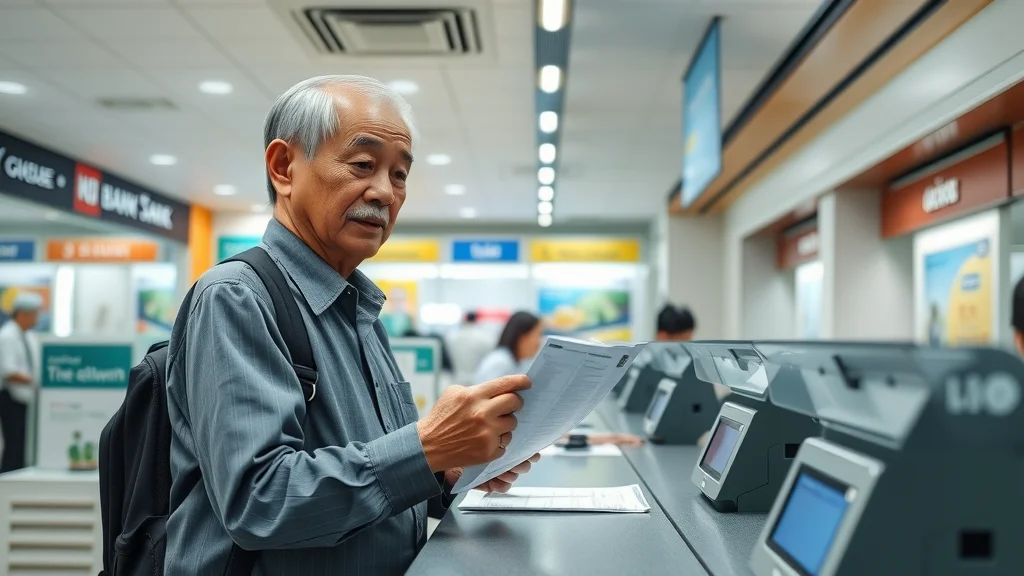
Recent changes to retirement visa requirements demand all applicants demonstrate adequate health insurance coverage. Applicants must select plans from accepted health insurance providers and show they meet minimum coverage requirements—often at least 400,000 THB for inpatient and 40,000 THB for outpatient care for the O-A visa (with higher standards for O-X). This protects both the retiree and the Thai healthcare system, ensuring medical treatment does not become a burden to the state. Documentation must be submitted annually and accepted only from certified insurers, whether local or approved international companies.
Lack of valid health insurance is now grounds for denial—and annual visa renewal is contingent on showing uninterrupted coverage. Policy details (such as minimum coverage, deductible, and provider list) must be understood and aligned with official rules. Some retirees mistakenly assume their home country’s insurance is sufficient, but only policies specifically meeting Thai requirements are accepted, so consult the latest official list before purchase.
| Insurance Provider Type | Minimum Inpatient Coverage (THB) | Minimum Outpatient Coverage (THB) | Accepted for Visa |
|---|---|---|---|
| Thai-based Insurers | 400,000 | 40,000 | Yes |
| Approved International Insurers | 400,000 or equivalent | 40,000 or equivalent | Yes, if certified by Thai authorities |
| Home Country Insurers | Must meet Thai thresholds & be certified | Must meet Thai thresholds & be certified | Sometimes (must be reviewed case-by-case) |
How Health Insurance Affects Your Thailand Retirement Visa Application
Compulsory health insurance is now a linchpin of the thailand retirement visa financial criteria. It not only protects your well-being in the event of illness or accident but also reassures Thai authorities that you won’t strain public healthcare resources. Immigration officers scrutinize policy details, so coverage below the required minimum or issued by non-approved providers generally leads to application rejection. Annual renewal of health insurance is as critical as maintaining minimum financial balances. Take care to obtain timely policy certificates and receipts each year, as they are required both for your own records and when reapplying for visa extension.

Maintaining Your Retirement Visa: Ongoing Thailand Retirement Visa Financial Criteria
Even after you settle in, maintaining your retirement visa means remaining vigilant. You must continue to meet all financial requirements—by keeping your bank balance above the required threshold or showing sustained income streams every year. During your annual renewal at the immigration office, updated bank statements, insurance coverage, and proof of financial sufficiency must be resubmitted. Thai immigration has become strict, and falling short may result in a visa downgrade or cancellation. A well-organized documentation process is your best friend when it comes to smooth annual re-verification, especially as guidelines shift or requirements tighten.

Annual Reporting and Re-verification: Avoiding Pitfalls
- When and how to submit annual reports
- Recent policy changes impacting retirees
- Best practices for maintaining compliance
"Annual re-verification became much easier when I kept detailed records of my transactions," a retiree in Hua Hin shares.
Popular Retirement Destinations: Living in Thailand on a Retirement Visa
Thailand’s retirement destinations each offer distinct lifestyles and cost structures—important when planning your retirement in Thailand. Chiang Mai, with its mountain scenery, offers low living costs and a thriving expat culture. Hua Hin is popular for seaside tranquility and high-quality healthcare. In contrast, Bangkok dazzles with big-city conveniences but comes at a higher price. Understanding each location’s cost of living helps retirees better plan their finances and ensure enduring compliance with thailand retirement visa financial criteria. Researching rent, food, healthcare, and utilities in your chosen city is as crucial as meeting bank balance requirements.

Case Study: Retiring in Chiang Mai vs. Bangkok
| Expense Category | Chiang Mai | Hua Hin | Bangkok |
|---|---|---|---|
| Rent (1-bed condo) | 10,000 - 15,000 | 13,000 - 20,000 | 18,000 - 30,000 |
| Utilities & Internet | 2,000 | 2,500 | 2,800 |
| Food (Monthly) | 8,000 | 10,000 | 12,000 |
| Healthcare (Insurance Premium) | 4,500 | 5,000 | 6,000 |
How Thailand Retirement Visa Financial Criteria Shape Lifestyle Choices
The thailand retirement visa financial criteria directly influence where and how retirees choose to live. For example, someone with limited pension income may select Chiang Mai for its bargain rent and lower daily expenses, while those with higher means could opt for central Bangkok apartments or gated communities in Hua Hin. Wherever you settle, your sustained ability to meet and document the right financial requirements is as crucial as your taste in local cuisine. Real-life retirees often balance their dreams with practical financial planning—moving funds between bank accounts, monitoring currency risks, and proactively maintaining surplus to avoid dipping below required minimums. Location, comfort, and compliance go hand in hand.
Frequently Encountered Challenges and Solutions
- Fluctuating currency rates affecting financial requirements
- Complicated Thai bank procedures for foreigners
- Common errors in document preparation (e.g., missing stamps, incomplete health insurance)
(Animated walkthrough video shows document prep, Thai bank visit, health insurance requirements, and destination highlights. Features clear infographics & real-life scenes with closed captions.)
Expert Tips: Navigating Thailand Retirement Visa Financial Criteria
- Start the bank account process early to avoid timing issues
- Maintain surplus in accounts to buffer any sudden exchange rate shifts
- Use trusted local legal experts to review documents before submission
People Also Ask About Thailand Retirement Visa Financial Criteria
What are the financial requirements for Thai retirement visa?
To obtain a thai retirement visa, you must demonstrate a minimum bank deposit or verifiable monthly income. As of 2024, O-A visa applicants need an 800,000 THB Thai bank account balance or 65,000 THB monthly income, maintained according to official guidelines.
How much money do you need in your bank account to retire in Thailand?
The threshold for the O-A visa is typically 800,000 THB in a Thai bank account. This sum must be held for at least two months before and three months after your visa is granted. Periodic re-verification is required to maintain your visa.
How hard is it to get a retirement visa for Thailand?
It is straightforward for those who meet the thailand retirement visa financial criteria and provide clear supporting documents. The process becomes challenging if paperwork is incomplete or financial requirements are not met in advance.
What are the financial requirements for a retirement visa?
You must satisfy either a specified monthly income or a lump sum bank deposit—typically 800,000 THB for the O-A visa. Both require strict adherence to official documentation and timelines issued by the Thai Immigration Bureau.
FAQs: Thailand Retirement Visa Financial Criteria Explained
- What is the difference between O-A and O-X retirement visas?
- Can a foreign currency account satisfy the financial requirement?
- What happens if your bank balance dips below the required minimum?
- Do renewals require the same financial proof as the first application?
- How has the Thailand retirement visa financial criteria changed since 2020?
Key Takeaways for Thailand Retirement Visa Financial Criteria
- Understanding thailand retirement visa financial criteria increases your likelihood of approval.
- Regularly monitor changes in policy and exchange rates affecting financial requirement thresholds.
- Keep all financial documentation organized and accessible for smooth visa application and renewal.
Next Steps: Secure Your Golden Years in Thailand
Ready to make your dream of retiring in Thailand a reality? Please like, share and comment on this article to support others on their journey to a fulfilling retirement in Thailand




Write A Comment